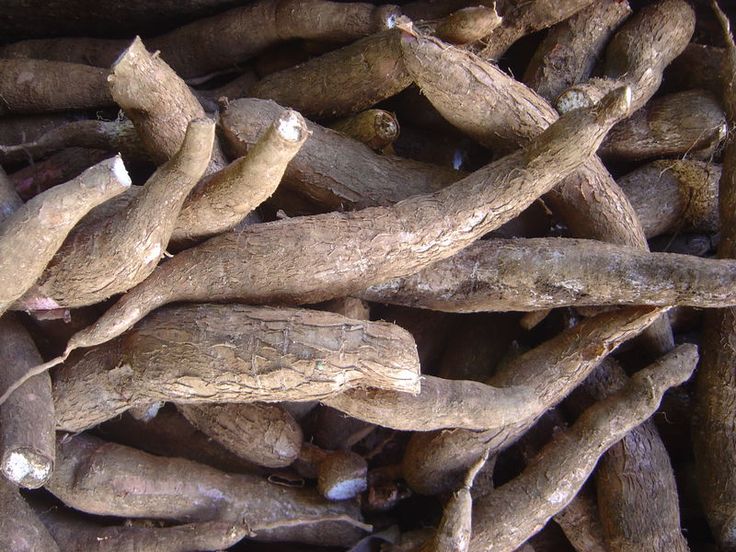
Indonesian cassava suppliers can be an interesting sourcing option for companies looking for cassava-based raw materials. Indonesia has strong agricultural potential, including cassava production, as well as a growing role in international trade. For global buyers, choosing the right supplier is not only about finding a competitive price. Product quality, supply availability, consistency, communication, and the supplier's ability to meet business requirements are also important factors. Indonesian cassava suppliers can offer opportunities for businesses looking to source cassava and its processed products for different industrial applications. However, buyers still need to evaluate suppliers carefully to make sure the products and services match their requirements. In this article, we will explore why Indonesian cassava suppliers can be an option for global buyers, the potential benefits, and the factors that should be considered before choosing a supplier. Table of Contents Indonesia has a long history of cassava cultivation. Cassava is grown in several regions and is used as an agricultural commodity as well as a raw material for various processed products. The Food and Agriculture Organization (FAO) recognizes Indonesia as one of the major cassava-producing countries in Asia. The availability of cassava provides opportunities for businesses that need cassava-based ingredients or materials for their production processes. For international companies, working with reliable Indonesian cassava suppliers can provide access to local products and support their sourcing needs. Buyers interested in purchasing tapioca flour in bulk can also learn more about tapioca flour wholesale and how to secure a deal with a trusted supplier. For international buyers, sourcing from Indonesia can also provide access to a supplier market within Southeast Asia. This can be particularly relevant for companies that are already sourcing agricultural commodities from the region. However, the suitability of Indonesia as a sourcing destination depends on the buyer's product requirements, volume, quality standards, and target market. One of the factors that global buyers may consider is the availability of cassava as a local agricultural commodity. Cassava can be processed into different forms depending on how it will be used. These products may serve different purposes across food and other industries. For buyers, having access to a supplier with a reliable supply chain is important. A supplier should be able to communicate clearly about product availability, production capacity, lead times, and order requirements. Rather than focusing only on whether cassava is available, buyers should also evaluate whether the supplier can consistently provide the required product and volume. Cassava is not limited to one type of product. Depending on the processing method, cassava can be turned into different products for different applications. For example, cassava can be processed into products such as: Cassava flour Tapioca flour Modified cassava flour Cassava starch Other cassava-based ingredients Each product has different characteristics and applications. Therefore, global buyers should clearly define what they need before selecting a supplier. Product specifications can include factors such as grade, moisture content, appearance, packaging, particle size, and other requirements depending on the intended application. A good supplier should be able to provide clear product information so buyers can determine whether the product meets their specifications. Choosing an Indonesian cassava supplier can provide several potential advantages for international buyers. Indonesia has a significant agricultural sector, which provides a foundation for sourcing various agricultural commodities, including cassava. For buyers, working with suppliers that have access to local raw materials can help create a more direct connection to the source. Cassava can be processed into different products. This gives buyers more options depending on their production needs. Instead of sourcing raw cassava only, companies may be able to choose processed cassava products that are more suitable for transportation, storage, or manufacturing. For businesses that require cassava regularly, establishing a relationship with a reliable supplier can be more valuable than making one-time purchases. Long-term cooperation allows both the buyer and supplier to better understand product specifications, order volumes, delivery schedules, and quality expectations. Indonesia's location in Southeast Asia can also make it relevant for companies looking to develop sourcing relationships within the region. However, shipping costs, delivery times, import requirements, and destination-country regulations should always be evaluated before making a purchasing decision. Cassava-based products are used across different industries, particularly as ingredients or raw materials. Some common applications include: Food & Beverage: Used as starch, flour, thickeners, and other food ingredients. Bakery: Used in flour and starch-based formulations. Snack Manufacturing: Used in coatings, starch-based ingredients, and cassava-based products. Processed Food: Used to support texture, consistency, and product formulation. Industrial Applications: Used in starch-based materials and other industrial processes. The exact application depends on the characteristics and specifications of the cassava product. For this reason, buyers should discuss their intended application with suppliers before placing an order. This can help ensure that the selected product is suitable for their manufacturing process. Finding a supplier is only the first step. Global buyers should evaluate several factors before establishing a business relationship. When working with Indonesian cassava suppliers, global buyers should ask for detailed product specifications and quality information. If necessary, buyers can also request samples or relevant documentation before making a larger purchase. An Indonesian cassava supplier may offer a suitable product but still not be able to meet the required volume. Make sure the supplier can handle the expected order quantity and delivery schedule. International orders require proper packaging and logistics planning. Buyers should discuss packaging options, shipping arrangements, lead times, and delivery terms with the supplier. Clear communication is particularly important when working across countries and time zones. A reliable supplier should be able to respond clearly to questions about products, orders, documentation, and delivery. Price is important, but it should not be the only consideration. Buyers should also look at the supplier's ability to maintain quality, meet deadlines, and support long-term cooperation. For global buyers, working directly with an Indonesian supplier can provide a closer connection to the source of the raw material. Instead of relying solely on general trading information, buyers can communicate directly with suppliers about their product specifications, volume requirements, packaging, and delivery needs. This can make the sourcing process more transparent and help both parties understand what is expected from the business relationship. For companies entering the Indonesian market for the first time, local knowledge can also be valuable. Understanding suppliers, production capabilities, logistics, and business practices can make the sourcing process more structured. This is where a supplier with experience in international business can provide additional value. Before choosing Indonesian cassava suppliers, global buyers can use a simple evaluation process: Define your requirements Determine the type of cassava product, specifications, quantity, packaging, and intended application. Compare potential suppliers Look at product quality, supply capacity, experience, pricing, and communication. Request product information Ask for specifications, samples, certificates, or other documentation that may be relevant to your business. Discuss logistics Clarify shipping arrangements, lead times, minimum order quantities, and delivery terms. Evaluate long-term potential Consider whether the supplier can support your business as your order volume and requirements grow. Taking these steps can help reduce unnecessary risks and make the sourcing process more efficient. Indonesia has an established agricultural sector and produces cassava for both local and processed applications. Buyers may consider Indonesian suppliers based on product availability, processing capabilities, and their specific sourcing requirements. Depending on the supplier, buyers may find products such as cassava flour, tapioca flour, modified cassava flour, and cassava starch. Consider product specifications, quality, supply capacity, packaging, logistics, communication, pricing, and the supplier's ability to support long-term orders. Yes, suppliers that are equipped to handle international orders may work with buyers from different countries. However, buyers should discuss export documentation, shipping arrangements, and destination-country requirements with the supplier. Not necessarily. A competitive price is important, but quality, consistency, reliability, supply capacity, and communication are also important when establishing a long-term supplier relationship. Indonesia offers promising opportunities for global buyers looking to source cassava and cassava-based products. With its agricultural resources and variety of cassava products, Indonesian suppliers can be a potential sourcing partner for businesses in different industries. However, choosing the right supplier requires more than simply comparing prices. Buyers should consider product quality, supply capacity, specifications, packaging, logistics, communication, and the supplier's ability to support long-term business needs. For global buyers, working with Indonesian cassava suppliers that understand international requirements can make the sourcing process more structured and efficient. By evaluating suppliers carefully and building a reliable business relationship, companies can take advantage of Indonesia's cassava supply while developing opportunities for long-term cooperation.Why Is Indonesia a Good Source of Cassava?
The Availability of Cassava in Indonesia
Quality and Variety of Cassava Products
Competitive Advantages for Global Buyers
1. Access to an Agricultural Supply Base
2. Product Flexibility
3. Potential for Long-Term Supply
4. Access to the Southeast Asian Market
Cassava Applications Across Industries
What Should Global Buyers Consider When Choosing a Supplier?
Product Quality
Supply Capacity
Packaging and Shipping
Communication
Business Reliability
Why Work with an Indonesian Cassava Supplier?
How to Choose the Right Indonesian Cassava Supplier
Frequently Asked Questions
Why should global buyers consider Indonesian cassava suppliers?
What cassava products can be sourced from Indonesia?
What should I check before choosing a cassava supplier?
Can Indonesian cassava suppliers serve international buyers?
Is price the most important factor when choosing a supplier?
Conclusion