Understanding Cassava Starch Quality
Cassava starch quality is an important consideration for buyers sourcing cassava starch for food manufacturing and various industrial applications. As demand for cassava-based ingredients continues to grow, understanding what determines cassava starch quality can help businesses select products that meet their production requirements.
For international buyers, purchasing cassava starch involves more than comparing prices. Product specifications, consistency, packaging, supply capacity, and supplier reliability can all influence the sourcing decision.
By understanding the key factors that affect cassava starch quality, buyers can compare different products more effectively and choose suppliers that can meet their specific requirements.
Table of Contents
ToggleWhat Is Cassava Starch?
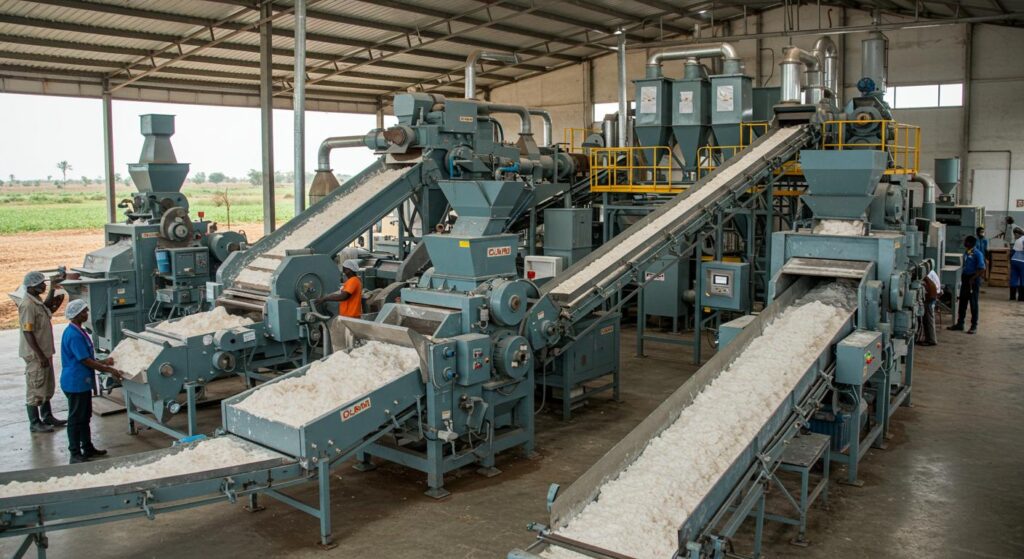
cassava starch is a starch extracted from cassava roots. During production, the roots are processed to separate the starch from other materials. The starch is then washed, refined, dried, and prepared for use.
Cassava starch is commonly used in food products, sauces, snacks, bakery products, processed foods, and various industrial applications.
The specifications required can vary depending on the intended use. This is why buyers should understand their application and identify the aspects of cassava starch quality that are most important for their production process.
Why Does Cassava Starch Quality Matter?
Cassava starch quality can directly affect how the product performs during manufacturing.
In food production, variations in starch properties may influence texture, appearance, viscosity, and processing performance. In industrial applications, the required characteristics may depend on the production method and the desired properties of the finished product.
For this reason, buyers should not evaluate cassava starch quality based only on price or physical appearance. A product that consistently meets the required specifications can provide greater value, especially for companies that purchase cassava starch regularly.
Consistent cassava starch quality can also help manufacturers maintain stable production results across different batches and shipments.
Key Factors That Determine Cassava Starch Quality
Several factors should be considered when evaluating cassava starch quality. The exact requirements may vary depending on the application, but the following characteristics are commonly important for international buyers.
1. Purity
Purity is an important factor when evaluating cassava starch quality. Buyers generally require a product that meets agreed specifications and contains minimal unwanted materials.
Consistent purity can help manufacturers maintain stable production processes and achieve predictable results in their finished products.
Before purchasing, buyers should request product specifications or relevant quality documentation from the supplier to understand the characteristics of the starch being offered.
2. Moisture Content
Moisture content is another factor that can influence cassava starch quality, particularly during storage, handling, and transportation.
Higher-than-expected moisture levels may affect product stability and storage conditions. This consideration is especially important for international shipments, where cassava starch may be transported and stored for extended periods.
Buyers should review the moisture specifications provided by the supplier and confirm that they are appropriate for their intended application and storage conditions.
3. Whiteness and Appearance
Whiteness and overall appearance can also be relevant when assessing cassava starch quality, particularly for food-related applications.
Depending on the final product, manufacturers may require starch with a clean and consistent appearance. Requesting product samples before placing a larger order can help buyers evaluate these physical characteristics.
However, appearance should not be considered separately from other technical specifications. Buyers should assess the overall cassava starch quality based on the requirements of their intended application.
4. Viscosity
Viscosity is another important property related to cassava starch quality because it affects how starch behaves during processing.
Different applications may require different viscosity characteristics. For example, manufacturers may have specific requirements depending on the desired thickness, texture, or processing performance of the final product.
Buyers should discuss their intended application with the supplier and confirm that the product specifications are suitable for their manufacturing process.
5. Particle Size
Particle size can influence the physical handling and processing behavior of cassava starch.
For manufacturers that require predictable production results, consistent particle characteristics can be an important part of cassava starch quality.
Specific requirements may vary depending on the application and production process. These requirements should therefore be discussed with the supplier before an order is finalized.
6. Consistency Between Batches
Batch-to-batch consistency is one of the most important aspects of cassava starch quality for long-term buyers.
Meeting specifications for a single shipment is not enough for companies that rely on cassava starch as a regular raw material. Buyers also need confidence that the supplier can maintain similar quality standards across future orders.
Consistent quality can reduce the need for repeated production adjustments and help manufacturers maintain stable output.
What Should Buyers Check Before Purchasing Cassava Starch?
Before choosing a supplier, international buyers should evaluate more than just the price of cassava starch.
Product Specifications
The first step is to clearly identify the specifications required for the intended application. These may include moisture content, purity, appearance, viscosity, particle size, and other relevant characteristics related to cassava starch quality.
Having clear requirements makes it easier to compare different suppliers and determine whether their products are suitable.
Product Samples
Requesting product samples can help buyers evaluate cassava starch quality before committing to a larger purchase.
Samples provide an opportunity to review the physical characteristics of the product and, when necessary, conduct additional testing based on the buyer’s own requirements.
Quality Documentation
Buyers should request relevant product specifications and quality documentation from potential suppliers.
Depending on the application and destination market, different documents may be required. Discussing these requirements early can help prevent issues during purchasing, shipping, and import procedures.
Packaging
Packaging is another factor that should not be overlooked when sourcing cassava starch.
Appropriate packaging can help protect the product during storage and transportation. International buyers should discuss available packaging options with suppliers and ensure that they are suitable for the expected shipping conditions.
Supply Capacity
A supplier may offer good cassava starch quality but still be unable to provide the volume required by a buyer.
Before establishing a long-term purchasing relationship, buyers should discuss production capacity, minimum order quantities, lead times, and expected order volumes.
How to Choose a Reliable Cassava Starch Supplier
Finding a reliable supplier is an important part of maintaining consistent cassava starch quality.
Buyers should evaluate product specifications, quality control, production capacity, packaging, communication, and the experience of a reliable cassava starch supplier in handling international orders.
Clear communication is particularly important when buyers and suppliers are located in different countries. Both parties should have a clear understanding of product requirements, order quantities, documentation, shipping arrangements, and delivery schedules.
Price is also an important consideration, but it should not be the only factor when selecting a supplier. A supplier that can consistently maintain cassava starch quality and support long-term business requirements may provide greater value over time.
Why Indonesia Can Be a Potential Source of Cassava Starch
Indonesia has a significant agricultural sector, and cassava is one of the crops produced in the country. This creates opportunities for businesses looking for cassava-based raw materials and products.
For international buyers, sourcing cassava starch from Indonesia can provide access to suppliers located closer to the source of the raw material.
However, buyers should still evaluate each supplier individually. Cassava starch quality, product specifications, production capacity, logistics, documentation, and communication should all be considered before establishing a business relationship.
Working directly with an experienced Indonesian supplier can also help buyers better understand product availability, specifications, sourcing requirements, and shipping arrangements.
Supporting Long-Term Sourcing
For companies that use cassava starch regularly, supplier selection should be viewed as a long-term decision rather than a one-time purchase.
Consistent cassava starch quality can help manufacturers maintain stable production and reduce unnecessary process adjustments. Reliable communication can also make it easier to manage changes in order volumes or product requirements.
Proper logistics planning can further reduce unnecessary delays during international shipments.
Building a strong relationship with a dependable supplier can therefore provide benefits beyond the initial transaction and support more efficient sourcing over time.
Conclusion
Understanding cassava starch quality is essential for international buyers looking for reliable raw materials for food manufacturing and industrial applications. Factors such as purity, moisture content, whiteness, viscosity, particle size, and batch-to-batch consistency can all influence the suitability and performance of cassava starch.
However, cassava starch quality is only one part of the sourcing process. Buyers should also consider product documentation, samples, packaging, supply capacity, communication, logistics, and the supplier’s ability to maintain consistent standards over time.
For international companies interested in sourcing cassava starch from Indonesia, carefully evaluating suppliers can help create a more reliable and efficient purchasing process. By clearly defining product requirements and working with suppliers that can consistently maintain the required cassava starch quality, buyers can establish stronger foundations for long-term business cooperation.