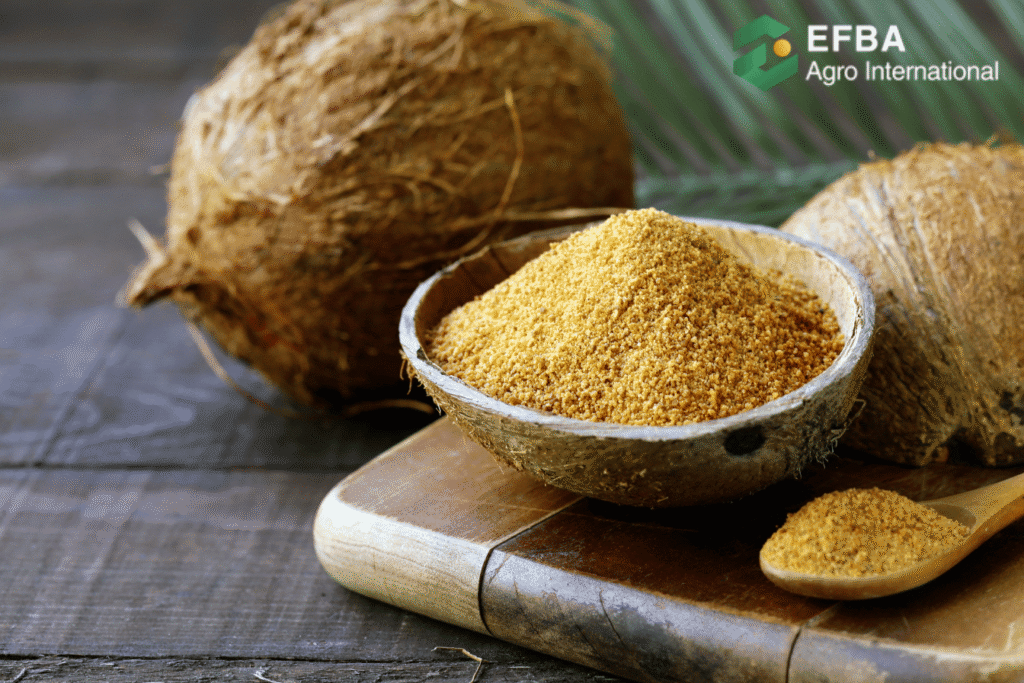
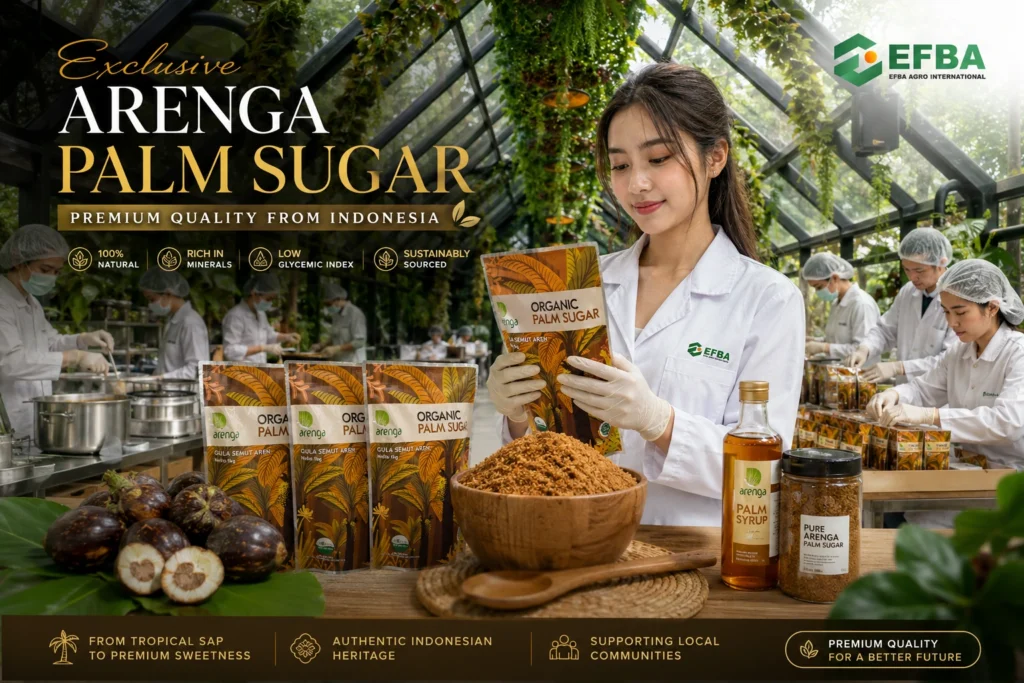
Palm Sugar continues to attract global attention because consumers increasingly prefer natural sweeteners with authentic origins, balanced flavor, and sustainable production methods. Across tropical regions, farmers have harvested sweet sap from palm blossoms for generations, transforming it into nutrient rich crystals, syrup, and traditional molded blocks.
Today, modern food industries appreciate this tropical ingredient not only for its caramel flavor but also for its environmental value and culinary versatility. Arenga Palm Sugar especially stands out because producers create it through minimal processing while preserving much of the sap’s original character, aroma, and mineral composition. As international buyers search for clean label ingredients and traceable agricultural products, this naturally derived sweetener gains stronger commercial importance in food manufacturing, wellness products, beverages, and gourmet cuisine worldwide.
Tropical Heritage and Traditional Sap Harvesting Methods
For centuries, communities throughout Southeast Asia have relied on tropical palm trees as an important source of nutrition, trade, and traditional culinary culture. Farmers usually climb tall palm trees before sunrise to collect fresh sap because cooler temperatures help preserve sweetness and prevent rapid fermentation. After harvesting, they carefully heat the liquid using controlled temperatures until the sap thickens into golden brown crystals or dense syrup with a distinctive caramel fragrance. This traditional method creates a sweetener with richer flavor complexity than heavily refined alternatives commonly used in industrial food systems today.
Throughout Indonesia, many rural communities continue preserving ancestral harvesting techniques because the process supports both cultural heritage and economic sustainability. Farmers often pass production knowledge through generations, allowing local expertise to survive despite modernization across agricultural sectors. In mountainous tropical regions, Arenga palm trees thrive naturally among diverse vegetation instead of replacing forests with large monoculture plantations. Consequently, producers maintain stronger biodiversity while continuing sustainable sap collection practices. These traditional harvesting systems also strengthen international interest because buyers increasingly value ingredients connected to authentic origin stories, ethical sourcing, and environmentally responsible cultivation methods across global food markets.
Why Arenga Palm Sugar Gains Strong Global Demand
International demand for tropical sweeteners continues growing because consumers now prioritize ingredients that combine natural sourcing, nutritional value, and distinctive taste profiles. Many beverage companies, bakery manufacturers, and health focused food brands actively search for alternatives to heavily processed sugar. As a result, tropical sap sweeteners become attractive because they deliver deeper flavor while supporting cleaner ingredient labeling. Global buyers also appreciate products connected to transparent agricultural practices and traceable supply chains, especially when sustainability becomes a major purchasing consideration within modern food industries.
Beyond its commercial appeal, Arenga Palm Sugar offers remarkable versatility across culinary applications worldwide. Chefs frequently use it in desserts, coffee blends, herbal beverages, sauces, granola bars, confectionery products, and savory marinades because the ingredient balances sweetness with subtle smoky undertones. Additionally, the warm caramel aroma complements chocolate, coconut milk, tropical fruits, and roasted spices exceptionally well. Unlike conventional refined sugar, this minimally processed sweetener contributes stronger depth and complexity to recipes without overpowering surrounding flavors. Consequently, gourmet restaurants and premium food manufacturers increasingly incorporate tropical palm derived sweeteners into modern menus and specialty product formulations targeting consumers who appreciate authentic tropical ingredients with sustainable production backgrounds.
Nutritional Composition Supporting Better Natural Sweetening
Modern consumers increasingly examine ingredient labels because they want foods containing more natural nutritional value and fewer heavily refined additives. Tropical sap sweeteners attract attention because they preserve several minerals naturally found within fresh palm nectar. Although moderation remains important for all sweeteners, minimally processed palm derived products generally retain more trace nutrients compared with industrial white sugar. This nutritional distinction strengthens interest among wellness focused consumers searching for more balanced alternatives suitable for beverages, snacks, and daily culinary applications across international markets.
Arenga Palm Sugar contains several essential nutrients that contribute to its growing popularity worldwide. These nutrients include potassium, magnesium, calcium, iron, zinc, phosphorus, manganese, vitamin B compounds, and naturally occurring antioxidants. Potassium supports normal nerve and muscle function, while magnesium contributes to metabolic processes and energy production. Calcium and phosphorus help maintain healthy bones and teeth, whereas iron assists oxygen transportation throughout the body. Zinc and manganese support various enzymatic functions, and antioxidants may help reduce oxidative stress associated with environmental exposure and modern lifestyle patterns. Because traditional processing preserves many natural compounds from fresh sap, producers maintain richer nutritional profiles than highly refined industrial sweeteners commonly available in global retail markets today.
Sustainable Farming Systems Protecting Tropical Ecosystems
Sustainable agriculture continues becoming a critical issue because modern food industries face increasing pressure to reduce environmental impact and preserve natural ecosystems. Tropical sugar palms contribute positively to ecological balance because farmers usually cultivate them within mixed vegetation landscapes rather than replacing forests with large industrial plantations. This approach supports healthier biodiversity while maintaining stronger soil quality across humid tropical regions. Furthermore, mature palm trees continue producing sap for many years, allowing farmers to sustain agricultural productivity without aggressive land expansion or excessive environmental disruption.
The root systems of tropical sugar palms also help stabilize soil structure in mountainous and high rainfall regions. During heavy tropical storms, these roots reduce erosion while improving water retention across surrounding agricultural land. Additionally, farmers often rely on manual harvesting instead of fuel intensive industrial machinery, lowering energy consumption during production processes.
Traditional heating methods further minimize chemical dependency because producers transform fresh sap through natural evaporation techniques instead of aggressive industrial refinement systems. Consequently, sustainably harvested tropical sweeteners become increasingly attractive to international food companies searching for environmentally responsible ingredients capable of supporting clean label manufacturing and ethical sourcing commitments throughout global supply chains.
Distinctive Flavor Characteristics in Modern Culinary Trends
Consumers increasingly seek ingredients that deliver both authentic flavor and memorable culinary experiences. Tropical palm derived sweeteners stand out because they provide deeper taste complexity compared with ordinary refined sugar products commonly used in mass manufacturing. Depending on sap quality and processing techniques, the final color may range from golden amber to rich dark brown. The flavor profile often combines caramel sweetness with subtle earthy notes, roasted undertones, and mild smokiness, creating exceptional versatility across both traditional and contemporary cuisine worldwide.
Professional chefs frequently incorporate Arenga Palm Sugar into desserts, pastries, artisan beverages, sauces, and fusion recipes because it blends smoothly with many natural ingredients. Coffee companies appreciate how the caramel character enhances roasted beans without masking delicate flavor notes. Likewise, chocolatiers often combine tropical sweeteners with cocoa because both ingredients share naturally warm aromatic qualities. In savory cooking, chefs use palm derived sweetness to balance spicy seasonings, fermented sauces, grilled meats, and tropical curries.
Consequently, culinary innovators continue experimenting with this ingredient across gourmet restaurants, specialty cafés, and premium packaged food sectors. The growing popularity of globally inspired cuisine further increases commercial opportunities for tropical sweeteners capable of delivering authentic flavor experiences connected to traditional agricultural origins.
Expanding Commercial Applications Across Food Industries
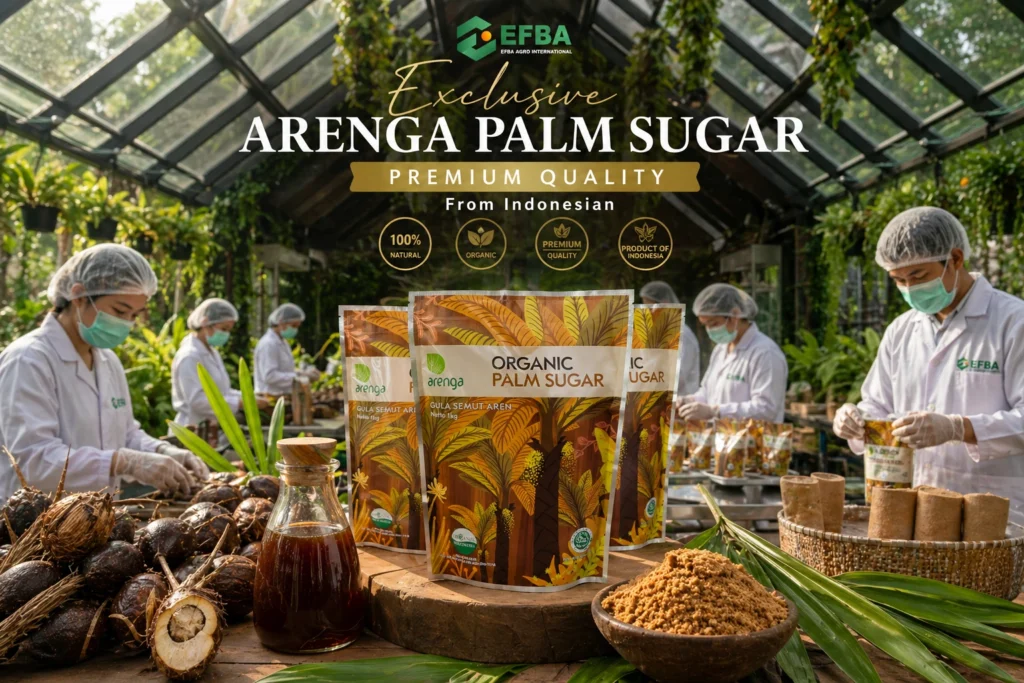
Food manufacturers continuously adapt product development strategies because consumers demand healthier ingredients, cleaner labels, and more transparent sourcing practices. Tropical sweeteners now appear in a wide variety of commercial applications ranging from ready to drink beverages and breakfast cereals to plant based snacks and organic bakery products. Companies increasingly value ingredients that support natural branding while also delivering strong sensory appeal. Therefore, minimally processed sweeteners derived from tropical sap become highly relevant across modern food innovation sectors targeting premium and wellness focused consumer markets.
Several industries now integrate Arenga Palm Sugar into commercial formulations because it provides functional versatility alongside distinctive flavor. Beverage producers incorporate it into bottled coffee, tea concentrates, smoothies, kombucha products, and herbal drinks. Bakery manufacturers use it within cookies, cakes, breads, and pastries to create richer caramel depth and softer sweetness profiles.
Additionally, confectionery brands combine tropical sweeteners with nuts, chocolate, coconut, and dried fruit to develop premium snack products suitable for international export markets. The ingredient also performs effectively within savory sauces, marinades, barbecue glazes, and seasoning blends because its earthy sweetness balances spices and fermented flavors naturally. Consequently, demand continues expanding among global buyers searching for authentic tropical ingredients capable of supporting innovative product development and sustainable commercial positioning simultaneously.
Economic Importance for Rural Agricultural Communities
Rural agricultural economies throughout Southeast Asia depend heavily on sustainable commodity production because farming remains a major source of employment and community stability. Tropical sugar palm cultivation supports thousands of small scale farmers who rely on sap harvesting as a long term economic activity. Unlike short cycle agricultural commodities requiring constant replanting, mature palm trees continue producing harvestable sap for many years. This stability allows farming communities to maintain consistent production while preserving traditional expertise connected to tropical agriculture and artisanal sweetener manufacturing processes.
In many regions, families organize harvesting activities collectively, strengthening social cooperation and local economic resilience. Farmers climb trees manually, collect fresh sap containers, transport harvested liquid, and carefully process the nectar using traditional heating techniques. Because the production chain requires skilled labor at multiple stages, local communities generate broader employment opportunities compared with highly mechanized agricultural industries.
Furthermore, growing international demand encourages exporters and distributors to invest in quality improvement, hygienic packaging, and sustainable sourcing certification systems. These developments help producers access higher value export markets while improving economic opportunities within rural areas. Consequently, the commercial success of tropical sweeteners contributes not only to international trade growth but also to long term agricultural sustainability and stronger community based economic development across palm producing regions.
Rising Consumer Preference for Natural Sweetener Alternatives
Global dietary trends continue shifting because consumers increasingly evaluate how ingredients affect wellness, sustainability, and product transparency. Many shoppers now avoid excessively refined sweeteners and artificial additives, encouraging food manufacturers to reformulate products using more natural alternatives. Tropical sap sweeteners attract attention because they align with several modern purchasing preferences, including clean labeling, minimal processing, authentic sourcing, and environmentally conscious production. As wellness awareness expands internationally, natural ingredients with recognizable origins gain stronger credibility within competitive retail markets.
Arenga Palm Sugar especially appeals to consumers who appreciate traditional food craftsmanship combined with premium tropical identity. Unlike mass produced sweeteners created through extensive industrial refinement, this ingredient maintains stronger sensory character and artisanal authenticity. Many buyers also associate tropical sap sweeteners with healthier lifestyle choices because they contain naturally occurring minerals retained from fresh palm nectar.
Indonesian Tropical Conditions Supporting Premium Quality Production
Indonesia remains one of the most important producers of tropical palm derived sweeteners because its natural environment strongly supports high quality sap cultivation. Fertile volcanic soil, abundant rainfall, humid temperatures, and mountainous tropical landscapes create ideal growing conditions for Arenga palm trees. These environmental advantages contribute directly to the flavor complexity, mineral composition, and aromatic richness associated with Indonesian sweetener production. Consequently, international buyers frequently recognize Indonesian palm derived products for their authentic tropical characteristics and consistent commercial quality.
Local farmers also possess extensive experience managing traditional harvesting systems adapted to diverse tropical ecosystems throughout the archipelago. Many producers carefully monitor sap freshness, heating temperatures, and processing duration to maintain optimal sweetness and aroma. Additionally, exporters increasingly implement modern hygiene standards and packaging improvements to satisfy international food safety requirements while preserving artisanal production quality.
These advancements strengthen Indonesia’s position within global sweetener markets as buyers seek reliable sourcing partners capable of delivering premium tropical commodities consistently. The combination of natural agricultural advantages, cultural expertise, and expanding export infrastructure creates strong long term opportunities for Indonesian producers supplying sustainable sweeteners to international beverage, culinary, and wellness industries worldwide.
Future Opportunities for Sustainable Tropical Sweetener Industries
Global food industries continue evolving because consumers increasingly demand ingredients that combine sustainability, authenticity, and premium sensory experiences. Tropical sweeteners now occupy an important position within this transformation since manufacturers seek alternatives capable of supporting both environmental responsibility and modern wellness trends. Consequently, international demand for minimally processed sweeteners continues expanding across beverage production, bakery innovation, organic food manufacturing, and specialty culinary sectors. This momentum creates long term commercial opportunities for producers capable of maintaining consistent quality, traceable sourcing, and reliable export standards throughout competitive international markets.
Several economic trends further strengthen future growth potential for Arenga Palm Sugar across global industries. First, clean label product development continues accelerating because consumers increasingly prefer recognizable natural ingredients over artificial additives and heavily refined sweeteners. Second, sustainability certifications and ethical sourcing programs encourage manufacturers to prioritize agricultural commodities connected to environmentally responsible production systems. Third, premium food sectors increasingly value ingredients carrying authentic regional identity and artisanal production heritage.
These market developments collectively support stronger international positioning for tropical sap sweeteners produced through traditional harvesting methods and sustainable agricultural practices. Furthermore, expanding culinary creativity across restaurants, cafés, and food innovation laboratories encourages greater experimentation with tropical ingredients capable of delivering deeper flavor complexity and distinctive aromatic profiles.
Premium Processing Standards Enhancing International Export Quality
International buyers increasingly evaluate agricultural commodities based on hygiene standards, production consistency, and food safety compliance because modern import regulations continue becoming more rigorous across global markets. Exporters therefore prioritize quality assurance systems capable of preserving product integrity from harvesting stages until final packaging and international shipment. Within competitive food industries, premium quality standards strongly influence purchasing decisions because manufacturers require dependable ingredients suitable for large scale commercial applications and long term supply chain stability.
Producers of Arenga Palm Sugar carefully manage multiple processing stages to maintain consistent texture, color, aroma, and sweetness levels. Farmers usually collect fresh sap early in the morning before fermentation begins affecting flavor quality. After harvesting, processors immediately filter and heat the sap under controlled temperatures to preserve natural sweetness while preventing contamination. Skilled workers continuously monitor evaporation stages because temperature management directly affects caramelization, aroma formation, and final product consistency. Additionally, modern packaging systems protect finished products from moisture exposure and environmental contamination during storage and transportation processes. These quality improvements help exporters satisfy international food safety expectations while preserving traditional flavor characteristics valued by global buyers.
Professional export management also strengthens commercial competitiveness because international clients increasingly require documentation related to traceability, sustainability, and production transparency. Consequently, many suppliers now integrate modern quality control systems with traditional artisanal processing techniques to balance authenticity and international compliance effectively. This combination creates stronger confidence among importers searching for premium tropical ingredients suitable for retail distribution, food manufacturing, hospitality industries, and wellness focused product development worldwide.
Cultural Significance and Traditional Culinary Identity Worldwide
Traditional food ingredients often carry cultural meaning extending beyond simple nutritional function because they connect communities with regional identity, ancestral knowledge, and historical culinary practices. Throughout Southeast Asia, tropical palm sweeteners remain deeply integrated within local cuisine, religious celebrations, and family traditions passed across generations. Communities continue preserving these culinary customs because traditional sweeteners represent more than flavor alone; they symbolize agricultural heritage, craftsmanship, and shared cultural memory rooted within tropical rural life.
In Indonesia especially, Arenga Palm Sugar appears in numerous traditional dishes, beverages, and desserts served during festivals, ceremonies, and daily meals. Families frequently use it to prepare sweet soups, sticky rice delicacies, herbal drinks, coconut desserts, fermented snacks, and traditional cakes enriched with tropical flavors. The ingredient also complements savory cuisine because its earthy sweetness balances chili spices, fermented condiments, roasted meats, and aromatic herbs naturally. Consequently, local culinary traditions continue influencing modern gastronomy as younger generations reinterpret classic tropical recipes for contemporary restaurant concepts and international food audiences.
Global culinary trends increasingly celebrate authentic regional ingredients because consumers seek more meaningful dining experiences connected to cultural storytelling and artisanal production methods. International chefs now incorporate tropical sweeteners into fusion cuisine, gourmet desserts, specialty beverages, and experimental tasting menus inspired by Southeast Asian culinary heritage.
Social media exposure further amplifies appreciation for traditional tropical ingredients by introducing broader audiences to regional cooking techniques and authentic flavor combinations previously unfamiliar within global food culture. Therefore, cultural identity continues playing an important role in strengthening international recognition and commercial value surrounding tropical sap derived sweeteners across expanding worldwide culinary markets.
Future Trends and Strategic Growth Opportunities
Market trends indicate a strong future for natural sweeteners derived from sustainable sources, with Palm Sugar positioned at the center of this growth. Increasing awareness of environmental issues and health concerns drives consumers to seek alternatives that align with their values. This shift creates opportunities for producers and businesses to expand their reach and develop new strategies.
One emerging trend involves the integration of sustainability into branding. Companies highlight eco-friendly production methods and ethical sourcing to differentiate their products. This approach resonates with consumers who prioritize transparency and responsibility. As a result, products with clear sustainability narratives often achieve higher market acceptance and customer loyalty.
Technological advancements also contribute to growth opportunities. Improved processing techniques enhance efficiency while preserving quality, enabling producers to scale operations without losing authenticity. At the same time, research into nutritional benefits continues to support its positioning as a functional ingredient. These developments strengthen its competitiveness in both traditional and emerging markets.
Collaboration across the value chain further accelerates expansion. Partnerships between farmers, manufacturers, and distributors create integrated systems that improve productivity and market access. Governments and organizations also play a role by supporting sustainable agriculture initiatives and promoting exports.
Looking ahead, the combination of tradition, innovation, and sustainability ensures that this natural sweetener remains relevant. As global demand continues to evolve, businesses that adapt to these trends will find significant opportunities for growth and long-term success.
Ready to Source Premium Arenga Palm Sugar?
If you are ready to explore premium-grade Arenga Palm Sugar for your business, connect directly with EFBA Agro today. Our export specialists are available to discuss:
- Bulk orders and private labeling
- Pricing and shipping arrangements
- Long-term partnership opportunities
Let’s bring the natural sweetness of Indonesia to your global market.
Discover EFBA Agro International: Your Trusted Gateway to Indonesia’s Finest Agricultural Commodities

EFBA Agro International has steadily established itself as one of Indonesia’s most reliable and quality-driven exporters of natural agricultural products. Built on a foundation of integrity, consistent supply, and strong farmer partnerships, EFBA Agro is committed to delivering premium-grade commodities that meet global market expectations. Through a streamlined sourcing system and rigorous quality inspection, we ensure every shipment reflects the richness of Indonesia’s natural resources and the professionalism demanded by international buyers. From traceability to documentation, every detail is handled with precision so clients receive both peace of mind and exceptional product value.
As a company deeply rooted in Indonesia’s agricultural landscape, EFBA Agro works closely with farming communities across the archipelago to secure sustainable, ethically harvested raw materials. This commitment enables us to supply natural sweeteners, spices, starches, and specialty products with unmatched consistency. Whether buyers require bulk quantities, retail-ready packaging, or OEM export standards, our operational structure supports diverse needs while maintaining world-class quality control. With a reputation built on transparency and long-term collaboration, EFBA Agro continues to strengthen its presence across Asia, the Middle East, Europe, and the Americas.
Indonesia’s Premium Export Collection: From Arenga Sugar to Tapioca, Coffee, Spices, and More

EFBA Agro International proudly offers a versatile selection of Indonesian commodities designed to meet the demands of global food, beverage, and industrial markets. Our flagship product, Granulated Arenga Palm Sugar, remains one of the most popular exports thanks to its natural caramel profile, eco-friendly production, and strong global demand. Beyond palm sugar, EFBA Agro supplies Food-Grade Tapioca Flour, a favorite ingredient for coating, bakery goods, gluten-free recipes, and industrial applications. We also provide a variety of premium Indonesian spices such as candlenut (kemiri), cloves, nutmeg, and black pepper, sourced directly from trusted farmers to guarantee freshness and purity.
In addition to sweeteners and spices, EFBA Agro supports buyers seeking coffee commodities through our specialty-grade Arabica and Robusta lines, including origins from Gayo, Java, and Toraja. Each commodity is managed through strict handling, standardized moisture control, proper packaging options, and export-ready documentation. With this diverse portfolio, EFBA Agro International becomes a comprehensive one-stop solution for businesses searching for sustainable, high-quality Indonesian agricultural products on the global stage.
FAQ Palm Sugar
- Is Palm Sugar suitable for vegan food products?
Yes. Producers create Palm Sugar entirely from tropical palm sap without using animal derived ingredients during harvesting or processing stages. - Can Palm Sugar support organic food manufacturing?
Many food manufacturers use Palm Sugar in organic product development because traditional processing methods involve minimal industrial refinement and fewer synthetic additives. - Does Palm Sugar dissolve easily in beverages?
Yes. Fine granulated Palm Sugar dissolves effectively in coffee, tea, smoothies, herbal drinks, and warm culinary preparations. - Why do chefs prefer Palm Sugar for desserts?
Chefs appreciate Palm Sugar because it delivers caramel richness, earthy sweetness, and aromatic depth that enhance dessert flavor naturally. - How should Palm Sugar be stored properly?
Store Palm Sugar inside airtight containers in cool dry environments to preserve texture, aroma, and product freshness longer. - Which industries commonly use Palm Sugar today?
Beverage companies, bakery manufacturers, confectionery brands, wellness food producers, and gourmet restaurants frequently incorporate Palm Sugar into products worldwide.