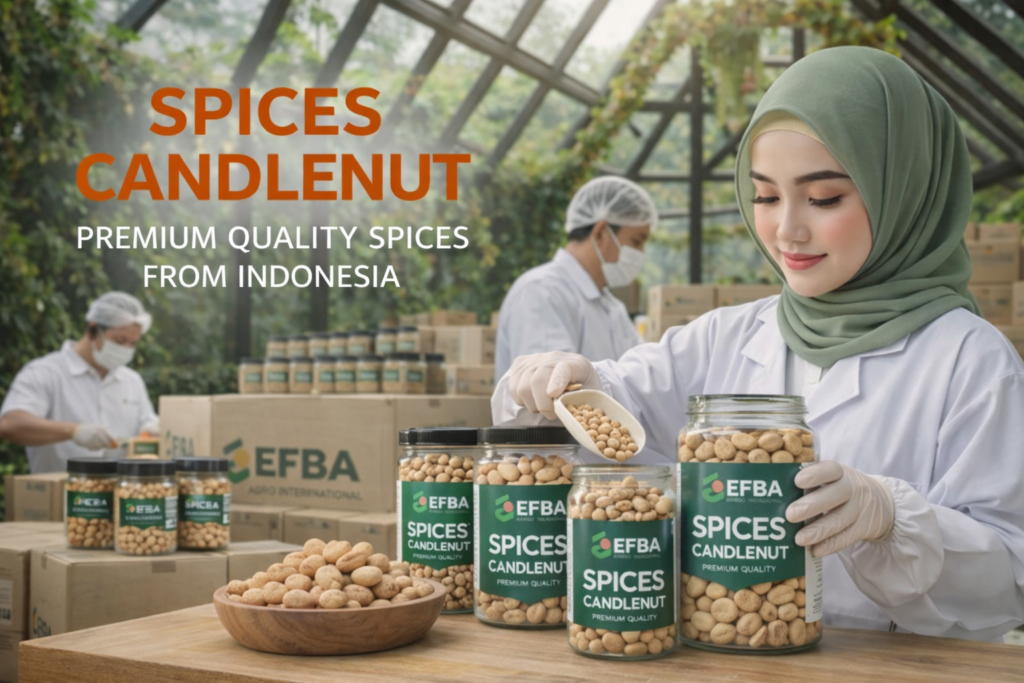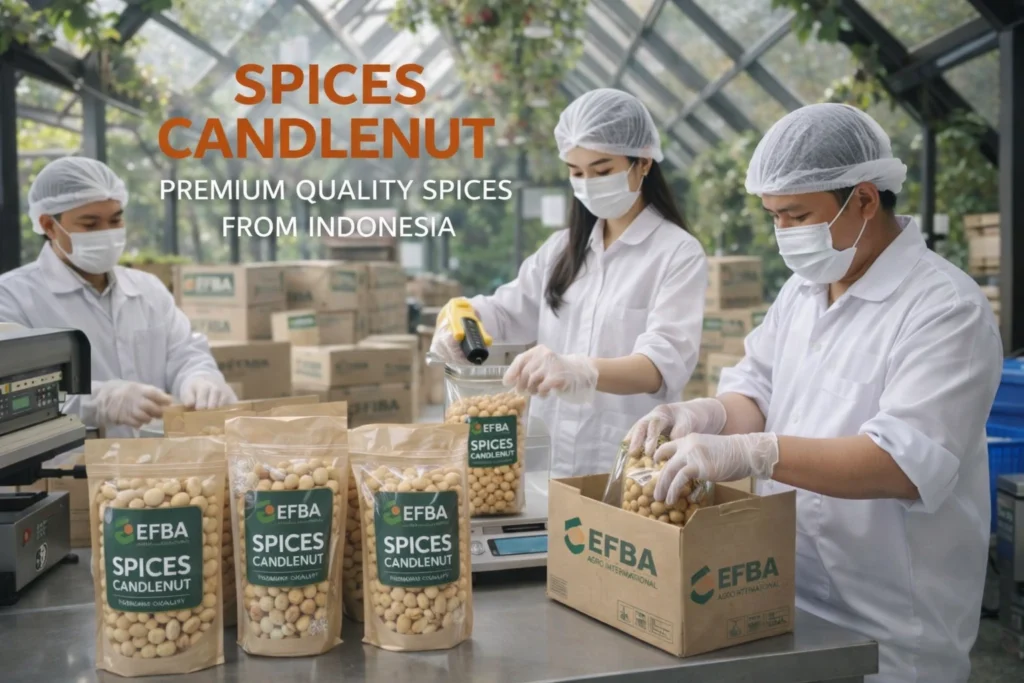
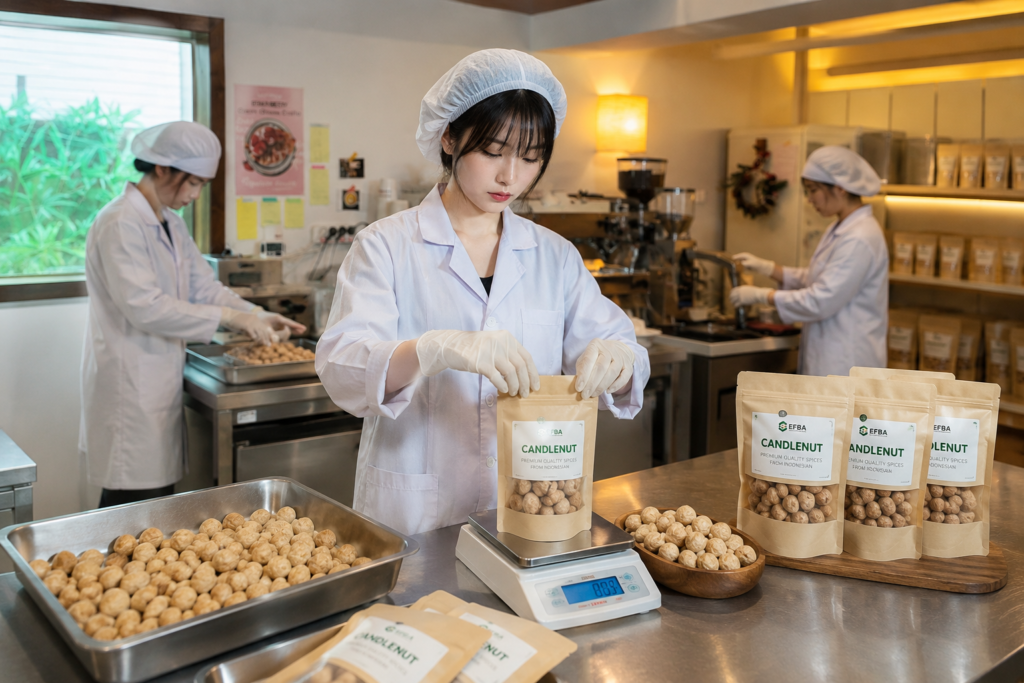
Buy Candlenut remains one of the strongest choices for food manufacturers, culinary brands, spice distributors, and ingredient importers that seek authentic tropical products with versatile functionality. Indonesian candlenut attracts international attention because it contains rich natural oil, smooth texture, balanced flavor, and stable processing quality for various culinary and industrial applications. Many global businesses now prefer natural ingredients that support clean label production while maintaining authentic taste and reliable consistency.
Indonesian farmers cultivate candlenut in fertile volcanic regions with tropical climates that encourage healthy kernel development and excellent oil concentration. This ingredient supports traditional recipes, modern food innovation, spice blends, seasoning pastes, sauces, bakery fillings, and plant based products across international markets. Moreover, culinary professionals value candlenut because it creates creamy consistency without overpowering surrounding ingredients. The global spice industry continues to expand rapidly, and candlenut maintains strong commercial relevance because consumers increasingly appreciate authentic Asian flavors and naturally processed ingredients with traditional agricultural origins.
Indonesian Candlenut Heritage and Traditional Culinary Identity
Indonesia has cultivated candlenut for centuries through agricultural traditions that connect farming communities with regional culinary culture. Farmers across Java, Sumatra, Sulawesi, and Kalimantan continue to grow candlenut trees because tropical rainfall, fertile soil, and warm temperatures create excellent conditions for stable production. Local communities historically used candlenut in ceremonial dishes, herbal preparations, family recipes, and spice pastes that supported everyday cooking traditions. Over time, regional cuisines transformed candlenut into a foundational ingredient that strengthened flavor depth and sauce texture in many savory dishes. International buyers now recognize the ingredient because Indonesian culinary influence continues to expand across global restaurant industries and packaged food markets.
Traditional cooking methods usually involve roasting or grinding candlenut with garlic, chili, turmeric, ginger, coriander, and aromatic herbs. This preparation creates thick seasoning bases that improve soups, curries, grilled meat marinades, seafood recipes, and vegetable dishes. Culinary experts appreciate the ingredient because it balances spicy flavors while creating smooth consistency and mild nuttiness. Furthermore, many chefs prefer Indonesian products because farmers preserve traditional harvesting and drying practices that maintain natural quality. Local producers usually collect mature nuts after natural falling periods, then they dry and clean the kernels carefully before commercial distribution.
Global importers continue to increase purchases because Indonesian suppliers provide strong production capacity and reliable export quality throughout the year. Many food businesses also value the cultural authenticity attached to Indonesian candlenut because modern consumers increasingly seek ingredients connected with real culinary heritage. As Asian cuisine grows across international markets, candlenut strengthens its commercial position through authenticity, functionality, and consistent agricultural availability. Buyers who prioritize natural tropical ingredients often select Indonesian candlenut because it combines tradition, quality, and versatile food industry potential in one dependable commodity.
Natural Oil Content and Nutritional Benefits for Modern Food Production
Candlenut contains high natural oil concentration that supports many commercial food applications and culinary processing systems. Food manufacturers frequently use this ingredient because it creates creamy texture, smooth mouthfeel, and balanced consistency without requiring excessive artificial stabilizers. The kernel naturally releases oil during grinding and cooking, which helps sauces, seasoning pastes, soups, and marinades achieve thicker and more appealing textures. Manufacturers also appreciate this functionality because modern consumers increasingly prefer products with recognizable ingredients and cleaner formulations. As demand for naturally processed foods continues to rise, candlenut provides practical advantages for companies that prioritize authenticity and ingredient transparency.
Beyond texture improvement, candlenut also offers valuable nutritional properties that strengthen its appeal in international food markets. The kernel contains healthy fats, plant based protein, dietary fiber, calcium, magnesium, phosphorus, potassium, and important micronutrients that contribute to balanced nutritional profiles. Many traditional Southeast Asian cuisines relied on candlenut not only for flavor enhancement but also for culinary nourishment and cooking versatility. Additionally, culinary professionals often combine the ingredient with herbs and spices because its mild flavor supports flavor integration without dominating surrounding ingredients.
Food developers continue exploring new applications because candlenut adapts easily to vegan products, frozen meals, seasoning powders, ready to cook sauces, and premium spice blends. Roasting techniques further enhance aroma and nuttiness, which increases consumer appeal in specialty culinary products. Meanwhile, proper moisture control remains important because low moisture levels preserve freshness and extend shelf stability during international transportation. Reliable suppliers usually apply careful sorting methods to maintain consistency in size, color, cleanliness, and oil concentration before shipment.
Several cosmetic industries also explore candlenut oil because its conditioning properties support hair treatments, soaps, and skincare products. This broader commercial flexibility strengthens long term demand across different industries. Consequently, businesses that seek functional tropical ingredients often choose candlenut because it combines nutritional value, processing adaptability, and authentic culinary identity in a highly competitive global ingredient market.
Expanding Culinary Applications Across International Food Industries
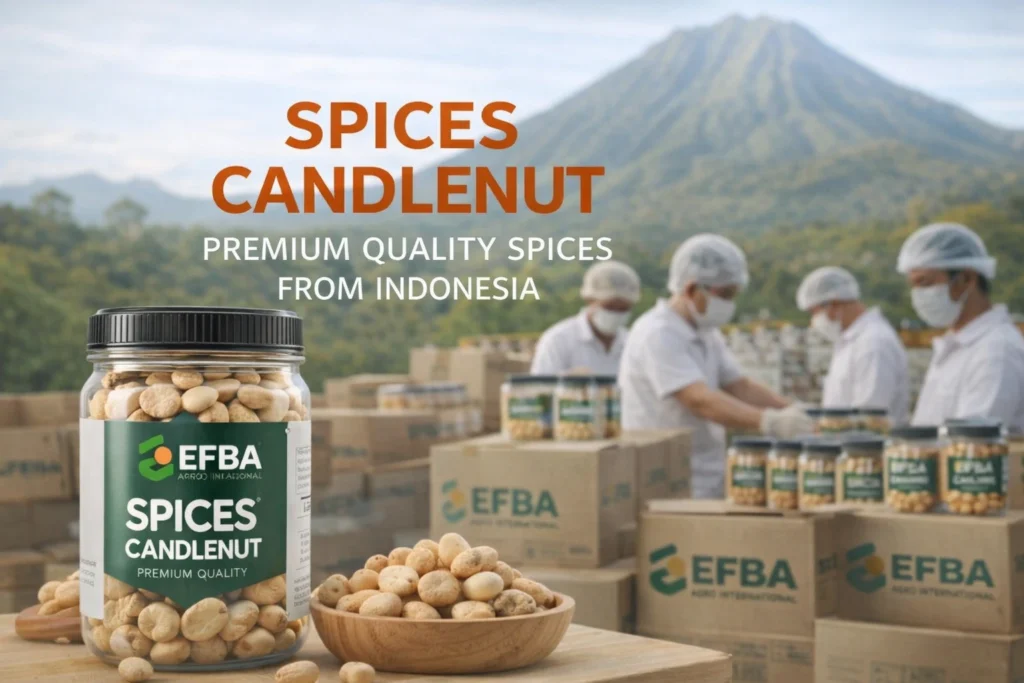
Global food industries continue expanding their use of candlenut because the ingredient adapts naturally to both traditional cuisine and modern food innovation. Many chefs rely on candlenut to create rich spice pastes for curries, soups, sambal, braised meat dishes, grilled seafood recipes, and slow cooked sauces. The ingredient improves texture while supporting balanced flavor development in savory preparations. Unlike overpowering nuts or seeds, candlenut delivers subtle richness that strengthens surrounding ingredients instead of dominating them. This characteristic allows culinary professionals to experiment with fusion cuisine, premium restaurant concepts, and packaged food products more creatively.
Modern food manufacturers now process candlenut into powdered seasonings, frozen sauce bases, ready meal components, and industrial spice mixtures for export markets. Several companies also include candlenut in bakery fillings, savory pastries, and specialty snack products because the kernel creates smooth consistency with light nutty depth. Furthermore, plant based food brands increasingly explore tropical ingredients with natural texture enhancing capabilities, and candlenut fits this demand effectively. Vegan sauce developers often use the ingredient to improve creaminess while maintaining clean label positioning and authentic flavor profiles.
International distributors continue increasing imports because consumers now explore Asian cuisine more actively through restaurants, online culinary platforms, and social media food trends. This growing curiosity encourages food businesses to introduce authentic Indonesian ingredients into broader markets. Moreover, reliable Indonesian suppliers understand export requirements, packaging standards, and quality control systems that support long distance distribution. Many exporters use vacuum sealed packaging and controlled moisture handling to preserve freshness during transportation and storage.
Candlenut also supports industrial flexibility because manufacturers can integrate the ingredient into different processing systems without complicated formulation changes. This practical advantage strengthens its commercial value for both small culinary businesses and large scale food production companies. As consumer demand for authentic ingredients continues rising worldwide, candlenut maintains strong market relevance through versatility, functionality, and cultural authenticity. Businesses that invest in high quality Indonesian products often gain better opportunities to meet evolving global food trends while maintaining product uniqueness and consistent ingredient performance.
Tropical Farming Conditions and Sustainable Agricultural Development
Indonesia offers highly favorable environmental conditions for candlenut cultivation because volcanic soil, balanced humidity, tropical sunlight, and regular rainfall support strong tree growth throughout multiple regions. Farmers traditionally cultivate candlenut alongside other tropical crops in mixed agricultural systems that preserve land productivity and support local biodiversity. This cultivation method helps communities maintain sustainable farming practices while protecting long term soil quality and agricultural stability. Moreover, many farming families continue passing cultivation knowledge from one generation to another, which strengthens production consistency and preserves traditional agricultural expertise.
Candlenut trees generally require limited chemical intervention because tropical ecosystems naturally support healthy growth conditions. Farmers usually monitor harvest maturity carefully to ensure kernels develop optimal oil concentration and balanced texture before processing begins. Mature nuts naturally fall from trees, then local workers collect, dry, clean, and sort them according to export quality requirements. This careful handling process protects flavor, appearance, and moisture stability during commercial distribution. Buyers often prioritize Indonesian products because suppliers consistently maintain reliable agricultural practices and practical post harvest management systems that support international food industry standards.
Sustainability also influences modern global purchasing decisions because food companies increasingly seek traceable ingredients from responsible agricultural sources. Indonesian candlenut producers continue adapting to these expectations by improving quality control procedures, packaging systems, and production transparency. Furthermore, sustainable cultivation helps rural communities strengthen economic opportunities while supporting long term agricultural resilience. Many international importers now value partnerships with suppliers that demonstrate stable production capacity alongside environmentally responsible farming methods.
Global markets continue rewarding authentic agricultural products with strong cultural and environmental connections. Candlenut benefits from this trend because consumers appreciate ingredients that reflect traditional farming heritage and natural production methods. As awareness regarding sustainable sourcing expands across food industries, Indonesian candlenut maintains competitive strength through agricultural reliability, tropical authenticity, and responsible cultivation practices. Buyers that prioritize quality and sustainability often prefer Indonesian suppliers because they combine traditional expertise with growing international export professionalism and dependable production continuity.
Product Quality Standards Buy Candlenut and Export Handling Excellence
International buyers carefully evaluate candlenut quality because food manufacturing requires stable ingredients with reliable processing performance and consistent appearance. Indonesian exporters understand these expectations clearly, therefore many suppliers apply detailed quality control procedures before shipment begins. Workers usually sort kernels based on size, color consistency, cleanliness, oil content, and moisture stability to ensure commercial suitability across different food applications. This process helps manufacturers reduce production inconsistencies while improving overall ingredient reliability for industrial processing systems.
Moisture control plays an essential role in preserving product freshness because excessive humidity can reduce shelf stability during storage and transportation. Professional exporters generally use controlled drying methods and secure packaging systems to protect candlenut from contamination and environmental exposure. Vacuum packaging and moisture resistant materials often support long distance export distribution more effectively because they maintain aroma, texture, and visual quality throughout shipment periods. Additionally, suppliers frequently conduct inspections before loading products for international markets to strengthen customer confidence and minimize delivery risks.
Strong communication also contributes significantly to successful international trade relationships. Many overseas buyers require detailed specifications, shipment schedules, packaging customization, and export documentation that supports smooth customs clearance. Reliable Indonesian suppliers usually provide responsive customer service because global food industries depend on accurate coordination and consistent logistics management. This professional approach strengthens long term business partnerships while improving operational efficiency for distributors, manufacturers, and culinary brands across different regions.
Global demand for authentic Asian ingredients continues increasing rapidly, therefore quality assurance becomes even more important in maintaining competitive market positioning. Buyers often prefer suppliers that demonstrate stable export performance and transparent sourcing practices because these factors reduce commercial uncertainty. Indonesian candlenut exporters continue strengthening their reputation by combining agricultural experience, quality consistency, and practical logistics management for international food industries. Consequently, businesses that source products from experienced Indonesian suppliers often gain stronger confidence regarding ingredient reliability, shipment security, and long term supply continuity in expanding global spice markets.
Strategic Buy Candlenut Insights and Long Term Market Positioning
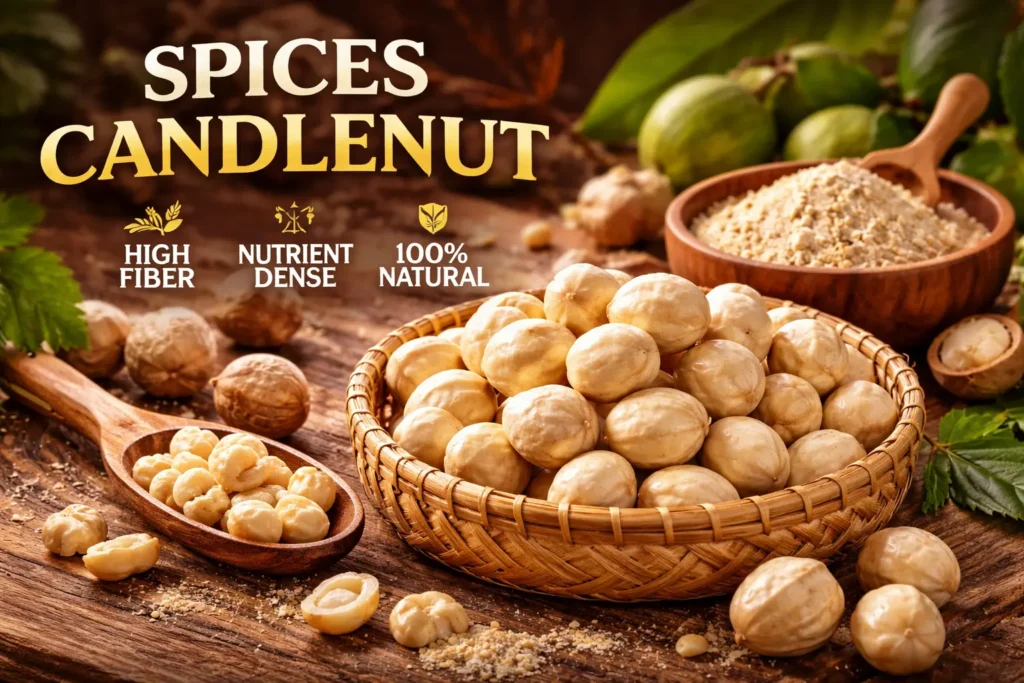
Strategic planning allows buyers to maximize the value of candlenut within competitive global markets. Understanding market cycles, demand trends, and regional supply variations helps businesses make informed purchasing decisions. Buyers who monitor these factors can secure better pricing and maintain consistent supply even during fluctuations in availability.
Building strong relationships with trusted suppliers remains essential for long term success. Direct collaboration ensures better communication, quality control, and flexibility in meeting specific requirements. Suppliers who understand buyer expectations can tailor their processes to deliver consistent results, which strengthens overall business performance.
Companies that consistently buy candlenut often explore opportunities for product differentiation by emphasizing quality, origin, and sustainability. Branding strategies that highlight these attributes attract consumers who value authenticity and transparency. This approach not only enhances market positioning but also supports premium pricing strategies.
Innovation also plays a key role in long term growth. Businesses that invest in research and development can discover new applications for candlenut, expanding its use across emerging industries. From functional foods to natural cosmetics, these innovations create additional demand and open new revenue streams.
EFBA Agro International: Your Trusted Gateway to Indonesia’s Finest Agricultural Commodities

EFBA Agro International stands as a premier export company dedicated to delivering Indonesia’s most valuable agricultural resources to global markets. With a strong commitment to quality, sustainability, and ethical sourcing, we operate as a bridge between Indonesia’s fertile lands and international buyers seeking premium-grade natural products.
Our expertise extends far beyond the supply chain of Wholesale Spices Candlenuts; it encompasses an integrated export ecosystem built on transparency, farmer empowerment, and global-standard processing. EFBA Agro International is recognized not only for providing premium Wholesale Spices Candlenuts but also for offering a diversified portfolio of Indonesian agricultural commodities.
Our philosophy is rooted in protecting Indonesia’s rich biodiversity while supporting sustainable livelihoods for local communities. By integrating technology-driven logistics, export-ready packaging, and quality control at every step, we position ourselves as a trusted partner for global importers seeking reliable, ethically produced, and high-value agricultural commodities.
One More: Why Global Importers Trust Efba Agro For buy Candlenut?
Powered by Efba Agro, bridges Indonesian farmers with global buyers through a transparent and efficient export system. Our network highlights key commodities such as candlenut, palm sugar, and tapioca flour, ensuring traceability, freshness, and sustainability. Partnering with us means receiving premium quality, fair pricing, and professional export support every step of the way.
Ready to Buy Candlenut from Indonesia?
Partner with Efba Agro today for sustainable, high-quality, and cost-efficient spice sourcing trusted by global importers.
👉 Contact us now via WhatsApp: [Click Here]
Our Premium Commodity Portfolio: Beyond Wholesale Spices Candlenut
FAQ Buy Candlenut
- How do buyers usually store candlenut for long term quality?
Most importers store candlenut in cool and dry warehouses with stable airflow. Proper storage protects the natural oil content and prevents moisture buildup. Additionally, sealed packaging helps maintain aroma, texture, and freshness during long distribution periods. - Why do food manufacturers prefer Indonesian candlenut?
Indonesian candlenut offers balanced oil concentration, smooth texture, and consistent kernel quality. Furthermore, Indonesian farmers cultivate the crop in fertile tropical regions that support healthy growth and stable harvest production for export industries. - Can candlenut support modern plant based food production?
Yes, many manufacturers use candlenut in vegan sauces, seasoning blends, and plant based meals because it creates creamy consistency naturally. As a result, producers can improve texture without relying heavily on synthetic additives.
- What makes premium candlenut different from standard quality products?
Premium candlenut usually contains cleaner kernels, lower moisture levels, stronger aroma, and more consistent sizing. Therefore, food companies often prefer premium grades because they improve processing efficiency and product stability.
- How does roasting influence candlenut flavor?
Roasting enhances the nutty aroma and deepens flavor complexity significantly. Moreover, controlled roasting creates richer taste profiles that work perfectly in curries, sauces, marinades, and traditional Southeast Asian spice preparations.
- Why does global demand for candlenut continue increasing?
Consumers increasingly seek authentic ingredients with natural functionality and traditional origins. Consequently, restaurants, food brands, and culinary distributors continue expanding candlenut usage in international food markets because it supports flavor, texture, and clean label trends naturally.