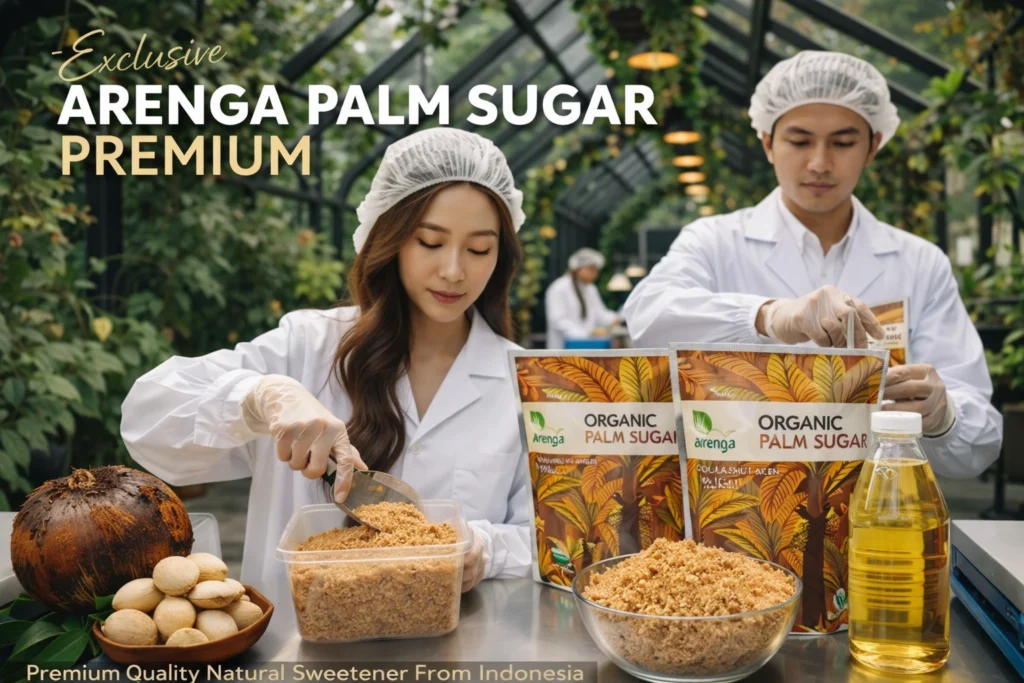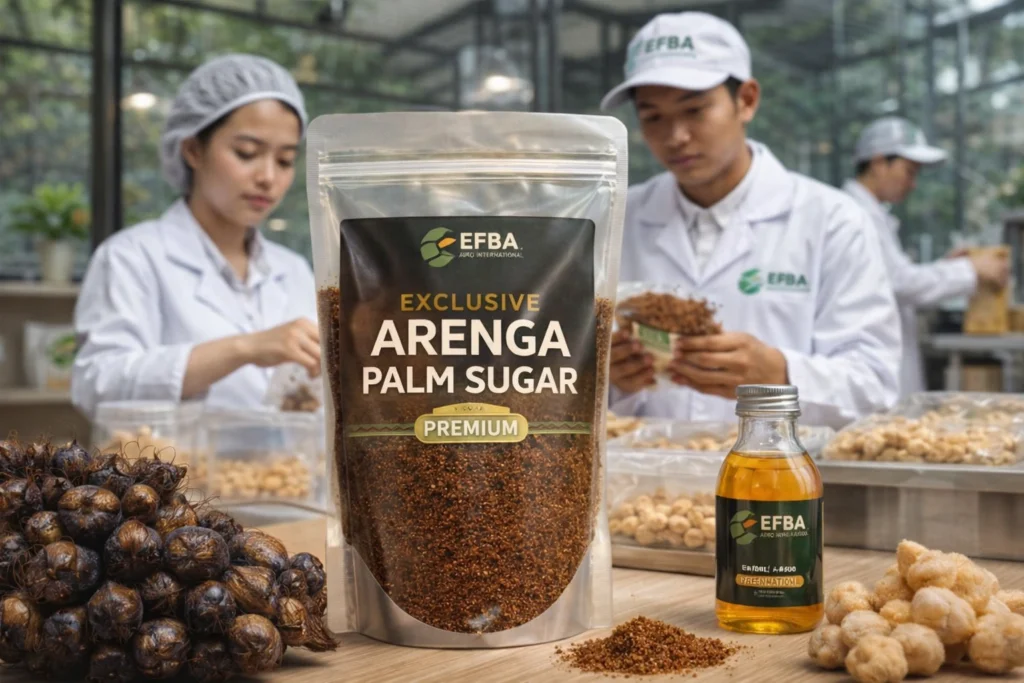
Beyond the White Crystal: The Organic Palm Sugar Sweetener
The global food and beverage industry in 2026 is experiencing a massive shift toward pure, unrefined ingredients. Modern consumers are reading ingredient labels more closely than ever before, actively avoiding heavily processed white sugars and artificial additives. Because of this change in consumer habits, food brands and product developers are looking for natural ways to deliver great taste while keeping their ingredient lists clean. This is exactly why premium organic palm sugar has become a standout ingredient for companies aiming to build long-term consumer trust.
However, moving toward cleaner ingredients requires navigating a highly competitive global market. Many purchasing teams try to source their raw materials through unverified middleman brokers who promise incredibly cheap upfront prices. Unfortunately, these short-term deals often backfire because the ingredients can be inconsistent, poorly dried, or even mixed with cheap fillers. Choosing premium organic palm sugar from a traceable, verified source with real upstream infrastructure control is the smartest way to protect your product quality and keep your automated production lines running smoothly throughout the year.
Technical & Sourcing Dynamics: Deconstructing the Unrefined Sugar Matrix
When we look at organic palm sugar, we are looking at a complex, natural ingredient filled with trace minerals, rich caramel aromas, and unique moisture properties. Unlike highly processed white sucrose, unrefined plant sugars behave differently when subjected to intense heat and mechanical mixing. Food engineering teams must understand these natural characteristics to ensure their recipes turn out perfectly every time. For instance, swapping out standard sweeteners for pure organic coconut sugar gives baked goods a wonderful texture, though it requires slightly different baking times due to its lower melting threshold.
It is also vital to understand the botanical differences between standard options like general coconut palm sugar and specialized tree saps. Subtle variations in the harvest can alter how the sugar dissolves or caramelizes under high factory heat. Choosing a certified, premium organic coconut palm sugar ensures that your automated systems receive a completely uniform grain size, which prevents unexpected machine blockages and keeps your production flow steady.
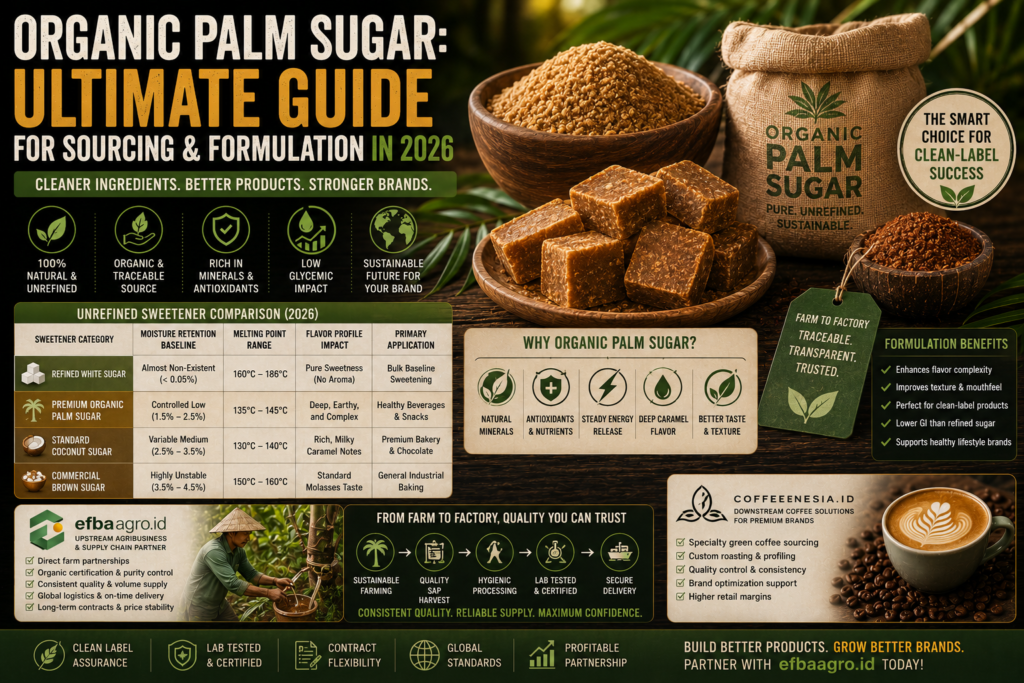
To help your development team understand how these unrefined options compare to standard commercial ingredients, we have summarized their core physical behaviors in the table below:
| Sweetener Category | Moisture Retention Baseline | Melting Point Range | Flavor Profile Impact | Primary Application |
| Refined White Sugar | Almost Non-Existent (< 0.05%) | 160°C – 186°C | Pure Sweetness (No Aroma) | Bulk Baseline Sweetening |
| Premium Organic Palm Sugar | Controlled Low (1.5% – 2.5%) | 135°C – 145°C | Deep, Earthy, and Complex | Healthy Beverages & Snacks |
| Standard Coconut Sugar | Variable Medium (2.5% – 3.5%) | 130°C – 140°C | Rich, Milky Caramel Notes | Premium Bakery & Chocolate |
| Commercial Brown Sugar | Highly Unstable (3.5% – 4.5%) | 150°C – 160°C | Standard Molasses Taste | General Industrial Baking |
This is why high-grade organic palm sugar behaves differently under pressure; it keeps its natural mineral integrity intact while delivering a rich, complex taste profile that consumers love.
Scaling Volume Allocations and Sourcing Security
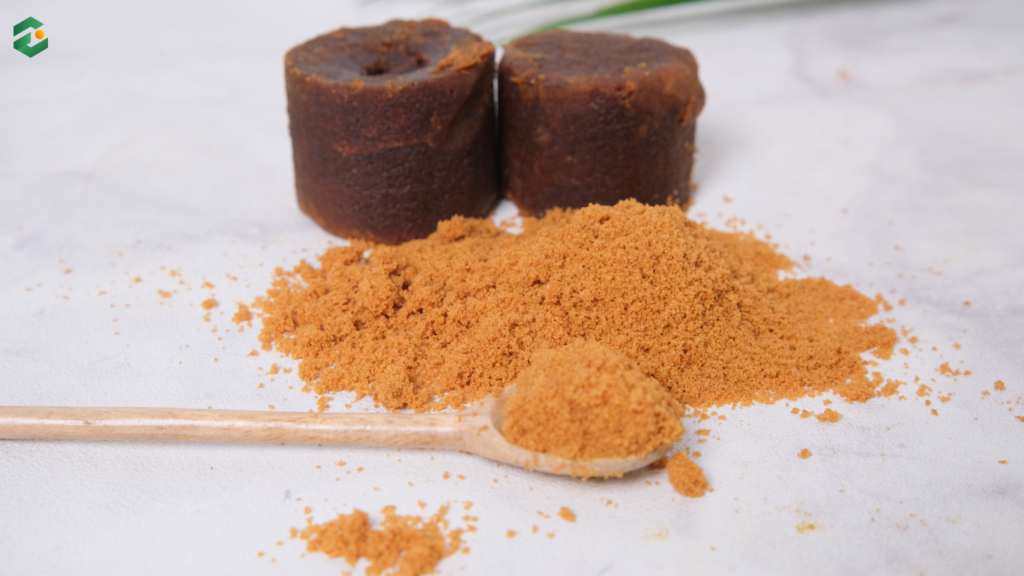
Ensuring a steady flow of organic palm sugar means moving away from unpredictable spot-market purchases and utilizing smart, long-term forward contracts instead. Weather changes can easily disrupt local harvests across equatorial farming zones, making it vital to secure your inventory directly with primary processors. Securing a reliable contract for coconut palm sugar bulk allocations helps keep your production schedules predictable and protects your business from sudden price jumps when regional supplies get tight.
Long-term commitments also help you get the most out of your shipping and manufacturing budgets. To keep your budget modeling perfectly accurate when buying organic palm sugar in large quantities, your team must carefully calculate the true dry-matter costs. Instead of looking only at the gross weight of the shipment, smart financial analysts subtract the potential moisture loss that naturally occurs during long sea voyages, ensuring you only pay for active sweetening solids rather than trapped water weight that evaporates during production.
It is also helpful to note the distinct differences between sourcing pure, traditional saps like coconut and palm sugar versus relying on commercial alternatives like brown sugar and palm sugar mixtures. Pure, direct-from-farm saps provide the absolute transparency needed for organic certifications, while pre-blended commercial sugars often contain refined additives that dilute your clean-label claims. Choosing a pure, unadulterated organic palm sugar pipeline protects your product’s nutritional integrity from the very start.
Upstream Synergy: Partnering with Efba Agro

Building a successful product line requires a smooth, uninterrupted connection between agricultural farms and your final manufacturing facility. At Efba Group, we specialize in making this connection as simple and reliable as possible. Through our agricultural platform at efbaagro.id, we work directly with local farming communities, run comprehensive purity checks, and manage the entire logistics chain from the ground up.
We help you secure top-tier organic palm sugar directly from the source, eliminating middleman confusion and ensuring every container matches your exact factory specifications. Partnering with a dedicated team allows you to stabilize your raw material costs, protect your ingredient purity, and focus on growing your brand with total peace of mind.
Driving Retail Margins: Premium Specialty Coffee Solutions via Coffeenesia.id

While securing a clean-label sweetener pipeline is a fantastic way to upgrade your food products, many global brands look for a broader agricultural strategy to boost their retail margins. If your business wants to source premium specialty coffees alongside your clean raw materials, coffeenesia.id serves as an excellent partner for brand optimization and sensory development.
From selecting high-grade green beans to calibrating exact roasting profiles, they help companies build premium beverage programs that stand out in the crowded modern marketplace. Keeping your agricultural inputs organized through trusted channels allows your business to scale up smoothly without losing focus on quality.
Conclusion & CTA
Incorporating organic palm sugar into your product lineup is a highly effective way to meet modern clean-label demands while delivering an exceptional taste experience. Taking control of your ingredient purity and securing your supply chain directly from the source is the ultimate path to long-term manufacturing success.
Let’s make your ingredient sourcing completely reliable this year. We invite your development teams and purchasing directors to connect with our consulting group at efbaagro.id to analyze your current formula needs and build a steady, high-quality organic palm sugar supply chain for the upcoming quarters.
FAQ (5 Strategic Financial & Sweetener Supply Chain Questions)
Why does organic palm sugar brown faster than refined white sugar during baking?
Pure organic palm sugar naturally contains complex invert sugars and trace minerals that lower its caramelization threshold. This means it will naturally develop a rich golden color and a deep caramel aroma at lower temperatures, which is excellent for creating an authentic, rustic look in premium baked goods.
What is the best way to store bulk unrefined sugars to prevent several clumping?
Because unrefined sugars are naturally hygroscopic, they easily absorb moisture from the surrounding air. To keep the granules free-flowing for your automated machinery, always store bulk containers in dry, climate-controlled environments with reliable humidity seals.
How do forward contracts help protect food brands from seasonal organic palm sugar shortages?
Setting up a long-term forward contract allows the processing mill to reserve your specific volume allocation long before the heavy tropical rainy seasons begin. This ensures your brand receives priority shipping status, keeping your factory running smoothly even when spot-market supplies dry up.