The Clean-Label Shift in Bulk Sourcing
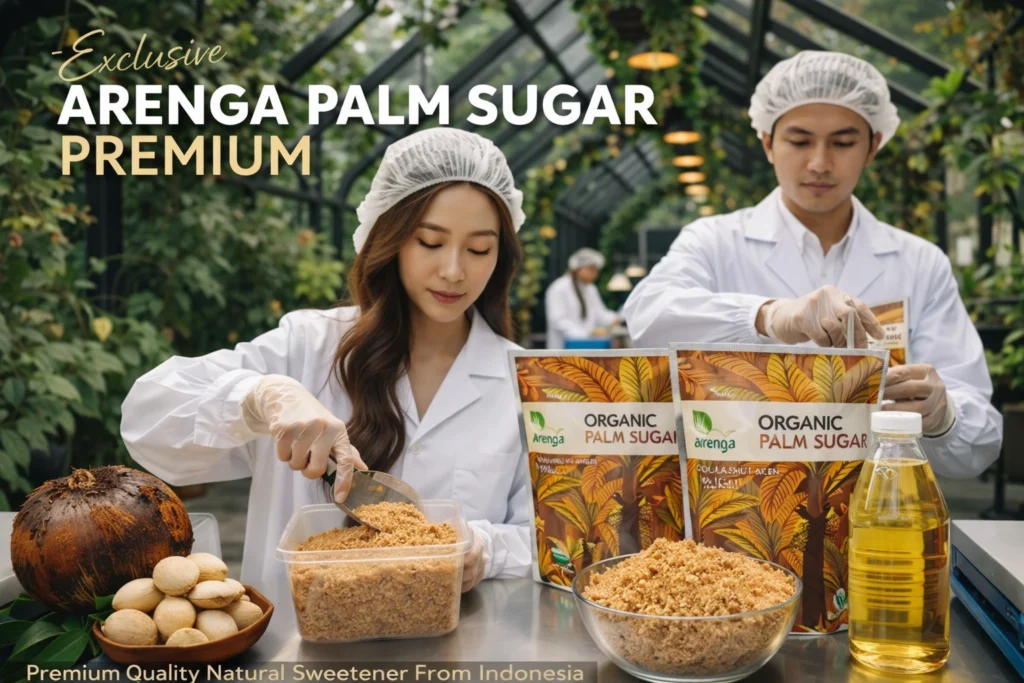
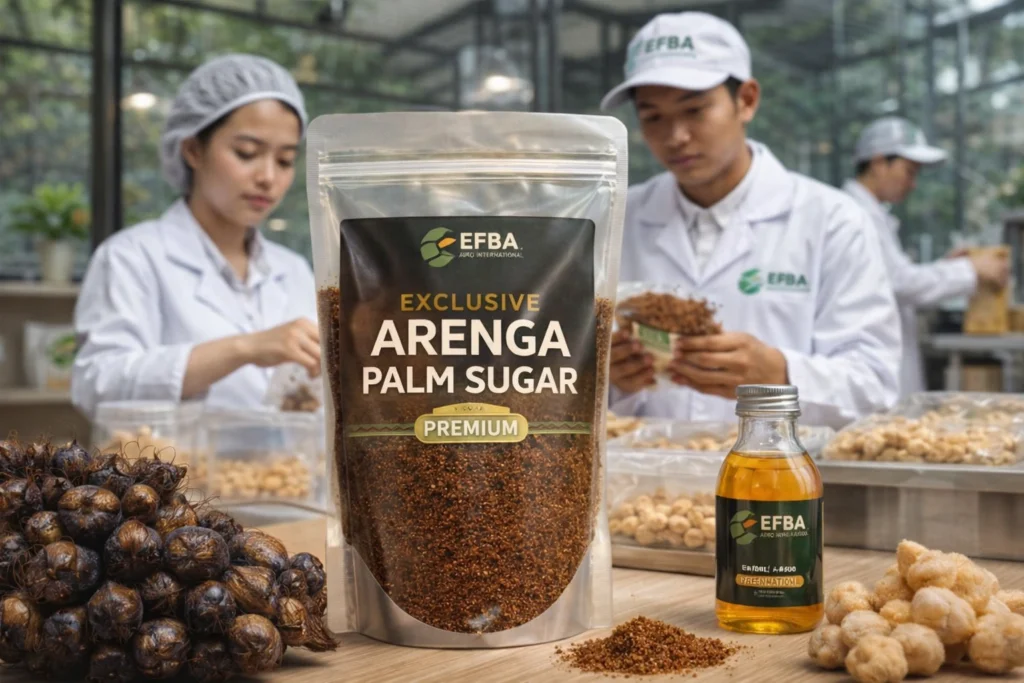
Let’s be completely real about the global food and beverage market in 2026. The mainstream consumer base has completely flipped the script on how they evaluate processed products. Shoppers are moving away from refined chemicals and artificial sweeteners at an unprecedented pace, transforming clean labels from a trendy marketing bonus into a baseline survival requirement for global brands. Because of this massive transformation, procurement directors and food technologists are heavily rewriting their recipe books to find options that look great on packaging and feel good to the body. This is exactly why sourcing high-quality bulk palm sugar has become a top priority for companies aiming to capture the commercial wellness space this year.
However, moving toward healthier, unrefined ingredients comes with a unique set of operational headaches that can catch even the most experienced purchasing teams off guard. Because the demand for natural sweeteners is skyrocketing, the market has become crowded with unverified middleman brokers and third-party consolidators. These transactional suppliers love to wave incredibly low upfront spot prices in front of purchasing teams to win quick contracts.
Unfortunately, falling for these cheap upfront quotes almost always results in a massive financial penalty downstream on the factory floor. These unverified networks frequently supply product that is secretly stretched out with refined white cane sugar, or batches that suffer from extreme variations in crystal size and quality. When these inconsistent ingredients enter your automated mixing lines, you face immediate disasters like premature clumping, uneven melting points, and formula variations that ruin your product’s signature taste.
Ultimately, trying to cut corners on your raw agricultural inputs without looking at the upstream infrastructure destroys your processing yields and inflates your Cost of Goods Sold. Locking in a verified, traceable bulk palm sugar pipeline with an asset-backed partner who controls the actual farm-gate collection and milling processes is the only viable path to protect your corporate gross margins. By building a secure, direct-from-source pipeline, we can insulate our production schedules from equatorial weather anomalies, ensuring our factories keep running smoothly while spot buyers are left empty-handed.
Technical & Sourcing Dynamics: Breaking Down the Bulk Palm Sugar Matrix
When your R&D teams look at replacing standard refined sweeteners with high-purity bulk palm sugar, they have to realize that unrefined options are entirely different physical assets. Refined white sucrose is chemically stripped down to be as uniform and dry as possible, which makes it highly predictable inside high-speed automated machinery. On the flip side, natural plant saps are complex, living matrices filled with natural invert sugars, organic acids, and essential trace minerals. If your automated production lines are calibrated purely for white sugar, introducing an unrefined option requires an analytical look at how these elements respond to intense mechanical heat and shear.
For example, when food scientists run trial runs, they quickly notice that different plant species alter everything from caramelization speeds to moisture retention. Swapping out your baseline sweetener for pure bulk organic coconut sugar delivers an incredible, milky-caramel note to gourmet chocolates and baked goods, though it requires tightly controlled oven temperatures due to its lower melting point.
The physical realities of choosing a premium coconut palm sugar bulk option over cheap, commercial alternatives come down to grain uniformity and mechanical performance. If your bulk sugar arrives with inconsistent particle distributions, it won’t dissolve at a uniform speed inside your industrial cooking vats, leading to localized scorching and ruined batches.
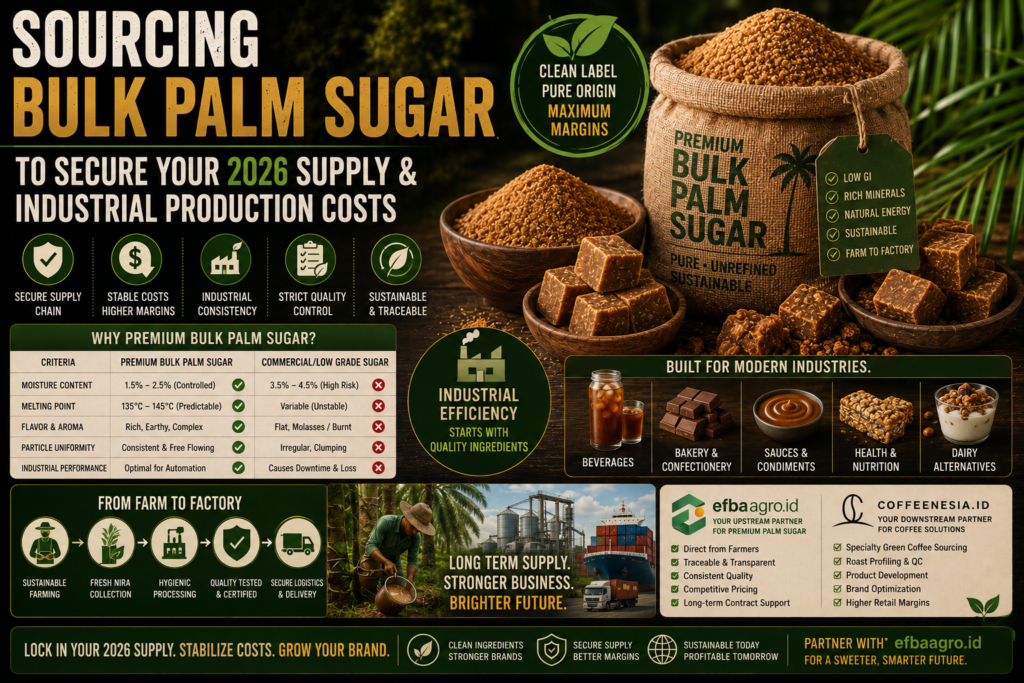
To help your engineering and purchasing teams visualize how these natural alternatives perform under intense factory conditions, we have summarized the core operational variables of bulk ingredients in 2026:
| Sweetener Category | Moisture Retention Profile | Melting Point Behavior | Taste & Aroma Impact | Primary Industrial Use Case |
| Industrial White Sugar | Non-Hygroscopic (< 0.05%) | 160°C – 186°C (High & Stable) | Pure Sweetness (No Aroma) | Standard Bulk Sweetening |
| Premium Organic Bulk Palm Sugar | Controlled Low (1.5% – 2.5%) | 135°C – 145°C (Predictable) | Earthy, Deep, and Complex | Healthy Beverages & Sauces |
| Standard Coconut Sugar | Medium Hybrid (2.5% – 3.5%) | 130°C – 140°C (Low Threshold) | Light Caramel & Milky Notes | Premium Bakery & Confectionery |
| Commercial Brown Sugar | Highly Unstable (3.5% – 4.5%) | 150°C – 160°C (Flash-Off) | Standard Molasses Accent | General Industrial Baking |
We love to educate our partners on these technical nuances because understanding the raw data is the secret to avoiding costly factory downtime. When you secure a premium grade of bulk palm sugar, you aren’t just buying sweetness; you are buying mechanical predictability that preserves your automated flow and keeps your packaging lines moving without constant maintenance stops.
Strategic Volume Planning and Wholesale Security
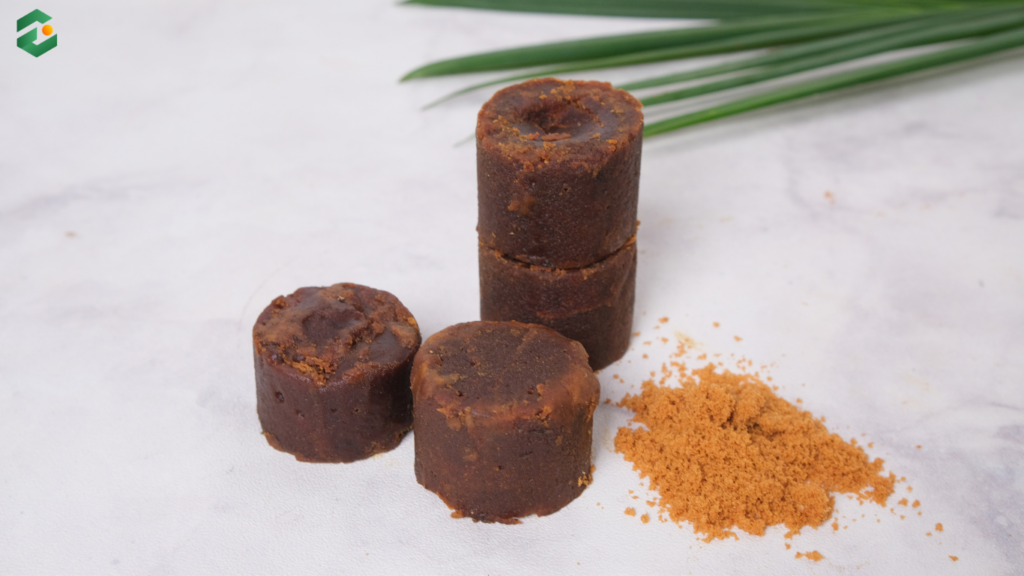
Protecting your brand from market volatility in 2026 demands highly sophisticated, forward-thinking contractual frameworks. As unpredictable monsoon patterns continue to disrupt agricultural belts across Southeast Asia, waiting around to buy your raw materials on the spot market is an unacceptable risk to your business operations. Executing long-term volume allocations of bulk palm sugar directly with primary processors allows multinational brands to lock in their inventory months in advance, neutralizing sudden price spikes when regional crops are short.
A primary advantage of structured forward contracts is the optimization of your Minimum Order Quantities. High-volume, multi-quarter commitments allow upstream processing mills to balance their manufacturing schedules, which drastically drives down the per-unit processing and logistics costs.
However, volume optimization is completely meaningless if your financial analysts fail to account for how dry-matter shrinkage and natural moisture loss affect your actual recipe yields during long ocean voyages. To evaluate your true costs accurately without getting bogged down in confusing math, your finance team must use a straightforward plain-text calculation.
Specifically, they need to take the total landed cost per container, adjust it by the verified sweetness level of the batch, and then divide that figure by the actual weight of the dry sugar solids left after subtracting the moisture loss percentage. By mapping out your costs this way, your corporate financial officers can quickly see that investing in a verified, high-purity bulk palm sugar contract saves a massive amount of capital over time compared to buying wet, low-grade alternatives that evaporate during production.
Furthermore, establishing a direct palm sugar wholesale pipeline provides massive operational benefits by letting you bypass the expensive markups of third-party distributors and brokers. This direct-to-mill connection gives your brand priority processing status during peak harvesting windows, ensuring your containers are loaded and shipped on time.
It also gives you full visibility over the botanical purity of your sugar, which is a major advantage when compared to commercial distribution networks that sell cheap, pre-blended mixtures. These low-grade commercial options are often combinations of brown sugar and palm sugar sweepings that are stretched with molasses, completely disqualifying your final product from clean-label organic certifications and breaking trust with your customers.
Upstream Synergy: Partnering with Efba Agro

Building a highly profitable food brand or scaling up a commercial facility requires a flawless, transparent alignment between upstream agricultural procurement and downstream factory execution. When these two pieces of your business are disconnected, your company ends up suffering from unexpected lead-time delays, volatile purity metrics, and frustrating margin dilution. Transitioning your brand to a healthier sweetener framework requires a supportive, asset-backed partner who can eliminate the friction from your logistics pipeline.
At Efba Group, we solve this exact supply chain challenge through our fully integrated agribusiness logistics platform at efbaagro.id. Operating as your strategic upstream partner, we manage everything from farm-gate quality audits to comprehensive laboratory purity testing and institutional volume distributions. By taking direct control of the processing warehouses and implementing strict moisture-isolation systems, we insulate your bulk palm sugar pipeline from environmental shocks and broker inflation.
Partnering with a tech-backed agribusiness engine ensures that your raw materials are secured at optimized asset values right from the source, while your manufacturing teams benefit from flawless quality control and predictable delivery schedules. We take the middleman chaos out of the equation so your brand can focus on what it does best: creating exceptional products that win the marketplace.
Driving Retail Margins: Premium Specialty Coffee Solutions via Coffeenesia

While securing a clean-label sweetener pipeline is an excellent way to upgrade your food and beverage formulations, many global networks require a multi-commodity strategy to maximize their retail floor margins. If your organization wants to secure premium specialty coffees alongside your raw agricultural inputs, coffeenesia.id serves as our dedicated downstream solution for sensory engineering, custom roasting profiles, and brand optimization.
From evaluating high-grade green coffee beans to managing strict international quality control matrices, they transform premium crops into market-ready retail assets that protect your brand equity. Separating your core agricultural bulk inputs from specialized downstream cafe products allows you to keep both supply pipelines running smoothly without diluting your main manufacturing focus or straining your corporate working capital.
Conclusion & CTA
Scale-driven manufacturing success in 2026 belongs exclusively to organizations that master upstream risk mitigation and bypass transactional spot-market brokers. Relying on short-term discounts from unverified middleman networks is a direct threat to your corporate gross margins and your brand’s clean-label promises. Shifting from an unverified source to a strategic bulk palm sugar supplier with fully integrated infrastructure control is the only viable path to long-term profitability.
Secure Your 2026 Volume Allocations. Protect your brand equity and stabilize your corporate costs before seasonal weather shifts impact the upcoming harvest cycles. We invite your Procurement Directors, Food Technologists, and Corporate Executives to connect with our consulting team at efbaagro.id today to analyze your current recipe costs and build a healthier, more reliable supply chain for the future.
FAQ (5 Strategic Financial & Sweetener Supply Chain Questions)
How do the crystallization temperatures of bulk palm sugar impact large-scale confectionery cooking?
Pure bulk palm sugar naturally contains complex invert sugars and organic minerals that cause it to melt and caramelize at a significantly lower temperature threshold than standard white sucrose. Your production engineers must lower the cooking temperatures on your automated lines slightly and extend the mixing cycles to prevent the formula from scorching or darkening too quickly inside your automated vats.
What are the direct industrial shelf-life implications when substituting standard brown sugar with unrefined alternatives?
Unrefined alternatives love water and absorb moisture from the surrounding air much faster than standard industrial white sugars. To prevent severe caking and clumping inside your factory storage bins, your packaging team must utilize high-quality moisture-barrier films and store the raw material in dry, climate-controlled environments before processing.
How can procurement teams use forward contracts to hedge against climate-driven sap drops in Southeast Asia?
Signing a long-term forward contract allows your purchasing team to lock in a guaranteed volume allocation and a fixed base price well before the heavy tropical rainy seasons begin. This forces the processing mill to prioritize your orders over spot-market buyers, keeping your production schedules predictable even when local sap collection is limited by bad weather.