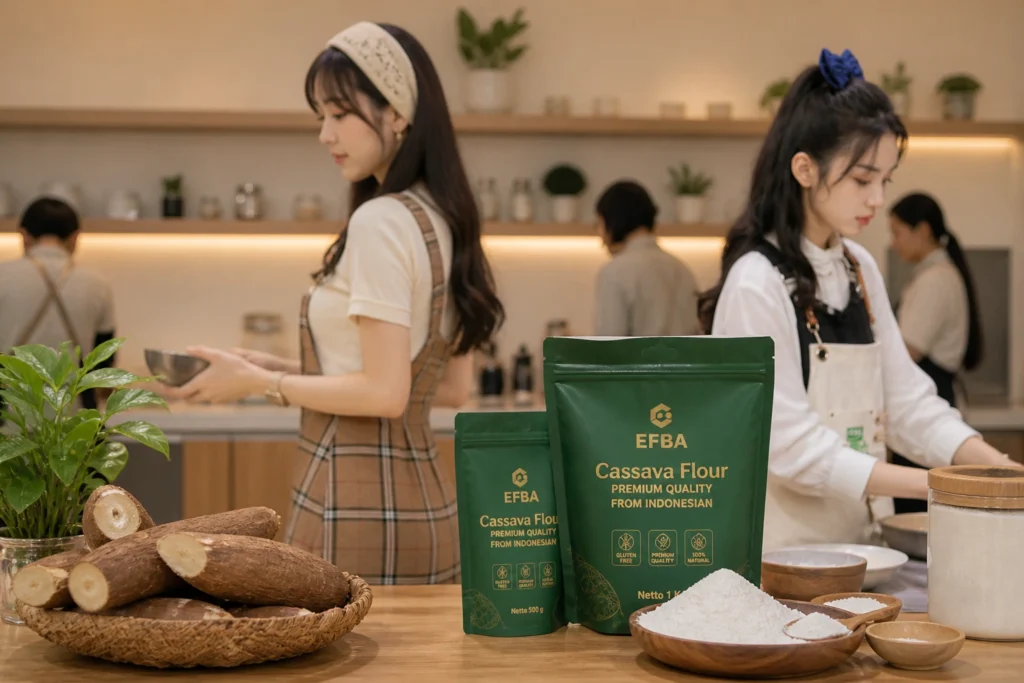

Cassava Supplier plays a central role in bringing one of the most adaptable root crops into modern food systems while meeting the growing demand for natural, resilient, and sustainable ingredients. As global consumers shift toward cleaner labels and gluten-free alternatives, cassava continues to gain attention not only for its versatility but also for its cultural and nutritional significance across continents. This root crop, often underestimated in industrial narratives, quietly supports millions of households while also entering contemporary food innovation spaces where natural ingredients dominate product development.
Its presence spans traditional kitchens and modern manufacturing lines, forming a bridge between heritage and progress that continues to evolve. Understanding cassava requires more than a simple definition because its impact stretches from agriculture to nutrition, from food security to culinary creativity, and from rural economies to global supply chains that demand consistency and quality.
Understanding Origin and Cultural Roots
Cassava originates from tropical regions of South America, where indigenous communities first cultivated and refined its use through generations of knowledge and observation. Over time, explorers and traders introduced cassava to Africa and Asia, where it adapted quickly to diverse climates and became deeply embedded in local food systems.
Today, countries such as Indonesia, Thailand, and Nigeria rely heavily on cassava as a staple crop that supports both daily consumption and economic stability. Its ability to thrive in less fertile soil and withstand drought conditions allows farmers to depend on it even when other crops struggle, creating a reliable agricultural foundation in regions facing environmental uncertainty. This historical journey illustrates how cassava transformed from a regional crop into a global resource that continues to support millions of livelihoods.
In modern food systems, the presence of a cassava supplier connects traditional cultivation with contemporary market demands, ensuring that cassava reaches a broader audience without losing its authenticity. Communities across continents continue to prepare cassava using methods that reflect their cultural identities, turning it into staple dishes that carry both nutritional and symbolic value.
At the same time, industries incorporate cassava into innovative products that align with current consumer preferences for natural and sustainable ingredients. This balance between tradition and innovation strengthens cassava’s global relevance, allowing it to remain a vital component of evolving food systems. As demand continues to grow, cassava maintains its position as a crop that represents resilience, adaptability, and cultural continuity in a rapidly changing world.
Defining Cassava as a Staple Crop
Cassava stands as a staple crop that provides essential nourishment for millions of people, particularly in tropical regions where it grows abundantly and consistently. The plant produces tuberous roots rich in starch, which serve as a primary energy source that supports daily activities and sustains communities over long periods. Its physical structure includes a woody stem, broad leaves, and underground roots that store nutrients efficiently, enabling it to survive in conditions that might limit other crops. Farmers appreciate cassava for its reliability because it requires relatively low maintenance while still delivering dependable yields. This combination of efficiency and resilience makes cassava a practical choice in agricultural systems that prioritize stability and sustainability.
Within global supply networks, a cassava supplier plays a crucial role in ensuring that this staple crop remains accessible to diverse markets while maintaining its natural quality and integrity. Cassava’s neutral flavor enhances its adaptability, allowing it to blend seamlessly into various culinary applications without overpowering other ingredients. Consumers increasingly recognize its value as a gluten-free alternative, particularly in regions where dietary preferences continue to evolve toward healthier and more inclusive options. This growing awareness reinforces cassava’s position as a foundational ingredient that supports both traditional diets and modern innovations. As food systems expand and diversify, cassava continues to demonstrate its importance by offering a reliable, natural, and versatile solution for meeting global nutritional needs.
Exploring Physical Characteristics and Structure By Cassava Supplier
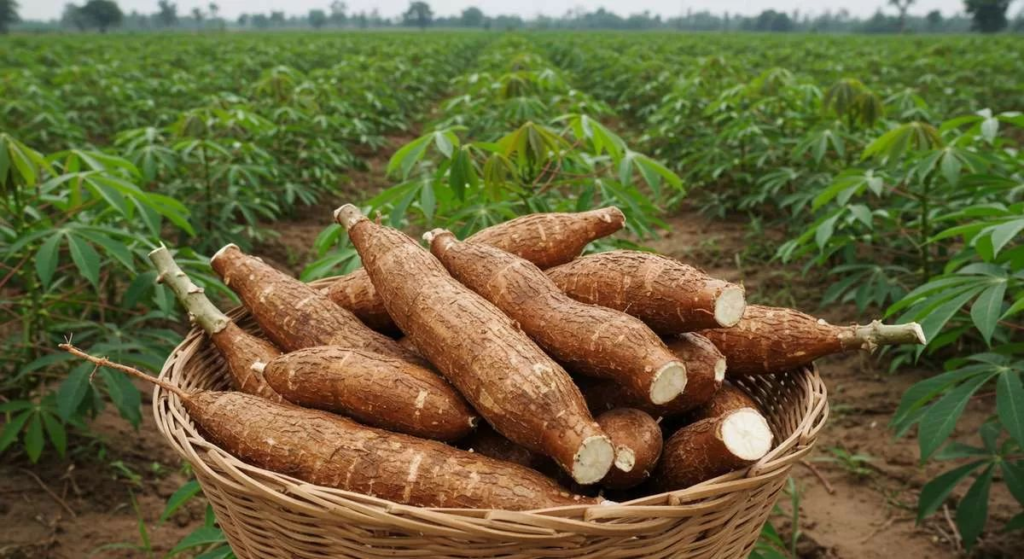
Cassava exhibits distinct physical characteristics that make it both recognizable and highly functional as a food source across different regions. The root typically appears elongated and cylindrical, covered with a rough brown outer layer that protects the dense, starchy interior. Once peeled, the inner flesh reveals a firm texture that softens significantly when cooked, transforming into a smooth and palatable consistency that suits various culinary preparations. The plant itself grows as a shrub that can reach heights of several meters, with leaves that also serve as an additional nutritional resource in many traditional dishes. This dual-purpose nature increases its value, as both roots and leaves contribute to dietary needs and agricultural efficiency.
In agricultural and commercial contexts, a cassava supplier often highlights these structural features to emphasize the crop’s practicality and wide-ranging usability. The density of cassava roots makes them suitable for multiple processing methods, while their durability allows for easier handling and transportation compared to more delicate produce. Additionally, cassava roots can remain in the ground for extended periods without significant quality loss, effectively acting as a natural storage system that provides flexibility for farmers. These characteristics collectively support cassava’s role as a reliable crop that aligns with both traditional farming practices and modern supply chain requirements. Its structure not only defines its identity but also enhances its contribution to sustainable food systems worldwide.
Nutritional Composition and Daily Value
Cassava provides a strong nutritional foundation that supports daily energy requirements, primarily due to its high carbohydrate content, which fuels physical activity and sustains metabolic processes. It contains essential micronutrients such as vitamin C, which contributes to immune health, and manganese, which supports bone development and enzymatic functions within the body. Although cassava does not serve as a major protein source, it complements other foods that provide protein, creating balanced meals when combined effectively. Its dietary fiber content also aids digestion, promoting gut health and supporting overall well-being in everyday diets. This nutritional profile makes cassava a valuable addition to food systems that prioritize both energy and accessibility.
From a supply perspective, a cassava supplier ensures that these nutritional benefits reach consumers while maintaining proper handling and preparation standards. Cassava requires appropriate processing methods to remove naturally occurring compounds, and traditional techniques such as boiling or fermenting effectively make it safe for consumption. Once prepared correctly, cassava becomes a dependable food source that supports a wide range of dietary needs. Its gluten-free nature further enhances its appeal, particularly among individuals seeking alternatives to conventional grains. As awareness of healthy eating continues to grow, cassava remains a practical option that combines nutritional value with versatility, allowing it to integrate seamlessly into modern lifestyles and diverse culinary practices.
Natural Attributes That Shape Modern Food Systems
Cassava offers a set of natural attributes that strengthen its role in modern food systems and contribute to its growing global relevance. One of its most significant qualities lies in its naturally gluten-free composition, which makes it suitable for a wide range of dietary preferences and specialized food products. Its high carbohydrate content provides a reliable source of energy, supporting populations that depend on accessible and nutrient-dense foods. Additionally, cassava demonstrates remarkable resilience, thriving in conditions where many crops cannot survive, which enhances food security in regions affected by climate variability. Its versatility allows it to transform into various food products, from simple meals to complex culinary creations that reflect both tradition and innovation.
Within this evolving landscape, a cassava supplier plays a key role in delivering these attributes to markets while preserving the crop’s natural integrity. Cassava’s adaptability encourages food producers to explore new applications that align with changing consumer expectations, particularly in the context of sustainability and health consciousness. Its cultivation requires fewer resources compared to many other crops, reducing environmental impact while maintaining productivity. These combined attributes position cassava as a future-ready ingredient that supports both agricultural resilience and culinary creativity. As food systems continue to evolve, cassava stands out as a natural solution that bridges the gap between traditional practices and modern demands.
Varieties and Regional Differences
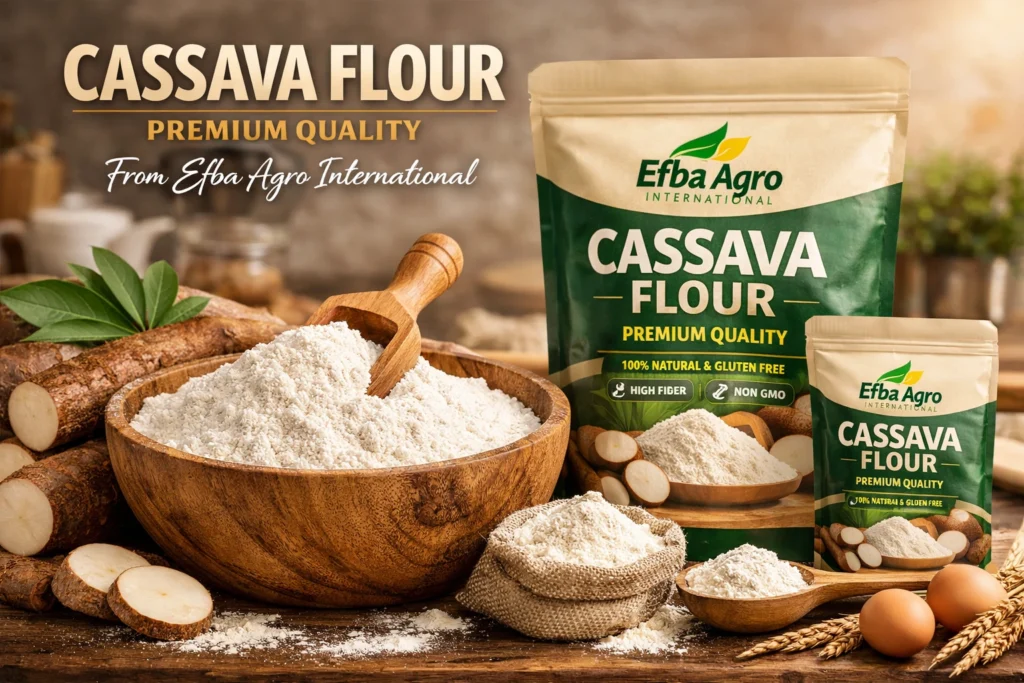
Cassava Supplier exists in multiple varieties that influence its preparation, flavor, and application across different regions. The two primary categories, commonly known as sweet and bitter cassava, differ mainly in their natural compound levels and required processing methods. Sweet cassava contains lower concentrations of these compounds, allowing for simpler preparation techniques such as boiling or roasting. In contrast, bitter cassava requires more extensive processing to ensure safety, but it often yields a higher starch content that makes it valuable for various uses. These distinctions highlight the importance of understanding cassava’s diversity in order to utilize it effectively in both culinary and industrial contexts.
Across global markets, a cassava supplier recognizes these variations and ensures that each type meets the appropriate application and consumer expectation. Regional preferences also shape how cassava is used, as different cultures develop unique preparation methods and recipes that reflect their traditions. In some areas, cassava Supplier forms the foundation of daily meals, while in others, it contributes to specialty foods that carry cultural significance. This diversity demonstrates cassava’s ability to adapt to different environments and culinary practices, reinforcing its global importance. By accommodating regional differences, cassava continues to support both local identities and international food systems in a balanced and meaningful way.
Culinary Uses and Everyday Applications
Cassava plays an essential role in everyday consumption by offering a wide range of culinary possibilities that cater to diverse tastes and traditions. People commonly prepare cassava by boiling, frying, or baking it, creating dishes that serve as staples in many households around the world. Its neutral flavor allows it to pair well with various ingredients, making it suitable for both savory and sweet recipes. Beyond direct consumption, cassava can be processed into flour, starch, and other derivatives that expand its usability in modern kitchens and industrial food production. This versatility ensures that cassava remains relevant across different culinary contexts and dietary preferences.
In the broader supply chain, a cassava supplier helps extend these applications to global markets, enabling more people to access cassava-based products. Cassava flour, for example, provides a gluten-free alternative for baking, allowing consumers to create bread, cakes, and pastries without relying on traditional grains. Meanwhile, cassava starch serves as a thickening agent in soups, sauces, and desserts, enhancing texture and consistency in various dishes. Its adaptability encourages innovation, allowing chefs and food manufacturers to experiment with new recipes and product formulations. As culinary trends continue to evolve, cassava maintains its position as a versatile ingredient that supports both tradition and creativity.
Health Benefits and Functional Advantages Of Cassava Supplier
Cassava Supplier contributes to overall health by providing a combination of energy, essential nutrients, and functional benefits that align with modern dietary needs. Its carbohydrate content supplies the energy required for daily activities, while its vitamins and minerals support key bodily functions such as immunity and metabolism. The presence of dietary fiber aids digestion, promoting a balanced internal system that contributes to long-term wellness. Additionally, cassava’s gluten-free nature makes it suitable for individuals with specific dietary restrictions, offering a safe alternative without compromising taste or versatility in food preparation.
Within this context, a cassava supplier ensures that these health benefits remain accessible by maintaining consistent quality and proper handling practices. The preparation of cassava plays a crucial role in maximizing its nutritional value, as traditional methods effectively remove unwanted compounds and enhance safety. Beyond physical health, cassava also supports social well-being by serving as a reliable food source in communities where food security remains a priority. Its role extends beyond nutrition, contributing to stability and resilience in both individual and collective contexts. As awareness of balanced diets continues to grow, cassava offers practical advantages that support healthier and more sustainable lifestyles.
Integration into Modern Dietary Trends Of Cassava Supplier
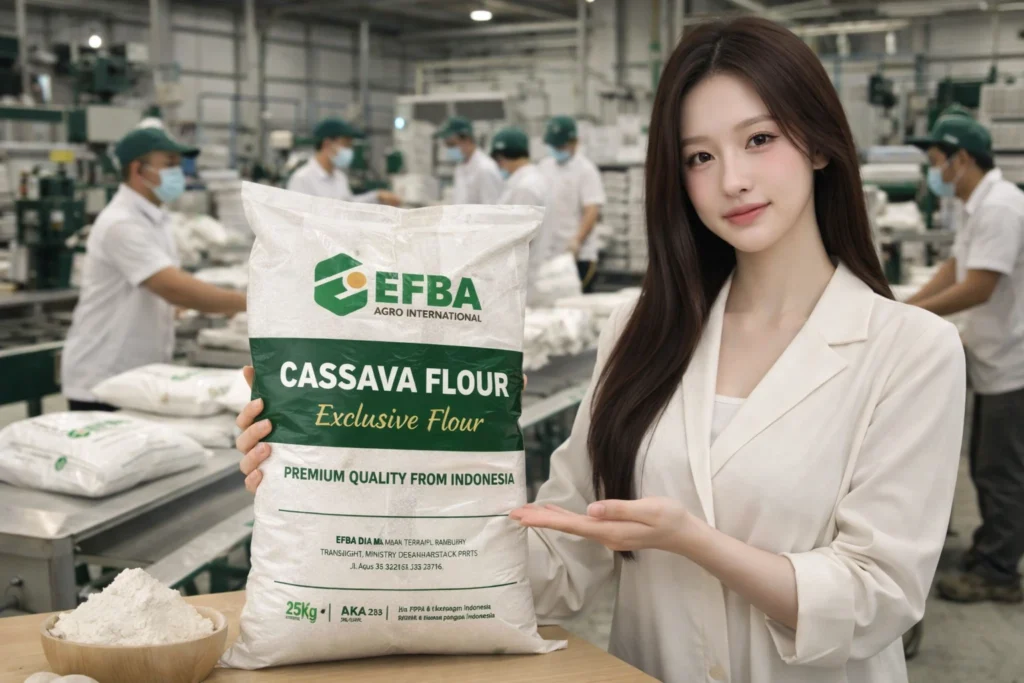
Modern dietary trends emphasize natural ingredients, functional nutrition, and inclusivity, all of which align closely with the characteristics of cassava. Consumers increasingly seek foods that are free from common allergens while still delivering taste and nutritional value, and cassava meets these expectations effectively. Its gluten-free nature makes it particularly appealing to individuals with dietary restrictions, while its versatility supports a wide range of culinary applications that fit into diverse eating patterns. As awareness of health and wellness grows, cassava continues to gain popularity as a reliable ingredient that supports balanced diets.
In this evolving landscape, a cassava supplier plays an important role in ensuring that cassava-based products remain accessible and consistent in quality. Food producers depend on reliable sourcing to meet the expectations of consumers who prioritize transparency and sustainability. Cassava’s integration into modern diets reflects a broader movement toward ingredients that offer both functional benefits and cultural authenticity. By bridging traditional uses with contemporary preferences, cassava Supplier continues to expand its presence in global markets, reinforcing its relevance in shaping future dietary trends.
EFBA Agro International: Kalite, Dürüstlük ve Uzun Vadeli İş Birliği Üzerine Kurulu Küresel Bir Tedarikçi

EFBA Agro International EFBA Agro International, dünya genelindeki gıda üreticilerine, distribütörlere ve endüstriyel şirketlere hizmet veren, Endonezya’nın en güvenilir tarımsal ihracatçılarından biri haline gelmiştir. Şeffaflık, kalite güvencesi ve uzun vadeli iş birliği temeli üzerine kurulan EFBA Agro, küresel tedarik zincirlerinin değişen ihtiyaçlarını desteklemek üzere tasarlanmış bir emtia portföyü sunar. Gıda üretimi veya endüstriyel uygulamalarda Manyok Unu’na temel bir bileşen olarak güvenen alıcılar için EFBA Agro, yalnızca tutarlı kalite değil, aynı zamanda her sevkiyatın uluslararası standartları karşıladığına dair güven de sağlar. Kaynak ağımız Endonezya’nın birden fazla tarımsal bölgesine yayılmıştır ve alıcılara istikrarlı üretim, net dokümantasyon ve küresel satın alma sistemleriyle uyumlu ihracata hazır ambalajlar sunar. Toptan Manyok as a core ingredient in food production or industrial applications, EFBA Agro provides not only consistent quality but also the confidence that every shipment meets international standards. Our sourcing network spans multiple agricultural regions in Indonesia, giving buyers access to stable production, clear documentation, and export-ready packaging that aligns with global procurement systems.
What sets EFBA Agro apart is our commitment to direct collaboration with processors, mills, and farmer groups. This approach ensures full visibility over raw material selection, processing techniques, and quality control benchmarks. While Cassava Supplierremains one of our strongest export categories, we are equally dedicated to developing a diversified commodity line that supports a wider range of industries. Our export operations emphasize reliability, communication, and proactive updates, helping buyers plan ahead and avoid supply disruptions. EFBA Agro positions itself not just as a vendor but as a strategic partner capable of supporting long-term procurement planning across multiple product categories.
FAQ (Cassava Supplier)
- What does a cassava supplier typically provide beyond raw cassava?
A cassava supplier usually offers various processed forms such as flour, starch, and chips. They also ensure quality control, consistency, and compliance with food safety standards for different industries worldwide. - How does cassava support gluten-free product development?
Cassava naturally contains no gluten, making it ideal for alternative baking and food processing. It helps manufacturers create products suitable for people with gluten intolerance without sacrificing texture or taste.