Buy Tapioca Flour is a strategic decision for businesses and individuals who seek a reliable, versatile, and globally demanded ingredient derived from cassava roots. As industries continue to evolve, the need to buy tapioca flour with consistent quality and performance becomes increasingly important, especially in food production, gluten-free markets, and modern culinary innovation. Its neutral flavor, smooth texture, and functional adaptability make it one of the most dependable starches available today, supporting both traditional recipes and advanced food formulations across global markets.
Understanding Tapioca Flour and Its Origin
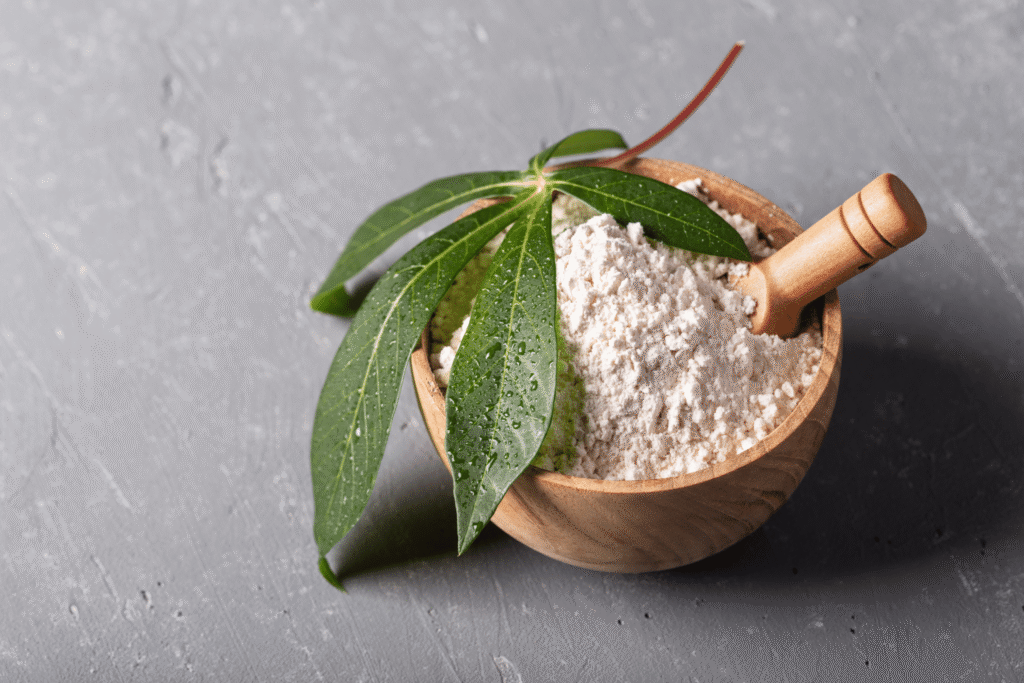
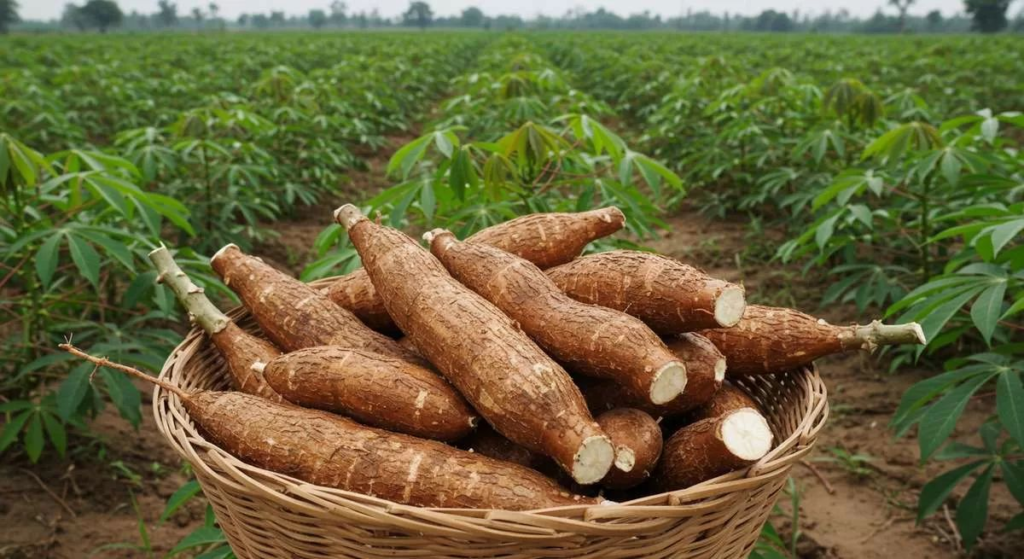
Tapioca flour comes from cassava roots, a tropical crop that grows abundantly in regions with warm climates and resilient soil conditions. Farmers cultivate cassava across Indonesia, Brazil, Thailand, and several African countries, making it one of the most accessible starch sources worldwide. When industries decide to buy tapioca flour, they rely on this agricultural foundation that ensures a steady and scalable supply chain capable of meeting global demand.
Unlike cassava flour, which uses the whole root, tapioca flour contains only the extracted starch, resulting in a finer texture and lighter consistency. This distinction matters because it directly affects how the flour performs in cooking and manufacturing. As demand rises, many manufacturers choose to buy tapioca flour due to its purity and predictable behavior in recipes. Historically, communities have consumed cassava for centuries, yet modern processing techniques have elevated tapioca flour into a refined product that aligns with international quality standards and evolving dietary trends.
Key Characteristics That Define Tapioca Flour
Tapioca flour stands out because of its unique characteristics that consistently deliver results across various applications. Its neutral taste allows chefs and manufacturers to incorporate it without altering the original flavor profile of dishes. At the same time, its fine texture creates a smooth and consistent mixture, which explains why so many businesses continue to buy tapioca flour for both small-scale and industrial use.
Another defining feature is its ability to create a glossy and elastic texture when heated with liquid. This property enhances sauces, fillings, and desserts, making them visually appealing and structurally stable. Furthermore, many producers prefer to buy tapioca flour because it retains moisture effectively, helping baked goods stay soft for longer periods. This moisture retention also contributes to improved shelf life, which is critical for packaged food products. Combined with its freeze-thaw stability, tapioca flour remains reliable even under demanding storage and distribution conditions.
Nutritional Composition and Dietary Value
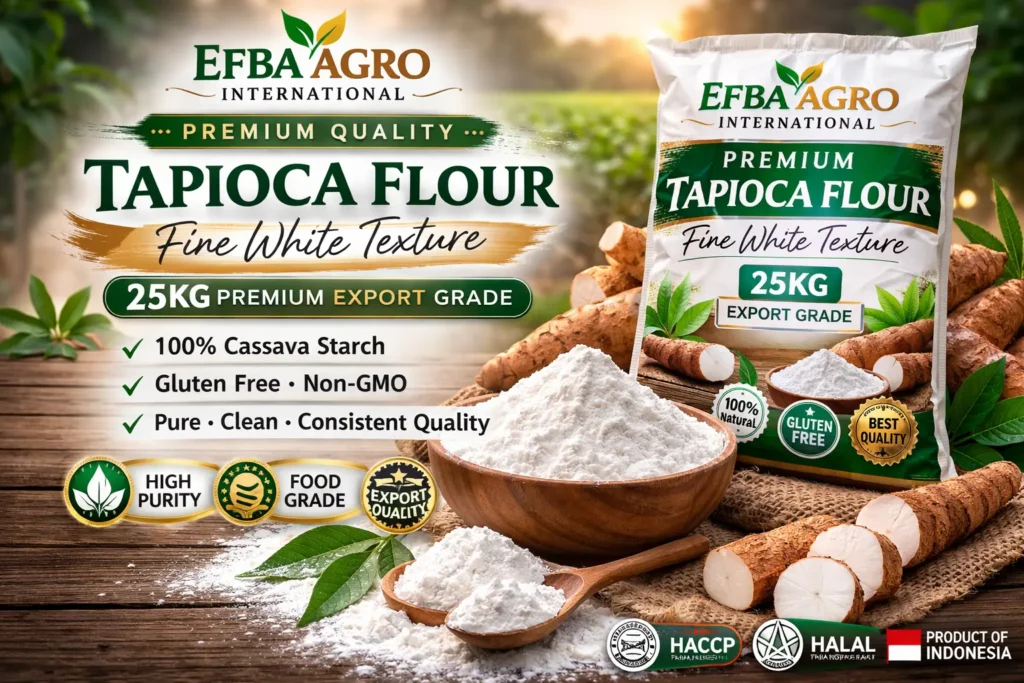
Tapioca flour primarily consists of carbohydrates, which serve as a quick and efficient source of energy. Although it contains minimal protein and fiber, it still plays a valuable role in balanced diets when combined with other nutrient-rich ingredients. Many health-conscious consumers choose to buy tapioca flour because it is naturally gluten-free and free from common allergens, making it suitable for a wide range of dietary needs.
In addition to carbohydrates, tapioca flour provides small amounts of essential minerals such as calcium, potassium, and iron. While these quantities may not be significant on their own, they still contribute to overall nutritional intake. More importantly, its digestibility makes it ideal for individuals with sensitive digestive systems. As a result, food manufacturers frequently buy tapioca flour to develop products that cater to specialized diets, including gluten-free, allergen-free, and easily digestible food options that align with modern consumer expectations.
Functional Benefits in Food Applications
Tapioca flour offers functional advantages that extend far beyond its basic nutritional profile. One of its most important roles lies in its ability to act as an effective thickening agent. When heated, it forms a smooth and consistent texture without clumping, which is why many chefs and food processors consistently buy tapioca flour for sauces, soups, and gravies that require a refined finish.
In baking, tapioca flour contributes to elasticity and structure, especially in gluten-free recipes where traditional wheat flour cannot provide the same binding properties. This makes it essential for producing bread, cakes, and pastries with desirable texture and softness. Additionally, manufacturers often buy tapioca flour because it enhances mouthfeel, creating a pleasant eating experience that improves product quality. Its versatility allows it to adapt to various cooking techniques, ensuring reliable performance whether used in traditional dishes or innovative food products designed for global markets.
Culinary Uses Across Different Food Systems
Tapioca flour continues to gain popularity due to its versatility in both household kitchens and industrial food production. In baking, it helps create light and airy textures, making it a key ingredient in gluten-free bread and desserts. Many chefs prefer to buy tapioca flour because it blends seamlessly with other flours, improving consistency without overpowering flavors.
In savory cooking, tapioca flour acts as a thickener that delivers a clear and glossy appearance, which enhances the visual appeal of dishes. It also plays a significant role in traditional foods such as tapioca pearls, puddings, and flatbreads. Beyond these uses, food manufacturers increasingly buy tapioca flour for processed and ready-to-eat meals due to its stability under freezing and reheating conditions. This adaptability ensures that products maintain quality throughout storage and distribution, making tapioca flour an essential component in modern food systems that demand efficiency and consistency.
The Role of Cassava in Global Supply
Cassava serves as the foundation of tapioca flour production, and its agricultural advantages make it one of the most reliable crops in the world. It thrives in challenging environments where other crops may fail, providing a dependable source of raw material for industries that need to buy tapioca flour in large quantities. This resilience contributes to food security and supports sustainable agricultural practices across developing regions.
Farmers harvest cassava roots and process them to extract starch, which then becomes tapioca flour through drying and refining. This process ensures that the final product meets quality standards required by global markets. As demand continues to grow, more businesses choose to buy tapioca flour because cassava offers a stable and scalable supply chain. Its widespread cultivation also supports local economies, creating opportunities for farmers and producers to participate in international trade while maintaining consistent production levels.
Quality Grades and Market Demand
Tapioca flour is available in different quality grades, each designed to meet specific application requirements. Premium-grade tapioca flour features a bright white color, fine texture, and low moisture content, making it suitable for high-end food production. Many companies prioritize these qualities when they decide to buy tapioca flour, as consistency directly impacts product performance and consumer satisfaction.
Global demand for tapioca flour continues to rise due to the growing popularity of gluten-free diets and the expansion of processed food industries. As markets evolve, manufacturers increasingly buy tapioca flour to develop innovative products that meet changing consumer preferences. Additionally, its role as an alternative starch source makes it attractive for companies seeking sustainable and cost-effective ingredients. This combination of quality, versatility, and demand ensures that tapioca flour remains a key component in the global food supply chain, supporting both traditional and modern culinary applications.
Expanding Global Relevance of Tapioca Flour
As global food systems continue to evolve, tapioca flour has secured a strong position as a versatile and dependable ingredient across multiple industries. Many international buyers consistently choose to buy tapioca flour because it adapts easily to changing consumer preferences, particularly in the growing demand for clean-label and gluten-free products. This increasing relevance reflects how food manufacturers prioritize ingredients that deliver both functionality and market appeal without complicating production processes.
At the same time, tapioca flour supports innovation in product development. Food technologists actively explore new formulations where they buy tapioca flour to improve texture, stability, and visual quality. Its ability to perform under different conditions allows it to integrate seamlessly into modern food systems, including plant-based products and alternative diets. As a result, companies that buy tapioca flour gain flexibility in creating products that meet diverse global standards while maintaining consistent quality across various markets and applications.
Texture Enhancement and Functional Performance
Texture plays a critical role in food quality, and tapioca flour excels in delivering desirable consistency across a wide range of products. Many producers choose to buy tapioca flour because it creates a smooth, cohesive structure that enhances the overall eating experience. Whether used in baked goods or processed foods, it contributes to a soft and elastic texture that appeals to consumers who value both taste and mouthfeel.
Moreover, tapioca flour performs exceptionally well under heat, forming a stable gel that improves product integrity. This characteristic becomes especially valuable in sauces, fillings, and desserts where consistency determines visual and sensory appeal. Because of this reliability, manufacturers continue to buy tapioca flour as a key ingredient that supports both functionality and presentation. Its performance remains consistent even during freezing and reheating, which further strengthens its role in modern food production and distribution systems that demand durability and efficiency.
Tapioca Flour in Gluten Free Innovation
The rise of gluten-free diets has significantly increased the demand for alternative flours, and tapioca flour has emerged as one of the most effective solutions. Consumers and manufacturers alike prefer to buy tapioca flour because it delivers the elasticity and binding properties that gluten typically provides. This makes it an essential component in gluten-free baking, where achieving the right texture often presents a challenge.
In addition, tapioca flour blends well with other gluten-free ingredients such as rice flour and almond flour, creating balanced formulations that improve both taste and structure. Food developers frequently buy tapioca flour to refine recipes that cater to dietary restrictions without compromising quality. Its neutral flavor ensures that the final product retains its intended taste profile, while its functional properties enhance consistency. As gluten-free markets expand globally, the decision to buy tapioca flour continues to support innovation and meet the expectations of health-conscious consumers.
Industrial Applications Beyond Traditional Uses
Beyond household cooking and baking, tapioca flour plays a vital role in large-scale industrial applications. Many manufacturers choose to buy tapioca flour for its stability and adaptability in processed foods, including snacks, ready meals, and frozen products. Its ability to maintain quality under various processing conditions makes it a preferred ingredient in production environments that require consistency and efficiency.
Furthermore, tapioca flour contributes to product uniformity, which is essential for maintaining brand standards. Companies that buy tapioca flour benefit from its predictable performance, allowing them to produce high-quality goods at scale. It also supports cost efficiency by reducing the need for additional stabilizers or additives. As industries continue to expand, the demand to buy tapioca flour grows steadily, reinforcing its importance as a core ingredient in modern manufacturing processes that prioritize both quality and scalability.
Consumer Trends and Market Expansion
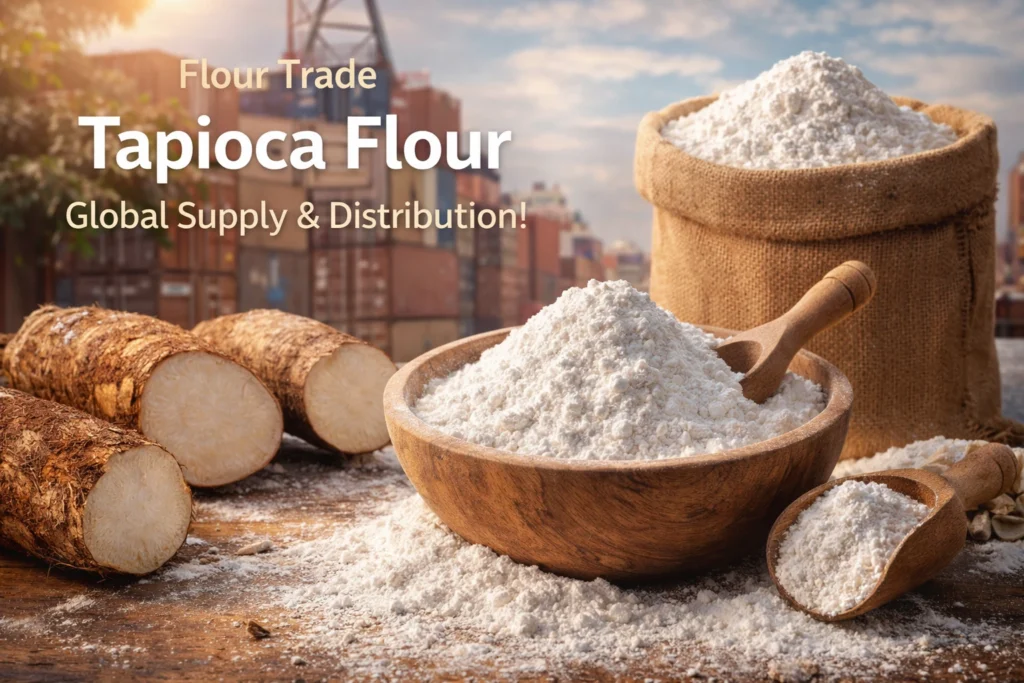
Changing consumer preferences continue to shape the global food industry, and tapioca flour aligns closely with these evolving trends. Many consumers actively seek products that are natural, allergen-free, and easy to digest, which encourages businesses to buy tapioca flour as part of their ingredient strategy. Its clean-label appeal makes it particularly attractive in markets where transparency and simplicity drive purchasing decisions.
At the same time, emerging markets contribute to the expansion of tapioca flour demand. As food industries grow in developing regions, more companies choose to buy tapioca flour to support local production and meet increasing consumption needs. This growth creates opportunities for suppliers to expand their reach and establish reliable distribution networks. Consequently, the decision to buy tapioca flour not only supports current demand but also positions businesses to adapt to future market developments that emphasize sustainability, quality, and consumer satisfaction.
Sustainability and Agricultural Impact
Sustainability has become a key consideration in modern agriculture, and cassava cultivation supports environmentally resilient practices. Farmers continue to grow cassava because it requires relatively low inputs and adapts well to challenging conditions. This agricultural advantage encourages companies to buy tapioca flour as part of a sustainable sourcing strategy that aligns with global environmental goals.
In addition, cassava farming contributes to economic stability in rural communities. When businesses choose to buy tapioca flour, they indirectly support farmers and local supply chains that depend on this crop for their livelihoods. This connection between agriculture and industry highlights the broader impact of tapioca flour beyond its functional uses. As sustainability becomes increasingly important, the decision to buy tapioca flour reflects a commitment to responsible sourcing and long-term resource management that benefits both producers and consumers worldwide.
Future Outlook and Strategic Importance
Looking ahead, tapioca flour is expected to remain a key ingredient in global food systems due to its versatility and reliability. As innovation continues to shape the industry, more companies will likely buy tapioca flour to support new product development and meet evolving consumer demands. Its adaptability ensures that it can respond to changes in dietary trends, technological advancements, and market dynamics.
Moreover, strategic sourcing will play an important role in maintaining consistent quality and supply. Businesses that choose to buy tapioca flour from reliable partners can ensure stability in their production processes while meeting international standards. This forward-looking approach strengthens competitiveness and supports long-term growth. Ultimately, the decision to buy tapioca flour represents more than a simple purchase, as it reflects a commitment to quality, innovation, and sustainability in an ever-changing global market.
Long Term Value for Global Buyers
Tapioca flour offers long term value due to its combination of functionality, availability, and shelf stability. With proper storage, it remains usable for up to 24 months, which reduces waste and supports efficient inventory management. Buyers who consistently buy tapioca flour benefit from predictable quality and reduced risk in supply chains.
Moreover, cassava cultivation continues to expand, ensuring a steady and sustainable supply of raw materials. This stability supports global trade and allows businesses to plan production with confidence. In addition, the versatility of tapioca flour means it can serve multiple purposes within a single operation, reducing the need for additional ingredients. As a result, companies that choose to buy tapioca flour gain both economic and operational advantages in the long term.
Direct consultation and pricing, feel free to contact us via this WhatsApp Ve tapyoka unu ihtiyaçlarınızı ekibimizle görüşebilirsiniz.
EFBA Agro International: Kalite, Dürüstlük ve Uzun Vadeli İş Birliği Üzerine Kurulu Küresel Bir Tedarikçi

EFBA Agro International, dünya genelindeki gıda üreticilerine, distribütörlere ve endüstriyel firmalara hizmet veren, Endonezya’nın en güvenilir tarım ihracatçılarından biri haline gelmiştir. Şeffaflık, kalite güvencesi ve uzun vadeli iş birliği temelleri üzerine kurulan EFBA Agro, küresel tedarik zincirlerinin değişen ihtiyaçlarını desteklemek üzere tasarlanmış bir emtia portföyü sunar.
What sets EFBA Agro apart is our commitment to direct collaboration with processors, mills, and farmer groups. This approach ensures full visibility over raw material selection, processing techniques, and quality control benchmarks. While Tapioca Flour remains one of our strongest export categories, we are equally dedicated to developing a diversified commodity line that supports a wider range of industries. Our export operations emphasize reliability, communication, and proactive updates, helping buyers plan ahead and avoid supply disruptions. EFBA Agro positions itself not just as a vendor but as a strategic partner capable of supporting long-term procurement planning across multiple product categories.
EFBA Agro’nun Tüm Ürün Portföyü: Tapyoka Unundan Premium Baharatlara ve Doğal Bileşenlere
Tapyoka Ununa odaklanmamızın ötesinde, EFBA Agro International, küresel pazarlar için özel olarak hazırlanmış kapsamlı bir tarımsal emtia seçkisi sunmaktadır. Her ürün kategorisi, hasattan ihracat onayına kadar tutarlılığı garanti eden sıkı kalite protokolleriyle yönetilmektedir.
Portföyümüz; Arenga Palmiye Şekeri (kalıplanmış ve granül), Mum Cevizi (kabuklu ve parlatılmış), Karabiber, Vanilya Çubukları, Muskat, Karanfil, Kakao türevleri ve Endonezya’nın en verimli tarım bölgelerinden tedarik edilen özel doğal bileşenleri kapsamaktadır. Bu ürünler; gıda ve içecekten doğal kozmetiklere, wellness ürünlerinden endüstriyel formülasyonlara kadar birçok sektörü destekler.
Bu portföy çeşitliliği, alıcıların birden fazla SKU’yu tek ve güvenilir bir tedarikçi altında birleştirmesine olanak tanır; lojistik karmaşıklığı ve idari yükü önemli ölçüde azaltır. Tapyoka Unu satın alan firmalar, EFBA Agro ile çalışmanın büyük hacimli sevkiyatlar, ihracat dokümantasyonu, konteyner optimizasyonu ve tutarlı iletişim konularındaki operasyonel avantajlarını gördüklerinde iş birliklerini genişletmektedir.
Web sitemizdeki emtia bölümü, her ürünün teknik özelliklerini, kullanım alanlarını ve ihracata hazır durumunu detaylı şekilde sunarak alıcıların sipariş vermeden önce net bir değerlendirme yapmasını sağlar. Çoklu emtia ekosistemi ve modern ihracat süreçleriyle EFBA Agro, küresel üreticiler ve distribütörler için uzun vadeli büyümeyi destekleme konusundaki kararlılığını güçlendirmektedir.
FAQ (Buy Tapioca Flour)
- What is the shelf life when you buy tapioca flour?
Tapioca flour typically lasts up to two years if stored in a cool, dry place and sealed properly to prevent moisture exposure. - How should you store tapioca flour after purchase?
Store it in an airtight container away from sunlight and humidity to maintain quality and prevent clumping or spoilage. - Is tapioca flour suitable for vegan products?
Yes, tapioca flour is plant-based, making it ideal for vegan recipes and food formulations without animal-derived ingredients. - Can tapioca flour replace wheat flour completely?
It can replace wheat flour in some recipes, especially gluten-free ones, but often needs blending with other flours for best results. - Does tapioca flour affect food flavor?
No, it has a neutral taste, allowing the original flavors of dishes to remain unchanged while improving texture. - Why is tapioca flour popular in global markets?
Its versatility, gluten-free nature, and consistent performance make it widely used in both traditional and modern food industries.