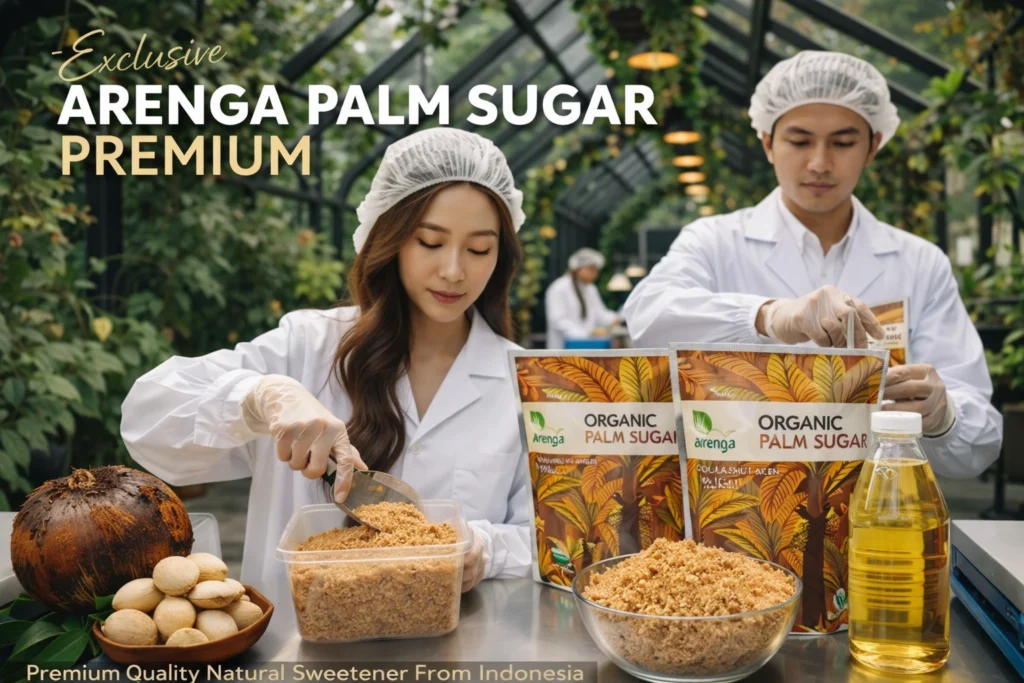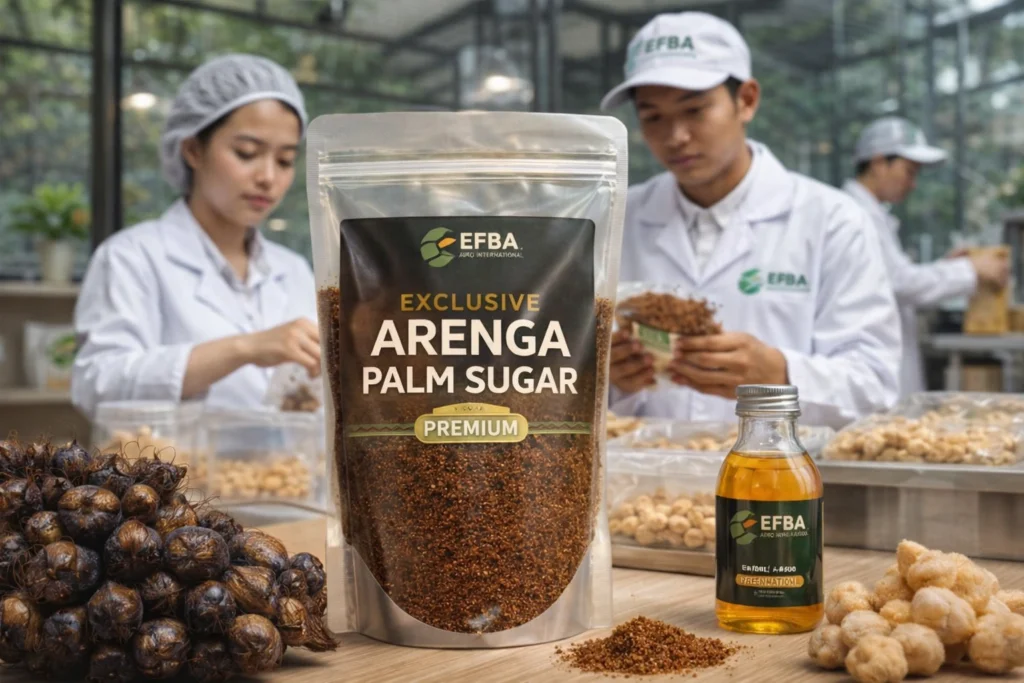
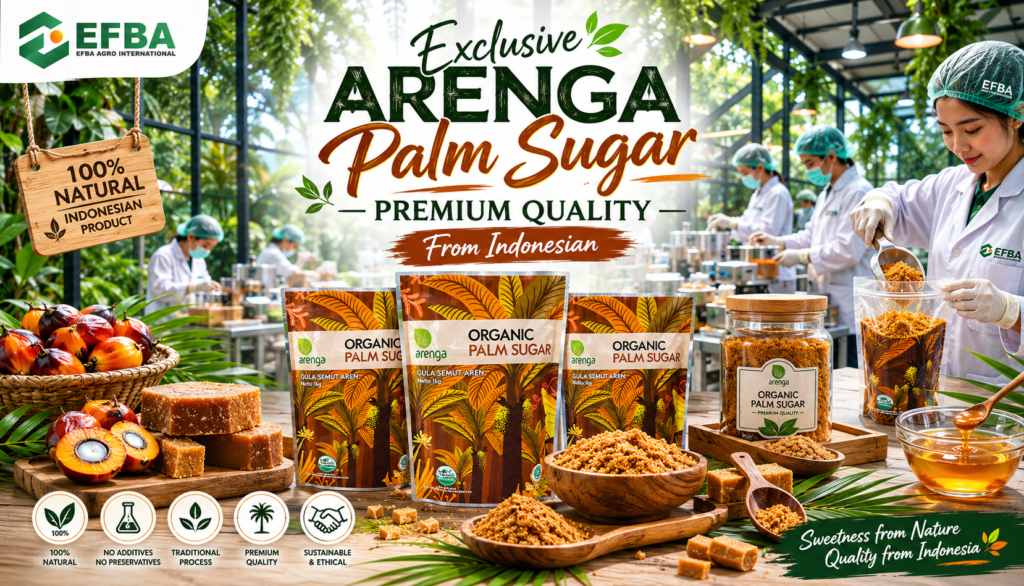
Palm Sugar continues to attract global attention because modern consumers increasingly prefer natural sweeteners with authentic flavor, minimal processing, and sustainable sourcing. Across Europe, food manufacturers, organic brands, specialty cafés, bakeries, and gourmet restaurants actively search for premium ingredients that combine functionality with strong market appeal. Indonesian palm sugar perfectly answers this demand because it offers deep caramel notes, naturally rich minerals, artisanal identity, and remarkable versatility in food production. European buyers also appreciate ingredients connected to traditional farming culture because these products create emotional value and transparent sourcing stories that strengthen modern food branding.
In recent years, the global clean label movement has encouraged manufacturers to replace highly refined sweeteners with more natural alternatives, and this shift has significantly increased the popularity of palm sugar in international markets. Indonesian producers now export this tropical sweetener to various countries because its unique aroma, warm brown appearance, and balanced sweetness help food businesses create products with premium positioning. Furthermore, many importers consider Arenga palm sugar one of the most attractive natural sweeteners from Southeast Asia due to its authenticity, sustainability potential, and compatibility with modern culinary trends.
The Growing Demand for Natural Sweeteners in Europe
European consumers increasingly choose natural ingredients because they want healthier lifestyles, cleaner labels, and more transparent food sourcing. This trend strongly influences food manufacturers, beverage companies, and organic product developers throughout the region. Instead of relying entirely on highly refined sugar, many brands now incorporate natural sweeteners that provide deeper flavor complexity and more authentic characteristics. As a result, Indonesian palm sugar continues to gain popularity among importers and premium food producers.
Several factors drive this increasing demand. First, consumers prefer products with recognizable ingredients because they associate them with authenticity and quality. Second, artisanal and minimally processed foods continue to dominate specialty food trends in Europe. Third, cafés and bakeries actively search for sweeteners that create stronger caramel notes and richer aroma profiles in beverages and desserts. Consequently, palm sugar successfully enters multiple culinary sectors because it supports flavor enhancement while maintaining natural product identity.
In addition, sustainability has become a major purchasing factor in European markets. Buyers often evaluate how producers harvest ingredients, support farming communities, and manage environmental impact. Indonesian palm sugar producers frequently rely on traditional harvesting methods that preserve local agricultural heritage while maintaining product quality. Therefore, many European companies view this sweetener as more than just a sugar alternative. They see it as a premium ingredient with cultural value, culinary flexibility, and strong storytelling potential that enhances product branding across competitive international markets.
Why European Buyers Prefer Palm Sugar for Premium Foods
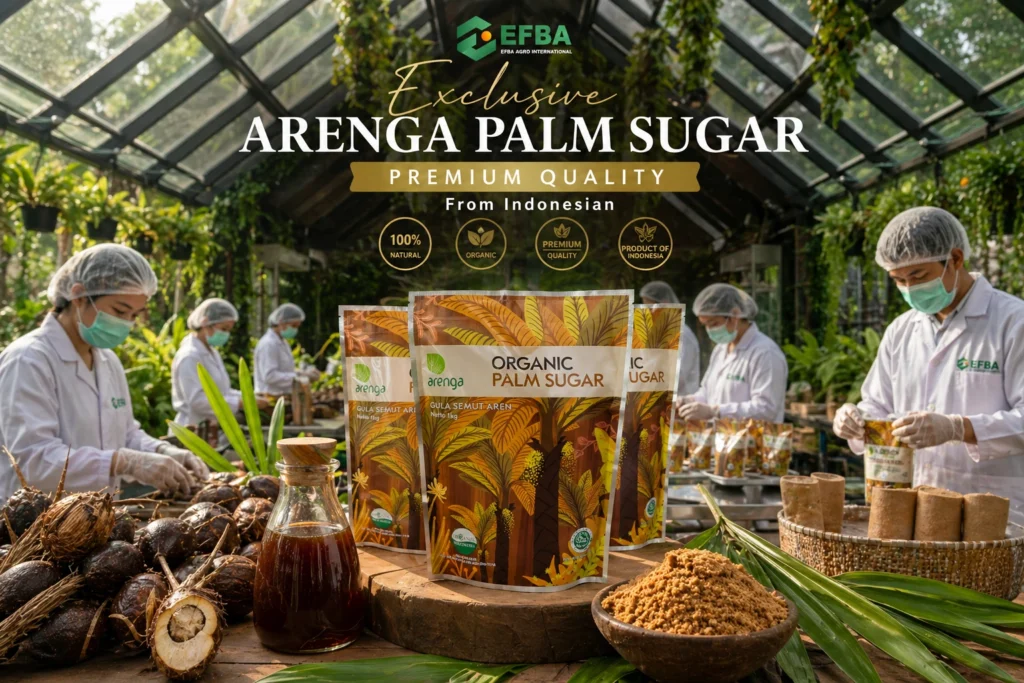
European food buyers consistently prioritize ingredients that improve flavor, strengthen product image, and satisfy changing consumer preferences. Palm sugar successfully fulfills these expectations because it combines natural sweetness with complex caramel undertones that refined sugar cannot naturally provide. Food manufacturers increasingly use this ingredient in bakery products, beverages, desserts, chocolate, granola, sauces, and plant based foods because it creates a richer sensory experience while supporting clean label positioning.
Unlike ordinary sweeteners, this tropical product delivers depth and warmth that elevate culinary creations. Its earthy sweetness blends smoothly into coffee drinks, specialty tea, ice cream, cookies, pastries, and gourmet sauces. As a result, chefs and food developers often select Indonesian palm sugar for products that target premium consumers. Furthermore, its warm brown color enhances visual presentation and creates a handcrafted appearance that appeals strongly to modern European buyers.
Another important reason behind its popularity involves product differentiation. European food industries operate in highly competitive markets where unique ingredients help brands stand out. Palm sugar provides distinctive flavor identity while also connecting products to authentic Indonesian agricultural traditions. Because consumers increasingly appreciate food with traceable origins, brands often highlight the ingredient’s artisanal production process and tropical heritage in marketing campaigns.
Moreover, natural sweeteners continue to dominate the organic and wellness sectors across Europe. Buyers actively search for ingredients that appear less industrial and more environmentally responsible. Consequently, Indonesian producers who maintain traditional production methods gain stronger opportunities in export markets because their products align perfectly with current consumer expectations regarding sustainability, authenticity, and premium food craftsmanship.
Traditional Origins and the Story Behind Arenga Palm Sugar
Indonesia has produced palm based sweeteners for generations, and local communities continue preserving these traditional practices today. Farmers usually collect sap from palm flower stalks during early morning hours because fresh sap maintains better sweetness and aroma quality. After harvesting, producers carefully heat the liquid until it thickens naturally into blocks, paste, syrup, or granules. This traditional process helps preserve the ingredient’s distinctive taste profile while supporting authentic artisanal value.
Among different varieties, Arenga palm sugar stands out because it originates from the Arenga pinnata tree, which thrives in Indonesia’s tropical climate and fertile volcanic regions. These environmental conditions significantly influence flavor development and aroma intensity. Consequently, this sweetener offers stronger caramel notes, mild smoky undertones, and deeper color characteristics that many European buyers highly appreciate in gourmet food production.
Traditional production methods also strengthen the ingredient’s reputation in international markets. Many small scale farmers continue using manual harvesting techniques passed down through generations. Instead of depending heavily on industrial processing, producers focus on preserving natural flavor and maintaining product authenticity. Therefore, palm sugar from Indonesia often carries stronger cultural identity than mass produced sweeteners from large industrial facilities.
In addition, the production process supports rural farming communities and contributes to local economic sustainability. International buyers increasingly value ingredients connected to ethical sourcing and community based agriculture because these elements create meaningful stories for modern consumers. As a result, Indonesian palm sugar successfully combines culinary quality, traditional craftsmanship, and sustainable agricultural heritage into one highly attractive export commodity.
Nutritional Value That Makes This Sweetener More Appealing
Many consumers prefer natural sweeteners because they contain more naturally occurring nutrients than heavily refined sugar products. Although moderation remains important in every diet, palm sugar attracts attention because traditional processing methods help preserve several valuable minerals naturally found in palm sap. This nutritional perception contributes significantly to its growing popularity in specialty food markets and health conscious consumer segments.
The ingredient commonly contains potassium, calcium, magnesium, iron, zinc, phosphorus, manganese, sodium, and small traces of vitamin B complex. Potassium supports normal muscle and nerve functions, while calcium and phosphorus contribute to bone related functions. Magnesium helps support metabolic processes, and iron plays an important role in oxygen transportation throughout the body. Even though nutrient levels vary depending on production methods and environmental conditions, these naturally occurring minerals strengthen the product’s image as a more natural sweetening option.
Moreover, palm sugar often delivers richer sweetness intensity than refined sugar. Because of this characteristic, food developers can create balanced flavor profiles without depending heavily on artificial flavor enhancers. Its caramelized aroma naturally improves beverages, bakery products, sauces, cereals, and desserts. Consequently, many premium food manufacturers choose this ingredient to develop products with cleaner ingredient lists and stronger natural positioning.
European consumers increasingly associate minimally processed ingredients with authenticity and higher quality. Therefore, food brands frequently highlight natural sweeteners in product packaging and marketing campaigns. Indonesian palm sugar benefits greatly from this trend because its traditional production process, mineral content, and tropical origin support the growing demand for wholesome ingredients in international food industries.
Culinary Applications Across Modern Food Industries
Modern food industries value ingredients that provide versatility, stable performance, and distinctive flavor characteristics. Palm sugar successfully satisfies these requirements because it blends easily into numerous culinary applications while delivering warm caramel complexity and appealing natural sweetness. As a result, European manufacturers actively incorporate this ingredient into premium product lines across multiple food sectors.
In beverage production, palm sugar complements coffee, tea, smoothies, chocolate drinks, and plant based beverages exceptionally well. Its earthy sweetness enhances roasted flavor profiles without overwhelming other ingredients. Therefore, many specialty cafés and beverage developers prefer it for artisan drink formulations. In bakery applications, the ingredient contributes moisture retention, deeper color tones, and richer aroma development in cakes, pastries, cookies, and dessert sauces.
Food manufacturers also appreciate its versatility in savory products. Palm sugar balances spices, acidity, and saltiness effectively, making it suitable for marinades, barbecue sauces, curry bases, and gourmet condiments. Consequently, chefs frequently use it to create layered flavor complexity in Asian inspired cuisine and fusion dishes popular throughout Europe.
Furthermore, vegan and organic food brands increasingly adopt natural sweeteners to strengthen clean label positioning. Consumers actively search for products with recognizable ingredients and authentic sourcing stories. Indonesian palm sugar fits these expectations perfectly because it combines traditional craftsmanship, tropical heritage, and culinary functionality within one ingredient. This combination allows food businesses to create premium products that satisfy both modern taste preferences and evolving consumer values related to sustainability and authenticity.
Sustainability and Ethical Sourcing Increase Market Interest
Sustainability now influences purchasing decisions throughout European food industries more strongly than ever before. Consumers no longer focus only on flavor and price because they also evaluate how companies source ingredients and support environmental responsibility. Consequently, food manufacturers increasingly prefer suppliers that demonstrate ethical production methods, transparent sourcing systems, and community based agricultural practices.
Palm sugar production in Indonesia often involves small scale farming communities that rely on traditional harvesting methods instead of intensive industrial systems. Farmers generally collect sap manually without cutting down palm trees, which helps maintain long term environmental sustainability. Because producers continue using these low impact techniques, the industry supports biodiversity preservation and reduces excessive ecological disruption compared to certain large scale agricultural operations.
In addition, many international buyers value the social impact connected to traditional palm sugar farming. Local production activities help create employment opportunities in rural communities while preserving agricultural knowledge passed through generations. These cultural and economic elements strengthen the ingredient’s appeal among European brands that emphasize ethical sourcing and responsible trade partnerships.
Sustainability also influences premium product marketing strategies. Modern consumers increasingly appreciate foods connected to authentic craftsmanship and environmentally conscious production methods. Therefore, companies frequently highlight Indonesian sourcing stories to strengthen emotional engagement with customers. Palm sugar naturally fits these narratives because its production reflects traditional agricultural heritage, artisanal processing, and closer relationships between farmers, suppliers, and international food industries seeking long term sustainable partnerships.
Flavor Characteristics That Enhance Gourmet Products
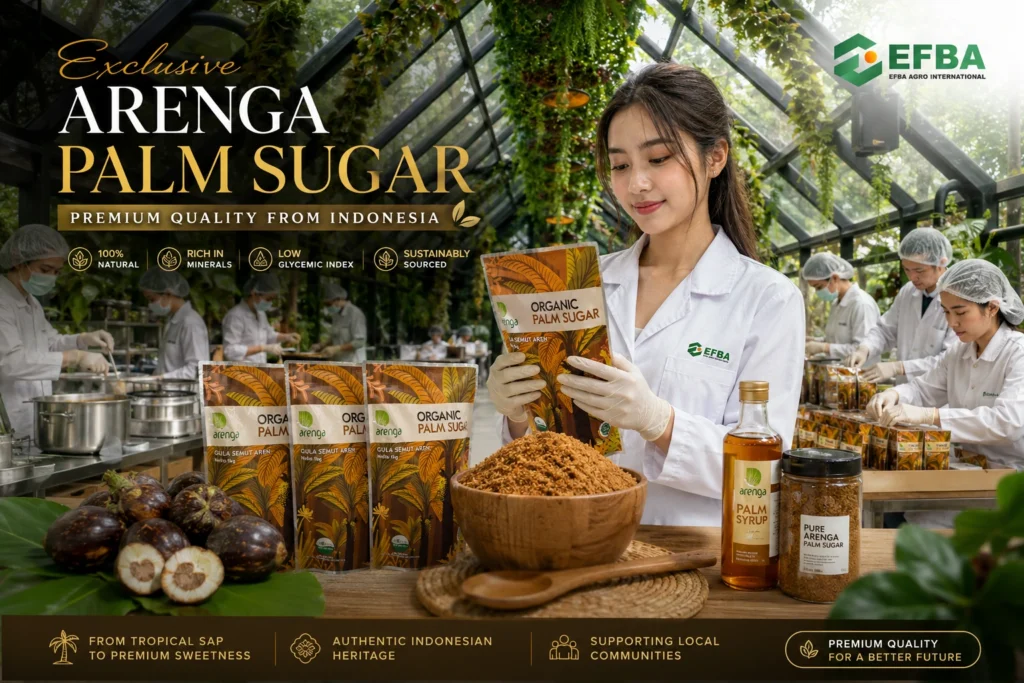
Flavor remains one of the most important reasons why European buyers continue increasing imports of Indonesian palm sugar. Unlike refined white sugar that mainly delivers straightforward sweetness, this ingredient provides layered flavor complexity with caramel richness, subtle smokiness, and earthy undertones. These characteristics allow chefs and food manufacturers to create more sophisticated culinary experiences that appeal strongly to premium consumers.
Its deep caramel profile works exceptionally well in coffee beverages, chocolate desserts, baked goods, and artisan confectionery products. Specialty cafés often use palm sugar because it complements espresso bitterness naturally while adding smoother sweetness and aromatic warmth. Similarly, pastry chefs prefer this ingredient in cakes, cookies, tarts, and glazes because it enhances both texture and flavor depth.
The ingredient also supports gourmet experimentation in modern European cuisine. Chefs frequently combine it with spices, tropical fruits, nuts, coconut milk, and fermented ingredients to create balanced sweet and savory dishes. Consequently, palm sugar has become increasingly visible in fusion cuisine and upscale restaurant concepts that prioritize unique flavor identity.
Another advantage involves aroma intensity. During cooking and baking, the ingredient releases warm caramel fragrance that strengthens sensory appeal significantly. This aromatic quality improves customer perception and enhances overall dining experiences. Because premium food industries continuously search for ingredients that create memorable flavors, Indonesian palm sugar remains highly valuable in culinary innovation and specialty product development across competitive international markets.
Future Opportunities for Indonesian Palm Sugar Exports
Global demand for natural sweeteners will likely continue growing as consumers prioritize healthier lifestyles, authentic ingredients, and sustainable sourcing practices. This long term trend creates strong opportunities for Indonesian palm sugar producers to expand their presence in international markets, especially throughout Europe where clean label products and artisanal foods continue gaining popularity rapidly.
Export opportunities increase further because modern consumers actively seek products with traceable origins and cultural authenticity. Indonesian producers possess strong competitive advantages since traditional production methods, tropical biodiversity, and artisanal craftsmanship already align closely with evolving market expectations. Furthermore, Arenga palm sugar offers distinctive flavor characteristics that differentiate it from other natural sweeteners available globally.
Innovation within food industries also supports future market growth. Beverage brands, bakery companies, vegan product developers, and organic food manufacturers constantly search for ingredients that improve flavor while strengthening natural product positioning. Palm sugar successfully fulfills these needs because it combines culinary versatility, premium appearance, and authentic tropical identity within one ingredient.
In addition, digital commerce and global distribution networks allow Indonesian exporters to reach broader international audiences more efficiently than before. Businesses that maintain consistent quality, transparent sourcing, and sustainable production standards will likely strengthen long term partnerships with European importers. Therefore, Indonesian palm sugar not only represents a traditional agricultural product but also reflects a growing global movement toward authentic, sustainable, and naturally flavorful food ingredients.
For businesses seeking reliable Indonesian sourcing partners, Efba Agro International provides access to premium export quality products from Indonesia. Explore various commodities through Efba Agro International at https://efbaagro.id/, discover more products at https://efbaagro.id/#commodities, or contact directly through WhatsApp at https://wa.me/6285285469417 for export inquiries and partnership
Expanding Global Recognition Through Quality and Innovation
International recognition for Indonesian palm sugar continues growing because global food industries constantly search for ingredients that combine authenticity, functionality, and premium quality. European buyers especially value products that help brands create stronger emotional connection with consumers while maintaining modern food standards. Consequently, Indonesian exporters now receive greater opportunities to position palm sugar as a leading natural sweetener for specialty culinary applications and sustainable food innovation.
Food manufacturers increasingly develop products that highlight tropical ingredients and artisanal production stories because consumers appreciate foods with cultural identity and transparent origins. Palm sugar perfectly supports this movement since its production process reflects traditional Indonesian agricultural heritage and careful craftsmanship. Moreover, the ingredient’s rich caramel flavor and warm aroma allow manufacturers to create memorable sensory experiences across beverages, bakery products, sauces, confectionery items, and plant based foods.
Innovation also plays an important role in expanding international demand. Producers now offer palm sugar in various formats including powder, syrup, paste, cubes, and granules to satisfy different industrial requirements. This flexibility helps food companies integrate the ingredient into automated production systems while maintaining authentic flavor characteristics. At the same time, improved packaging standards and export quality control increase buyer confidence in Indonesian suppliers and strengthen long term international partnerships.
Another factor driving market expansion involves the global preference for natural ingredients with minimal processing. Consumers increasingly avoid products perceived as overly artificial or excessively refined. Therefore, palm sugar continues attracting attention because it preserves more natural character while supporting clean label food concepts that dominate modern retail and premium culinary sectors. This growing preference ensures that Indonesian palm sugar remains highly relevant in future international food trends.
Future Trends and Strategic Growth Opportunities
Market trends indicate a strong future for natural sweeteners derived from sustainable sources, with Palm Sugar positioned at the center of this growth. Increasing awareness of environmental issues and health concerns drives consumers to seek alternatives that align with their values. This shift creates opportunities for producers and businesses to expand their reach and develop new strategies.
One emerging trend involves the integration of sustainability into branding. Companies highlight eco-friendly production methods and ethical sourcing to differentiate their products. This approach resonates with consumers who prioritize transparency and responsibility. As a result, products with clear sustainability narratives often achieve higher market acceptance and customer loyalty.
Technological advancements also contribute to growth opportunities. Improved processing techniques enhance efficiency while preserving quality, enabling producers to scale operations without losing authenticity. At the same time, research into nutritional benefits continues to support its positioning as a functional ingredient. These developments strengthen its competitiveness in both traditional and emerging markets.
Collaboration across the value chain further accelerates expansion. Partnerships between farmers, manufacturers, and distributors create integrated systems that improve productivity and market access. Governments and organizations also play a role by supporting sustainable agriculture initiatives and promoting exports.
Looking ahead, the combination of tradition, innovation, and sustainability ensures that this natural sweetener remains relevant. As global demand continues to evolve, businesses that adapt to these trends will find significant opportunities for growth and long-term success.
Ready to Source Premium Arenga Palm Sugar?
If you are ready to explore premium-grade Arenga Palm Sugar for your business, connect directly with EFBA Agro today. Our export specialists are available to discuss:
- Bulk orders and private labeling
- Pricing and shipping arrangements
- Long-term partnership opportunities
Let’s bring the natural sweetness of Indonesia to your global market.
Discover EFBA Agro International: Your Trusted Gateway to Indonesia’s Finest Agricultural Commodities

EFBA Agro International has steadily established itself as one of Indonesia’s most reliable and quality-driven exporters of natural agricultural products. Built on a foundation of integrity, consistent supply, and strong farmer partnerships, EFBA Agro is committed to delivering premium-grade commodities that meet global market expectations. Through a streamlined sourcing system and rigorous quality inspection, we ensure every shipment reflects the richness of Indonesia’s natural resources and the professionalism demanded by international buyers. From traceability to documentation, every detail is handled with precision so clients receive both peace of mind and exceptional product value.
As a company deeply rooted in Indonesia’s agricultural landscape, EFBA Agro works closely with farming communities across the archipelago to secure sustainable, ethically harvested raw materials. This commitment enables us to supply natural sweeteners, spices, starches, and specialty products with unmatched consistency. Whether buyers require bulk quantities, retail-ready packaging, or OEM export standards, our operational structure supports diverse needs while maintaining world-class quality control. With a reputation built on transparency and long-term collaboration, EFBA Agro continues to strengthen its presence across Asia, the Middle East, Europe, and the Americas.
Indonesia’s Premium Export Collection: From Arenga Sugar to Tapioca, Coffee, Spices, and More

EFBA Agro International proudly offers a versatile selection of Indonesian commodities designed to meet the demands of global food, beverage, and industrial markets. Our flagship product, Granulated Arenga Palm Sugar, remains one of the most popular exports thanks to its natural caramel profile, eco-friendly production, and strong global demand. Beyond palm sugar, EFBA Agro supplies Food-Grade Tapioca Flour, a favorite ingredient for coating, bakery goods, gluten-free recipes, and industrial applications. We also provide a variety of premium Indonesian spices such as candlenut (kemiri), cloves, nutmeg, and black pepper, sourced directly from trusted farmers to guarantee freshness and purity.
In addition to sweeteners and spices, EFBA Agro supports buyers seeking coffee commodities through our specialty-grade Arabica and Robusta lines, including origins from Gayo, Java, and Toraja. Each commodity is managed through strict handling, standardized moisture control, proper packaging options, and export-ready documentation. With this diverse portfolio, EFBA Agro International becomes a comprehensive one-stop solution for businesses searching for sustainable, high-quality Indonesian agricultural products on the global stage.
FAQ Palm Sugar
- Is Palm Sugar suitable for vegan food products?
Yes. Producers create Palm Sugar entirely from tropical palm sap without using animal derived ingredients during harvesting or processing stages. - Can Palm Sugar support organic food manufacturing?
Many food manufacturers use Palm Sugar in organic product development because traditional processing methods involve minimal industrial refinement and fewer synthetic additives. - Does Palm Sugar dissolve easily in beverages?
Yes. Fine granulated Palm Sugar dissolves effectively in coffee, tea, smoothies, herbal drinks, and warm culinary preparations. - Why do chefs prefer Palm Sugar for desserts?
Chefs appreciate Palm Sugar because it delivers caramel richness, earthy sweetness, and aromatic depth that enhance dessert flavor naturally. - How should Palm Sugar be stored properly?
Store Palm Sugar inside airtight containers in cool dry environments to preserve texture, aroma, and product freshness longer. - Which industries commonly use Palm Sugar today?
Beverage companies, bakery manufacturers, confectionery brands, wellness food producers, and gourmet restaurants frequently incorporate Palm Sugar into products worldwide.