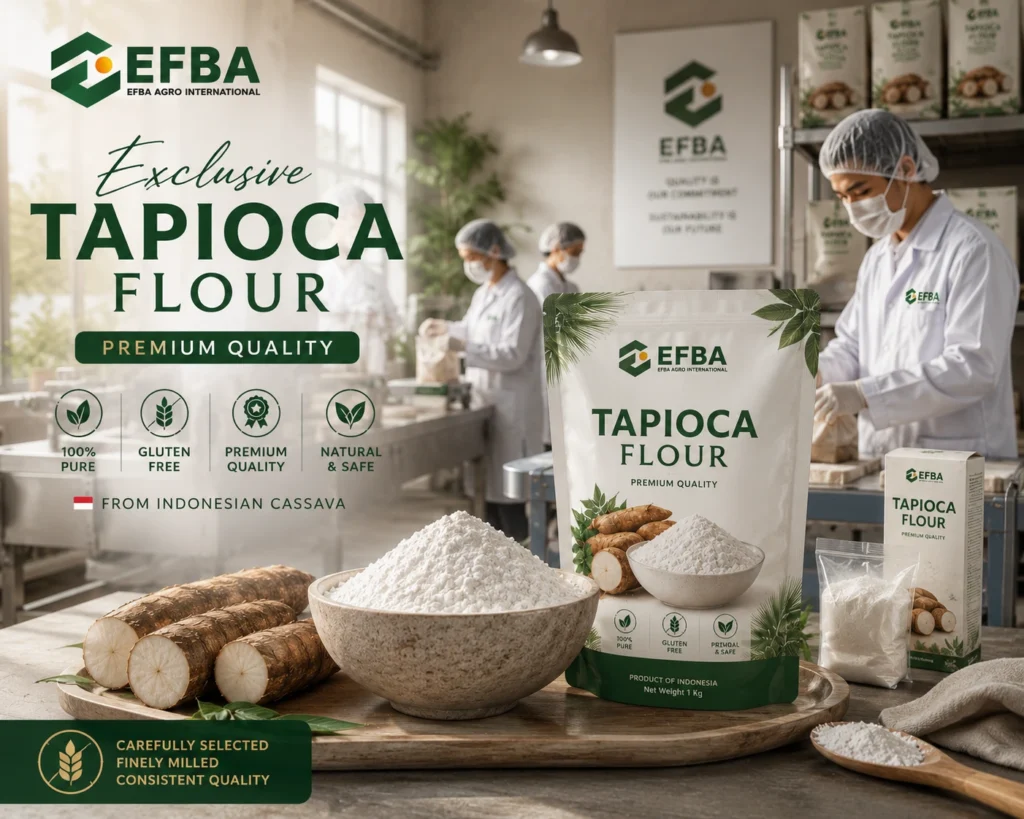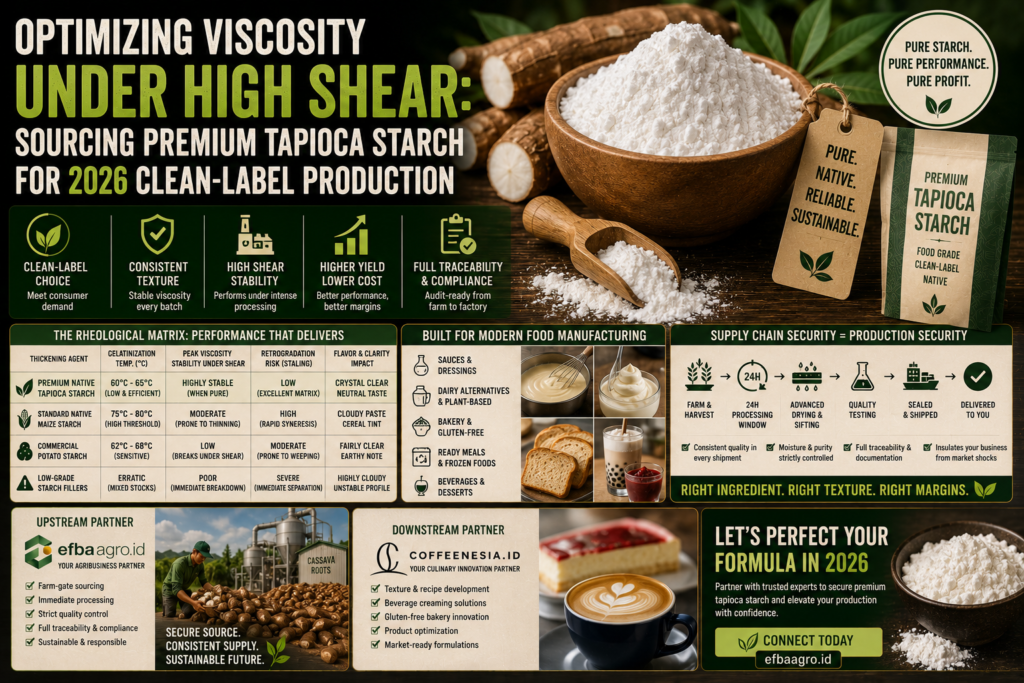
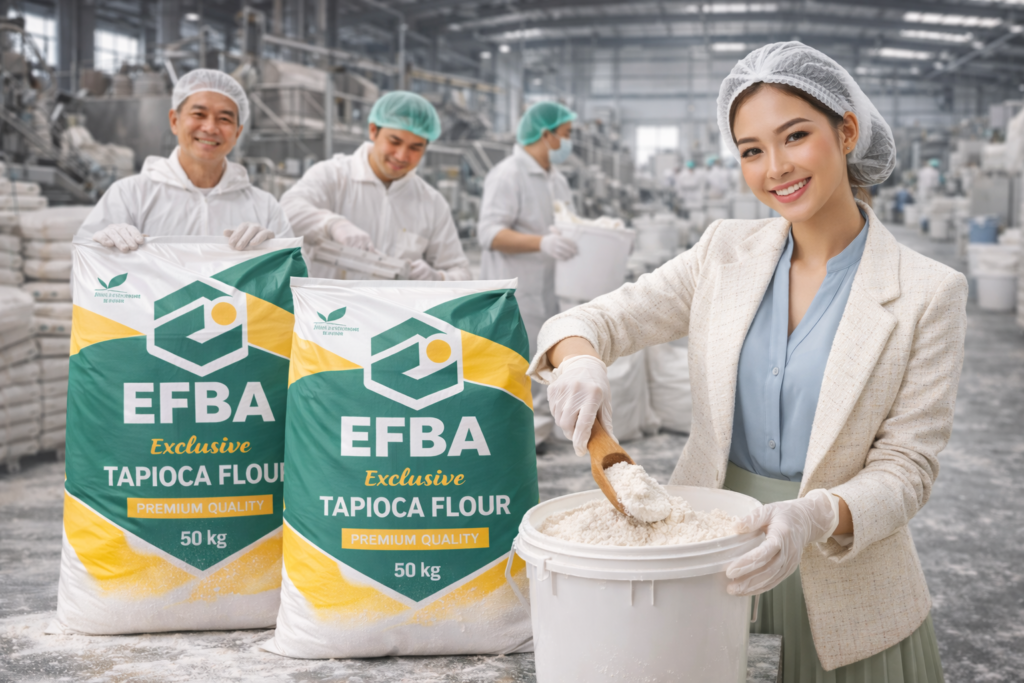
Buy Tapioca Flour is a strategic step for businesses that want consistency, flexibility, and long term efficiency in food production. Instead of treating it as a basic ingredient, many industry players now recognize its broader value in formulation, texture control, and clean label positioning. As global demand for adaptable and allergen friendly ingredients increases, tapioca flour continues to stand out because it delivers reliable performance across diverse applications. Moreover, its neutral profile allows developers to innovate without compromising taste, which makes it even more appealing. This article explores the origin, characteristics, nutritional profile, and functional advantages of tapioca flour while helping you understand why choosing to buy tapioca flour can directly impact product quality and market competitiveness.
Understanding Tapioca Flour in Modern Food Systems
Tapioca flour comes from cassava roots, which grow abundantly in tropical climates. Food producers extract the starch from cassava, then dry and refine it into a fine powder that blends easily into many formulations. Because of its purity, tapioca flour contains mostly carbohydrates, which gives it strong functional performance in cooking and processing. When manufacturers buy tapioca flour, they usually look for consistency in texture and color, since both factors reflect quality and processing standards. In addition, its smooth texture ensures easy mixing, reducing production inefficiencies and minimizing waste.
Furthermore, tapioca flour offers a neutral taste, which allows chefs and product developers to maintain the original flavor profile of their recipes. This characteristic becomes especially important in premium products where flavor precision matters. As a result, many producers prefer to buy tapioca flour for applications that require subtlety and balance. At the same time, its ability to thicken and bind ingredients creates structural integrity in food products, which improves both appearance and mouthfeel. Consequently, this combination of neutrality and functionality explains why tapioca flour continues to gain relevance in modern food systems.
Origin and Agricultural Background of Cassava
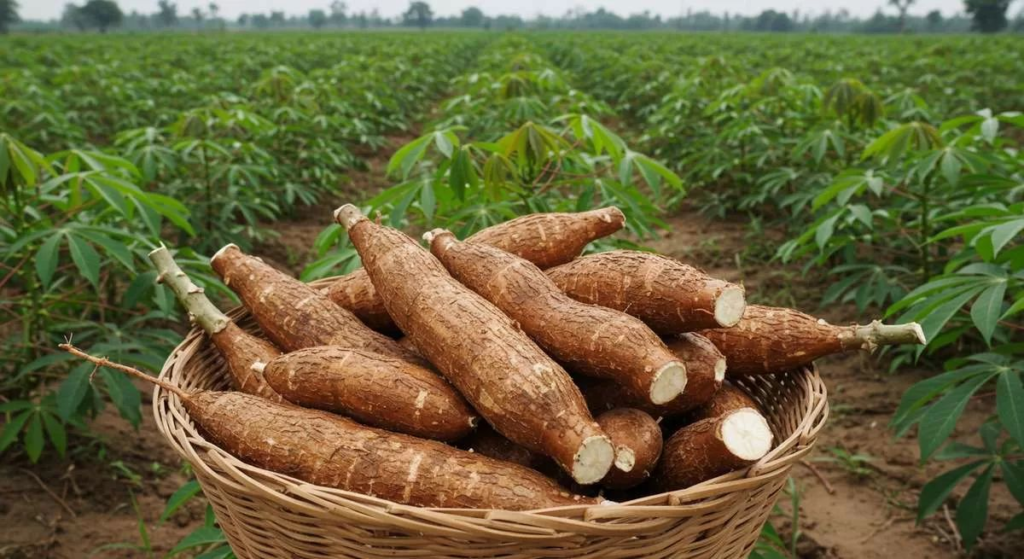
Cassava plays a central role in the production of tapioca flour, and its agricultural background explains its global importance. Farmers cultivate cassava in regions with warm climates and moderate rainfall, allowing the crop to grow efficiently even in less fertile soils. Because of this resilience, cassava supports stable supply chains, which is a critical factor when companies decide to buy tapioca flour in large volumes. In countries like Indonesia, cassava farming has become a key part of agricultural production, contributing to both local economies and international trade.
In addition, cassava serves as a staple food in many regions due to its high carbohydrate content. This widespread use reinforces its reliability as a raw material for tapioca flour production. When businesses choose to buy tapioca flour, they indirectly benefit from this agricultural stability. Moreover, the scalability of cassava farming ensures that supply can meet increasing demand without major disruptions. As global markets continue to expand, this reliability becomes even more valuable for manufacturers who need consistent ingredient sourcing. Therefore, understanding cassava’s origin helps explain why tapioca flour remains a dependable choice in the food industry.
Physical and Functional Characteristics of Tapioca Flour
High quality tapioca flour exhibits several defining characteristics that influence its performance in food applications. First, it typically appears bright white, which signals proper processing and minimal contamination. When buyers evaluate whether to buy tapioca flour, color often serves as an initial quality indicator. Additionally, its fine texture allows it to dissolve quickly, preventing lumps and ensuring smooth consistency in mixtures. This property becomes essential in large scale production where uniformity directly affects product quality.
Another important feature involves its behavior when heated. Tapioca flour forms a clear, glossy gel that enhances visual appeal and texture. Because of this, many manufacturers choose to buy tapioca flour for sauces, fillings, and desserts that require a polished finish. Furthermore, it provides elasticity and chewiness, which are highly desirable in baked goods and snacks. These textural benefits improve consumer experience and increase product value. As a result, tapioca flour stands out as a multifunctional ingredient that combines aesthetic, structural, and sensory advantages in a single component.
Nutritional Composition and Dietary Relevance
Tapioca flour primarily consists of carbohydrates, making it a quick energy source for consumers. Although it contains minimal protein and fat, this simplicity allows food developers to control nutritional formulations more precisely. When companies buy tapioca flour, they often integrate it with other ingredients to achieve balanced nutritional profiles. In addition, its naturally gluten free nature makes it suitable for individuals with gluten intolerance, which expands its market appeal significantly.
Moreover, tapioca flour contains small amounts of essential minerals such as calcium and iron. While it may not qualify as a nutrient dense ingredient on its own, its role in food formulation remains important. Manufacturers frequently buy tapioca flour because it supports dietary inclusivity without introducing allergens. At the same time, its low sodium content aligns with health conscious product development trends. Therefore, even though tapioca flour does not provide extensive nutrients, its adaptability and dietary compatibility make it highly valuable in modern food systems.
Five Key Benefits for Industrial Food Buyers
Food industry professionals continue to buy tapioca flour because it offers several practical advantages. First, it provides exceptional versatility, allowing it to function as a thickener, binder, and texture enhancer in multiple applications. This flexibility reduces the need for additional ingredients, which simplifies production processes. Second, its gluten free property supports the growing demand for specialized diets, enabling companies to expand their product lines without major reformulation challenges.
Third, tapioca flour enhances texture by adding softness, chewiness, or crispiness depending on how manufacturers use it. Because of this, many developers buy tapioca flour to improve sensory quality and consumer satisfaction. Fourth, it aligns with clean label trends, as consumers increasingly prefer simple and recognizable ingredients. Finally, its stable supply ensures cost efficiency, which helps businesses maintain consistent production levels. Together, these benefits demonstrate why tapioca flour remains a preferred choice for food industry buyers worldwide.
Applications Across Food Products
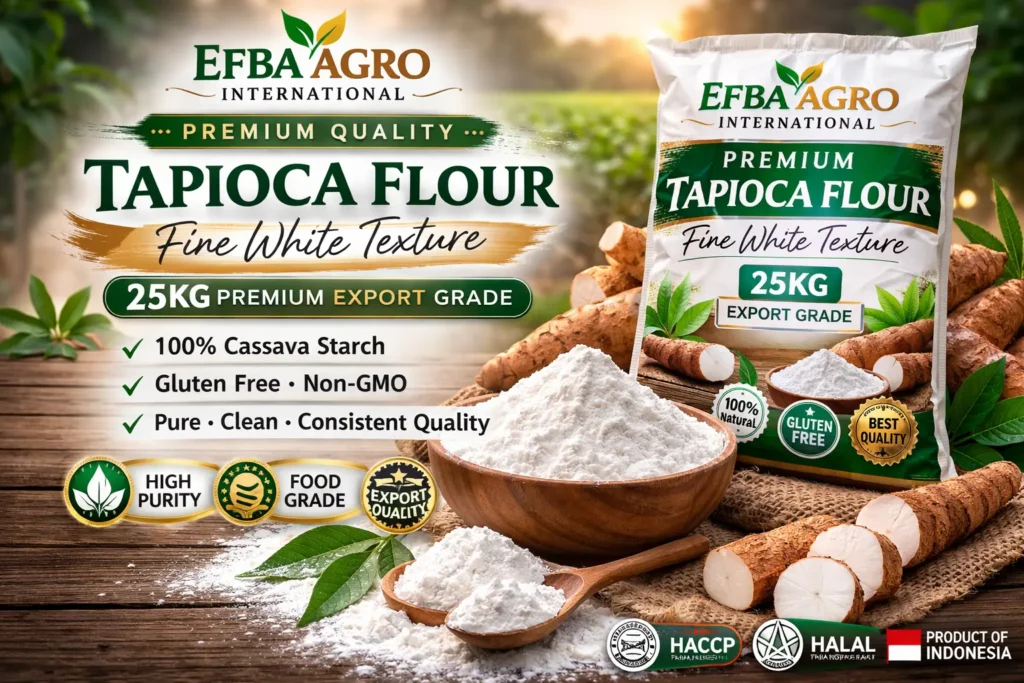
Tapioca flour integrates seamlessly into a wide range of food products, which explains its growing demand. In baking, it improves texture and moisture retention, resulting in softer and more appealing products. Many bakeries buy tapioca flour to enhance gluten free recipes, where achieving the right structure can be challenging. Additionally, it works effectively as a thickening agent in soups and sauces, providing a smooth and glossy finish that enhances presentation.
In snack production, tapioca flour contributes to crispiness and structural stability. Manufacturers often buy tapioca flour to create chips and crackers with consistent quality. Furthermore, it plays a role in desserts such as puddings and jellies, where its binding properties ensure a cohesive texture. Even in beverages, tapioca pearls highlight its versatility, demonstrating how one ingredient can adapt to multiple formats. Consequently, tapioca flour continues to prove its value across traditional and modern food categories.
Comparison with Other Types of Flour
When comparing tapioca flour with other flours, its unique properties become more evident. Unlike wheat flour, it does not contain gluten, making it suitable for alternative diets. Many producers choose to buy tapioca flour as a complement rather than a replacement, combining it with other flours to achieve desired textures. Compared to corn starch, it offers better elasticity and a smoother finish, which improves overall product quality.
Similarly, when compared to rice flour, tapioca flour provides stronger binding properties. This advantage allows manufacturers to create more cohesive products without compromising texture. Because of these differences, food developers often buy tapioca flour to enhance formulations rather than replace existing ingredients entirely. Its ability to integrate with other components makes it a versatile addition to any production process.
Storage and Handling for Optimal Quality
Proper storage plays a crucial role in maintaining tapioca flour quality. It should remain in a cool and dry environment to prevent moisture absorption, which can affect its texture. When businesses buy tapioca flour in bulk, they must ensure airtight packaging to protect it from contamination. Additionally, keeping it away from direct sunlight helps preserve its color and functional properties.
Handling practices also influence product performance. Workers should use clean equipment to avoid introducing impurities during processing. Companies that consistently buy tapioca flour understand that proper storage extends shelf life and maintains reliability. As a result, they can use the ingredient confidently across different applications without worrying about quality degradation.
Strategic Value
Choosing to buy tapioca flour represents a strategic investment in quality, versatility, and innovation. Its origin in cassava roots provides a stable foundation, while its functional properties support a wide range of applications. From improving texture to enabling gluten free formulations, tapioca flour continues to meet the evolving needs of the food industry. As demand for adaptable ingredients grows, its role will likely become even more significant.
Understanding its characteristics, benefits, and uses allows businesses to maximize its potential effectively. Whether used in baking, snacks, or beverages, tapioca flour offers consistent performance and reliable results. For companies aiming to stay competitive, integrating tapioca flour into product development can provide a clear advantage.
Expanding Industrial Use and Market Demand
Global demand continues to rise as manufacturers diversify product lines and respond to changing consumer expectations. Companies that decide to buy tapioca flour often do so because it supports scalability without sacrificing consistency. In large scale production, even small variations in ingredient performance can affect the final product, so stability becomes essential. Tapioca flour delivers predictable behavior under different processing conditions, which allows producers to maintain quality across batches. As a result, many food manufacturers rely on it to streamline operations and reduce production risks.
In addition, market trends show increasing interest in plant based and allergen friendly ingredients. This shift encourages more businesses to buy tapioca flour as part of their long term sourcing strategy. It fits seamlessly into formulations that require simplicity and transparency, which aligns with modern labeling standards. Furthermore, its adaptability enables companies to experiment with new product concepts while maintaining cost efficiency. Because of these factors, tapioca flour continues to strengthen its position as a core ingredient in both emerging and established markets.
Functional Role in Texture Engineering
Texture plays a critical role in how consumers perceive food quality, and tapioca flour contributes significantly to this aspect. When manufacturers buy tapioca flour, they often aim to enhance mouthfeel and structural integrity in their products. Its ability to create elasticity and softness makes it particularly valuable in baked goods and processed foods. By adjusting formulation ratios, developers can achieve specific textures that meet product expectations without relying on complex additives.
Moreover, tapioca flour interacts well with other ingredients, which allows it to support multi component formulations. This compatibility encourages food technologists to buy tapioca flour as a reliable base for experimentation. It also improves product stability during storage, reducing the risk of separation or texture degradation. As consumer preferences continue to evolve, texture innovation becomes more important, and tapioca flour remains a practical solution for achieving consistent and appealing results.
Clean Label Trends and Consumer Perception
Consumer awareness has shifted significantly toward ingredient transparency, and this trend influences purchasing decisions across the food industry. Many brands now buy tapioca flour because it aligns with clean label expectations. Its simple origin and minimal processing make it easier to communicate to consumers who prioritize natural ingredients. This transparency builds trust and strengthens brand credibility in competitive markets.
At the same time, clean label trends encourage manufacturers to simplify formulations without compromising functionality. Tapioca flour supports this goal by replacing more complex additives while maintaining performance. Companies that buy tapioca flour can create products that appeal to both health conscious consumers and those seeking high quality food experiences. This balance between simplicity and functionality explains why tapioca flour continues to gain popularity in modern food systems.
Innovation Opportunities in Product Development
Innovation drives growth in the food industry, and tapioca flour plays a key role in enabling new product ideas. When developers buy tapioca flour, they gain access to an ingredient that supports creativity without introducing unnecessary complexity. Its neutral flavor allows it to blend into both sweet and savory formulations, making it suitable for a wide range of concepts. This flexibility encourages experimentation and helps brands differentiate themselves in crowded markets.
Furthermore, tapioca flour adapts well to new processing techniques, including advanced baking and extrusion methods. This adaptability allows companies to explore innovative textures and formats that attract consumer attention. As a result, many businesses continue to buy tapioca flour as part of their innovation strategy. By integrating it into product development, they can create unique offerings that meet evolving market demands while maintaining efficiency and consistency.
Economic Value and Supply Chain Stability
Cost efficiency remains a major consideration for food industry buyers, and tapioca flour offers a strong advantage in this area. Companies that buy tapioca flour benefit from its relatively stable pricing compared to more volatile ingredients. Cassava cultivation supports this stability, as it can thrive in diverse conditions and produce consistent yields. This reliability reduces the risk of supply disruptions and helps businesses plan production more effectively.
In addition, tapioca flour contributes to overall cost savings by improving process efficiency. Its multifunctional properties reduce the need for additional ingredients, which simplifies inventory management. Businesses that regularly buy tapioca flour can optimize their operations while maintaining product quality. This combination of affordability and reliability makes it an attractive option for both small and large scale manufacturers.
Sustainability and Environmental Considerations
Sustainability has become an important factor in ingredient sourcing, and tapioca flour aligns well with environmentally conscious practices. Cassava requires fewer resources compared to many other crops, which makes it a more sustainable option for large scale production. Companies that choose to buy tapioca flour often consider its lower environmental impact as part of their decision making process. This approach supports responsible sourcing while maintaining economic viability.
Moreover, cassava cultivation can contribute to rural development in producing regions. By supporting local farmers, the tapioca flour industry helps create economic opportunities and improve livelihoods. Businesses that buy tapioca flour indirectly participate in this positive impact, which adds value beyond the product itself. As sustainability continues to shape industry standards, tapioca flour remains a relevant and responsible choice.
Strategic Sourcing and Long Term Benefits
Strategic sourcing plays a crucial role in maintaining competitive advantage, and tapioca flour fits well into long term procurement strategies. Companies that consistently buy tapioca flour often develop strong supplier relationships, which enhances reliability and quality assurance. These partnerships allow businesses to secure consistent supply while adapting to market changes more effectively.
Additionally, long term sourcing strategies enable manufacturers to optimize pricing and reduce operational risks. By choosing to buy tapioca flour from trusted suppliers, companies can maintain stability in their production processes. This reliability supports business growth and helps organizations respond to evolving consumer demands. As the food industry continues to expand, strategic sourcing of key ingredients like tapioca flour becomes increasingly important.
Final Perspective on Tapioca Flour Value
Tapioca flour continues to demonstrate its value as a versatile and reliable ingredient in the global food industry. Its unique combination of functionality, adaptability, and sustainability makes it an essential component in modern product development. Companies that choose to buy tapioca flour gain access to an ingredient that supports innovation while maintaining efficiency and consistency.
As market trends evolve, the importance of flexible and clean label ingredients will only increase. Tapioca flour meets these requirements while offering additional benefits such as cost stability and supply reliability. By understanding its full potential, businesses can leverage tapioca flour to enhance their products and strengthen their market position.
ng, feel free to contact us via this WhatsApp and discuss your Tapioca Flour requirements with our team.
EFBA Agro International: A Global Supplier Built on Quality, Integrity, and Long-Term Collaboration

EFBA Agro International has grown into one of Indonesia’s most trusted agricultural exporters, serving food manufacturers, distributors, and industrial companies around the world. Built on a foundation of transparency, quality assurance, and long-term collaboration, EFBA Agro delivers a portfolio of commodities designed to support the evolving needs of global supply chains. For buyers who rely on Tapioca Flour as a core ingredient in food production or industrial applications, EFBA Agro provides not only consistent quality but also the confidence that every shipment meets international standards. Our sourcing network spans multiple agricultural regions in Indonesia, giving buyers access to stable production, clear documentation, and export-ready packaging that aligns with global procurement systems.
What sets EFBA Agro apart is our commitment to direct collaboration with processors, mills, and farmer groups. This approach ensures full visibility over raw material selection, processing techniques, and quality control benchmarks. While Tapioca Flour remains one of our strongest export categories, we are equally dedicated to developing a diversified commodity line that supports a wider range of industries. Our export operations emphasize reliability, communication, and proactive updates, helping buyers plan ahead and avoid supply disruptions. EFBA Agro positions itself not just as a vendor but as a strategic partner capable of supporting long-term procurement planning across multiple product categories.
EFBA Agro’s Full Commodity Line: From Tapioca Flour to Premium Spices and Natural Ingredients
Beyond our focus on Tapioca Flour, EFBA Agro International offers a comprehensive selection of agricultural commodities tailored for global markets. Each product category is handled with strict quality protocols, ensuring consistency from the point of harvest to export clearance.
Our portfolio includes Arenga Palm Sugar (both molded and granulated), Candlenut (shelled and polished grades), Black Pepper, Vanilla Beans, Nutmeg, Cloves, Cocoa derivatives, and specialty natural ingredients sourced from Indonesia’s most productive agricultural zones. These commodities support various industries from food and beverages to natural cosmetics, wellness, and industrial formulations.
The diversity of this portfolio allows buyers to consolidate multiple SKUs under one trusted supplier, significantly reducing logistical complexity and administrative workload. Companies that purchase Tapioca Flour often expand their partnership with EFBA Agro once they recognize the operational advantages of working with a supplier capable of managing large-volume shipments, export documentation, container optimization, and consistent communication.
Our website’s commodities section highlights each product’s specifications, applications, and export readiness, ensuring that buyers can evaluate options clearly before placing an order. By offering a multi-commodity ecosystem with modern, export-focused processes, EFBA Agro reinforces its commitment to supporting long-term growth for global manufacturers and distributors.
FAQ (Buy Tapioca Flour):
- Buy Tapioca Flour: How do buyers verify product consistency?
Buyers verify consistency by checking particle size, moisture level, and color uniformity. Lab testing and supplier documentation also ensure quality standards remain stable. - Buy Tapioca Flour: What certifications should suppliers have?
Suppliers should provide certifications like HACCP, ISO, or food grade compliance. These confirm safety, hygiene, and standardized production processes. - Buy Tapioca Flour: How is shelf life typically determined?
Shelf life depends on storage conditions, packaging quality, and moisture control. Proper storage can extend usability for up to two years. - Buy Tapioca Flour: Can it support gluten free labeling claims?
Yes, tapioca flour naturally contains no gluten. However, buyers must ensure no cross contamination during processing. - Buy Tapioca Flour: What packaging types are commonly used?
Common packaging includes kraft bags, woven sacks, and vacuum sealed options designed to maintain freshness and prevent contamination. - Buy Tapioca Flour: How does it behave in frozen foods?
It maintains stability in freezing conditions, preventing texture breakdown and improving product consistency after thawing.