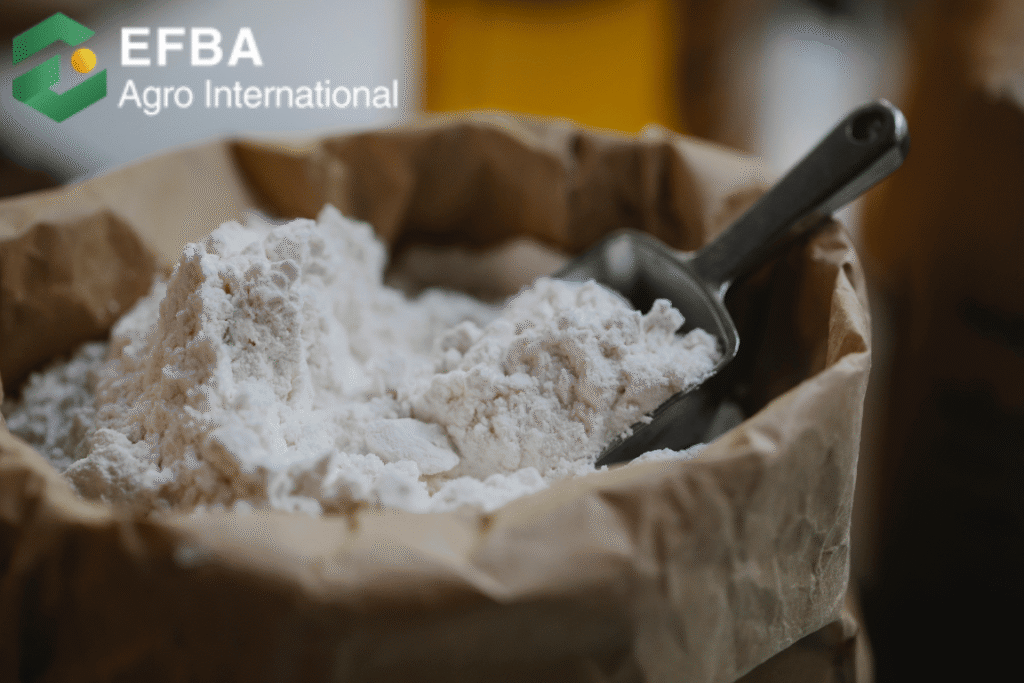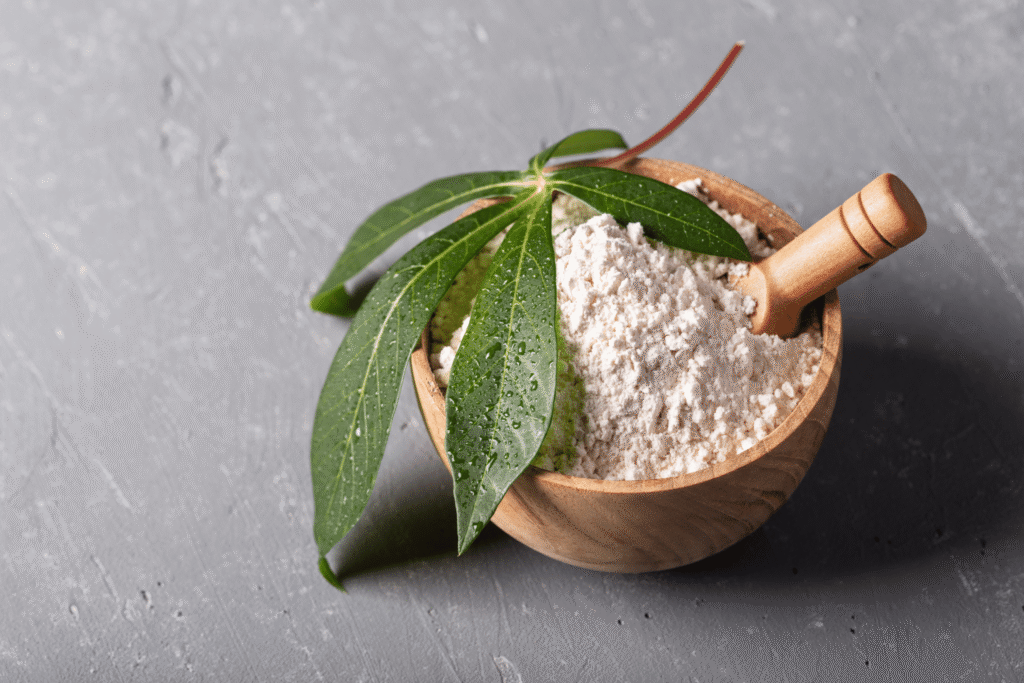
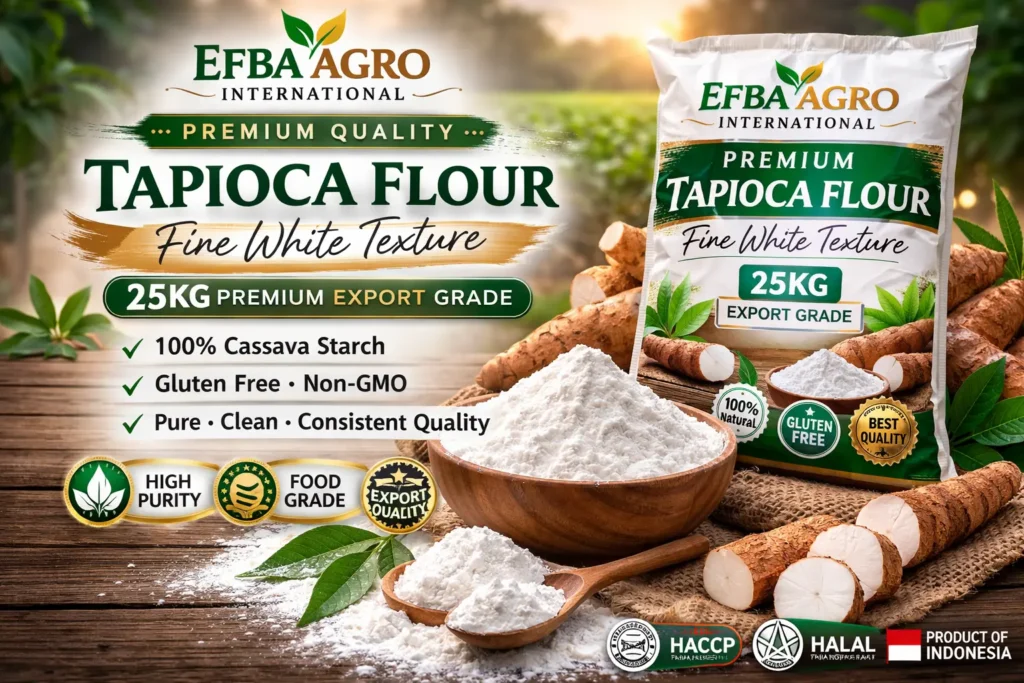
Buy Tapioca Flour is becoming a smart choice for global food industries and health-conscious consumers who seek a natural starch source with high energy value. Derived from cassava roots, tapioca flour stands out for its purity, versatility, and neutral taste, which allows manufacturers and home users to apply it across a wide range of food products without altering original flavors.
As demand for clean-label ingredients continues to grow, many buyers actively look to buy tapioca flour because it offers consistency, functionality, and global acceptance in modern food systems. At the same time, its naturally high starch content makes it a reliable energy source, especially in regions where carbohydrate-based nutrition remains essential. Understanding its origin, characteristics, and applications helps buyers make more strategic sourcing decisions while ensuring product quality and compliance with international standards.
Understanding Tapioca Flour as a Natural Starch Source
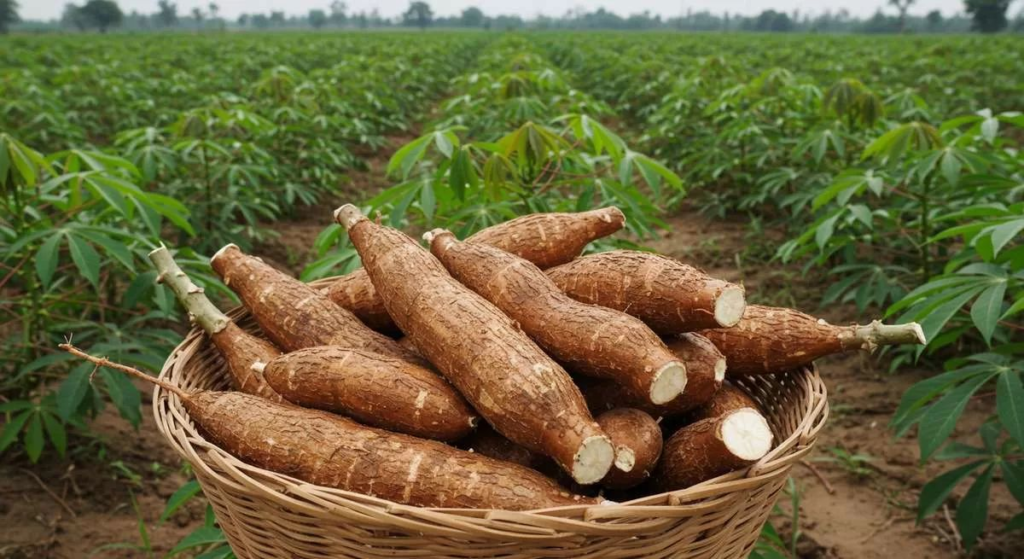
Tapioca flour comes from cassava roots, specifically Manihot esculenta, which grows widely in tropical climates such as Southeast Asia, Africa, and South America. Farmers cultivate cassava because it adapts well to poor soil conditions and still produces high yields. As a result, producers can consistently supply large volumes to meet global demand. When industries buy tapioca flour, they often prioritize origin because climate and soil conditions directly influence starch quality and purity. Indonesia, for example, plays a major role as a reliable source due to its stable agricultural ecosystem and experienced farming communities.
In addition, the natural composition of cassava explains why many manufacturers choose to buy tapioca flour for food production. It contains almost pure carbohydrates with minimal protein and fat, which allows it to function as a clean and efficient starch base. Organizations such as the Food and Agriculture Organization recognize cassava as a strategic crop for global food security because it delivers high caloric output per hectare. Therefore, industries increasingly rely on tapioca flour not only for functionality but also for sustainability. This combination of agricultural resilience and functional performance strengthens its position in international markets.
Key Characteristics of High-Starch Tapioca Flour
Tapioca flour stands out because of its high starch concentration, which can reach up to 81 percent. This level of purity allows manufacturers to achieve consistent results across various applications. When businesses buy tapioca flour, they usually evaluate its texture, color, and performance under heat. A high-quality product appears as a fine white powder with a smooth texture that blends easily into different formulations. Moreover, its neutral aroma ensures that it does not interfere with the flavor profile of the final product.
Beyond appearance, its functional properties make it highly valuable. For example, it forms a clear and glossy gel when heated with water, which enhances the visual appeal of sauces and desserts. At the same time, it remains stable during freezing and reheating processes, which supports large-scale food production. Because of these advantages, many food developers actively buy tapioca flour to improve product consistency and shelf stability. Furthermore, its gluten-free nature expands its usability in specialized diets. As consumer preferences shift toward allergen-free products, the demand continues to rise, reinforcing its importance in modern food innovation.
Nutritional Value and Energy Contribution
Tapioca flour primarily serves as a high-energy ingredient due to its rich carbohydrate content. In every 100 grams, it delivers around 350 calories, which makes it an efficient energy source for daily consumption. When producers buy tapioca flour, they often aim to incorporate it into products that require quick energy release. This characteristic benefits athletes, workers, and individuals who need sustained physical performance throughout the day.
Although it contains minimal protein and fat, its digestibility remains one of its strongest advantages. The body quickly converts its starch into glucose, which provides immediate energy. For this reason, many food manufacturers choose to buy tapioca flour for products designed for children and elderly consumers. Additionally, institutions like the World Health Organization emphasize the importance of accessible carbohydrate sources in maintaining balanced nutrition. As a result, tapioca flour plays a significant role in both traditional diets and modern processed foods. Its ability to serve as a neutral base also allows producers to fortify it with vitamins and minerals, increasing its nutritional value without compromising its functional properties.
Functional Benefits in Food Applications
Tapioca flour offers a wide range of functional benefits that make it indispensable in food processing. Its ability to thicken liquids efficiently allows chefs and manufacturers to create smooth and stable textures in soups, sauces, and gravies. When companies buy tapioca flour, they often rely on this property to enhance product quality while maintaining cost efficiency. In baking, it improves elasticity and moisture retention, which results in softer bread and more appealing textures in gluten-free recipes.
Moreover, it performs well in both hot and cold applications. It maintains stability during freezing and thawing cycles, which supports the production of frozen foods. Because of this, many global brands continue to buy tapioca flour for ready-to-eat meals and packaged products. Its binding ability also helps maintain structure in processed foods, ensuring consistency during storage and distribution. At the same time, its neutral taste allows manufacturers to experiment with flavors without interference. These combined advantages explain why tapioca flour remains a preferred ingredient across different sectors, from small-scale kitchens to large industrial operations.
Versatility Across Culinary and Industrial Uses
The versatility of tapioca flour extends far beyond basic cooking applications. In the culinary world, it plays a crucial role in desserts such as puddings and tapioca pearls, which are widely used in beverages like bubble tea. Many beverage companies buy tapioca flour to produce pearls with a chewy texture that enhances the drinking experience. Additionally, snack manufacturers use it to create light and crispy products, which appeal to a broad consumer base.
At the industrial level, its role becomes even more significant. Food processors use it as a stabilizer and thickener to maintain product consistency during mass production. Because it adapts well to different processing conditions, companies prefer to buy tapioca flour for large-scale manufacturing. Furthermore, its plant-based origin aligns with current sustainability trends, making it attractive to environmentally conscious brands. As innovation continues, new applications keep emerging, which further increases its global demand. This ongoing expansion highlights its importance as both a traditional ingredient and a modern industrial solution.
Global Demand and Market Relevance
Global demand for tapioca flour continues to grow as industries shift toward natural and functional ingredients. Consumers increasingly prefer products that contain simple and recognizable components, which encourages manufacturers to buy tapioca flour as a clean-label solution. Its gluten-free status also strengthens its appeal in markets where dietary restrictions influence purchasing decisions.
In Europe and other developed regions, food producers actively seek reliable suppliers to ensure consistent quality and compliance with strict regulations. As a result, sourcing becomes a critical factor when businesses decide to buy tapioca flour. High-quality products must meet standards related to moisture content, starch purity, and safety. This requirement pushes suppliers to maintain transparency and consistency in their production processes. Consequently, tapioca flour continues to secure its position as a globally relevant ingredient that supports both traditional consumption and modern innovation.
A Reliable Natural Ingredient for Modern Needs
Tapioca flour represents a complete natural starch solution that combines functionality, sustainability, and energy efficiency. Its high starch content, neutral flavor, and versatile applications make it suitable for a wide range of industries. As more companies aim to innovate while maintaining product quality, they consistently choose to buy tapioca flour as a dependable ingredient.
Its journey from cassava roots to global markets reflects its importance in both agriculture and food technology. By understanding its characteristics and benefits, buyers can make informed decisions that support long-term growth and product development. For those seeking high-quality supply and deeper product insights, exploring efba agro can provide valuable information. You can learn more about Tapioca Flour through https://efbaagro.id/tapioca-flour-food-grade/ and discover additional commodities at https://efbaagro.id/#commodities. For direct inquiries, connect via WhatsApp https://wa.me/6285285469417 or visit https://efbaagro.id/
Expanding Industrial Value and Functional Innovation
Tapioca flour continues to evolve beyond traditional usage as industries explore new ways to maximize its functional value. Food technologists actively experiment with formulations where starch behavior determines product success. As a result, many manufacturers consistently buy tapioca flour to improve texture stability, viscosity control, and overall product performance. Its ability to form a stable gel under heat while remaining neutral in taste allows developers to create products that meet both sensory and structural expectations. This advantage becomes especially important in processed foods where consistency defines brand quality.
Furthermore, modern innovation pushes tapioca flour into specialized applications such as plant-based alternatives and gluten-free formulations. As demand rises, producers refine their standards to ensure uniform particle size and moisture levels. Because of this, companies that buy tapioca flour gain flexibility in product design while maintaining efficiency in large-scale production. In addition, its compatibility with other ingredients makes it easier to blend into complex recipes without compromising stability. Consequently, tapioca flour plays a growing role in shaping the future of food technology, where adaptability and performance remain essential for global competitiveness.
Clean Label Trends and Consumer Preference
Consumer awareness continues to influence ingredient selection, especially in markets that prioritize transparency and simplicity. Many buyers now prefer products with minimal processing and recognizable components. This shift encourages manufacturers to buy tapioca flour because it aligns with clean label expectations. Its natural origin and straightforward composition make it easier to communicate product value to end consumers without confusion or skepticism. As a result, brands gain a competitive advantage by incorporating ingredients that reflect clarity and trust.
At the same time, health-conscious consumers seek alternatives that support specific dietary needs. Tapioca flour meets this demand due to its gluten-free nature and easy digestibility. When producers buy tapioca flour, they often position their products within niche markets such as gluten-free, vegan, or allergen-friendly categories. This strategic approach helps them expand market reach while addressing evolving consumer behavior. Moreover, its versatility allows manufacturers to innovate without introducing artificial additives. Therefore, tapioca flour not only supports production efficiency but also strengthens brand credibility in a market driven by informed choices.
Supply Chain Strength and Global Sourcing Strategy
A strong supply chain plays a crucial role in maintaining product quality and availability. Countries with established cassava production systems provide a reliable foundation for consistent tapioca flour supply. Indonesia, in particular, offers a stable environment where agricultural practices support high-quality output. When global buyers decide to buy tapioca flour, they often evaluate supplier reliability, production capacity, and adherence to international standards. These factors directly impact long-term partnerships and business sustainability.
In addition, logistics and quality control processes ensure that tapioca flour reaches international markets in optimal condition. Exporters implement strict measures to maintain purity, prevent contamination, and preserve starch quality during transportation. Because of this, companies that buy tapioca flour from trusted sources can maintain product consistency across different regions. Furthermore, global trade networks continue to expand, making it easier for buyers to access premium-grade products. This interconnected system strengthens the position of tapioca flour as a dependable commodity that supports both local industries and international markets.
Future Outlook and Sustainable Growth
The future of tapioca flour remains closely tied to sustainability and innovation. As global demand increases, producers focus on improving agricultural efficiency while minimizing environmental impact. Cassava cultivation already offers advantages due to its resilience and adaptability, which supports long-term sustainability goals. When companies choose to buy tapioca flour, they indirectly support agricultural systems that require fewer resources compared to other crops. This factor becomes increasingly important as industries move toward environmentally responsible practices.
Looking ahead, research and development will continue to expand its applications across different sectors. Scientists and food developers explore new processing techniques that enhance functionality without compromising natural qualities. As a result, businesses that buy tapioca flour can expect even greater versatility in the future. In parallel, consumer demand for sustainable and plant-based ingredients will drive further growth. This ongoing evolution ensures that tapioca flour remains relevant in both traditional and modern contexts, offering a reliable solution for industries that prioritize quality, efficiency, and sustainability.
Strengthening Market Position Through Quality Awareness
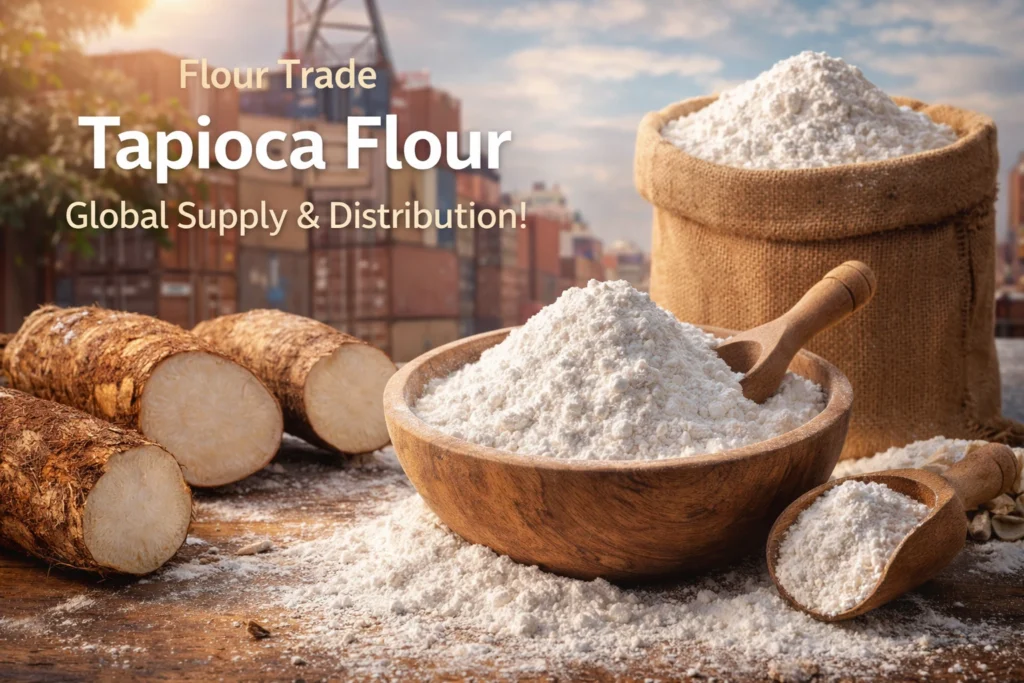
Quality awareness plays a decisive role in shaping purchasing decisions within competitive markets. Buyers no longer focus solely on price; they evaluate consistency, certification, and product performance. This shift encourages businesses to buy tapioca flour from suppliers who demonstrate transparency and maintain strict quality standards. Parameters such as starch content, moisture level, and color uniformity become essential indicators that influence trust and long-term collaboration. By prioritizing these aspects, companies can reduce production risks and ensure consistent output.
Moreover, education about product characteristics helps buyers make informed choices that align with their operational goals. When manufacturers understand how to assess quality, they can select the right type of tapioca flour for specific applications. This knowledge also allows them to optimize production processes and improve final product results. Consequently, the decision to buy tapioca flour becomes a strategic investment rather than a routine purchase. As awareness continues to grow, the market will increasingly reward suppliers who deliver both quality and reliability, reinforcing the global importance of tapioca flour in modern industry.
on about Tapioca Flour, discover our commodities, or contact us directly through WhatsApp for inquiries and collaboration opportunities.
https://wa.me/6285285469417
Sustainable Food Supply
Tapioca Flour export in 30kg bags offers food buyers a practical, reliable, and versatile ingredient for modern food production. From bakery and snacks to sauces and plant based foods, tapioca flour continues to support innovation across the global food industry.
Indonesia’s strong production base, combined with experienced exporters, makes it an ideal sourcing destination. By choosing professional suppliers who prioritize quality, compliance, and partnership, food buyers can secure stable supply chains and support long term business growth.
direct consultation and pricing, feel free to contact us via this WhatsApp and discuss your Tapioca Flour requirements with our team.
EFBA Agro International: A Global Supplier Built on Quality, Integrity, and Long-Term Collaboration

EFBA Agro International has grown into one of Indonesia’s most trusted agricultural exporters, serving food manufacturers, distributors, and industrial companies around the world. Built on a foundation of transparency, quality assurance, and long-term collaboration, EFBA Agro delivers a portfolio of commodities designed to support the evolving needs of global supply chains. For buyers who rely on Tapioca Flour as a core ingredient in food production or industrial applications, EFBA Agro provides not only consistent quality but also the confidence that every shipment meets international standards. Our sourcing network spans multiple agricultural regions in Indonesia, giving buyers access to stable production, clear documentation, and export-ready packaging that aligns with global procurement systems.
What sets EFBA Agro apart is our commitment to direct collaboration with processors, mills, and farmer groups. This approach ensures full visibility over raw material selection, processing techniques, and quality control benchmarks. While Tapioca Flour remains one of our strongest export categories, we are equally dedicated to developing a diversified commodity line that supports a wider range of industries. Our export operations emphasize reliability, communication, and proactive updates, helping buyers plan ahead and avoid supply disruptions. EFBA Agro positions itself not just as a vendor but as a strategic partner capable of supporting long-term procurement planning across multiple product categories.
EFBA Agro’s Full Commodity Line: From Tapioca Flour to Premium Spices and Natural Ingredients
Beyond our focus on Tapioca Flour, EFBA Agro International offers a comprehensive selection of agricultural commodities tailored for global markets. Each product category is handled with strict quality protocols, ensuring consistency from the point of harvest to export clearance.
Our portfolio includes Arenga Palm Sugar (both molded and granulated), Candlenut (shelled and polished grades), Black Pepper, Vanilla Beans, Nutmeg, Cloves, Cocoa derivatives, and specialty natural ingredients sourced from Indonesia’s most productive agricultural zones. These commodities support various industries from food and beverages to natural cosmetics, wellness, and industrial formulations.
The diversity of this portfolio allows buyers to consolidate multiple SKUs under one trusted supplier, significantly reducing logistical complexity and administrative workload. Companies that purchase Tapioca Flour often expand their partnership with EFBA Agro once they recognize the operational advantages of working with a supplier capable of managing large-volume shipments, export documentation, container optimization, and consistent communication.
Our website’s commodities section highlights each product’s specifications, applications, and export readiness, ensuring that buyers can evaluate options clearly before placing an order. By offering a multi-commodity ecosystem with modern, export-focused processes, EFBA Agro reinforces its commitment to supporting long-term growth for global manufacturers and distributors.
FAQ – Buy Tapioca Flour
1. What moisture level should buyers expect in tapioca flour?
Buy Tapioca Flour with moisture below 13 percent to ensure longer shelf life, prevent clumping, and maintain consistent starch performance during storage and processing.
2. How is tapioca flour different from tapioca starch?
Buy Tapioca Flour often refers to the same refined product as tapioca starch, but naming can vary by region, labeling practice, and industry usage standards.
3. What packaging options are available for bulk orders?
Buy Tapioca Flour in bulk is usually packed in 25kg or 50kg bags, using polypropylene or paper sacks with inner lining for moisture protection.
4. Can tapioca flour be used for non-food industries?
Buy Tapioca Flour for industrial use includes applications in paper, textile, and biodegradable materials due to its binding and film-forming properties.
5. What certifications are important when importing tapioca flour?
Buy Tapioca Flour with certifications like ISO, HACCP, and Halal to ensure compliance with international food safety and quality standards.
6. How should tapioca flour be stored after purchase?
Buy Tapioca Flour and store it in a cool, dry place away from direct sunlight to maintain quality, prevent contamination, and extend usability.