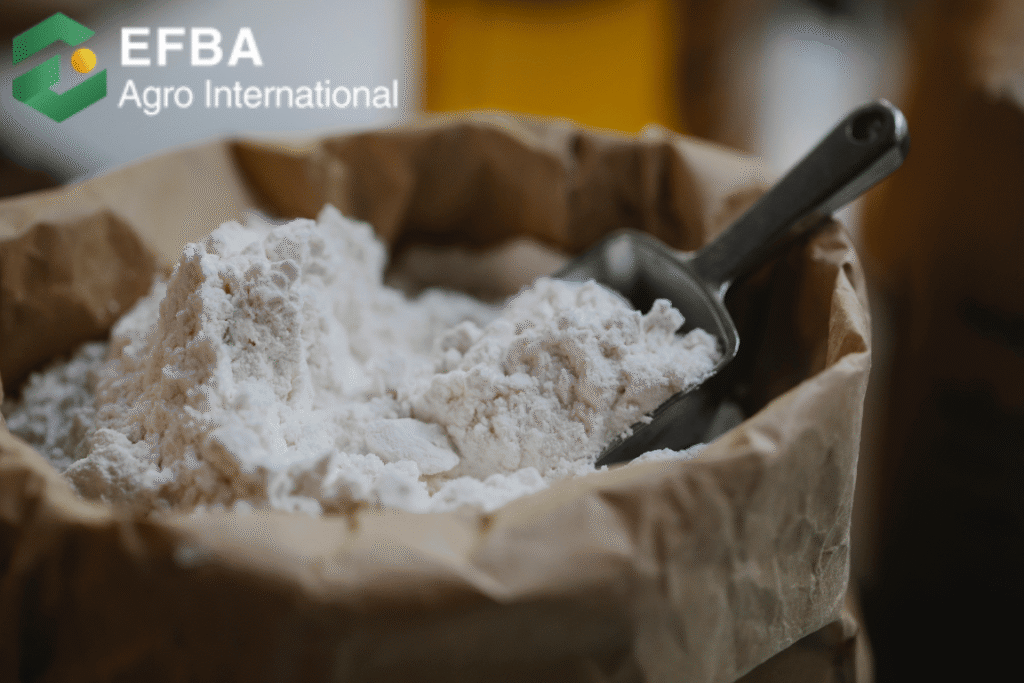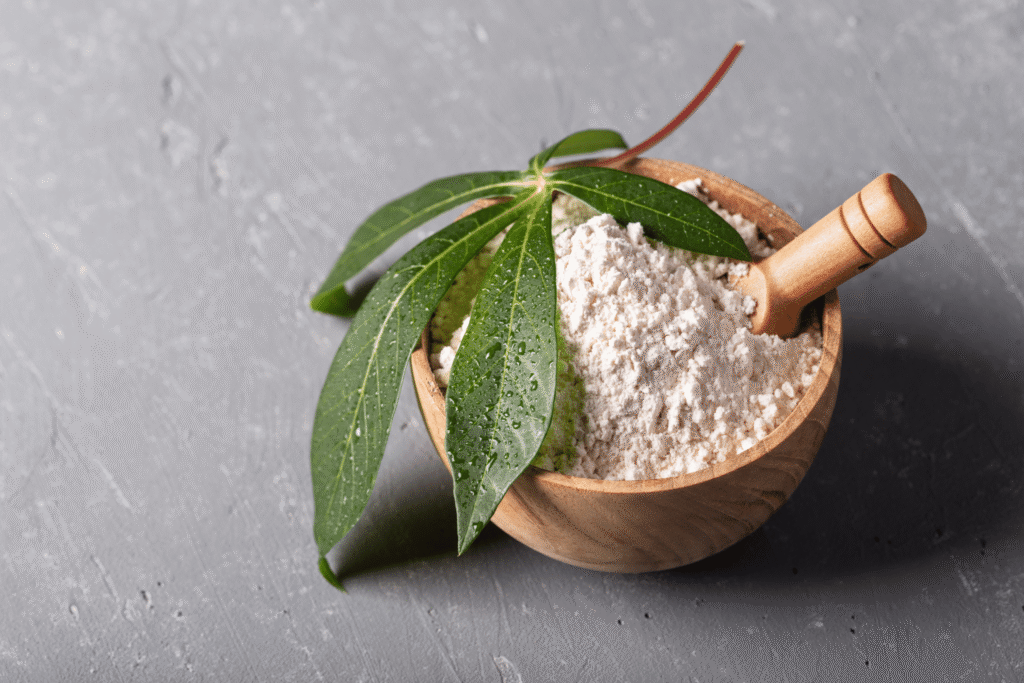

Flour Trade tapioca flour has become one of the most reliable ingredients for both global food manufacturers and industrial producers. EFBA Agro supplies export-grade tapioca flour designed to meet strict international standards while supporting large-scale production requirements. With high starch content, neutral flavor, and excellent functional stability, this flour integrates seamlessly into diverse manufacturing environments ranging from commercial bakeries to industrial processing plants.
Packaged in durable 25kg export-grade bags, the flour is engineered for long-distance transport and bulk handling. This packaging format protects the product from moisture, contamination, and structural degradation during international shipping. Manufacturers and distributors rely on this format because it simplifies logistics while maintaining product consistency throughout the supply chain.
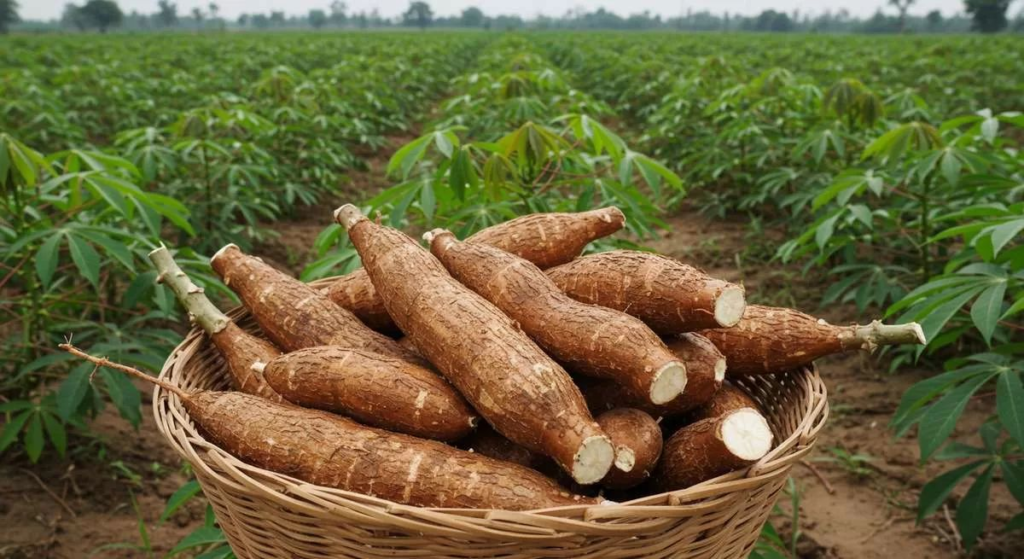
EFBA Agro carefully sources cassava roots from selected agricultural regions known for high starch yield and stable crop quality. Through controlled milling processes and rigorous quality testing, the company ensures every batch delivers consistent particle size, reliable moisture levels, and predictable performance. These factors make the product ideal for industries that require technical precision in food formulation or industrial processing.
Across global markets, demand for tapioca flour continues to grow as manufacturers seek gluten-free, clean-label, and plant-based ingredients. Its versatility allows it to function not only as a thickener or binder but also as a structural component in modern food systems. EFBA Agro’s commitment to quality assurance and sustainable sourcing ensures that buyers receive dependable flour that supports both product innovation and stable supply chains.
Flour Trade: Core Functional Characteristics of Tapioca Flour
Tapioca flour possesses a set of unique functional characteristics that make it valuable across a wide range of industries. One of the most important properties is its exceptionally high starch content, which allows it to perform effectively as a thickening and binding agent. When exposed to heat and moisture, the starch granules gelatinize, creating smooth and stable textures in food formulations.
Another defining feature is the flour’s neutral flavor profile. Unlike many grain-based flours that can influence taste, tapioca flour blends seamlessly into recipes without altering the final flavor. This allows food manufacturers to maintain product authenticity while improving structure and consistency. The ingredient works particularly well in products that rely on delicate flavor balance, including sauces, pastries, desserts, and specialty baked goods.
The flour also exhibits strong water-binding capabilities, which contribute to moisture retention in baked goods and processed foods. This characteristic helps extend shelf life while maintaining desirable texture. Industrial kitchens and food processing companies rely on this functionality to ensure products remain stable during storage, transport, and reheating processes.
Particle uniformity is another critical attribute maintained through EFBA Agro’s controlled milling procedures. Uniform particle size ensures consistent hydration and blending behavior during production. This predictability reduces processing errors and allows manufacturers to achieve repeatable results across multiple production batches.
Because of these properties, tapioca flour has become a strategic ingredient in both traditional and modern food manufacturing systems. Its technical reliability enables manufacturers to streamline production while maintaining product quality at scale.
Industrial Advantage 1 – Superior Thickening Stability
One of the most significant industrial advantages of tapioca flour lies in its exceptional thickening stability. When incorporated into liquid formulations such as sauces, gravies, and dessert fillings, the starch rapidly hydrates and forms a smooth, cohesive structure. This stability ensures that food products maintain their desired consistency even under high-temperature processing conditions.
In large-scale food production environments, maintaining consistent viscosity is critical. Variations in thickening performance can disrupt automated production lines or compromise product quality. Tapioca flour addresses this challenge by delivering predictable gelatinization behavior, allowing manufacturers to maintain uniform results during continuous processing.
Another benefit is its ability to withstand repeated heating and cooling cycles without significant breakdown. Many processed foods undergo temperature fluctuations during cooking, packaging, freezing, and reheating. Tapioca starch maintains structural integrity throughout these processes, preserving texture and visual appeal.
The flour also produces a glossy and smooth finish in many culinary applications. This characteristic is particularly valuable for sauces and dessert toppings, where visual presentation contributes to consumer perception of quality. Industrial chefs and product developers often select tapioca flour for this reason, as it enhances both functionality and appearance.
EFBA Agro’s flour undergoes strict quality checks to ensure stable starch performance across batches. Consistency at this level allows manufacturers to rely on predictable thickening properties, minimizing production adjustments and maintaining high efficiency in large-scale operations.
Industrial Advantage 2 – Reliable Binding and Texture Formation

Another key advantage of tapioca flour is its reliable binding capability. In both food and industrial formulations, binding agents play a crucial role in maintaining structural integrity. Tapioca starch forms cohesive networks when hydrated, allowing ingredients to remain evenly distributed throughout a mixture.
This property is particularly valuable in gluten-free food production. Without gluten, baked goods often struggle to maintain structure and elasticity. Tapioca flour compensates for this limitation by improving dough flexibility and chewiness. The result is bread, cakes, and pastries that exhibit desirable texture despite the absence of wheat proteins.
Snack manufacturers also rely heavily on this functionality. Tapioca flour helps bind ingredients in chips, crackers, and extruded snacks while contributing to the characteristic crispness consumers expect. The ingredient supports consistent expansion and structure during frying or baking processes, ensuring uniform product quality across large production runs.
In confectionery production, the binding characteristics of tapioca starch contribute to smooth textures in candies, fillings, and dessert components. The starch helps stabilize mixtures while preventing separation during storage. This reliability allows confectionery manufacturers to produce consistent products even when scaling up recipes for industrial output.
EFBA Agro maintains precise moisture control during processing, ensuring that the flour’s binding capacity remains stable. By providing consistent functional performance, the company enables manufacturers to optimize recipes and reduce formulation variability.
Industrial Advantage 3 – High Compatibility in Multi-Industry Applications
The third major industrial advantage of tapioca flour lies in its compatibility with diverse production environments. Unlike many specialty ingredients that serve narrow functions, tapioca flour adapts to a wide range of food and non-food applications. Its neutral chemistry and plant-based origin make it suitable for both traditional food processing and emerging industrial innovations.
In the food industry, the flour supports applications ranging from baked goods and noodles to frozen meals and plant-based dairy alternatives. Its ability to improve texture without influencing flavor allows manufacturers to incorporate it into a variety of formulations. This flexibility simplifies ingredient sourcing and reduces the need for multiple specialized additives.
Beyond food production, tapioca starch also plays an important role in industrial manufacturing. It is widely used as a natural binder in paper production, textile finishing, and biodegradable materials. Companies seeking renewable alternatives to synthetic chemicals increasingly turn to tapioca starch as an eco-friendly option.
Bioplastic and sustainable packaging industries have also begun integrating tapioca starch into production processes. As environmental concerns drive demand for biodegradable materials, plant-based starches offer a promising solution. Tapioca flour provides functional strength while maintaining environmental compatibility, making it attractive to manufacturers focused on sustainability.
Through consistent quality control and export-grade processing, EFBA Agro ensures the flour performs reliably across these industries. This cross-sector versatility strengthens the product’s position in the global commodity market.
Flour Trade: Applications Across Global Food Manufacturing

Flour Trade Tapioca flour is widely used in global food manufacturing due to its functional adaptability and consistent performance. Bakeries incorporate it into gluten-free bread, cakes, and pastries to improve structure and moisture retention. The flour’s starch content enhances elasticity and chewiness, producing baked goods that remain soft and appealing even after storage.
Snack manufacturers use tapioca flour to create crispy textures in chips, crackers, and extruded snacks. The ingredient contributes to uniform expansion during frying or baking, allowing producers to maintain consistent product quality across large batches. This reliability is essential for brands that operate large-scale production lines.
Food processors also rely on tapioca flour as a thickener in soups, sauces, and dessert fillings. Its smooth gelatinization properties prevent clumping and ensure even distribution throughout the mixture. This helps maintain stable viscosity during cooking and packaging processes.
Frozen food manufacturers benefit from the flour’s stability under low temperatures. Tapioca starch retains its structural properties during freezing and thawing cycles, preventing texture degradation. Ready-to-eat meals, frozen desserts, and packaged sauces often incorporate tapioca flour to maintain quality after storage.
Through these applications, tapioca flour continues to play a vital role in global food production systems.
Flour Trade: Global Culinary Adaptation and Market Diversity
Across international culinary traditions, tapioca flour continues to demonstrate remarkable versatility. Different regions integrate this ingredient into traditional foods, modern recipes, and innovative product development. Its adaptability allows chefs and manufacturers to maintain authentic flavors while improving the texture and stability of their products.
In Southeast Asia, tapioca flour is widely known for its role in creating tapioca pearls used in beverages and desserts. These pearls provide the distinctive chewy texture that has made bubble tea and other tapioca-based treats globally popular. The flour is also incorporated into traditional snacks, noodles, and dumpling wrappers, where elasticity and smooth consistency are essential.
European and North American food producers frequently rely on tapioca flour in gluten-free baking. As consumer demand for allergen-friendly products continues to expand, bakeries and packaged food companies increasingly integrate tapioca starch into breads, muffins, and cookies. The flour’s neutral taste allows it to blend seamlessly with other gluten-free ingredients such as rice flour, almond flour, or potato starch.
South American cuisine offers another example of tapioca flour’s global relevance. Traditional breads and pastries often incorporate cassava-based ingredients to create distinctive textures. In these culinary contexts, tapioca flour provides elasticity and moisture retention while maintaining the authentic taste of regional recipes.
This widespread culinary acceptance reflects the ingredient’s ability to bridge cultural and industrial food production. Manufacturers worldwide appreciate its predictable performance and flexibility, enabling them to develop products that satisfy diverse consumer preferences across international markets.
Flour Trade: Gluten-Free Nutrition and Specialty Diets
One of the primary reasons for the increasing popularity of tapioca flour is its natural gluten-free composition. For individuals affected by gluten intolerance or celiac disease, this ingredient offers a safe alternative to wheat-based flours. Its neutral flavor and smooth texture allow food manufacturers to develop gluten-free products that remain appealing to mainstream consumers.
Gluten-free diets have gained widespread attention not only for medical reasons but also as part of broader health and wellness trends. Consumers seeking simpler ingredient lists and plant-based products often prefer foods made with cassava-derived flour. Tapioca flour fits naturally within these dietary preferences because it is minimally processed and derived entirely from plant sources.
Food companies use tapioca flour to create a wide range of specialty products. Gluten-free breads, pastries, and snack foods benefit from the flour’s ability to improve structure and elasticity. Without gluten proteins, many baked goods risk becoming dry or crumbly. Tapioca starch helps counteract this challenge by binding moisture and supporting a cohesive crumb structure.
The flour also provides quick energy due to its carbohydrate content. In certain applications such as sports nutrition snacks or specialty dietary foods, this characteristic becomes particularly valuable. Manufacturers can formulate products that deliver both functional nutrition and appealing texture.
EFBA Agro supports these specialized markets by maintaining strict quality control procedures. Each batch of flour undergoes testing to ensure it remains free from contamination and meets international food safety requirements. This commitment to purity allows manufacturers to confidently develop gluten-free products for global distribution.
Flour Trade: Industrial Processing and Non-Food Applications
Beyond its culinary uses, tapioca flour plays an important role in numerous industrial processes. The starch derived from cassava possesses natural binding and thickening properties that make it valuable in manufacturing environments outside the food sector.
One notable application occurs in the paper industry. Tapioca starch is commonly used as a surface sizing agent that improves paper strength and printability. By forming a thin adhesive layer on paper fibers, the starch enhances durability and helps maintain smooth printing surfaces.
Textile manufacturing also benefits from tapioca-based starch. During fabric processing, starch solutions are applied to strengthen threads and improve weaving efficiency. The natural composition of tapioca starch makes it an appealing alternative to synthetic additives, particularly for companies seeking environmentally responsible production methods.
Another rapidly growing field involves biodegradable materials. As industries explore alternatives to petroleum-based plastics, starch derived from cassava has emerged as a promising raw material. Tapioca starch can be incorporated into bioplastic formulations that decompose more easily in natural environments. This contributes to sustainability initiatives and reduces long-term environmental impact.
Adhesive production represents yet another industrial application. Tapioca starch acts as a natural binder in many adhesive formulations used for packaging, labeling, and paperboard manufacturing. Its renewable origin makes it attractive to companies attempting to reduce reliance on petrochemical-based ingredients.
These diverse industrial applications demonstrate how tapioca flour extends far beyond traditional food production. Its multifunctional properties allow manufacturers across sectors to benefit from a renewable and adaptable raw material.
Flour Trade: Sustainable Cassava Sourcing and Agricultural Responsibility
The quality of tapioca flour begins with responsible cassava cultivation. EFBA Agro collaborates with agricultural partners who follow sustainable farming practices designed to preserve soil health and maintain long-term productivity. By selecting cassava varieties with high starch yield and stable growth characteristics, the company ensures a reliable raw material supply for processing.
Farmers participating in the supply network focus on proper crop rotation and soil management techniques. These agricultural practices help prevent soil degradation while supporting consistent harvest yields. Sustainable cultivation also contributes to local economic stability by providing farmers with dependable income opportunities.
After harvesting, cassava roots undergo careful selection before entering the milling process. Quality inspections evaluate parameters such as freshness, starch concentration, and physical integrity. Only cassava that meets strict criteria proceeds to processing facilities, ensuring the final flour maintains high performance standards.
EFBA Agro’s processing methods emphasize efficiency while preserving the natural characteristics of the cassava starch. Advanced milling equipment produces flour with uniform particle size, allowing manufacturers to achieve consistent hydration and blending during production.
Through responsible sourcing and transparent supply chain management, EFBA Agro reinforces its commitment to sustainable ingredient production. Buyers benefit from a product that not only meets technical specifications but also aligns with modern environmental and ethical expectations.
Flour Trade: Export Logistics and Supply Chain Reliability
Reliable logistics play a critical role in international flour trade. EFBA Agro has developed an export system designed to support global buyers with efficient delivery and transparent communication throughout the supply process.
Once the flour is processed and packaged, shipments are prepared according to international export standards. Documentation such as certificates of origin, quality reports, and shipping documentation accompanies each order. These records simplify customs procedures and ensure compliance with import regulations in destination countries.
The company coordinates closely with logistics partners to maintain stable transportation schedules. Timely delivery is essential for manufacturers who depend on consistent ingredient availability to maintain production continuity. By managing logistics carefully, EFBA Agro minimizes delays and ensures that buyers receive their orders according to agreed timelines.
Communication also plays a central role in successful international trade relationships. Buyers receive clear updates regarding order status, shipping schedules, and documentation requirements. This transparency allows importers to plan inventory and coordinate distribution effectively.
Through efficient logistics management, EFBA Agro strengthens its reputation as a dependable supplier within the global tapioca flour market.
Flour Trade: Packaging Technology and Storage Stability
Proper packaging is essential for preserving the functional characteristics of tapioca flour during storage and transportation. EFBA Agro packages its flour in durable 25kg woven bags specifically designed for export conditions. These bags protect the flour from moisture exposure, contamination, and environmental fluctuations.
The woven structure of the bags provides both strength and ventilation, helping maintain the flour’s natural stability. During international shipping, goods may experience varying temperature and humidity levels. High-quality packaging ensures the product remains in optimal condition despite these challenges.
Storage recommendations further support product stability. Maintaining a cool and dry environment prevents moisture absorption and helps preserve starch functionality. Warehouses handling large volumes of flour benefit from the standardized 25kg format, which simplifies stacking, inventory control, and handling procedures.
By combining durable packaging with clear storage guidance, EFBA Agro helps clients maintain product quality from the moment the flour leaves the processing facility until it reaches production lines around the world.
Flour Trade: International Quality Standards and Compliance
Quality assurance remains central to EFBA Agro’s production philosophy. Each batch of tapioca flour undergoes rigorous laboratory testing to verify parameters such as moisture content, starch concentration, particle uniformity, and microbial safety.
Compliance with international food safety standards ensures the flour can be distributed across multiple markets without regulatory complications. Hygiene control, traceability systems, and standardized processing protocols contribute to consistent product integrity.
EFBA Agro collaborates closely with its agricultural suppliers, processing teams, and logistics partners to maintain transparency throughout the supply chain. This traceability allows buyers to verify product origin and production conditions, reinforcing confidence in the ingredient’s reliability.
Through systematic quality management, the company ensures that each shipment delivers the same level of performance expected by global food manufacturers and industrial clients.
Why International Buyers Prefer EFBA Agro for Flour Trade
Global buyers often seek suppliers who can provide both consistent product quality and dependable service. EFBA Agro combines these factors by integrating sustainable sourcing, controlled processing, and efficient export logistics.
The company’s focus on cassava selection ensures high starch yield and consistent flour performance. Rigorous testing procedures maintain uniform quality across batches, allowing manufacturers to integrate the flour into their production systems without frequent adjustments.
Customer support also contributes to EFBA Agro’s strong reputation. Buyers receive responsive communication, guidance on bulk orders, and assistance with documentation required for international trade. This collaborative approach helps establish long-term business relationships built on trust and reliability.
By prioritizing quality, sustainability, and operational efficiency, EFBA Agro positions itself as a strategic partner for companies participating in the global flour trade market
Market Growth and Future Demand Flour Trade
The global market for tapioca flour continues to expand as consumer preferences evolve. Rising interest in gluten-free diets, plant-based foods, and clean-label ingredients has increased demand for cassava-derived products. Manufacturers are actively exploring new formulations that incorporate tapioca starch to improve texture and stability.
Industrial sectors are also discovering new applications for starch-based materials. From biodegradable packaging to environmentally friendly adhesives, tapioca starch offers a renewable alternative to synthetic compounds. These innovations contribute to the ingredient’s growing relevance in modern manufacturing.
As international trade networks expand, reliable suppliers become increasingly important. EFBA Agro’s focus on quality and logistics enables buyers to respond confidently to changing market conditions and consumer expectations.
Ordering and Global Distribution
International buyers interested in EFBA Agro’s tapioca flour can initiate orders through direct communication with the company’s sales team. Detailed product specifications, packaging information, and shipping options are provided to ensure clarity during the purchasing process.
Buyers may request samples before committing to large-scale orders. This allows manufacturers to evaluate the flour’s performance within their specific production systems. Once specifications are confirmed, EFBA Agro coordinates order preparation and shipping arrangements.
The company supports clients with export documentation and regulatory compliance to ensure smooth customs clearance. Through careful order management and responsive communication, EFBA Agro simplifies the process of sourcing high-quality tapioca flour for global markets.
How to Place Orders
Ordering Tapioca flour from EFBA Agro is a straightforward process. Buyers can review product specifications through the company’s official website or contact the sales team directly via WhatsApp for consultation & order. Support is provided for bulk orders, sample requests, shipment planning, and export documentation.
International clients receive transparent information regarding pricing, packaging, and delivery schedules. Personalized order management ensures that shipments align with production requirements and regulatory obligations. This structured and responsive approach simplifies procurement, allowing manufacturers, distributors, and wholesalers to integrate cassava flour into their supply chains with confidence and efficiency.
👉 Contact us on WhatsApp to order Tapioca flour from Indonesia directly.
EFBA Agro International: A Global Supplier Built on Quality, Integrity, and Long-Term Collaboration

EFBA Agro International has grown into one of Indonesia’s most trusted agricultural exporters, serving food manufacturers, distributors, and industrial companies around the world. Built on a foundation of transparency, quality assurance, and long-term collaboration, EFBA Agro delivers a portfolio of commodities designed to support the evolving needs of global supply chains. For buyers who rely on Tapioca Flour as a core ingredient in food production or industrial applications, EFBA Agro provides not only consistent quality but also the confidence that every shipment meets international standards. Our sourcing network spans multiple agricultural regions in Indonesia, giving buyers access to stable production, clear documentation, and export-ready packaging that aligns with global procurement systems.
What sets EFBA Agro apart is our commitment to direct collaboration with processors, mills, and farmer groups. This approach ensures full visibility over raw material selection, processing techniques, and quality control benchmarks. While Tapioca Flour remains one of our strongest export categories, we are equally dedicated to developing a diversified commodity line that supports a wider range of industries. Our export operations emphasize reliability, communication, and proactive updates, helping buyers plan ahead and avoid supply disruptions. EFBA Agro positions itself not just as a vendor but as a strategic partner capable of supporting long-term procurement planning across multiple product categories.
EFBA Agro’s Full Commodity Line: From Tapioca Flour to Premium Spices and Natural Ingredients
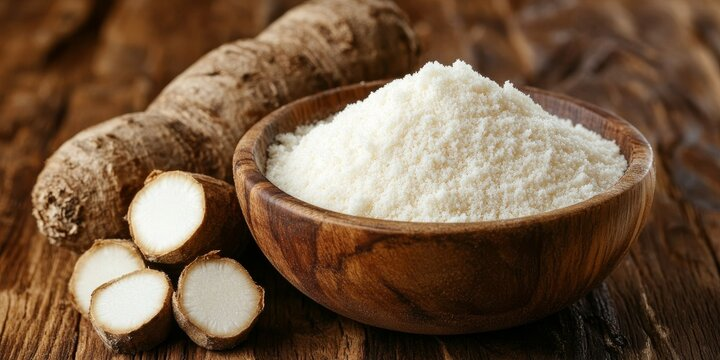
Beyond our focus on Tapioca Flour, EFBA Agro International offers a comprehensive selection of agricultural commodities tailored for global markets. Each product category is handled with strict quality protocols, ensuring consistency from the point of harvest to export clearance. Our portfolio includes Arenga Palm Sugar (both molded and granulated), Candlenut (shelled and polished grades), Black Pepper, Vanilla Beans, Nutmeg, Cloves, Cocoa derivatives, and specialty natural ingredients sourced from Indonesia’s most productive agricultural zones. These commodities support various industries from food and beverages to natural cosmetics, wellness, and industrial formulations.
The diversity of this portfolio allows buyers to consolidate multiple SKUs under one trusted supplier, significantly reducing logistical complexity and administrative workload. Companies that purchase Tapioca Flour often expand their partnership with EFBA Agro once they recognize the operational advantages of working with a supplier capable of managing large-volume shipments, export documentation, container optimization, and consistent communication. Our website’s commodities section highlights each product’s specifications, applications, and export readiness, ensuring that buyers can evaluate options clearly before placing an order. By offering a multi-commodity ecosystem with modern, export-focused processes, EFBA Agro reinforces its commitment to supporting long-term growth for global manufacturers and distributors.
FAQ – Flour Trade Tapioca Flour
1. How does flour trade tapioca flour behave in high-temperature processing?
Flour trade tapioca flour performs consistently in high-temperature production environments because its starch structure gelatinizes evenly when exposed to heat. Food processors rely on this property when manufacturing sauces, fillings, or baked goods that require stable viscosity. Even during continuous cooking processes, the flour maintains structure without separating or forming lumps. This reliability helps manufacturers maintain product consistency and reduce processing interruptions during large production runs.
2. Can flour trade tapioca flour improve shelf stability in packaged foods?
Yes. Flour trade tapioca flour contributes to moisture retention and structural stability in many packaged food products. When used in baked goods or prepared foods, the starch binds water molecules and slows moisture loss. This helps maintain soft texture and prevents dryness during storage. As a result, manufacturers can extend product shelf life while maintaining the desired eating quality and visual appearance.
3. Is flour trade tapioca flour suitable for automated food production lines?
Flour trade tapioca flour integrates smoothly into automated production systems because it hydrates quickly and mixes evenly with other ingredients. Its consistent particle size allows accurate measurement and controlled blending during industrial processing. This uniform behavior helps prevent clogging or uneven thickening in equipment, enabling factories to maintain efficient production speeds without frequent formulation adjustments.
4. How does flour trade tapioca flour support product innovation?
Flour trade tapioca flour supports innovation because it adapts easily to new food formulations. Product developers often combine it with plant proteins, alternative grains, or dairy substitutes to create modern recipes. Its neutral taste allows experimentation without overpowering flavors, while its thickening properties help maintain texture. These qualities allow manufacturers to develop new products that meet evolving consumer preferences.
5. What storage conditions protect flour trade tapioca flour quality?
Manufacturers should store flour trade tapioca flour in a dry, cool environment with controlled humidity. Proper ventilation and sealed packaging prevent moisture absorption, which can affect starch performance. When warehouses follow these conditions, the flour maintains its functional stability for extended periods, allowing businesses to store bulk quantities safely before integrating them into production.
Looking for Cascara and Gayo Coffee Beans too? Visit this platform, and you will get it perfect quality: https://coffeenesia.id/