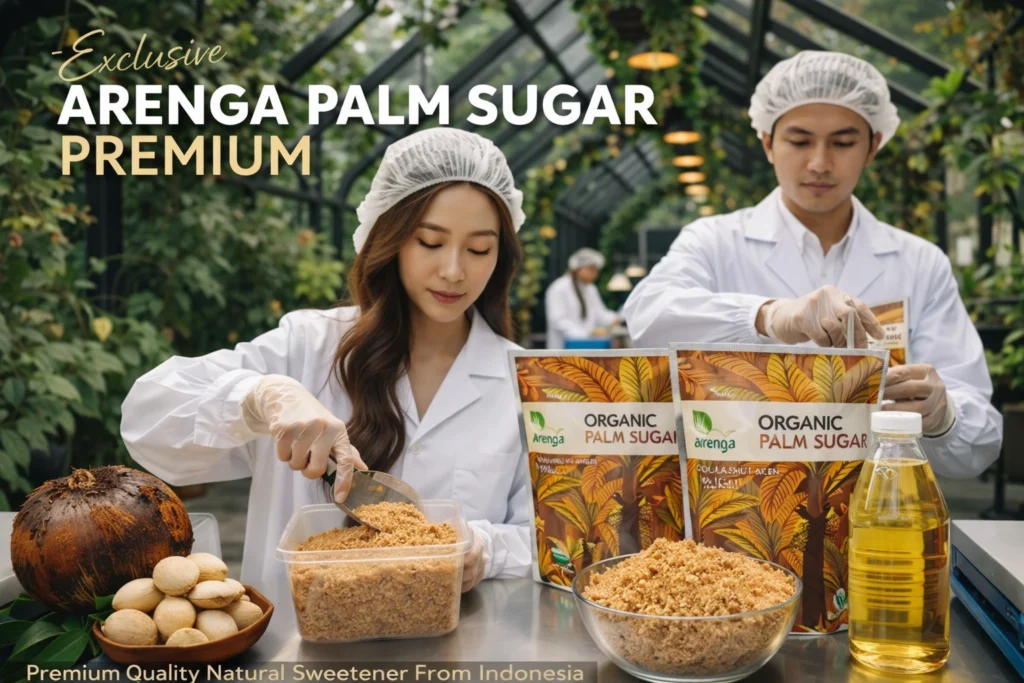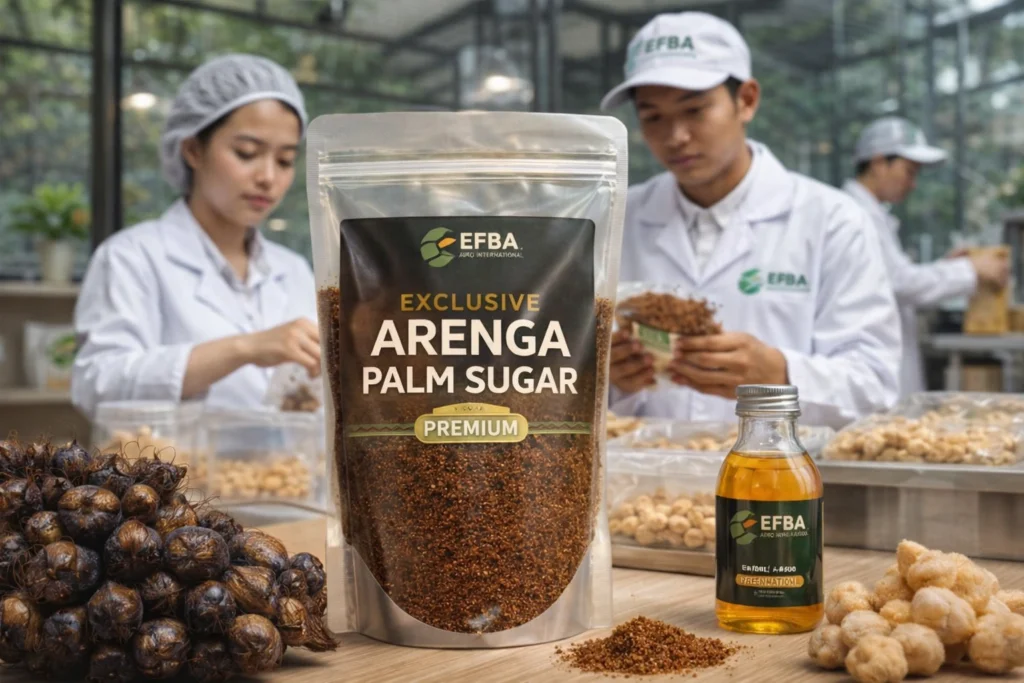
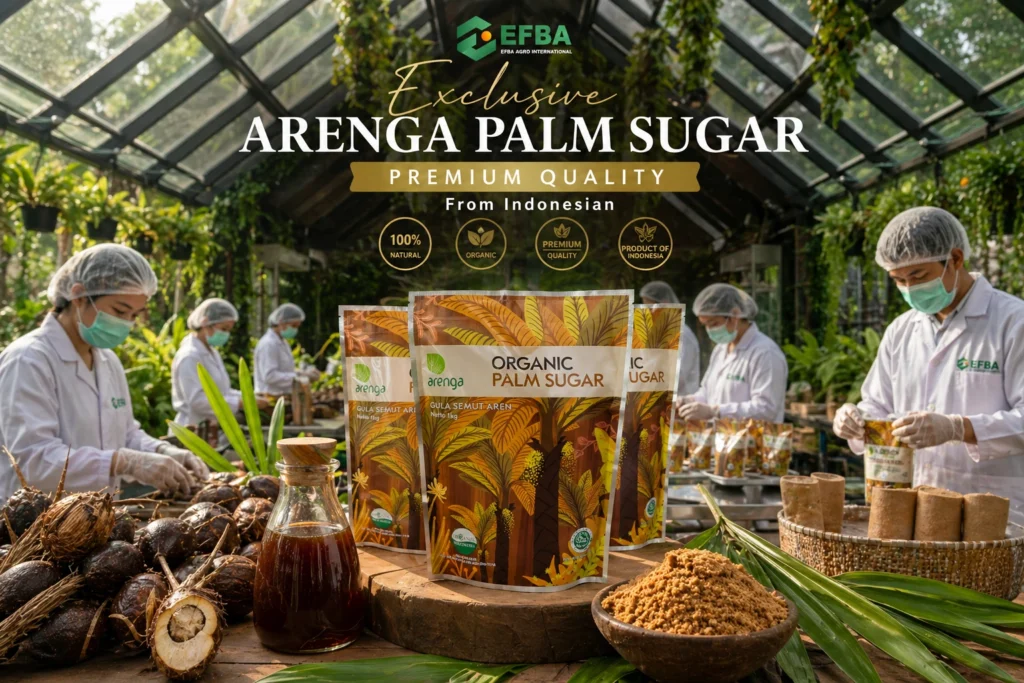
Palm Sugar stands as one of the most authentic natural sweeteners derived from tropical regions, offering a balance between tradition, sustainability, and modern demand. Extracted from the sap of palm trees, particularly the Arenga pinnata, this sweetener has been used for centuries across Southeast Asia and continues to evolve into a globally valued commodity. As demand grows for natural alternatives, its presence becomes increasingly relevant across industries, from food production to health-conscious markets.
Its deep caramel flavor, natural processing, and cultural significance create a strong narrative that aligns with sustainability and ethical sourcing. Moreover, its adaptability across culinary and industrial applications makes it highly desirable. Understanding its origin, nutritional composition, and environmental advantages allows businesses and consumers to make informed choices while appreciating its long-standing heritage and future potential in global trade.
Understanding the Origins and Cultural Roots of Arenga-Based Sweeteners
The journey of this natural sweetener begins in tropical forests where Arenga palm trees thrive without intensive agricultural intervention. Farmers carefully tap the flower stalks to collect sap, ensuring the tree remains unharmed and productive for years. This method reflects a sustainable approach that has been preserved across generations, blending ecological awareness with traditional expertise. As a result, communities maintain both their livelihoods and their environment without relying on destructive farming practices.
Historically, local societies have used this sweetener not only as a food ingredient but also as part of cultural rituals and daily consumption. Over time, its reputation expanded beyond regional boundaries as global markets recognized its distinct qualities. The production process remains largely manual, which supports rural economies and preserves indigenous knowledge systems. In contrast to industrial sugar refining, this approach maintains authenticity while delivering a product that retains its natural character.
As awareness grows around sustainable sourcing, more buyers now prioritize products with transparent origins. This natural sweetener answers that demand effectively by offering traceability and minimal environmental disruption. Furthermore, its cultural narrative enhances its value, making it more than just a commodity. It represents a connection between people, land, and tradition, which strengthens its appeal in modern markets seeking ethical and sustainable alternatives.
Nutritional Composition and Essential Mineral Content
Nutritional value plays a crucial role in the rising popularity of this tropical sweetener. Unlike refined sugar, which loses most of its beneficial components during processing, this alternative retains a range of essential nutrients. These nutrients support various bodily functions and contribute to its positioning as a better option for those seeking balanced dietary choices.
Among its key nutritional elements, several stand out due to their functional importance:
- Potassium supports heart health and helps regulate fluid balance
- Magnesium assists in muscle function and nerve signaling
- Zinc contributes to immune system strength
- Iron supports oxygen transport in the bloodstream
- Calcium strengthens bones and teeth
- Phosphorus aids in energy metabolism
- Vitamin B1 enhances carbohydrate processing
- Vitamin B2 supports cellular energy production
- Vitamin B3 promotes skin and nerve health
In addition to these nutrients, the sweetener contains trace antioxidants that help combat oxidative stress. Because producers avoid heavy refining, these beneficial compounds remain intact. This preservation allows consumers to gain small yet meaningful nutritional benefits while enjoying its natural sweetness.
Furthermore, its glycemic index tends to be lower than that of refined sugar. This means the body absorbs it more gradually, helping maintain stable energy levels. While moderation remains essential, this characteristic adds another advantage for those seeking alternatives that align with healthier consumption patterns. Consequently, its nutritional profile continues to attract both individual consumers and food manufacturers aiming to improve product value.
Distinct Flavor Characteristics and Culinary Versatility
One of the strongest appeals of this natural sweetener lies in its unique flavor profile. It delivers a rich, layered taste that combines caramel sweetness with subtle smoky and earthy undertones. This complexity allows it to enhance dishes in ways that refined sugar cannot replicate. As a result, chefs and food producers increasingly incorporate it into diverse recipes.
Its texture varies depending on processing methods, ranging from solid blocks to fine granules or liquid syrup. Each form offers flexibility in culinary applications. Solid versions are often shaved or melted, while granulated forms provide convenience similar to common sugar. Regardless of the format, the flavor remains consistent and distinctive, contributing to its versatility.
In traditional cuisines, it plays a central role in desserts, beverages, and savory dishes. For example, it balances spicy flavors in sauces while adding depth to sweet recipes. Meanwhile, modern food industries use it in baked goods, energy bars, and specialty beverages. Its adaptability allows it to meet both traditional and contemporary demands without losing its identity.
Moreover, its natural brown color reflects the absence of bleaching or artificial processing. This visual authenticity appeals to consumers who prioritize natural ingredients. As the global market shifts toward clean-label products, this sweetener continues to gain traction. Its ability to combine taste, appearance, and functionality makes it a valuable ingredient across culinary and commercial sectors.
Palm Sugar in Health Applications and Functional Benefits
Health-conscious consumers increasingly seek alternatives that provide more than simple sweetness, and this is where Palm Sugar demonstrates its value. It offers a more balanced energy release due to its relatively lower glycemic response. This characteristic helps individuals maintain consistent energy levels throughout the day, reducing the sharp spikes often associated with refined sugar consumption.
Additionally, its mineral content supports various physiological functions. Potassium and magnesium contribute to cardiovascular health, while iron supports oxygen circulation. Although these nutrients exist in moderate amounts, they still offer advantages compared to empty-calorie sweeteners. As a result, incorporating this natural product into daily consumption can provide incremental health benefits.
Another important aspect involves its antioxidant content. These compounds help reduce oxidative damage within the body, supporting long-term wellness. While not a primary source of antioxidants, its contribution still enhances its overall nutritional value. This makes it particularly appealing to consumers who seek functional foods that align with healthier lifestyles.
In practical terms, it serves multiple roles beyond sweetening. It enhances flavor profiles, improves texture in baked goods, and supports fermentation processes in certain food products. Its multifunctional nature makes it suitable for both home cooking and industrial use. As awareness continues to grow, more industries recognize its potential as a natural ingredient that combines taste with functional benefits.
Sustainability Practices and Environmental Advantages
Sustainability remains one of the defining strengths of this tropical sweetener. The cultivation of Arenga palm trees requires minimal external inputs, reducing the need for fertilizers and pesticides. This approach protects soil quality and supports biodiversity, creating a balanced ecosystem that benefits both agriculture and the environment.
Farmers harvest sap without cutting down the trees, allowing continuous production over many years. This renewable harvesting method ensures long-term sustainability while preserving natural resources. Compared to conventional sugar production, which often involves large-scale land clearing, this method significantly reduces environmental impact.
Moreover, the production process generates fewer emissions due to its reliance on manual labor and traditional techniques. This reduces dependence on heavy machinery and industrial processing. As a result, the overall carbon footprint remains relatively low, aligning with global sustainability goals.
From a social perspective, the industry supports rural communities by providing stable income opportunities. It also preserves traditional knowledge that might otherwise disappear. These combined environmental and social benefits strengthen its position as a sustainable alternative in the global sweetener market. As consumers and businesses increasingly prioritize sustainability, this product continues to gain recognition as a responsible choice.
Expanding Global Demand and Market Opportunities
Global demand for natural sweeteners continues to rise, creating significant opportunities for products derived from tropical sap. As consumers shift toward healthier and more sustainable options, this sweetener gains traction across multiple markets. Its unique combination of flavor, nutrition, and ethical sourcing makes it highly competitive in both niche and mainstream segments.
Export markets particularly value products that offer traceability and authenticity. This sweetener meets those expectations by maintaining transparent production processes and strong cultural connections. As a result, it often appears in premium product categories, including organic and fair-trade goods. This positioning allows producers to access higher-value markets and build long-term partnerships.
In addition, its versatility supports expansion into various industries. Food and beverage companies use it in innovative product formulations, while health-focused brands incorporate it into functional foods. Its adaptability ensures continued relevance as market trends evolve.
Businesses seeking reliable sourcing must prioritize quality and consistency. Working with trusted suppliers ensures that products meet international standards while maintaining their natural integrity. Efba Agro International provides high-quality commodities with a focus on sustainability and global distribution. For direct inquiries or partnerships, connect via WhatsApp at https://wa.me/6285285469417.
Processing Techniques and Quality Standards in Modern Production
Traditional knowledge continues to shape how producers transform fresh sap into a stable, market-ready sweetener, yet modern quality standards now guide each stage with greater precision. Farmers begin by collecting sap in clean containers, then quickly transfer it for controlled heating to prevent fermentation. This careful timing preserves natural sugars and minimizes contamination, ensuring a consistent base for further processing. As demand increases, many producers adopt improved filtration and temperature control systems while still maintaining artisanal methods that define the product’s authenticity.
Consistency remains essential for global trade, so producers follow standardized procedures to achieve uniform texture, moisture levels, and color. During heating, they monitor the liquid closely to reach the ideal concentration without burning or over-caramelizing it. This balance directly affects flavor, aroma, and shelf stability. Afterward, they cool and shape the product into blocks or granules, depending on market preference. Each step requires attention to detail, as small variations can influence the final quality.
Certification also plays a significant role in modern production. Many suppliers pursue organic, fair-trade, and food safety certifications to meet international requirements. These standards not only improve consumer trust but also open access to premium markets. Furthermore, traceability systems allow buyers to verify the origin and production methods, strengthening transparency across the supply chain. As a result, producers can maintain traditional integrity while aligning with global expectations for quality and safety.
Industrial Applications and Product Innovation Potential
Innovation continues to expand the role of this natural sweetener across various industries, moving far beyond traditional culinary uses. Food manufacturers increasingly integrate it into product development to create differentiated offerings that appeal to modern consumers. Its rich flavor profile enhances baked goods, confectionery, beverages, and even dairy alternatives, providing a natural sweetness that complements complex formulations.
In beverage production, it serves as a key ingredient in specialty drinks, including ready-to-drink teas, coffee blends, and functional beverages. Its ability to dissolve effectively and deliver consistent flavor makes it suitable for large-scale production. Additionally, its natural positioning aligns well with branding strategies that emphasize clean ingredients and minimal processing. This advantage helps companies attract health-conscious consumers who seek alternatives to refined sugar.
Beyond food and beverages, innovation extends into health-focused products such as energy bars and nutritional supplements. Its mineral content and slower energy release make it a valuable component in formulations designed for sustained energy. As research continues, manufacturers explore new ways to incorporate it into diverse product categories, including plant-based foods and specialty diets.
Moreover, its compatibility with other natural ingredients enhances its versatility. Producers can blend it with spices, herbs, or fruit extracts to create unique flavor profiles. This flexibility encourages experimentation and supports continuous product development. As industries evolve, this sweetener remains a key ingredient that bridges tradition with innovation, offering both functional benefits and strong market appeal.
Supply Chain Efficiency and Export Readiness
Efficient supply chains play a crucial role in delivering high-quality products to international markets. Producers and exporters must coordinate multiple stages, from harvesting and processing to packaging and distribution. Each phase requires careful management to maintain product integrity and meet strict delivery timelines. As demand grows, supply chain optimization becomes increasingly important for ensuring reliability and scalability.
Packaging serves as a critical factor in preserving quality during transportation. Producers use moisture-resistant materials to protect the product from environmental exposure, which can affect texture and shelf life. Proper labeling also ensures compliance with international regulations, including ingredient declarations and certification details. These measures help prevent delays and facilitate smooth customs clearance.
Logistics providers contribute significantly by maintaining efficient transportation networks. They ensure that products reach global destinations without compromising quality. Temperature control, handling procedures, and timely delivery all influence the final condition upon arrival. As a result, strong partnerships between producers, exporters, and logistics companies are essential for successful distribution.
Furthermore, digital tools now support better coordination across the supply chain. Tracking systems provide real-time updates, allowing stakeholders to monitor shipments and address potential issues proactively. This transparency enhances trust between suppliers and buyers, strengthening long-term business relationships. By focusing on efficiency and reliability, the supply chain supports the continued growth of this product in global markets.
Future Trends and Strategic Growth Opportunities
Market trends indicate a strong future for natural sweeteners derived from sustainable sources, with Palm Sugar positioned at the center of this growth. Increasing awareness of environmental issues and health concerns drives consumers to seek alternatives that align with their values. This shift creates opportunities for producers and businesses to expand their reach and develop new strategies.
One emerging trend involves the integration of sustainability into branding. Companies highlight eco-friendly production methods and ethical sourcing to differentiate their products. This approach resonates with consumers who prioritize transparency and responsibility. As a result, products with clear sustainability narratives often achieve higher market acceptance and customer loyalty.
Technological advancements also contribute to growth opportunities. Improved processing techniques enhance efficiency while preserving quality, enabling producers to scale operations without losing authenticity. At the same time, research into nutritional benefits continues to support its positioning as a functional ingredient. These developments strengthen its competitiveness in both traditional and emerging markets.
Collaboration across the value chain further accelerates expansion. Partnerships between farmers, manufacturers, and distributors create integrated systems that improve productivity and market access. Governments and organizations also play a role by supporting sustainable agriculture initiatives and promoting exports.
Looking ahead, the combination of tradition, innovation, and sustainability ensures that this natural sweetener remains relevant. As global demand continues to evolve, businesses that adapt to these trends will find significant opportunities for growth and long-term success.
Premium Arenga Palmiye Şekeri Kaynağına Hazır mısınız?
İşletmeniz için premium sınıf Arenga Palmiye Şekeri’ni keşfetmeye hazırsanız, bugün EFBA Agro ile doğrudan iletişime geçin. İhracat uzmanlarımız, aşağıdaki konuları görüşmek için hazırdır:
- Toplu Siparişler ve Özel Marka (Private Label) Hizmetleri
- Fiyatlandırma ve Nakliye Düzenlemeleri
- Uzun Vadeli İş Birliği Fırsatları
Let’s bring the natural sweetness of Indonesia to your global market.
EFBA Agro International’ı Keşfedin: Endonezya’nın En Seçkin Tarım Emtialarına Açılan Güvenilir Kapınız

EFBA Agro International, Endonezya’nın en güvenilir ve kalite odaklı doğal tarım ürünleri ihracatçılarından biri olarak istikrarlı bir şekilde kendini kanıtlamıştır. Dürüstlük, tutarlı tedarik ve güçlü çiftçi ortaklıkları temeli üzerine kurulan EFBA Agro, küresel pazar beklentilerini karşılayan premium sınıf emtialar sunmaya kendini adamıştır. Akıcı bir tedarik sistemi ve titiz kalite denetimi ile her sevkiyatın, Endonezya’nın doğal kaynaklarının zenginliğini ve uluslararası alıcıların talep ettiği profesyonelliği yansıtmasını sağlıyoruz. İzlenebilirlikten dokümantasyona kadar her detay hassasiyetle ele alınır; böylece müşterilerimiz hem iç huzurunu hem de olağanüstü ürün değerini elde eder.
Endonezya’nın tarımsal yapısına derinlemesine kök salmış bir şirket olarak, EFBA Agro, sürdürülebilir ve etik olarak hasat edilmiş hammaddeleri temin etmek için takımada genelindeki çiftçi topluluklarıyla yakın iş birliği yapmaktadır. Bu taahhüt, doğal tatlandırıcılar, baharatlar, nişastalar ve özel ürünleri eşsiz tutarlılıkla tedarik etmemizi sağlar. Alıcılar toplu miktar, perakende hazır ambalaj veya OEM ihracat standartları talep etsin, operasyonel yapımız farklı ihtiyaçları destekler ve dünya standartlarında kalite kontrol sağlar. Şeffaflık ve uzun vadeli iş birliği üzerine inşa edilen itibarıyla, EFBA Agro, Asya, Orta Doğu, Avrupa ve Amerika genelindeki varlığını güçlendirmeye devam etmektedir.
Indonesia’s Premium Export Collection: From Arenga Sugar to Tapioca, Coffee, Spices, and More

EFBA Agro International proudly offers a versatile selection of Indonesian commodities designed to meet the demands of global food, beverage, and industrial markets. Our flagship product, Granulated Arenga Palm Sugar, remains one of the most popular exports thanks to its natural caramel profile, eco-friendly production, and strong global demand. Beyond palm sugar, EFBA Agro supplies Food-Grade Tapioca Flour, a favorite ingredient for coating, bakery goods, gluten-free recipes, and industrial applications. We also provide a variety of premium Indonesian spices such as candlenut (kemiri), cloves, nutmeg, and black pepper, sourced directly from trusted farmers to guarantee freshness and purity.
Tatlandırıcılar ve baharatların yanı sıra, EFBA Agro, Gayo, Java ve Toraja menşeli özel sınıf Arabica ve Robusta kahve ürünleri ile alıcıları destekler. Her emtia, sıkı işleme prosedürleri, standartlaştırılmış nem kontrolü, uygun ambalaj seçenekleri ve ihracata hazır dokümantasyon ile yönetilir. Bu çeşitli portföy sayesinde, EFBA Agro International, küresel sahnede sürdürülebilir ve yüksek kaliteli Endonezya tarım ürünleri arayan işletmeler için kapsamlı bir tek durak çözüm hâline gelir.
FAQ Palm Sugar
- What makes palm sugar different from coconut sugar in production methods?
Palm sugar comes from Arenga or other palms, while coconut sugar comes from coconut blossoms. Processing differs slightly in taste and mineral retention. - How should palm sugar be stored to maintain its quality longer?
Store it in airtight containers away from moisture and heat to prevent clumping, melting, or microbial growth over time. - Can palm sugar be used in commercial-scale food manufacturing?
Yes, many industries use it in beverages, snacks, and baked goods due to its stable flavor and natural positioning. - Is palm sugar suitable for vegan and plant-based diets?
Palm sugar is entirely plant-derived and fits well into vegan, vegetarian, and clean-label product formulations worldwide. - Does palm sugar dissolve easily in cold beverages?
It dissolves better in warm liquids, but finely ground forms can mix into cold drinks with proper stirring or blending. - What certifications should buyers look for when sourcing palm sugar?
Look for organic, fair-trade, and food safety certifications to ensure quality, sustainability, and compliance with global standards.