
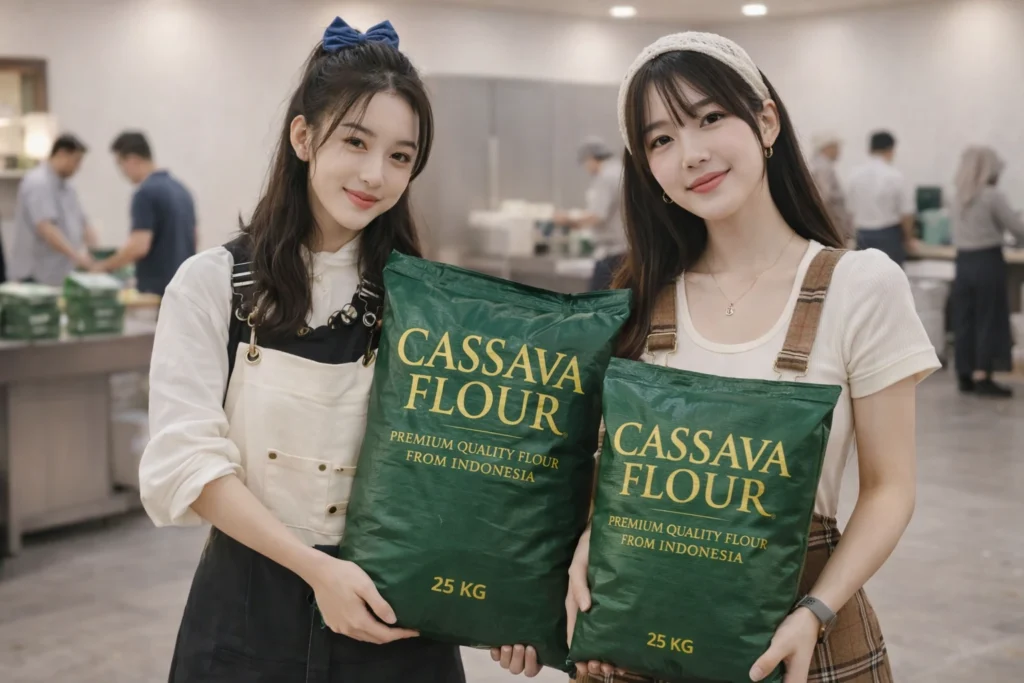
Cassava Flour stands as one of the most versatile and nutrient-rich plant-based ingredients widely used across global food systems today. People across continents rely on it not only as an alternative to wheat but also as a dependable source of energy and nutrition derived from cassava roots. As demand for gluten-free and natural food ingredients continues to grow, this flour has earned strong recognition for its adaptability, clean-label nature, and ability to support both traditional and modern culinary practices.
Across many regions, communities value cassava roots for their resilience and ability to grow in challenging climates, and this strength translates directly into the qualities found in cassava flour. Food producers and home cooks alike appreciate its neutral taste, smooth texture, and ability to blend into a wide range of recipes without altering flavor profiles. With these qualities, cassava flour continues to gain traction as a practical, sustainable, and health-conscious choice for consumers worldwide.
Origin And Botanical Background As A Staple Root Crop
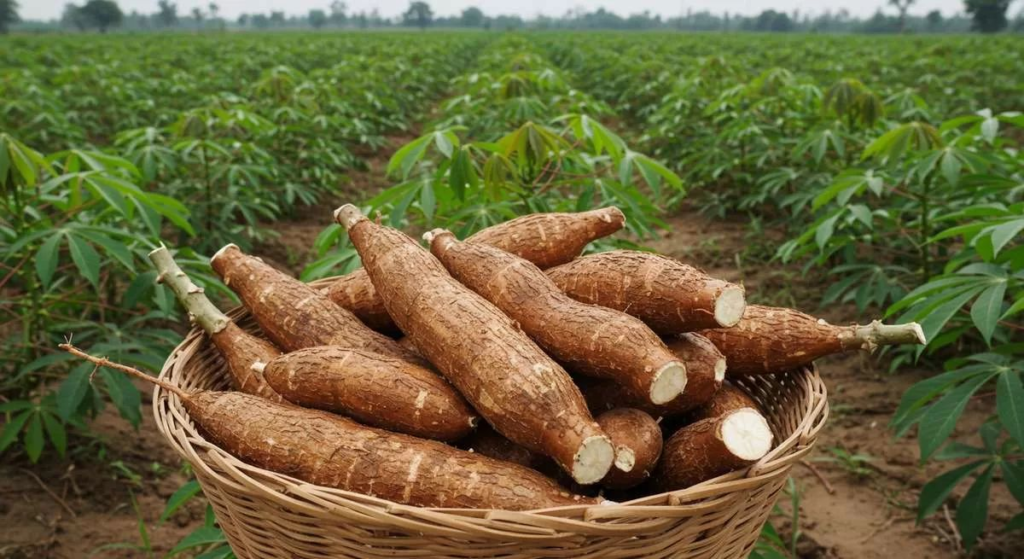
Farmers across tropical regions cultivate cassava as a dependable root crop that thrives even under harsh environmental conditions, and from this root they produce cassava flour that retains many of its natural qualities. The plant, known scientifically as Manihot esculenta, grows widely in Southeast Asia, Africa, and South America, where communities depend on it as a primary food source. Its resilience allows it to survive in poor soils and limited rainfall, which makes it one of the most reliable crops for food security in developing regions.
Over generations, communities have developed methods to transform cassava roots into flour that supports daily nutrition while maintaining a long shelf life. Producers process the whole root instead of extracting only starch, which gives cassava flour a broader nutritional profile compared to refined alternatives. As global markets expand, producers now distribute this flour beyond local consumption, allowing it to enter international supply chains and modern food industries.
This evolution reflects how agricultural traditions adapt to modern demand, and cassava flour now plays a central role in global discussions about sustainable food systems. Its origin as a humble root crop highlights its importance not only as a food ingredient but also as a symbol of resilience, adaptability, and long-term agricultural value.
Physical Characteristics And Functional Properties In Food
Food manufacturers and home cooks recognize cassava flour for its fine texture, soft consistency, and natural color that ranges from bright white to slightly off-white. These physical qualities allow it to integrate easily into recipes, where it performs similarly to wheat flour without introducing gluten. As a result, many people rely on it when preparing baked goods or meals that require structure and balance.
In practical applications, cassava flour delivers a neutral flavor that does not dominate other ingredients, which allows chefs to maintain the intended taste of their dishes. It binds ingredients effectively and contributes to smooth textures in doughs, batters, and sauces. This functional versatility makes it suitable for a wide range of culinary uses, from bread and cakes to soups and coatings.
Beyond texture and taste, producers value cassava flour for its natural and minimally processed composition. They often produce it without chemical additives, which supports the growing demand for clean-label foods. These properties strengthen its position as a reliable ingredient in both traditional kitchens and modern food production environments, where consistency and quality remain essential.
Nutritional Composition And Daily Health Contributions
Nutritionists often highlight cassava flour as a valuable carbohydrate source that provides consistent energy for daily activities. Its composition includes complex carbohydrates that the body converts into energy, making it particularly useful for individuals with active lifestyles or those who require sustained fuel throughout the day.
In addition to energy content, cassava flour contains essential nutrients such as vitamin C, which supports immune health, along with small amounts of B vitamins that assist metabolic functions. It also supplies minerals like potassium and magnesium, which help maintain proper muscle function and nerve signaling. These nutritional elements contribute to overall well-being when included as part of a balanced diet.
Another important aspect involves its digestibility and compatibility with sensitive dietary needs. People who avoid gluten often turn to cassava flour as a reliable alternative that does not compromise texture or usability. Its resistant starch content can also support gut health by encouraging beneficial bacteria growth. These combined nutritional benefits reinforce its role as a functional and health-conscious food ingredient in modern diets.
Role In Traditional And Modern Culinary Practices
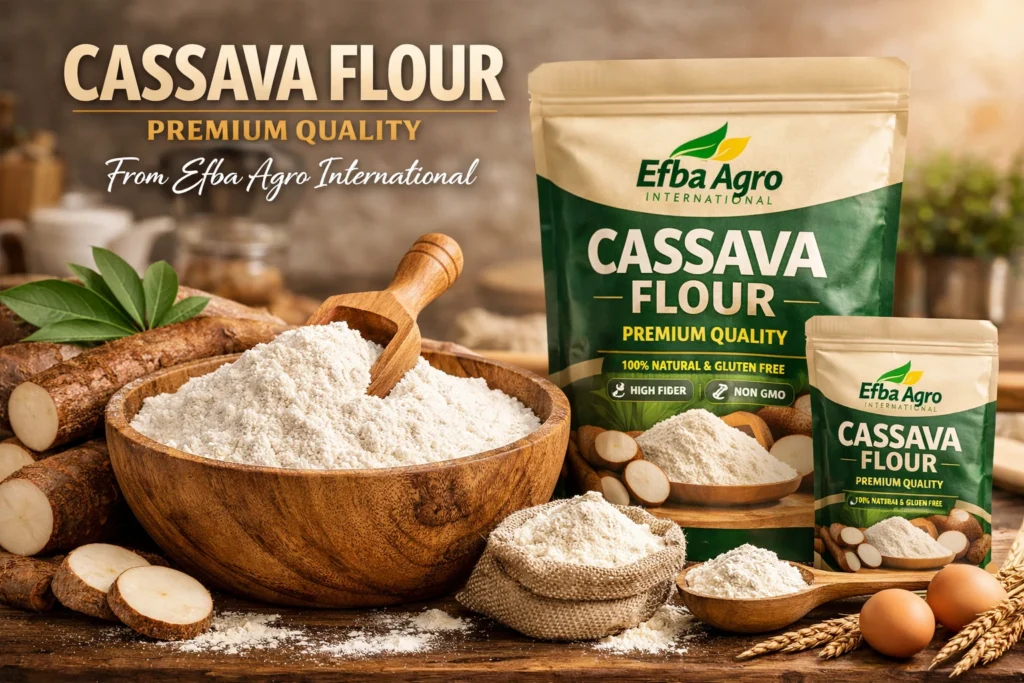
Culinary traditions around the world have long incorporated cassava-based ingredients into everyday meals, and cassava flour continues to serve as a foundation for many staple dishes. In various cultures, people use it to prepare flatbreads, porridges, and dumplings that provide nourishment and satisfy local tastes. Its adaptability allows it to blend seamlessly into regional cuisines without requiring major adjustments.
In modern kitchens, cassava flour has gained attention as a practical substitute for wheat flour in baking and cooking. Chefs and home cooks use it to create bread, pancakes, cookies, and cakes that maintain desirable textures while remaining gluten-free. Its performance in recipes makes it accessible for both experienced cooks and beginners exploring alternative ingredients.
Food industries also incorporate cassava flour into processed products such as snacks and ready-to-eat meals. Its ability to stabilize textures and maintain consistency under different cooking methods enhances its appeal in large-scale production. Through these diverse applications, cassava flour continues to bridge traditional food practices with contemporary culinary innovation.
Agricultural Significance And Sustainable Farming Impact
Agricultural systems benefit greatly from cassava cultivation because the crop requires fewer inputs compared to many other staple plants. Farmers can grow cassava in marginal soils with limited irrigation, which reduces dependency on intensive farming practices. This efficiency supports sustainable agriculture while helping communities maintain consistent food production.
The production of cassava flour further amplifies these benefits by creating value-added products that extend the usability of the crop. Farmers and producers can process harvested roots into flour that stores well and travels easily across markets. This transformation strengthens local economies and provides income opportunities for agricultural communities.
As climate conditions become increasingly unpredictable, cassava stands out as a resilient solution that contributes to food security. Its ability to withstand drought and fluctuating weather patterns ensures a stable supply of raw materials for cassava flour production. These advantages position cassava flour as an essential component of future-ready agricultural systems that prioritize sustainability and resource efficiency.
Economic Value And Expanding Global Demand
Global markets continue to show rising interest in cassava flour as consumers seek healthier and more sustainable food options. This growing demand encourages producers to expand cultivation and improve processing methods, which increases the availability of cassava-based products worldwide. As a result, cassava flour becomes an important commodity in international trade.
Businesses across the food industry recognize the economic potential of cassava flour due to its versatility and broad consumer appeal. Manufacturers incorporate it into gluten-free product lines, while retailers market it as a natural and plant-based alternative. These developments create new opportunities for farmers, exporters, and distributors involved in the cassava supply chain.
The expanding demand also reflects changing consumer preferences toward clean-label and allergen-friendly foods. Cassava flour meets these expectations while maintaining affordability and accessibility. Its economic significance continues to grow as more industries integrate it into their product offerings, strengthening its role in global food markets.
Processing Insight And Whole Root Utilization Value
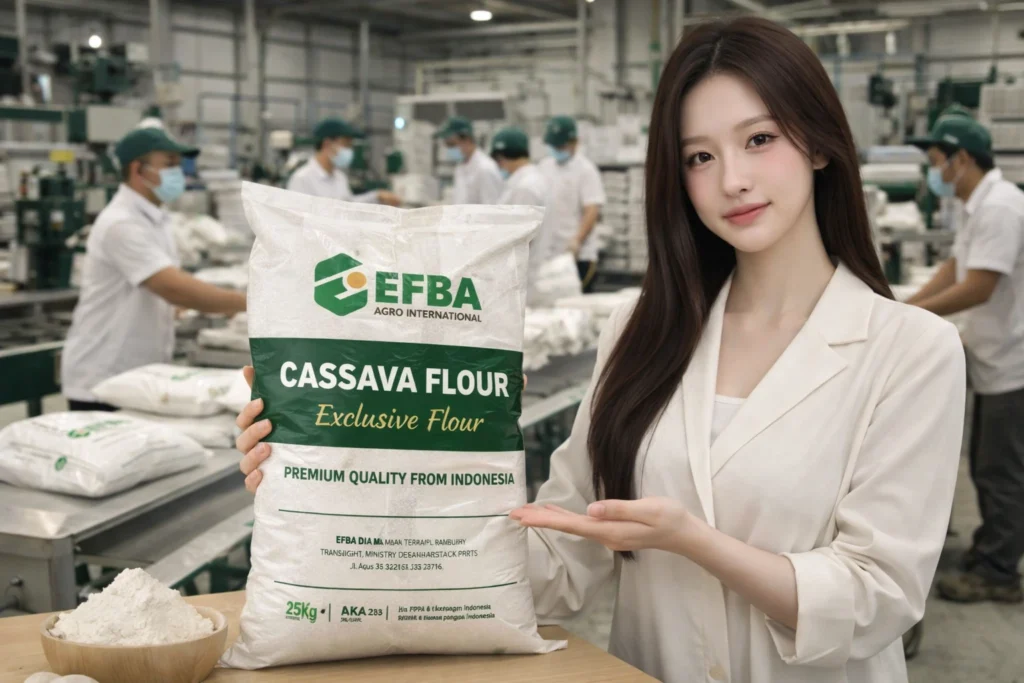
Producers create cassava flour by using the entire root rather than isolating specific components, which helps preserve its natural nutritional profile. This approach distinguishes it from refined starch products and contributes to its broader functionality in food applications. By maintaining more of the original plant material, cassava flour offers a balanced combination of carbohydrates, fiber, and micronutrients.
The use of whole roots also aligns with sustainable production practices, as it minimizes waste and maximizes resource efficiency. Producers can utilize a greater portion of the harvested crop, which supports both environmental and economic sustainability. This method ensures that cassava flour retains its identity as a natural and minimally processed ingredient.
As industries continue to innovate, they refine processing techniques to improve quality and consistency while preserving the core characteristics of cassava flour. These advancements allow producers to meet international standards and deliver reliable products to global markets. Through careful processing and full utilization of the root, cassava flour maintains its value as a high-quality and sustainable food ingredient.
Versatility In Food Innovation And Product Development
Innovation within the food industry continues to expand the applications of cassava flour, allowing it to adapt to evolving consumer preferences. Product developers experiment with it in various formulations, including gluten-free baked goods, plant-based snacks, and specialty dietary products. Its compatibility with different ingredients makes it a valuable component in creative food design.
In research and development settings, professionals explore new ways to enhance the functionality of cassava flour while maintaining its natural qualities. They test its performance in different cooking conditions and refine recipes that highlight its strengths. This ongoing experimentation drives innovation and opens new possibilities for its use in both traditional and modern contexts.
Consumers benefit from this innovation through increased access to diverse food options that incorporate cassava flour. As new products enter the market, they reflect a growing appreciation for natural ingredients that support both health and sustainability. This versatility ensures that cassava flour remains relevant and valuable in an ever-changing food landscape.
In conclusion, cassava flour represents a powerful combination of nutrition, adaptability, and sustainability that continues to shape global food systems. Its journey from a resilient root crop to a widely recognized ingredient highlights its importance across cultures and industries. As demand continues to grow, cassava flour will remain a key contributor to both traditional diets and modern innovations.
For high-quality products and reliable supply, explore our Efba Agro International
Contact directly for inquiries: https://wa.me/6285285469417
Cultural Importance And Daily Consumption Patterns Worldwide
Across continents, communities integrate cassava flour into daily meals in ways that reflect both tradition and adaptation to local environments. In many African regions, families prepare staple dishes using cassava flour as a primary ingredient, forming dough-like meals that pair with vegetables, meats, or sauces. Meanwhile, in parts of Southeast Asia and Latin America, cooks incorporate cassava flour into snacks, desserts, and traditional baked goods that carry cultural significance across generations. These patterns highlight how cassava flour supports not only nutrition but also identity and heritage within communities.
Daily consumption patterns continue to evolve as urban lifestyles influence food choices, and cassava flour adapts easily to these changes. Many households now combine traditional recipes with modern cooking methods, allowing cassava flour to appear in breakfast meals, quick snacks, and even convenience foods. Its ability to remain stable during storage and preparation makes it particularly useful in busy households that require reliable ingredients. As a result, cassava flour continues to bridge rural traditions and modern urban consumption habits.
Furthermore, globalization has introduced cassava flour to new markets where consumers seek alternative ingredients that align with dietary preferences. Restaurants and home kitchens alike experiment with it to recreate familiar dishes while maintaining gluten-free or plant-based standards. This cultural flexibility ensures that cassava flour remains deeply rooted in tradition while continuing to expand its presence in contemporary food systems worldwide.
Storage Stability And Shelf Life Advantages
Storage stability plays a crucial role in determining the practicality of any food ingredient, and cassava flour offers clear advantages in this area. When stored in proper conditions such as dry, cool environments, it maintains its quality for extended periods without significant degradation. This long shelf life allows households and businesses to keep cassava flour available for regular use without frequent replenishment, which adds convenience and cost efficiency.
In addition to its durability, cassava flour resists spoilage more effectively than many fresh agricultural products. Once processed into flour, the root transforms into a form that reduces moisture content and limits microbial growth. This characteristic makes it suitable for transportation and distribution across long distances, supporting both local markets and international trade. Producers and distributors benefit from this reliability, as it minimizes losses and ensures consistent product availability.
The stability of cassava flour also supports emergency food supply systems and long-term storage planning. Governments and organizations can include it in food reserves due to its ability to retain nutritional value over time. This quality reinforces its role as a dependable resource in both everyday consumption and strategic food security planning, making cassava flour a practical choice for a wide range of applications.
Comparison With Other Gluten Free Alternatives
When comparing cassava flour with other gluten-free alternatives, several distinct advantages emerge that contribute to its growing popularity. Unlike almond flour or coconut flour, cassava flour provides a more neutral flavor, which allows it to replicate traditional recipes without altering taste significantly. This similarity to wheat flour makes it particularly appealing for individuals transitioning to gluten-free diets while still wanting familiar textures and flavors in their meals.
Texture also plays an important role in these comparisons, and cassava flour performs exceptionally well in baking applications. It creates doughs and batters that hold together effectively, resulting in baked goods that maintain structure without becoming overly dense or crumbly. Many alternative flours require blending with other ingredients to achieve similar results, whereas cassava flour often works well on its own in a variety of recipes.
From a nutritional standpoint, cassava flour provides a consistent source of carbohydrates, while other alternatives may emphasize fats or proteins. This difference allows consumers to choose based on their dietary needs, but cassava flour stands out for its balance between functionality and digestibility. As more consumers explore gluten-free options, cassava flour continues to position itself as a reliable and versatile choice that meets both culinary and nutritional expectations.
Role In Food Security And Global Nutrition Systems
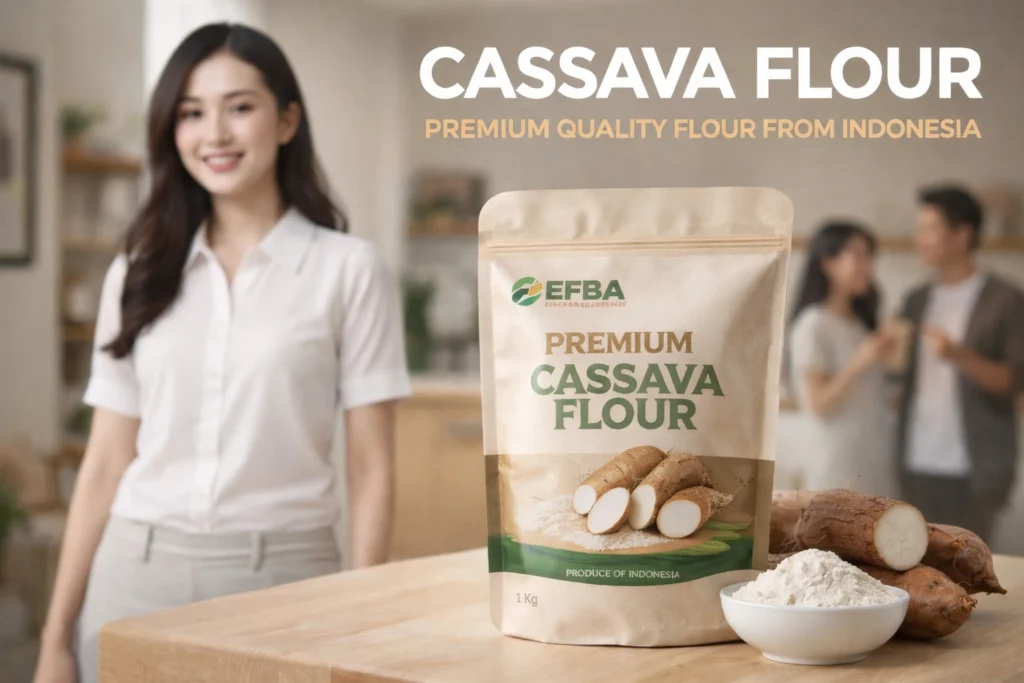
Food security remains a critical global concern, and cassava flour contributes significantly to addressing this challenge. Its source crop, cassava, grows in environments where other staple crops struggle, allowing communities to maintain food production even under difficult conditions. This resilience ensures that cassava flour remains available as a dependable source of calories and nutrition for populations facing resource limitations.
Governments and international organizations increasingly recognize the importance of cassava flour in strengthening food systems. By promoting its cultivation and consumption, they support efforts to reduce dependency on imported grains and enhance local food independence. Cassava flour serves as a practical solution for regions seeking to improve self-sufficiency while maintaining access to essential nutrients.
In addition to its role in local food systems, cassava flour contributes to global nutrition by supporting diverse diets. Its adaptability allows it to integrate into various cuisines, making it easier for different cultures to adopt and utilize it effectively. As global populations continue to grow, cassava flour offers a sustainable pathway to meet increasing food demands while supporting long-term nutritional stability.
Future Potential In Sustainable Food Innovation
Looking toward the future, cassava flour holds strong potential as a key ingredient in sustainable food innovation. Researchers and food developers continue to explore new applications that maximize its functional properties while maintaining its natural composition. These innovations include the development of alternative food products that cater to changing consumer preferences, such as plant-based and allergen-friendly options.
Sustainability efforts also benefit from the expansion of cassava flour production, as the crop requires fewer inputs compared to traditional grains. This efficiency supports environmentally responsible farming practices and reduces the ecological impact of large-scale agriculture. As industries seek greener solutions, cassava flour provides a practical option that aligns with sustainability goals without compromising quality or performance.
Moreover, technological advancements in processing and packaging continue to improve the accessibility and consistency of cassava flour products. These developments ensure that it can meet the standards of global markets while remaining true to its natural origins. With its combination of resilience, versatility, and environmental benefits, cassava flour stands ready to play an increasingly important role in shaping the future of food systems worldwide.
Direct consultation and pricing, feel free to contact us via WhatsApp and discuss your Cassava Flour requirements with our team.
EFBA Agro International: Kalite, Dürüstlük ve Uzun Vadeli İş Birliği Üzerine Kurulu Küresel Bir Tedarikçi

EFBA Agro International EFBA Agro International, dünya genelindeki gıda üreticilerine, distribütörlere ve endüstriyel şirketlere hizmet veren, Endonezya’nın en güvenilir tarımsal ihracatçılarından biri haline gelmiştir. Şeffaflık, kalite güvencesi ve uzun vadeli iş birliği temeli üzerine kurulan EFBA Agro, küresel tedarik zincirlerinin değişen ihtiyaçlarını desteklemek üzere tasarlanmış bir emtia portföyü sunar. Gıda üretimi veya endüstriyel uygulamalarda Manyok Unu’na temel bir bileşen olarak güvenen alıcılar için EFBA Agro, yalnızca tutarlı kalite değil, aynı zamanda her sevkiyatın uluslararası standartları karşıladığına dair güven de sağlar. Kaynak ağımız Endonezya’nın birden fazla tarımsal bölgesine yayılmıştır ve alıcılara istikrarlı üretim, net dokümantasyon ve küresel satın alma sistemleriyle uyumlu ihracata hazır ambalajlar sunar. Toptan Manyok as a core ingredient in food production or industrial applications, EFBA Agro provides not only consistent quality but also the confidence that every shipment meets international standards. Our sourcing network spans multiple agricultural regions in Indonesia, giving buyers access to stable production, clear documentation, and export-ready packaging that aligns with global procurement systems.
EFBA Agro’yu farklı kılan unsur, işleyiciler, değirmenler ve çiftçi gruplarıyla doğrudan iş birliğine olan bağlılığımızdır. Bu yaklaşım, hammadde seçimi, işleme teknikleri ve kalite kontrol kriterleri üzerinde tam görünürlük sağlar. Manyok Unu en güçlü ihracat kategorilerimizden biri olmaya devam ederken, daha geniş bir endüstri yelpazesini destekleyen çeşitlendirilmiş bir emtia hattı geliştirmeye de eşit derecede önem veriyoruz. İhracat operasyonlarımız güvenilirlik, iletişim ve proaktif bilgilendirmeleri vurgular; bu da alıcıların önceden planlama yapmasına ve tedarik kesintilerinden kaçınmasına yardımcı olur. EFBA Agro kendini yalnızca bir tedarikçi olarak değil, birden fazla ürün kategorisinde uzun vadeli satın alma planlamasını destekleyebilen stratejik bir ortak olarak konumlandırır.
EFBA Agro’nun Tüm Emtia Portföyü: Manyok Unu’ndan Premium Baharatlara ve Doğal İçeriklere
Manyok Unu odağımızın ötesinde, EFBA Agro International küresel pazarlara yönelik kapsamlı bir tarımsal emtia seçkisi sunar. Her ürün kategorisi, hasattan ihracat işlemlerine kadar tutarlılığı sağlamak için sıkı kalite protokolleriyle yönetilir. Portföyümüz Arenga Palmiye Şekeri (kalıplı ve granül), Candlenut (kabuklu ve parlatılmış kalite), Karabiber, Vanilya Çubukları, Muskat, Karanfil, Kakao türevleri ve Endonezya’nın en verimli tarım bölgelerinden temin edilen özel doğal içerikleri kapsar. Bu emtialar, gıda ve içeceklerden doğal kozmetiklere, wellness ve endüstriyel formülasyonlara kadar çeşitli sektörleri destekler.
Bu portföy çeşitliliği, alıcıların birden fazla SKU’yu tek bir güvenilir tedarikçi altında birleştirmesine olanak tanır ve lojistik karmaşıklığı ile idari iş yükünü önemli ölçüde azaltır. Manyok Unu satın alan şirketler, büyük hacimli sevkiyatları, ihracat dokümantasyonunu, konteyner optimizasyonunu ve tutarlı iletişimi yönetebilen bir tedarikçiyle çalışmanın operasyonel avantajlarını fark ettiklerinde genellikle EFBA Agro ile ortaklıklarını genişletir. Web sitemizdeki emtialar bölümü, her ürünün spesifikasyonlarını, kullanım alanlarını ve ihracata hazır durumunu vurgular; böylece alıcılar sipariş vermeden önce seçenekleri net şekilde değerlendirebilir. Modern ve ihracat odaklı süreçlerle çoklu emtia ekosistemi sunarak EFBA Agro, küresel üreticiler ve distribütörler için uzun vadeli büyümeyi destekleme taahhüdünü pekiştirir.
Sıkça Sorulan Sorular (SSS)
- What makes Cassava suitable for sensitive diets?
Cassava Flour works well for sensitive diets because it contains no gluten and has a simple composition. Many people with digestive concerns choose it since it is easier to tolerate compared to grain-based flours. - How does Cassava perform in high-temperature cooking?
Cassava Flour maintains stability under high heat, which makes it suitable for frying, baking, and roasting. It does not easily break down, helping foods keep their structure and texture during cooking. - Can Cassava Flour support long-term food storage needs?
Cassava Flour stores well when kept dry and sealed properly. Its low moisture content helps prevent spoilage, making it a reliable option for long-term storage in households or supply chains. - Is Cassava Flour environmentally sustainable compared to other flours?
Cassava Flour comes from crops that require less water and fewer inputs. Farmers can grow cassava in challenging conditions, which reduces environmental pressure compared to more demanding crops. - Does Cassava Flour affect the taste of recipes significantly?
Cassava Flour has a mild and neutral flavor, so it does not overpower dishes. This quality allows cooks to maintain the original taste of recipes while using it as a substitute. - Why is Cassava Flour becoming popular in global markets?
Cassava Flour gains popularity due to rising demand for gluten-free, natural, and plant-based ingredients. Its versatility and consistent performance make it attractive for both consumers and food industries.