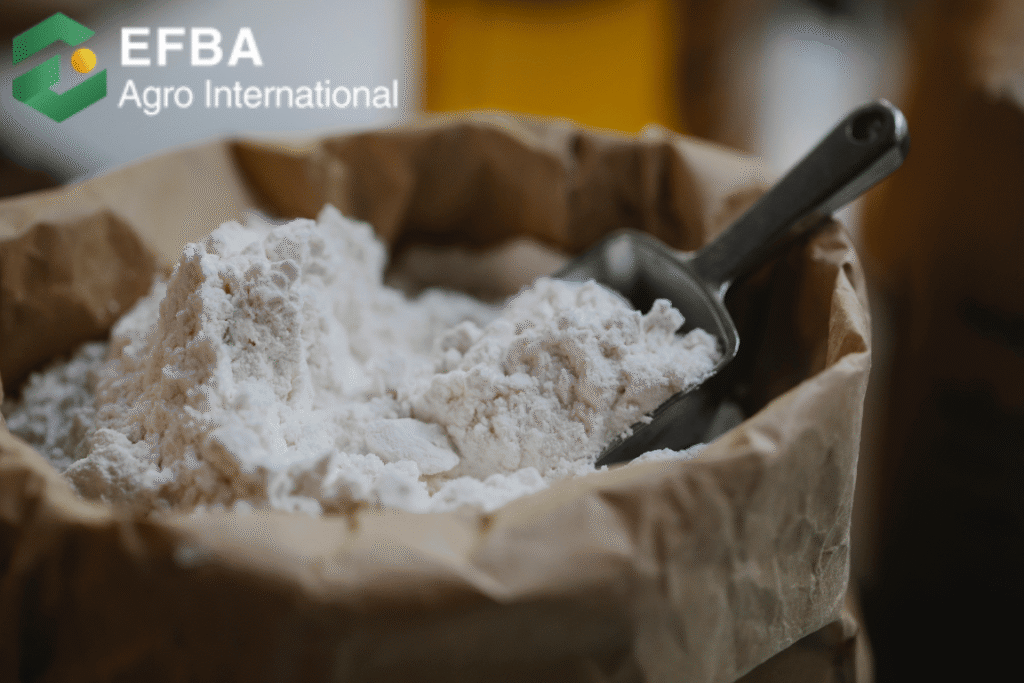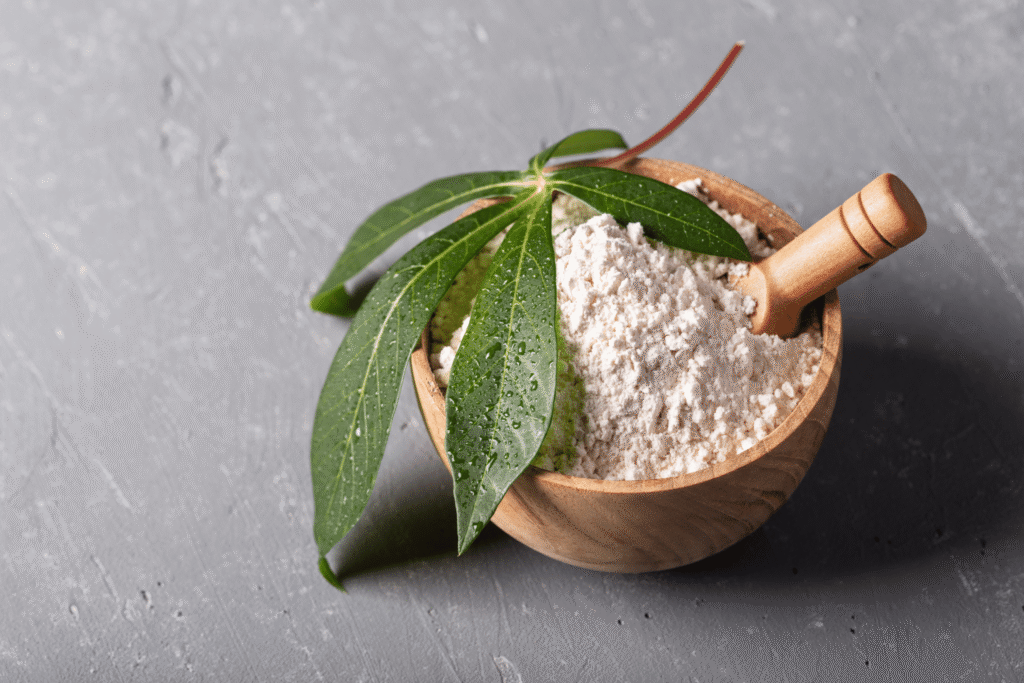
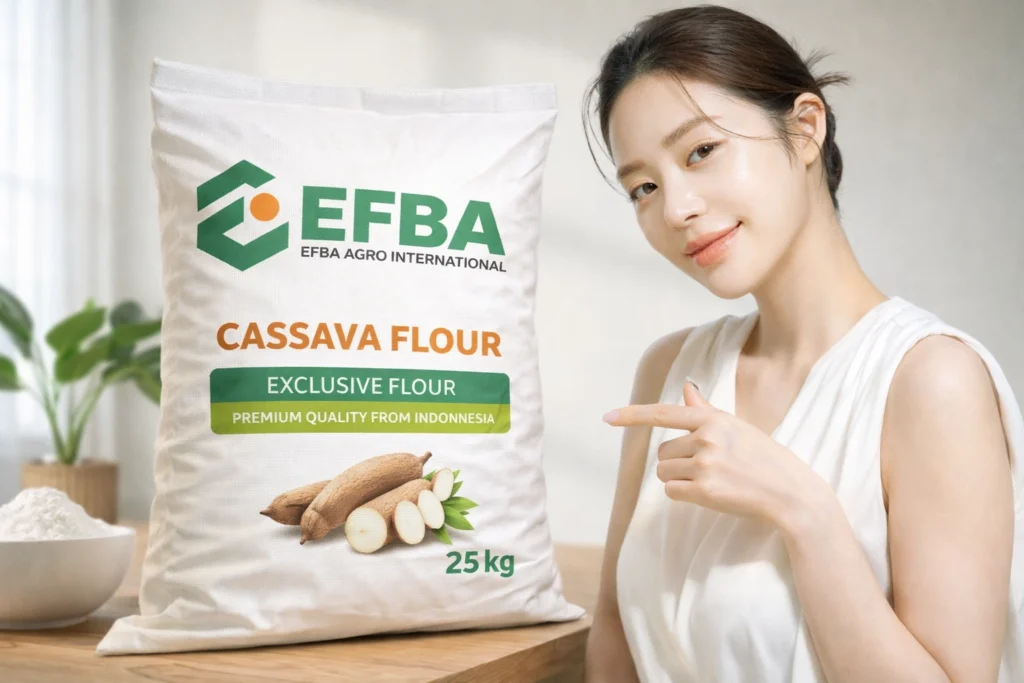
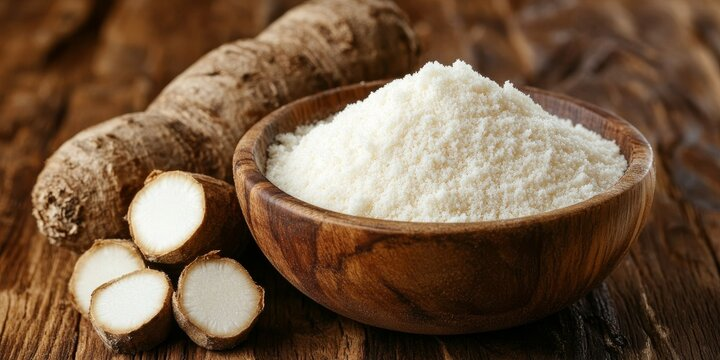
Flour Trade cassava flour from EFBA Agro is recognized as a highly stable, export-grade ingredient designed for long-term storage and global distribution. With a shelf life of up to 24 months under proper storage conditions, this flour offers reliability for manufacturers, distributors, and industrial users who depend on consistent supply over extended periods. Its durability, combined with high carbohydrate content and neutral flavor, makes it a preferred raw material across food and non-food industries.
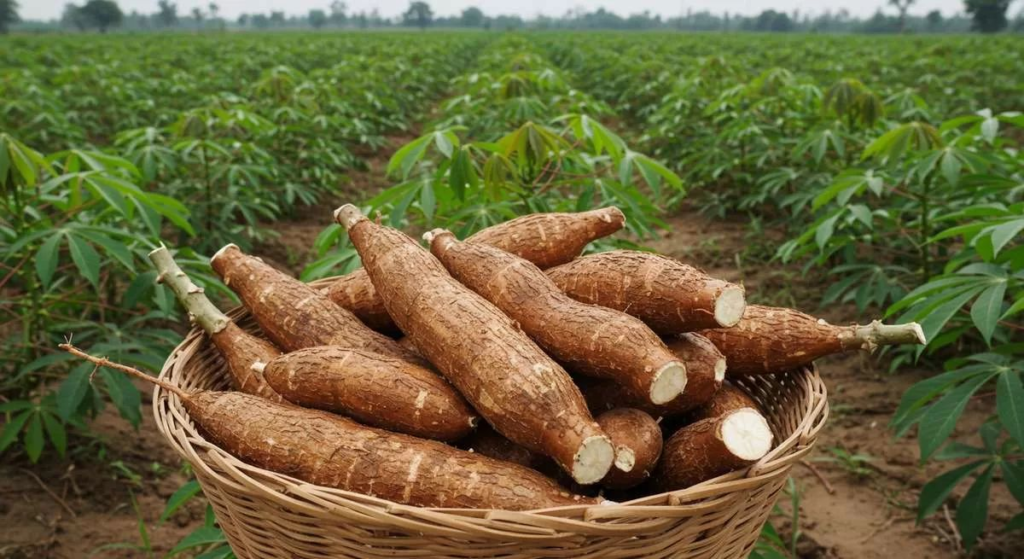
EFBA Agro processes cassava flour using carefully selected raw materials sourced from high-quality cassava roots. Each batch is milled under strict conditions to ensure uniform particle size, controlled moisture levels, and optimal performance in diverse applications. The 25kg export-grade packaging further protects the product from environmental exposure, ensuring that its functional properties remain intact throughout storage and transportation.
As global markets increasingly prioritize ingredients with extended shelf stability, cassava flour continues to gain attention as a dependable option. Its ability to maintain quality over time reduces waste, improves inventory management, and supports efficient production planning. EFBA Agro’s commitment to sustainable sourcing and rigorous quality control ensures that buyers receive flour that performs consistently, regardless of storage duration or application.
From large-scale food production facilities to industrial processing plants, clients benefit from predictable results and long-term usability. The flour’s stability supports continuous production cycles, allowing businesses to operate without disruption. By delivering export-grade cassava flour with extended shelf life, EFBA Agro strengthens supply chain reliability for international markets.
Flour Trade: Long-Term Storage Advantages in Food Productio
Cassava flour’s extended shelf life provides significant advantages for food manufacturers that require stable raw materials. Its ability to remain usable for up to 24 months under proper storage conditions allows producers to manage inventory more efficiently while minimizing product degradation. This stability is essential for large-scale operations where consistency and long-term planning are critical.
Food manufacturers rely on cassava flour for a wide range of applications, including baked goods, sauces, snacks, and gluten-free products. The flour retains its functional properties over time, ensuring consistent thickening, binding, and texture performance. This predictability helps maintain product quality across multiple production cycles, even when using stored inventory.
Industrial kitchens and processing facilities benefit from reduced risk of spoilage, which directly impacts cost efficiency. By using a stable ingredient like cassava flour, businesses can purchase in bulk, store safely, and maintain production schedules without frequent resupply. The extended usability also supports international distribution, where shipping times and storage conditions may vary.
EFBA Agro ensures that each batch maintains optimal moisture content and structural integrity, preventing quality loss during storage. This allows manufacturers to confidently integrate cassava flour into long-term production strategies, supporting both operational efficiency and product consistency.
Flour Trade: Processing Quality and Shelf Stability Factors
The shelf stability of cassava flour trade depends heavily on processing techniques and quality control measures. EFBA Agro applies strict production standards to ensure that each batch meets export-grade requirements. The cassava roots are carefully cleaned, peeled, and processed to eliminate impurities that could affect long-term stability.
Moisture control is one of the most critical factors in determining shelf life. By maintaining low and consistent moisture levels, EFBA Agro prevents microbial growth and preserves the flour’s structural composition. This ensures that the flour remains safe and functional throughout its storage period.
Uniform particle size also contributes to stability. Finely milled flour with consistent granularity reduces the risk of clumping and maintains even performance in recipes and industrial applications. This precision supports reliable results in baking, thickening, and binding processes.
In addition to physical characteristics, EFBA Agro conducts thorough testing for microbial safety and chemical composition. These measures ensure that the flour complies with international standards and retains its quality during extended storage. The result is a product that meets both technical specifications and market expectations for durability.
Flour Trade: Applications in Bakery and Processed Foods
Cassava flour is widely used in bakery and processed food applications due to its stability and functional versatility. Its long shelf life makes it particularly valuable for manufacturers who require ingredients that can be stored without compromising quality. This allows for efficient production planning and reduced dependency on frequent raw material sourcing.
In baking, cassava flour contributes to texture, structure, and moisture retention. It is commonly used in gluten-free bread, cakes, and pastries, where it enhances chewiness and improves consistency. The flour maintains these properties even after prolonged storage, ensuring uniform results in every batch.
Processed food manufacturers use cassava flour as a thickening agent in sauces, soups, and ready-to-eat meals. Its stability under heat and varying processing conditions makes it suitable for large-scale production. The ability to perform consistently over time supports product standardization and quality control.
Snack producers also benefit from its long shelf life. Cassava flour is used in chips, crackers, and extruded snacks, where it contributes to texture and structural integrity. By using a stable ingredient, manufacturers can maintain product quality while optimizing storage and distribution processes.
Flour Trade: Global Culinary and Commercial Uses

Cassava flour’s versatility extends across international culinary traditions and commercial applications. Its long shelf life enhances its value in global markets, where storage conditions and transportation timelines vary significantly. This makes it an ideal ingredient for export-oriented businesses and international distributors.
In Asian markets, cassava flour is used in traditional desserts, noodles, and starch-based dishes. European and North American industries incorporate it into gluten-free baking and specialty food products. In Latin America, it is widely used in breads and regional recipes that rely on cassava as a staple ingredient.
Commercial food producers benefit from the flour’s adaptability and stability. It can be stored for extended periods without losing its functional properties, allowing businesses to maintain consistent supply across different regions. This is particularly important for companies operating in multiple markets with varying demand cycles.
EFBA Agro’s export-grade packaging ensures that the flour retains its quality during international shipping. The 25kg bags are designed to withstand environmental challenges, preserving the flour’s performance and usability. This reliability supports global trade and expands opportunities for manufacturers seeking high-quality cassava flour.
Flour Trade: Gluten-Free and Specialty Diet Applications
Cassava flour plays a crucial role in gluten-free and specialty diet products. Its natural gluten-free composition makes it suitable for consumers with celiac disease or gluten sensitivity. The extended shelf life further enhances its appeal, allowing manufacturers to store and use the ingredient over long periods without quality concerns.
The flour’s neutral taste allows it to blend seamlessly with other ingredients, making it ideal for a variety of recipes. It is used in gluten-free bread, cakes, and snacks, where it contributes to texture and structure. Its ability to maintain these properties during storage ensures consistent product quality.
Health-focused markets also value cassava flour for its clean-label characteristics. It is minimally processed and free from common allergens, aligning with consumer demand for transparent and natural ingredients. The long shelf life supports large-scale production of specialty foods, reducing waste and improving efficiency.
EFBA Agro ensures that each batch is free from contamination and meets strict food safety standards. This guarantees that manufacturers can produce high-quality gluten-free products while maintaining compliance with international regulations.
Flour Trade: Industrial Applications and Material Uses
Beyond food production, cassava flour is widely used in industrial applications due to its stability and functional properties. Its long shelf life makes it a reliable raw material for industries that require consistent performance over time.
The flour is used as a natural binder in adhesives, providing strong bonding properties for paper and packaging materials. In textile production, it serves as a sizing agent, improving fabric strength and durability. Its stability ensures consistent results in these processes, even when stored for extended periods.
Cassava flour is also utilized in biodegradable materials and bio-based products. As industries shift toward sustainable alternatives, the demand for renewable raw materials continues to grow. The flour’s long shelf life supports efficient storage and integration into production systems.
EFBA Agro supplies cassava flour in export-ready packaging that simplifies handling and storage for industrial users. The consistent quality ensures predictable performance, making it a dependable choice for various non-food applications.
Flour Trade: Sourcing and Export Consistency for Long Shelf Life
EFBA Agro maintains strict sourcing standards to ensure cassava flour achieves optimal shelf stability. The process begins with selecting high-quality cassava roots cultivated under controlled agricultural practices. These raw materials are chosen for their high starch content and low moisture characteristics, both of which contribute directly to extended storage capability.
Each harvest undergoes detailed inspection before processing. Quality checks include visual assessment, starch evaluation, and contamination screening to ensure only premium-grade cassava enters production. This careful selection reduces the risk of degradation and supports long-term usability of the final flour product.
During processing, EFBA Agro applies standardized milling techniques that preserve the structural integrity of the starch. Controlled drying methods ensure that moisture levels remain within optimal limits, preventing microbial growth and maintaining product safety over time. These steps are essential in achieving the targeted 24-month shelf life.
The export process is designed to maintain this quality from production to delivery. EFBA Agro coordinates logistics carefully, ensuring that the flour is transported under suitable conditions. Documentation such as certificates of origin, quality assurance reports, and safety compliance records are provided to facilitate smooth international trade. This end-to-end control guarantees that buyers receive flour that retains its stability and performance upon arrival.
Flour Trade: Packaging Systems Supporting Extended Shelf Stability

Packaging plays a central role in preserving cassava flour for long-term storage. EFBA Agro uses 25kg woven export-grade bags specifically engineered to protect the product from environmental factors such as humidity, air exposure, and contamination.
These bags are designed with durable, food-grade materials that prevent moisture infiltration. Maintaining low moisture exposure is critical in ensuring that the flour does not develop clumps, microbial activity, or degradation over time. The packaging also protects against physical damage during handling and transportation, preserving the flour’s particle consistency.
Sealing techniques further enhance protection by minimizing air exchange. This helps maintain the internal condition of the flour, ensuring that its functional properties remain stable throughout its shelf life. The packaging design supports both short-term storage and long-distance export logistics.
For bulk buyers, the 25kg format simplifies stacking, storage, and inventory control. Warehouses can efficiently manage stock while ensuring that each bag remains protected. This system reduces the risk of loss and ensures that the flour remains usable for the full duration of its shelf life.
Flour Trade: Storage Conditions for Maximum Product Lifespan
Proper storage conditions are essential to achieving the full 24-month shelf life of cassava flour. EFBA Agro recommends storing the product in a cool, dry environment with controlled humidity levels. Exposure to excessive moisture or heat can compromise the flour’s stability and reduce its usability over time.
Temperature stability is a key factor. Fluctuating temperatures can lead to condensation within packaging, which may affect moisture levels. By maintaining a consistent storage environment, businesses can preserve the flour’s quality and performance.
Ventilation also plays an important role. Storage areas should allow for proper air circulation to prevent humidity buildup. At the same time, direct exposure to sunlight should be avoided, as it may impact the packaging and internal product condition.
Proper stacking methods further contribute to stability. Bags should be stored on pallets rather than directly on the floor to reduce the risk of moisture transfer. Organized storage systems help maintain product integrity while allowing easy access for inventory rotation.
By following these guidelines, manufacturers and distributors can fully utilize the extended shelf life of cassava flour, ensuring consistent performance even after long storage periods.
Flour Trade: Quality Assurance and Long-Term Performance Testing
EFBA Agro implements comprehensive quality assurance systems to guarantee that cassava flour maintains its stability over time. Each batch undergoes laboratory testing to evaluate key parameters such as moisture content, particle uniformity, starch composition, and microbial safety.
Long-term performance testing is conducted to ensure that the flour retains its functional properties throughout its shelf life. This includes evaluating its behavior in baking, thickening, and industrial applications after extended storage. These tests confirm that the flour continues to deliver consistent results.
Traceability is another critical component of quality assurance. EFBA Agro maintains detailed records of sourcing, processing, and distribution, allowing full transparency across the supply chain. This ensures accountability and supports compliance with international food safety standards.
By maintaining strict quality control measures, EFBA Agro minimizes variability between batches. This consistency allows manufacturers to rely on the flour for predictable outcomes, regardless of storage duration. The result is a product that meets both technical requirements and market expectations.
Why Choose EFBA Agro for Flour Trade Cassava Flour
EFBA Agro stands out as a trusted supplier of cassava flour due to its focus on quality, stability, and global supply reliability. The company combines advanced processing techniques with sustainable sourcing practices to deliver a product that meets international standards.
Clients benefit from consistent product specifications, including controlled moisture levels, uniform particle size, and high starch content. These characteristics ensure reliable performance across food and industrial applications. The extended shelf life further enhances value by supporting long-term storage and efficient inventory management.
Customer support is another key advantage. EFBA Agro provides responsive communication, allowing buyers to request specifications, samples, and tailored solutions. This personalized approach helps clients integrate cassava flour into their production systems effectively.
With export-ready packaging and efficient logistics, EFBA Agro ensures timely delivery to global markets. The company’s experience in international trade allows it to navigate regulatory requirements and provide complete documentation, simplifying the purchasing process for buyers.
Global Market Trends Driving Demand
The demand for cassava flour continues to grow in global markets, driven by several key trends. One of the most significant factors is the increasing popularity of gluten-free diets. Consumers are actively seeking alternatives to wheat-based products, creating strong demand for cassava-based ingredients.
Clean-label food production is another major trend. Manufacturers are focusing on simple, natural ingredients with minimal processing. Cassava flour aligns well with this demand, offering a transparent and versatile option for product development.
Sustainability is also influencing market growth. As industries move toward eco-friendly materials, cassava flour is gaining recognition as a renewable resource suitable for both food and industrial applications. Its long shelf life further supports sustainability by reducing waste and improving resource efficiency.
Global trade expansion has increased the need for stable, export-ready ingredients. Cassava flour’s ability to maintain quality over long distances makes it an attractive choice for international buyers. EFBA Agro’s consistent supply and quality assurance position it well to meet this growing demand.
Flour Trade: How to Place Orders Efficiently
Ordering cassava flour from EFBA Agro is designed to be simple and transparent. Buyers can begin by reviewing product specifications and confirming their requirements, including quantity, packaging, and delivery preferences.
The sales team provides direct assistance through communication channels such as WhatsApp, offering guidance on bulk orders and shipment planning. Clients can request samples to evaluate product quality before committing to large-scale purchases.
Once an order is confirmed, EFBA Agro coordinates production and packaging according to specifications. The logistics team manages shipment scheduling, ensuring timely delivery while maintaining product integrity. All necessary export documentation is prepared to facilitate smooth customs clearance.
Throughout the process, clients receive clear updates and support, ensuring that orders are fulfilled accurately and efficiently. This streamlined approach allows manufacturers, distributors, and wholesalers to integrate cassava flour into their supply chains without complications.
👉 Contact us on WhatsApp to order Tapioca flour from Indonesia directly.
EFBA Agro International: Kalite, Dürüstlük ve Uzun Vadeli İş Birliği Üzerine Kurulu Küresel Bir Tedarikçi

EFBA Agro International, dünya genelindeki gıda üreticilerine, distribütörlere ve endüstriyel firmalara hizmet veren, Endonezya’nın en güvenilir tarım ihracatçılarından biri haline gelmiştir. Şeffaflık, kalite güvencesi ve uzun vadeli iş birliği temelleri üzerine kurulan EFBA Agro, küresel tedarik zincirlerinin değişen ihtiyaçlarını desteklemek üzere tasarlanmış bir emtia portföyü sunar.
What sets EFBA Agro apart is our commitment to direct collaboration with processors, mills, and farmer groups. This approach ensures full visibility over raw material selection, processing techniques, and quality control benchmarks. While Tapioca Flour remains one of our strongest export categories, we are equally dedicated to developing a diversified commodity line that supports a wider range of industries. Our export operations emphasize reliability, communication, and proactive updates, helping buyers plan ahead and avoid supply disruptions. EFBA Agro positions itself not just as a vendor but as a strategic partner capable of supporting long-term procurement planning across multiple product categories.
EFBA Agro’nun Tüm Ürün Portföyü: Tapyoka Unundan Premium Baharatlara ve Doğal Bileşenlere
Beyond our focus on Tapyoka Unu, EFBA Agro International offers a comprehensive selection of agricultural commodities tailored for global markets. Each product category is handled with strict quality protocols, ensuring consistency from the point of harvest to export clearance. Our portfolio includes Arenga Palm Sugar (both molded and granulated), Candlenut (shelled and polished grades), Black Pepper, Vanilla Beans, Nutmeg, Cloves, Cocoa derivatives, and specialty natural ingredients sourced from Indonesia’s most productive agricultural zones. These commodities support various industries from food and beverages to natural cosmetics, wellness, and industrial formulations.
The diversity of this portfolio allows buyers to consolidate multiple SKUs under one trusted supplier, significantly reducing logistical complexity and administrative workload. Companies that purchase Tapyoka Unu often expand their partnership with EFBA Agro once they recognize the operational advantages of working with a supplier capable of managing large-volume shipments, export documentation, container optimization, and consistent communication. Our website’s commodities section highlights each product’s specifications, applications, and export readiness, ensuring that buyers can evaluate options clearly before placing an order. By offering a multi-commodity ecosystem with modern, export-focused processes, EFBA Agro reinforces its commitment to supporting long-term growth for global manufacturers and distributors.
FAQ Flour Trade
1. How does packaging influence long-term stability?
Proper packaging prevents moisture absorption and contamination. As a result, the flour maintains its structure, texture, and safety. Therefore, export-grade bags significantly extend usability during storage and transit.
2. Can cassava flour be reprocessed after long storage?
No, manufacturers typically use it directly. However, they must ensure proper storage conditions first. Consequently, the flour retains its functionality without requiring additional processing steps.
3. What industries benefit most from long shelf life?
Food manufacturing, logistics, and industrial sectors benefit greatly. In addition, long shelf life reduces restocking frequency. Thus, companies can optimize inventory planning and operational efficiency.
4. Does shelf life affect nutritional value?
Shelf life does not significantly reduce carbohydrates. However, improper storage may impact quality. Therefore, maintaining stable conditions ensures the flour remains nutritionally reliable over time.
5. How does climate impact storage performance?
High humidity and heat accelerate degradation. On the other hand, controlled environments preserve quality. Hence, climate-controlled storage plays a crucial role in maintaining shelf stability.
6. Why do exporters prioritize stable flour products?
Exporters need consistent quality across long distances. Moreover, stable products reduce risk during shipping. As a result, buyers receive reliable materials that meet production standards.
Looking for Cascara and Gayo Coffee Beans too? Visit this platform, and you will get it perfect quality: https://coffeenesia.id/