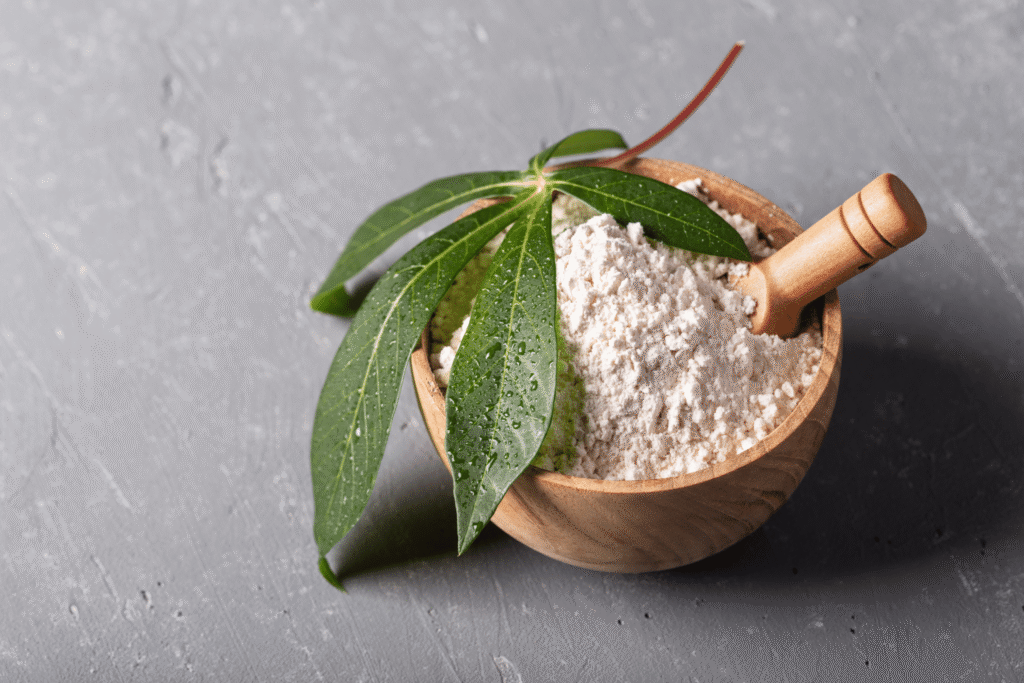

Flour Trade tapioca flour continues to gain recognition across international markets because manufacturers value its reliable performance, neutral taste, and naturally derived nutrients. Processed from carefully selected cassava roots, this flour provides more than just starch functionality. It also contains trace minerals that support food formulation and nutritional balance in various products. EFBA Agro supplies export-grade tapioca flour packed in durable 25kg bags, ensuring that global buyers receive a consistent product suitable for food processing, industrial manufacturing, and large-scale distribution.
Manufacturers around the world rely on high-quality cassava flour to maintain consistent texture, stable thickening properties, and predictable cooking performance. The growing popularity of gluten-free diets and plant-based ingredients has further increased interest in tapioca flour, especially among companies developing allergen-free and clean-label foods. With responsible sourcing and strict quality control, EFBA Agro ensures that each batch meets international standards while delivering dependable performance across production lines.
Food processors, bakeries, and exporters benefit from the flour’s uniform particle size and balanced moisture levels. These characteristics enable smooth integration into recipes, whether manufacturers produce baked goods, snacks, sauces, or specialty gluten-free products. Reliable supply chains and consistent processing standards allow international clients to confidently incorporate tapioca flour into their manufacturing operations without compromising product quality or efficiency.
Nutritional Characteristics of Tapioca Flour
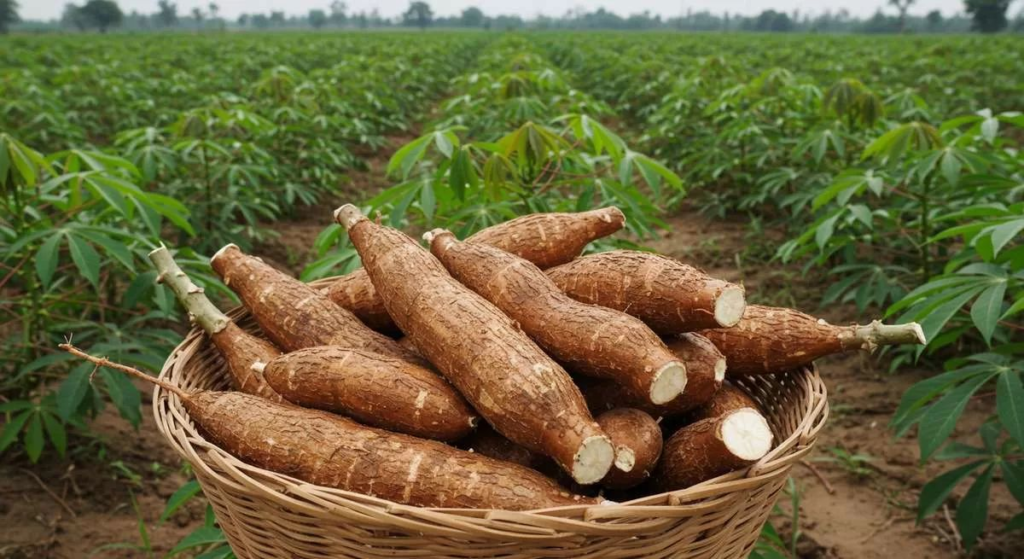
Understanding the nutritional profile of tapioca flour helps manufacturers optimize product formulations and communicate value to consumers. Although the ingredient primarily consists of carbohydrates, it also contains trace minerals that contribute to its overall functionality in food production. These minerals occur naturally in cassava roots and remain present after milling when proper processing techniques preserve their stability.
Food developers use tapioca flour because its composition supports smooth textures and neutral flavor integration. When incorporated into bread, pastries, sauces, or snacks, the flour enhances mouthfeel while maintaining structural integrity. Its ability to absorb moisture and improve elasticity makes it particularly valuable in gluten-free recipes where traditional wheat flour cannot be used.
Global demand for transparent ingredient labeling encourages manufacturers to choose raw materials with recognizable origins and minimal processing. Tapioca flour aligns with these expectations because it originates from cassava roots and undergoes relatively simple milling procedures. As a result, food brands can maintain product authenticity while achieving desired texture, binding, and stability.
Five Essential Minerals Found in Tapioca Flour
Although tapioca flour is best known for its starch content, it also contains several important minerals that support metabolic and physiological functions. Calcium, potassium, magnesium, phosphorus, and iron appear in small but meaningful quantities within the cassava root. During careful milling and drying processes, these minerals remain present in the final flour product.
Calcium contributes to bone structure and plays an important role in cellular signaling. Potassium supports fluid balance and helps regulate nerve impulses, which makes it valuable in balanced dietary formulations. Magnesium participates in numerous biochemical reactions, while phosphorus assists energy metabolism and skeletal strength.
Iron, another trace mineral present in cassava flour, contributes to oxygen transport within the body. Although tapioca flour alone does not provide large mineral concentrations compared to other foods, it can still contribute to overall nutrient intake when incorporated into diverse recipes. Food manufacturers often combine it with other nutrient-rich ingredients to create balanced formulations that deliver both functionality and nutritional value.
Flour Trade: Mineral Stability During Processing
Maintaining mineral integrity during processing requires careful control of milling, drying, and storage conditions. High-quality tapioca flour production begins with freshly harvested cassava roots that undergo thorough cleaning before extraction and drying. Proper temperature management during drying prevents nutrient degradation and preserves the natural characteristics of the flour.
EFBA Agro applies strict production standards to ensure that each batch retains consistent mineral composition and starch quality. Laboratory testing verifies moisture content, microbial safety, and particle uniformity before packaging the product for export. These procedures allow international buyers to trust that the flour will perform consistently regardless of production scale.
Stable mineral composition also supports long shelf life when the flour is stored correctly. When kept in dry environments with controlled humidity, tapioca flour maintains its nutritional properties and functional behavior for extended periods. This reliability helps manufacturers plan inventory and maintain consistent product performance across batches.
Flour Trade: Functional Benefits in Food Manufacturing
Mineral composition works alongside starch functionality to enhance the performance of tapioca flour in food manufacturing. When manufacturers incorporate the flour into doughs or batters, it contributes to elasticity, moisture retention, and improved structural stability. These characteristics are essential for producing gluten-free baked goods that maintain softness and shape.
Sauce manufacturers also benefit from tapioca flour because it thickens liquids without creating heavy textures. The starch granules swell during heating, producing smooth viscosity that remains stable even under extended cooking conditions. As a result, soups, gravies, and dessert fillings maintain consistent texture without separating.
In frozen or ready-to-eat meals, tapioca flour supports stable consistency during storage and reheating. Food producers appreciate this reliability because it reduces product variation across distribution channels. The flour therefore plays an important role in maintaining both sensory quality and manufacturing efficiency.
Flour Trade: Applications in Gluten Free Product Development

Gluten-free product development has expanded significantly in recent years, creating new opportunities for tapioca flour in global food markets. The ingredient provides structure and flexibility in recipes that lack wheat gluten, allowing manufacturers to produce bread, cakes, and pastries with appealing texture.
Bakeries frequently combine tapioca flour with rice flour, corn flour, or other gluten-free ingredients to create balanced baking blends. This combination improves elasticity and helps dough maintain shape during fermentation and baking. Without such ingredients, gluten-free baked goods often become dense or crumbly.
Consumers with celiac disease or gluten intolerance rely on products made from safe alternative flours. Tapioca flour supports this demand because it naturally contains no gluten and blends easily with other ingredients. Manufacturers therefore integrate it into a wide range of specialty foods, including snacks, noodles, and breakfast items designed for gluten-free diets.
Flour Trade: Culinary Uses Across Global Food Cultures
Tapioca flour appears in numerous culinary traditions around the world. In Southeast Asia, it serves as the foundation for tapioca pearls, chewy desserts, and traditional cakes. Street food vendors and commercial beverage producers rely on the flour to create the distinctive texture of bubble tea pearls.
In Latin America, cassava flour contributes to regional breads and pastries that emphasize soft, elastic texture. European and North American kitchens also use tapioca flour as a thickener in fruit pies, puddings, and sauces. Its neutral taste allows chefs to enhance texture without altering flavor balance.
These culinary uses highlight the versatility of tapioca flour in both traditional and modern food preparation. Global chefs and product developers continue experimenting with new recipes, combining cassava flour with innovative ingredients to create unique textures and sensory experiences for consumers.
Industrial Applications and Functional Properties
Beyond food production, tapioca flour also demonstrates strong functional value in industrial sectors. Its natural starch content allows manufacturers to use it as a biodegradable binding and thickening agent in a variety of production systems. Paper manufacturers rely on cassava-based starch to improve surface strength and printability, while textile processors use it to enhance fabric finishing and durability.
Industrial adhesives frequently incorporate tapioca starch because it offers stable viscosity and reliable bonding characteristics. These properties help manufacturers reduce reliance on synthetic chemicals while maintaining production efficiency. In packaging industries, the starch extracted from cassava contributes to the development of biodegradable materials that support environmentally responsible manufacturing practices.
Companies participating in the global Flour Trade market recognize that tapioca flour provides both economic and environmental advantages. Its renewable origin and consistent quality make it suitable for large-scale production systems that require dependable raw materials. As sustainability becomes a growing priority for industrial sectors, demand for natural starch sources such as tapioca flour continues to increase.
Flour Trade: Sustainable Cassava Sourcing
Reliable tapioca flour production begins with responsible cassava cultivation. Farmers carefully select high-yield cassava varieties that produce strong starch content and consistent root quality. Proper soil management, irrigation practices, and harvesting schedules ensure that the cassava roots maintain their natural composition before processing.
EFBA Agro works closely with agricultural communities to promote sustainable farming techniques. These partnerships help farmers maintain crop health while protecting soil fertility and local ecosystems. By encouraging responsible cultivation methods, the company contributes to long-term agricultural stability and reliable cassava supply.
Sustainable sourcing also strengthens transparency throughout the Flour Trade supply chain. Buyers increasingly request information about agricultural origins, cultivation methods, and environmental impact. By maintaining traceability from farm to processing facility, EFBA Agro ensures that international clients receive tapioca flour produced through ethical and environmentally responsible practices.
Export Logistics and Global Supply Networks
Exporting tapioca flour to international markets requires efficient logistics management and careful coordination across supply chain partners. After processing and quality verification, the flour is packed into durable export-grade bags designed to withstand long-distance transportation. These bags protect the flour from moisture exposure, contamination, and mechanical damage during shipment.
Shipping teams organize container loading according to international freight standards to maximize cargo safety and storage efficiency. Export documentation, including certificates of origin, quality analysis reports, and shipping manifests, ensures that products move smoothly through customs procedures in destination countries.
Participants in the international Flour Trade rely on dependable logistics because supply chain interruptions can disrupt food production and industrial manufacturing. EFBA Agro maintains close communication with shipping partners and distributors to guarantee timely deliveries. This commitment to logistics reliability allows manufacturers around the world to maintain stable inventory levels and uninterrupted production schedules.
Packaging and Storage Standards
Proper packaging plays a critical role in preserving the functional properties of tapioca flour. EFBA Agro packages its flour in woven 25kg food-grade bags engineered to protect the product during storage and transportation. These bags resist tearing and minimize exposure to humidity, ensuring that starch granules remain intact and stable.
Correct storage practices further protect product quality. Manufacturers and distributors should keep tapioca flour in cool, dry environments with minimal exposure to sunlight and moisture. Maintaining controlled conditions prevents clumping, microbial growth, and starch degradation that could affect product performance.
Reliable packaging and storage systems contribute significantly to the stability of the Flour Trade supply chain. Export-ready packaging simplifies warehouse management, pallet stacking, and container loading. Bulk buyers benefit from efficient handling and reduced risk of product loss, making large-scale distribution both practical and economical.
Quality Assurance and International Compliance
Strict quality assurance procedures ensure that tapioca flour consistently meets global food safety and export standards. Each production batch undergoes laboratory testing to verify moisture content, particle uniformity, starch concentration, and microbial safety. These analyses confirm that the flour satisfies the specifications required for international trade.
Compliance with food safety regulations is essential for companies participating in the Flour Trade market. EFBA Agro follows established hygiene protocols during cassava processing, milling, drying, and packaging operations. Controlled production environments prevent contamination and maintain the integrity of the final product.
Traceability systems also strengthen quality assurance. By documenting every stage of production and distribution, EFBA Agro provides international clients with transparency regarding raw material sourcing, processing methods, and product certification. This level of accountability helps buyers confidently integrate tapioca flour into their manufacturing processes.
Flour Trade: Why Global Buyers Choose EFBA Agro
International manufacturers seek suppliers that combine consistent product quality with dependable service. EFBA Agro has developed a reputation for providing export-grade tapioca flour supported by strict quality control, responsible sourcing, and efficient logistics management.
Clients working within the global Flour Trade sector benefit from the company’s ability to deliver uniform flour with predictable starch performance. This consistency allows manufacturers to maintain stable production results across different batches and product lines. Reliable ingredient performance is particularly important for industries producing large volumes of baked goods, snacks, sauces, and gluten-free foods.
In addition to product quality, EFBA Agro offers responsive communication and flexible order management. Buyers can request detailed product specifications, laboratory reports, and export documentation to support regulatory compliance in their respective markets. This collaborative approach helps strengthen long-term partnerships with distributors and manufacturers worldwide.
Global Market Demand for Tapioca Flour
The global market for tapioca flour continues to expand as consumer preferences shift toward plant-based ingredients and clean-label food products. Many consumers now prefer ingredients derived from natural sources that undergo minimal processing. Tapioca flour meets these expectations because it originates from cassava roots and contains no gluten or artificial additives.
Manufacturers responding to these trends increasingly incorporate tapioca flour into new product lines. The ingredient’s neutral taste and reliable texture allow food developers to experiment with innovative recipes while maintaining consistent product quality. Gluten-free bread, dairy alternatives, snack foods, and plant-based desserts frequently rely on tapioca starch as a core functional component.
Growth within the Flour Trade industry also reflects rising interest in sustainable materials. Industrial manufacturers use tapioca starch to develop biodegradable packaging and eco-friendly adhesives. These applications expand the relevance of cassava flour beyond food production, positioning it as an important resource for environmentally conscious manufacturing sectors.
Ordering and International Partnerships
International buyers interested in sourcing high-quality tapioca flour can easily begin the purchasing process through EFBA Agro’s export support team. Detailed product specifications, packaging information, and laboratory test results are available to help clients evaluate product suitability before placing orders.
The company provides consultation regarding bulk purchasing volumes, shipping schedules, and documentation requirements for different destination countries. This guidance simplifies the purchasing process for distributors, food manufacturers, and industrial buyers who require consistent supply chains.
As participation in the global Flour Trade market grows, reliable supplier relationships become increasingly valuable. EFBA Agro focuses on building long-term partnerships by delivering consistent product quality, transparent communication, and dependable export logistics. These commitments allow international clients to integrate tapioca flour into their operations with confidence, ensuring stable production and continued market growth.
How to Place Orders
Ordering cassava flour from EFBA Agro is a straightforward process. Buyers can review product specifications through the company’s official website or contact the sales team directly via WhatsApp for consultation. Support is provided for bulk orders, sample requests, shipment planning, and export documentation.
International clients receive transparent information regarding pricing, packaging, and delivery schedules. Personalized order management ensures that shipments align with production requirements and regulatory obligations. This structured and responsive approach simplifies procurement, allowing manufacturers, distributors, and wholesalers to integrate cassava flour into their supply chains with confidence and efficiency.
EFBA Agro International: Kalite, Dürüstlük ve Uzun Vadeli İş Birliği Üzerine Kurulu Küresel Bir Tedarikçi

EFBA Agro International, dünya genelindeki gıda üreticilerine, distribütörlere ve endüstriyel firmalara hizmet veren, Endonezya’nın en güvenilir tarım ihracatçılarından biri haline gelmiştir. Şeffaflık, kalite güvencesi ve uzun vadeli iş birliği temelleri üzerine kurulan EFBA Agro, küresel tedarik zincirlerinin değişen ihtiyaçlarını desteklemek üzere tasarlanmış bir emtia portföyü sunar.
What sets EFBA Agro apart is our commitment to direct collaboration with processors, mills, and farmer groups. This approach ensures full visibility over raw material selection, processing techniques, and quality control benchmarks. While Tapioca Flour remains one of our strongest export categories, we are equally dedicated to developing a diversified commodity line that supports a wider range of industries. Our export operations emphasize reliability, communication, and proactive updates, helping buyers plan ahead and avoid supply disruptions. EFBA Agro positions itself not just as a vendor but as a strategic partner capable of supporting long-term procurement planning across multiple product categories.
EFBA Agro’nun Tüm Ürün Portföyü: Tapyoka Unundan Premium Baharatlara ve Doğal Bileşenlere
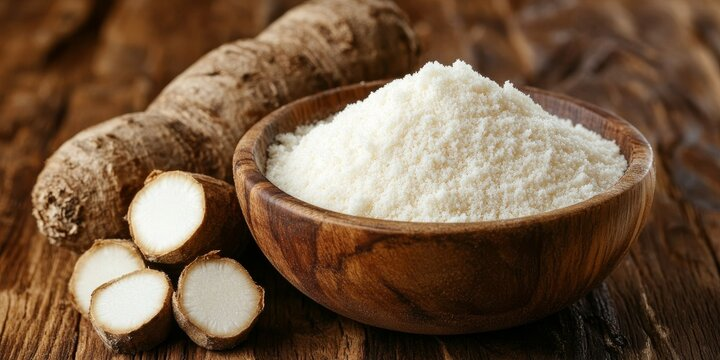
Beyond our focus on Tapyoka Unu, EFBA Agro International offers a comprehensive selection of agricultural commodities tailored for global markets. Each product category is handled with strict quality protocols, ensuring consistency from the point of harvest to export clearance. Our portfolio includes Arenga Palm Sugar (both molded and granulated), Candlenut (shelled and polished grades), Black Pepper, Vanilla Beans, Nutmeg, Cloves, Cocoa derivatives, and specialty natural ingredients sourced from Indonesia’s most productive agricultural zones. These commodities support various industries from food and beverages to natural cosmetics, wellness, and industrial formulations.
The diversity of this portfolio allows buyers to consolidate multiple SKUs under one trusted supplier, significantly reducing logistical complexity and administrative workload. Companies that purchase Tapyoka Unu often expand their partnership with EFBA Agro once they recognize the operational advantages of working with a supplier capable of managing large-volume shipments, export documentation, container optimization, and consistent communication. Our website’s commodities section highlights each product’s specifications, applications, and export readiness, ensuring that buyers can evaluate options clearly before placing an order. By offering a multi-commodity ecosystem with modern, export-focused processes, EFBA Agro reinforces its commitment to supporting long-term growth for global manufacturers and distributors.
FAQ – Flour Trade Tapioca Flour
1. What minerals are naturally present in tapioca flour within the Flour Trade market?
Tapioca flour contains several naturally occurring minerals that contribute to its nutritional profile. Although cassava is primarily known for carbohydrates, it also provides small but meaningful amounts of calcium, potassium, magnesium, iron, and phosphorus. These minerals support essential body functions such as nerve signaling, muscle activity, and energy metabolism. In the global Flour Trade industry, the mineral composition of tapioca flour often depends on soil conditions and cassava cultivation methods. Proper agricultural practices and careful processing help preserve these nutrients while maintaining the flour’s purity and functional performance for food manufacturing and industrial use.
2. How does mineral composition affect tapioca flour quality?
Mineral content can influence the structural and functional properties of tapioca flour. Calcium and magnesium contribute to starch stability, while potassium supports natural moisture balance in cassava roots. In the Flour Trade supply chain, maintaining consistent mineral levels ensures predictable starch behavior during cooking, baking, or industrial processing. Quality control procedures verify mineral balance alongside moisture and starch concentration to guarantee reliable performance across batches.
3. Is tapioca flour considered a significant mineral source?
Tapioca flour is not typically consumed as a major mineral source compared with whole grains or legumes. However, it contributes trace nutrients that complement balanced diets. Within the Flour Trade industry, its primary value lies in functional starch properties rather than high micronutrient density. Nevertheless, when used alongside nutrient-rich ingredients, tapioca flour supports balanced food formulations.
4. Does processing affect mineral levels in tapioca flour?
Processing can slightly influence mineral retention depending on washing, drying, and milling methods. High-quality Flour Trade producers apply controlled techniques that preserve starch purity while minimizing nutrient loss. Gentle drying temperatures and careful filtration help maintain the natural composition of cassava roots. This ensures that the final flour retains both functional starch properties and its original trace minerals.
5. Why do manufacturers consider mineral composition in ingredient sourcing?
Food manufacturers analyze mineral composition to understand how ingredients behave in recipes. Minerals can influence pH balance, starch gelatinization, and texture development. In the Flour Trade sector, consistent mineral levels help maintain stable viscosity in sauces, uniform structure in gluten-free baking, and predictable results in processed foods.
6. How can buyers verify mineral quality in export-grade tapioca flour?
International buyers usually request laboratory analysis reports that detail mineral composition, moisture levels, and starch concentration. These certificates help confirm that the flour meets export standards and production specifications. Trusted Flour Trade suppliers provide transparent documentation, ensuring buyers receive tapioca flour with verified quality, traceable sourcing, and reliable nutritional characteristics suitable for global markets.
Wanna Gayo Coffee Commodity? Explore Coffeenesia For More Information: https://coffeenesia.id/