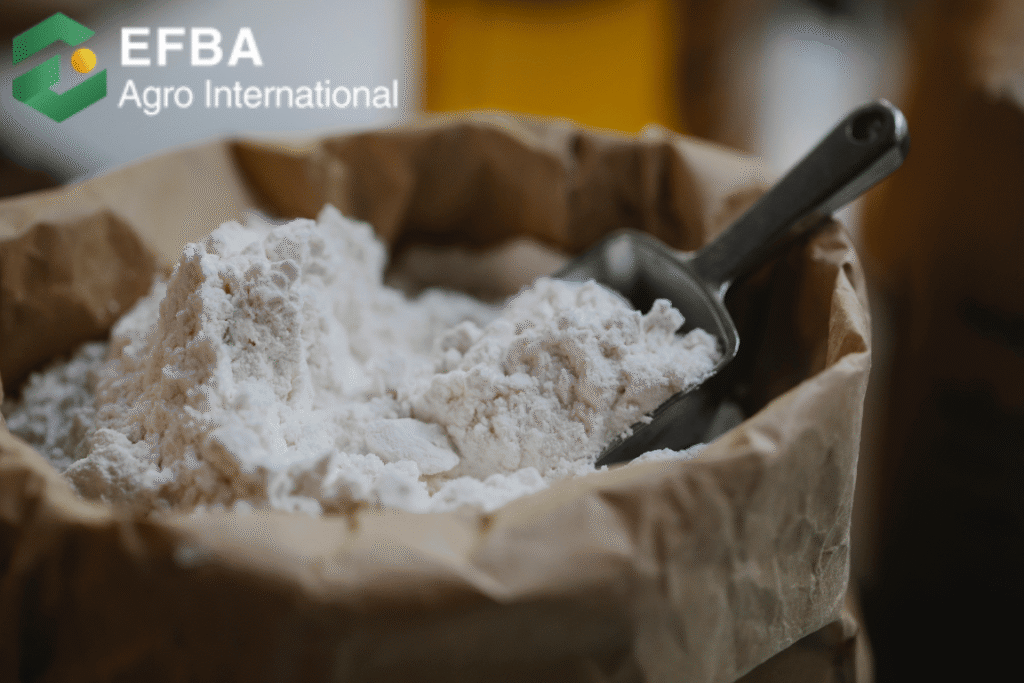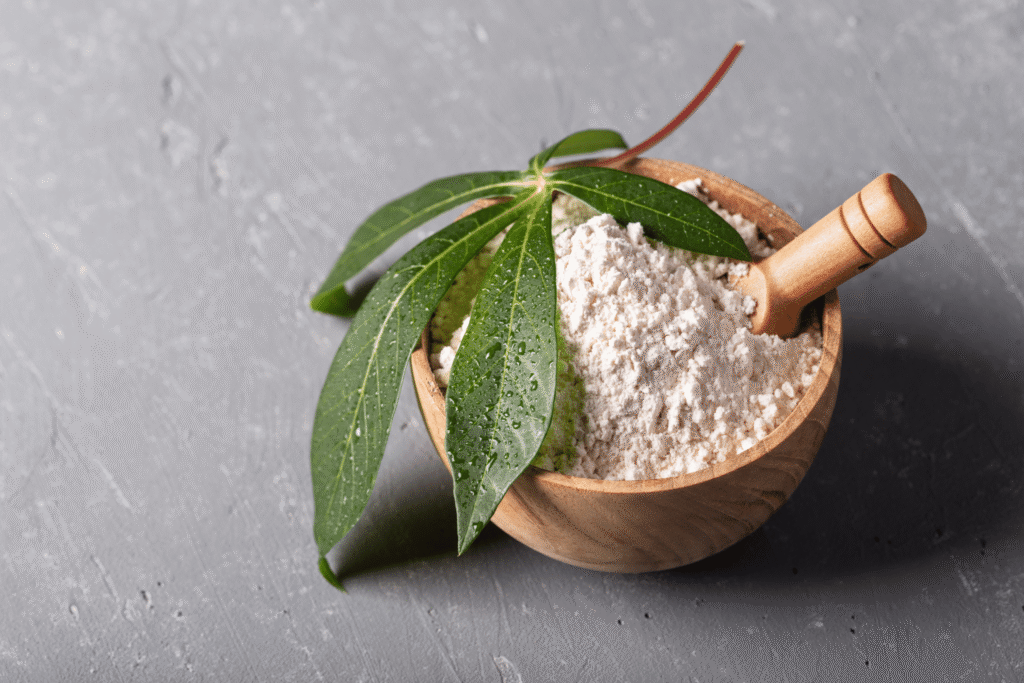

Tapyoka Unu fine white texture 25kg premium export option stands as one of the most versatile and globally demanded plant based ingredients in the modern food industry. Derived from cassava root, this smooth, bright white flour has earned its reputation for purity, elasticity, neutral flavor, and impressive functionality across a wide range of culinary and industrial applications.
In many countries, this starch rich ingredient serves far more than a simple thickener. Food producers rely on Tapioca Flour to stabilize texture, improve mouthfeel, and support gluten free formulations without altering flavor. As consumer demand for clean label and plant based products rises, manufacturers increasingly choose tapioca based solutions because they offer consistency, scalability, and global acceptance across diverse culinary systems. In today’s competitive food market, consistency defines quality, and this is precisely where Tapioca Flour demonstrates long term value.
Tapioca Flour Definition, Origin, and Botanical Background
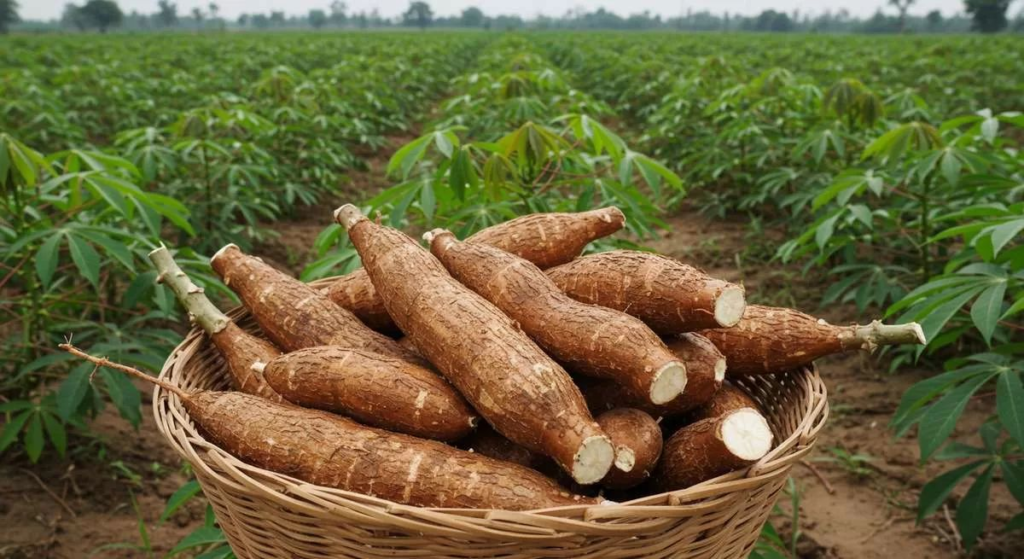
Cassava root, scientifically known as Manihot esculenta, grows abundantly in tropical climates and forms the agricultural foundation behind one of the world’s most important starches. Farmers across Southeast Asia, Africa, and South America cultivate cassava because it tolerates drought, adapts to poor soil, and produces high carbohydrate yields. From this resilient crop, producers extract starch that becomes Tapioca Flour, a fine white powder recognized for purity and functionality in food systems worldwide. This agricultural strength ensures stable raw material supply and supports continuous industrial demand.
Historically, indigenous communities in South America developed early cassava processing techniques to remove natural compounds and make the root safe for consumption. Over time, traders introduced cassava cultivation to Asia and Africa, where local industries refined extraction methods and scaled production. Today, manufacturers transform freshly harvested cassava into high quality Tapioca Flour through systematic washing, grating, filtering, drying, and milling processes that prioritize hygiene and uniformity. As global demand expands, this botanical origin continues to anchor its reputation as a dependable plant based ingredient in both traditional and modern food applications.
Tapioca Flour Characteristics and Fine White Texture
Texture strongly influences consumer perception, and few starches perform as consistently as Tapioca Flour in this regard. The flour appears bright white, feels silky between fingers, and dissolves smoothly when mixed with liquid. Its fine particle size allows even dispersion, which prevents clumping and supports stable thickening in sauces, batters, and fillings. When heated with water, the starch granules swell and create a translucent gel that enhances both structure and visual clarity. This clarity differentiates it from many cereal based starches.
Moreover, this ingredient delivers a neutral aroma and flavor, which means it supports formulations without overpowering primary taste profiles. Bakers, chefs, and food technologists rely on Tapioca Flour to create elasticity and chewiness, especially in gluten free products where structural balance becomes critical. Because it forms clear gels instead of cloudy ones, it improves fruit pie fillings and glossy sauces. In addition, its smooth texture enhances mouthfeel in puddings and custards. These combined characteristics position Tapioca Flour as a premium functional starch in diverse culinary systems.
Tapioca Flour Nutritional Composition and Health Benefits
Nutritionally, starch based ingredients primarily supply energy, and Tapioca Flour fits squarely into that category. It consists largely of carbohydrates, with minimal protein and fat content, and provides approximately 350 calories per 100 grams. Although it does not rank as a micronutrient dense food, it supports dietary energy needs efficiently. Its carbohydrate structure offers quick energy release, which explains why many tropical regions integrate cassava derived foods into daily consumption patterns as staple energy sources.
Beyond energy value, this flour offers practical dietary advantages. First, Tapioca Flour contains no gluten, which makes it suitable for individuals with celiac disease or gluten sensitivity. Second, many people find it easy to digest compared to heavier grain flours, so it often appears in simplified or sensitive diet plans. Additionally, manufacturers favor it in clean label products because it functions as a natural thickener and stabilizer without artificial additives. As consumers increasingly prioritize transparency and plant based ingredients, Tapioca Flour continues to strengthen its role in health conscious product development.
Tapioca Flour Applications in Culinary and Food Industry

Across global cuisines, chefs and food developers incorporate Tapioca Flour into countless recipes because it adapts easily to different preparation methods. In baking, it enhances elasticity in gluten free bread, cakes, and pizza crusts, where structure requires reinforcement. When blended with other flours, it helps dough retain moisture and improves chewiness. In soups and gravies, it thickens quickly and creates a glossy finish that elevates presentation without masking flavor. This versatility encourages creative culinary experimentation.
Furthermore, industrial food producers use Tapioca Flour in noodle manufacturing, snack extrusion, processed meats, and dairy alternatives. It binds ingredients, stabilizes moisture, and maintains consistency during freezing or reheating. Traditional desserts, including tapioca pearls and chewy cakes, also rely on its gel forming capacity to achieve signature textures. Because it performs reliably under heat and mechanical processing, manufacturers trust it in large scale production. As culinary innovation accelerates globally, Tapioca Flour remains central to both artisanal craftsmanship and advanced food technology systems.
Tapioca Flour and Cassava Relationship
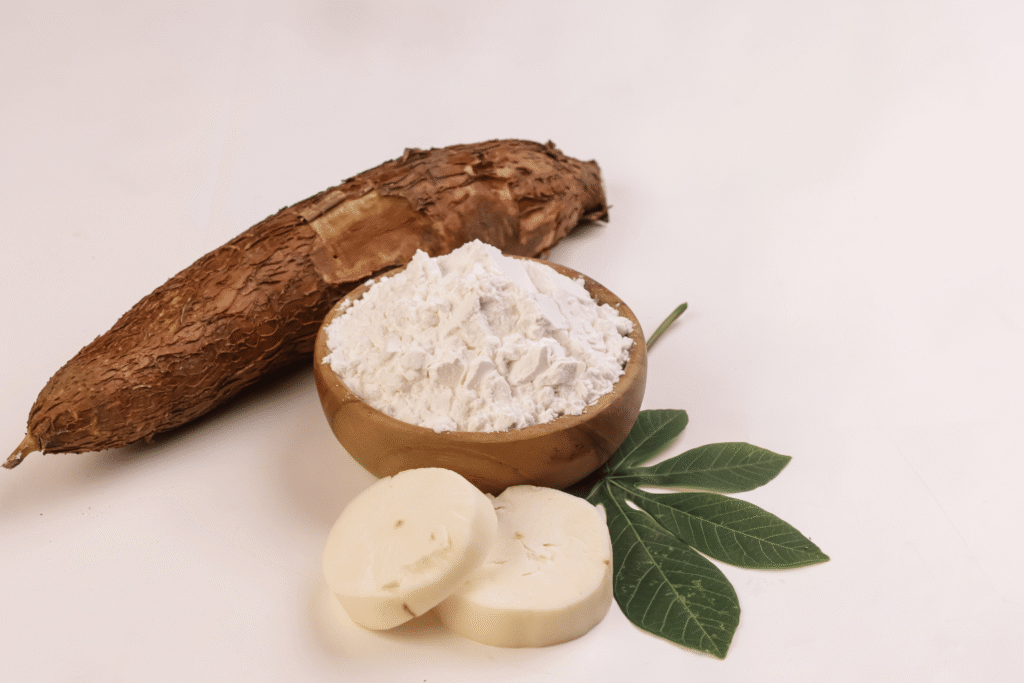
Understanding the relationship between cassava and Tapioca Flour clarifies why this ingredient differs from other root based flours. Cassava flour involves drying and grinding the entire root, including fiber, whereas producers extract primarily the starch component to create tapioca flour. This distinction influences texture, color, and functionality. Tapioca Flour offers a smoother, finer consistency and produces clearer gels compared to whole cassava flour, which contains more fiber and delivers a denser structure.
Cassava cultivation supports millions of smallholder farmers worldwide and strengthens rural economies in tropical regions. Because the crop tolerates challenging environmental conditions, it contributes to food security and agricultural resilience. Producers transform cassava into refined starch to increase shelf life and expand commercial value beyond fresh root consumption. Consequently, Tapioca Flour represents not only a culinary ingredient but also a strategic agricultural product that connects farming communities to international supply chains, processors, distributors, and global food manufacturers.
Tapioca Flour Functional Properties in Modern Food Technology
Food technologists focus heavily on functionality, and Tapioca Flour consistently meets technical performance requirements in product development. When exposed to heat and moisture, its starch granules gelatinize efficiently, creating stable viscosity and desirable texture. This property supports sauce thickening, filling stabilization, and binding in processed foods. In extrusion systems, it contributes to expansion and crispness, which enhances snack quality and consumer appeal.
Additionally, Tapioca Flour demonstrates freeze thaw stability in many formulations, making it suitable for frozen meals and ready to cook products. Manufacturers also value its compatibility with other starches and hydrocolloids, which allows flexible formulation design. Because it maintains neutral taste and consistent behavior under various processing conditions, developers integrate Tapioca Flour into innovative food concepts such as plant based meat analogues and gluten free bakery systems. Its technical reliability reinforces its growing presence in research driven food innovation.
Tapioca Flour Fine White Texture 25kg Premium Export Option
Bulk purchasing plays a critical role in industrial food production, and a 25kg packaging format supports efficiency and logistical stability. Buyers who select premium grade Tapioca Flour in 25kg bags gain consistent particle size, controlled moisture levels, and uniform whiteness across batches. These quality indicators ensure predictable performance in high volume manufacturing environments where precision directly affects profitability and brand reputation.
Additionally, exporters prioritize strict quality control to maintain purity and prevent contamination during processing and packaging. By offering Tapioca Flour in premium export grade, suppliers help manufacturers meet international standards and regulatory expectations. The 25kg format reduces packaging waste, simplifies storage, and streamlines transportation planning across domestic and international routes. As global demand for gluten free and plant based ingredients continues to rise, this export oriented packaging option positions suppliers and buyers to respond confidently to expanding market opportunities and long term contracts.
Tapioca Flour Storage, Shelf Life, and Quality Standards
Proper storage protects product integrity and preserves functionality over time. Manufacturers recommend keeping Tapioca Flour in a cool, dry environment away from direct sunlight and strong odors. Because starch absorbs moisture easily, exposure to humidity can cause clumping and compromise quality. Therefore, sealed packaging and controlled warehouse conditions play an essential role in maintaining stability and preventing microbial risks.
When handled correctly, Tapioca Flour can maintain quality for up to two years, depending on moisture control and packaging standards. Quality assurance teams regularly test parameters such as moisture content, microbial safety, whiteness index, and viscosity performance to confirm compliance with food safety regulations. Bright white color, fine texture, and neutral aroma signal high grade material. By implementing structured storage protocols, laboratory verification, and systematic monitoring, suppliers ensure that every batch of Tapioca Flour consistently meets industrial, culinary, and international trade expectations.
Tapioca Flour Global Market Demand and Trade Expansion
Global food consumption patterns continue to evolve, and starch based ingredients maintain a strong presence in both developing and advanced economies. As manufacturers scale production of gluten free, plant based, and convenience foods, they consistently increase demand for reliable raw materials. Within this landscape, Tapioca Flour plays a central role because it offers neutral flavor, adaptable viscosity, and consistent performance across diverse processing environments. Its ability to integrate seamlessly into multiple formulations makes it attractive to multinational food producers seeking stable supply chains.
At the same time, international trade networks actively distribute Tapioca Flour across continents, connecting cassava producing countries with industrial food hubs in Europe, North America, the Middle East, and East Asia. Export oriented suppliers package premium grade flour in standardized bulk formats, including 25kg bags, to streamline container loading and warehouse management. This structured trade flow supports competitive pricing and consistent quality assurance. As consumer awareness of gluten free products rises and clean label standards tighten, global buyers increasingly prioritize high purity Tapioca Flour that meets food safety certifications and international compliance requirements.
Tapioca Flour Role in Gluten Free and Plant Based Innovation
Consumer preferences shift rapidly, especially in urban markets where dietary awareness influences purchasing decisions. Food brands respond by reformulating products to remove gluten and artificial additives while maintaining texture and taste. In this transformation, Tapioca Flour functions as a key structural component that restores elasticity and chewiness lost when wheat flour disappears from recipes. Bakers frequently blend it with rice flour or other starches to improve crumb softness and extend shelf life without synthetic enhancers.
Beyond gluten free bakery, plant based meat and dairy alternatives also incorporate Tapioca Flour to enhance binding and moisture retention. When developers create vegan sausages or meat analogues, they rely on starch systems to stabilize texture during cooking. The gel forming capacity of Tapioca Flour contributes to firmness while preserving juiciness. Similarly, non dairy cheese alternatives use it to achieve stretch and melt behavior that consumers expect. Because it integrates smoothly into clean label ingredient lists, Tapioca Flour supports product innovation that aligns with modern health and sustainability trends.
Tapioca Flour Economic Value for Agricultural Communities
Agricultural supply chains shape rural economies, and cassava cultivation provides income for millions of farming households across tropical regions. When processors convert cassava roots into refined starch, they create additional value that extends beyond fresh crop sales. Tapioca Flour production stimulates local employment in washing, extraction, drying, milling, packaging, and logistics operations. This value chain strengthens community resilience and encourages infrastructure development in agricultural areas.
Furthermore, consistent global demand for Tapioca Flour helps stabilize cassava pricing, which benefits smallholder farmers who depend on predictable market access. Governments in producing countries often support cassava based industries because they contribute to export earnings and food security strategies. As international buyers seek long term contracts for premium grade starch, they indirectly reinforce sustainable agricultural systems. Through structured procurement, transparent quality control, and fair trade practices, Tapioca Flour trade can promote inclusive economic growth while meeting industrial food requirements worldwide.
Quality Assurance and International Standards
Food safety regulations grow increasingly strict as global trade expands, and manufacturers cannot compromise on ingredient integrity. Suppliers who produce export grade Tapioca Flour implement comprehensive quality control systems that monitor moisture levels, microbial counts, particle size distribution, and whiteness index. These measurable parameters ensure that every batch performs consistently during industrial processing. Reliable laboratory testing protects both manufacturers and end consumers.
In addition, reputable producers align their operations with recognized food safety frameworks such as HACCP and other international compliance systems. By maintaining traceability from cassava sourcing through final packaging, they strengthen buyer confidence and reduce supply chain risk. Premium Tapioca Flour must demonstrate purity, stability, and freedom from contaminants to enter competitive global markets. As import regulations evolve and certification requirements increase, structured quality management becomes not only a regulatory necessity but also a strategic advantage for exporters seeking long term partnerships.
Sustainability and Environmental Considerations
Sustainability discussions increasingly influence procurement decisions across the food industry. Cassava cultivation offers several environmental advantages because the crop tolerates drought conditions and grows in relatively marginal soils. Farmers can produce significant carbohydrate yield with comparatively moderate input requirements. When managed responsibly, cassava farming supports soil conservation and crop rotation strategies that strengthen agricultural ecosystems.
Moreover, efficient processing techniques reduce water consumption and energy usage during starch extraction and drying. Producers who optimize operational efficiency lower environmental impact while maintaining premium Tapioca Flour quality. As global buyers evaluate carbon footprints and responsible sourcing policies, sustainable cassava supply chains gain strategic importance. By combining resilient agriculture with structured industrial processing, Tapioca Flour aligns with broader sustainability objectives that shape the future of food production and international trade.
Future Outlook and Long Term Industry Growth

Looking ahead, food innovation continues to accelerate as consumer lifestyles shift toward convenience, health awareness, and global flavor exploration. Tapioca Flour stands well positioned within this evolving landscape because it adapts to new product categories without requiring complex reformulation. Whether developers design gluten free bakery lines, plant based ready meals, or specialty desserts, this starch consistently delivers structural reliability and neutral sensory impact.
At the same time, expanding urban populations and rising disposable incomes drive increased consumption of packaged foods. Manufacturers respond by scaling production capacity, which reinforces demand for bulk packaging formats such as the 25kg premium export option. As research advances in food science and functional starch applications, Tapioca Flour will likely support emerging technologies in texture engineering and clean label stabilization. Its botanical origin, functional versatility, and global trade integration ensure that it remains a strategic ingredient in the long term development of modern food systems.
Direct consultation and pricing, feel free to contact us via this WhatsApp Ve tapyoka unu ihtiyaçlarınızı ekibimizle görüşebilirsiniz.
EFBA Agro International: Kalite, Dürüstlük ve Uzun Vadeli İş Birliği Üzerine Kurulu Küresel Bir Tedarikçi

EFBA Agro International, dünya genelindeki gıda üreticilerine, distribütörlere ve endüstriyel firmalara hizmet veren, Endonezya’nın en güvenilir tarım ihracatçılarından biri haline gelmiştir. Şeffaflık, kalite güvencesi ve uzun vadeli iş birliği temelleri üzerine kurulan EFBA Agro, küresel tedarik zincirlerinin değişen ihtiyaçlarını desteklemek üzere tasarlanmış bir emtia portföyü sunar.
What sets EFBA Agro apart is our commitment to direct collaboration with processors, mills, and farmer groups. This approach ensures full visibility over raw material selection, processing techniques, and quality control benchmarks. While Tapioca Flour remains one of our strongest export categories, we are equally dedicated to developing a diversified commodity line that supports a wider range of industries. Our export operations emphasize reliability, communication, and proactive updates, helping buyers plan ahead and avoid supply disruptions. EFBA Agro positions itself not just as a vendor but as a strategic partner capable of supporting long-term procurement planning across multiple product categories.
EFBA Agro’s Full Commodity Line: From Tapioca to Premium Spices and Natural Ingredients
Beyond our focus on Tapioca , EFBA Agro International offers a comprehensive selection of agricultural commodities tailored for global markets. Each product category is handled with strict quality protocols, ensuring consistency from the point of harvest to export clearance.
Portföyümüz; Arenga Palmiye Şekeri (kalıplanmış ve granül), Mum Cevizi (kabuklu ve parlatılmış), Karabiber, Vanilya Çubukları, Muskat, Karanfil, Kakao türevleri ve Endonezya’nın en verimli tarım bölgelerinden tedarik edilen özel doğal bileşenleri kapsamaktadır. Bu ürünler; gıda ve içecekten doğal kozmetiklere, wellness ürünlerinden endüstriyel formülasyonlara kadar birçok sektörü destekler.
Bu portföy çeşitliliği, alıcıların birden fazla SKU’yu tek ve güvenilir bir tedarikçi altında birleştirmesine olanak tanır; lojistik karmaşıklığı ve idari yükü önemli ölçüde azaltır. Tapyoka Unu satın alan firmalar, EFBA Agro ile çalışmanın büyük hacimli sevkiyatlar, ihracat dokümantasyonu, konteyner optimizasyonu ve tutarlı iletişim konularındaki operasyonel avantajlarını gördüklerinde iş birliklerini genişletmektedir.
Web sitemizdeki emtia bölümü, her ürünün teknik özelliklerini, kullanım alanlarını ve ihracata hazır durumunu detaylı şekilde sunarak alıcıların sipariş vermeden önce net bir değerlendirme yapmasını sağlar. Çoklu emtia ekosistemi ve modern ihracat süreçleriyle EFBA Agro, küresel üreticiler ve distribütörler için uzun vadeli büyümeyi destekleme konusundaki kararlılığını güçlendirmektedir.
Sıkça Sorulan Sorular (SSS)
- How does Tapioca Flour differ from tapioca starch?
Although many people use the terms interchangeably, some markets distinguish Tapioca Flour from tapioca starch based on refinement level and labeling standards. In most commercial contexts, both refer to purified starch extracted from cassava root. However, certain regional suppliers may market whole root cassava flour separately, which contains more fiber. Therefore, buyers should always verify technical specifications, moisture content, and intended functionality before purchasing for industrial or culinary applications. - Can Tapioca Flour replace wheat flour completely in baking?
Tapioca Flour cannot fully replace wheat flour on its own because it lacks protein structure. However, bakers often combine it with other gluten free flours to improve elasticity and chewiness. When used strategically in blends, it enhances texture and reduces dryness in bread, cakes, and pastries without compromising flavor balance. - Is Tapioca Flour suitable for low carb diets?
Tapioca Flour contains a high percentage of carbohydrates, so it does not fit strict low carb or ketogenic diets. Nevertheless, it remains suitable for gluten free and plant based dietary patterns where carbohydrate intake is not heavily restricted. - Does Tapioca Flour affect flavor in recipes?
One of the main advantages of Tapioca Flour lies in its neutral taste. It does not overpower spices, fruits, or savory ingredients. Instead, it supports texture while allowing dominant flavors to remain clear and balanced. - How should manufacturers test Tapioca Flour quality?
Manufacturers typically evaluate moisture level, particle size consistency, microbial safety, and viscosity performance. These technical parameters ensure stable processing behavior and compliance with international food safety standards. - Can Tapioca Flour improve frozen food stability?
Yes, Tapioca Flour performs well in frozen applications because it maintains texture after thawing. Its starch structure helps prevent excessive water separation, which improves product consistency in ready meals and frozen desserts.
If you also interest for Coffe Beans or Cascara Sweet Tea, you must be visit to https://coffeenesia.id/