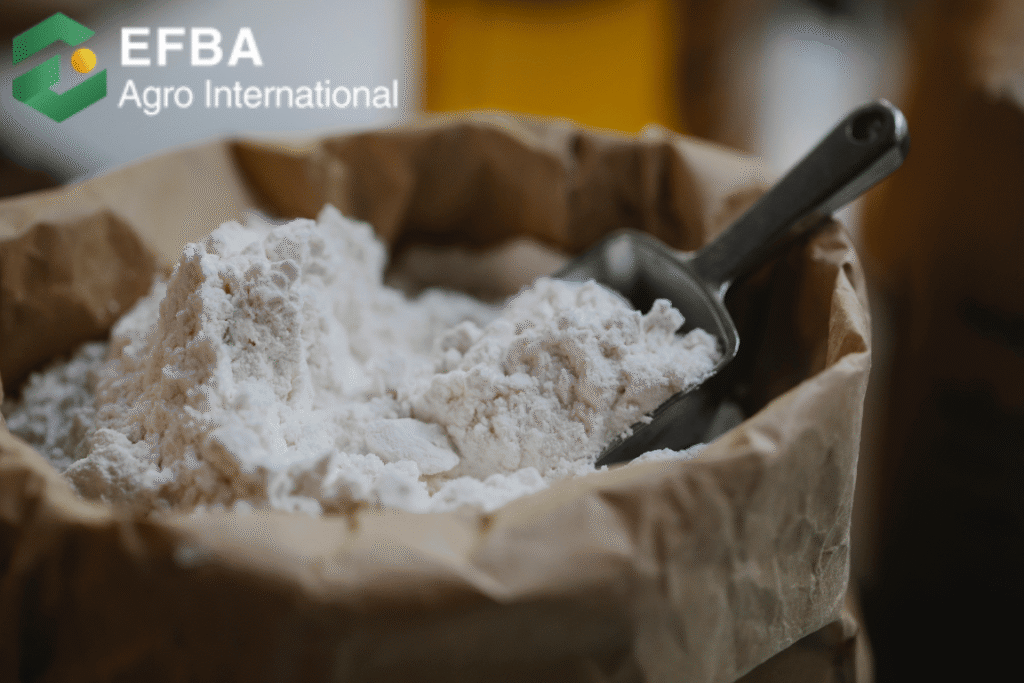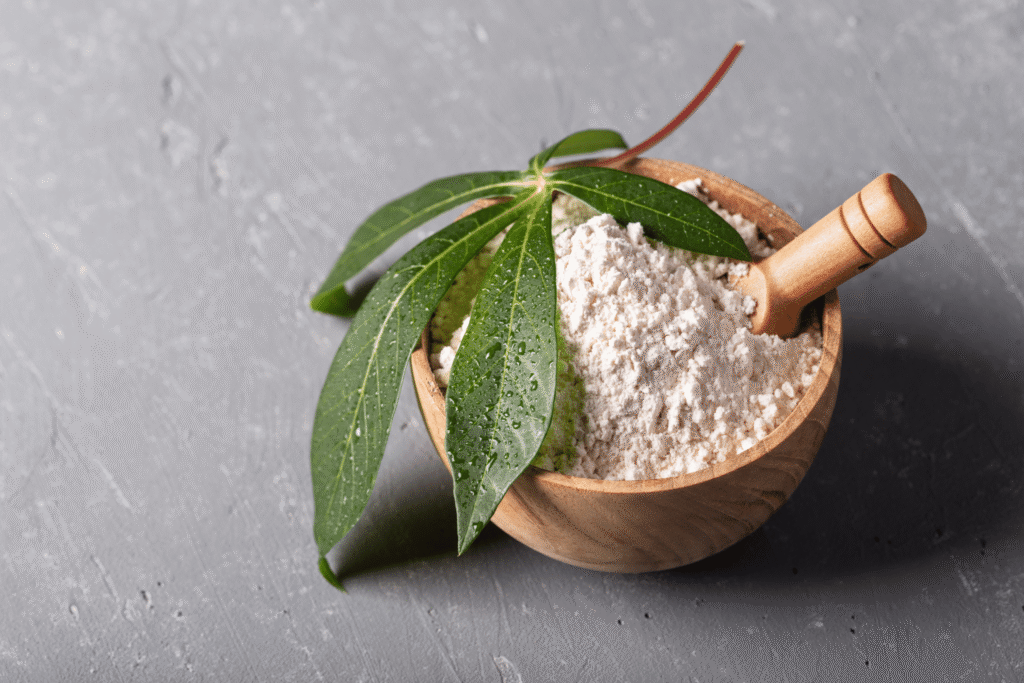

Cassava Flour represents one of the most important plant based staples in tropical agriculture and modern gluten free nutrition. Farmers cultivate cassava root across Asia, Africa, and Latin America because the plant thrives in dry climates and poor soil conditions. Communities rely on this crop as a dependable energy source, and food manufacturers increasingly turn to it for versatile flour applications. With fiber content reaching up to 12 percent in whole form, cassava offers more than calories. It supports digestive balance while delivering sustained energy. As global demand for resilient staple crops rises, interest in cassava continues to expand among producers, nutrition experts, and food innovators alike.
Cassava Flour Origin and Botanical Identity
Human civilizations first domesticated cassava in South America thousands of years ago, and traders later introduced it to Africa and Asia. Over time, farmers recognized the plant’s extraordinary resilience and integrated it into local agricultural systems. Today, Nigeria, Thailand, Indonesia, and Brazil rank among the largest producers. The scientific name Manihot esculenta identifies this woody shrub, which grows broad palmate leaves above ground while developing elongated tuberous roots beneath the soil.
The cassava root features a rough brown exterior and firm white or cream colored flesh. When harvested, growers peel and process it carefully to ensure safe consumption. Although raw cassava contains natural cyanogenic compounds, proper preparation eliminates potential risks and enhances its nutritional usability. As cultivation expanded across continents, agricultural researchers improved disease resistance and yield quality. These botanical strengths laid the foundation for transforming cassava into whole root flour, now widely recognized in global markets.
Cassava Flour Characteristics and Physical Traits
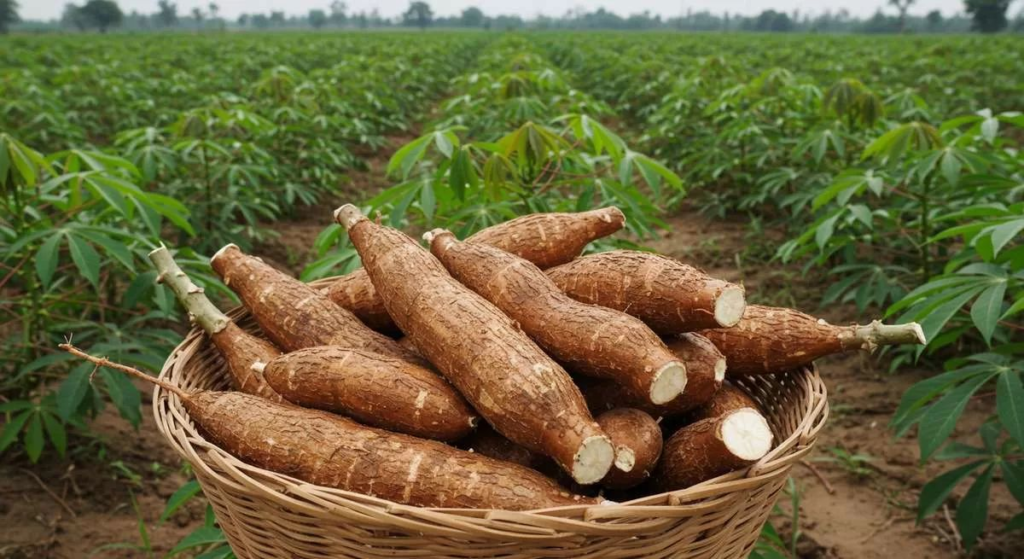
The physical characteristics of cassava root define the qualities people later recognize in Cassava Flour. Farmers harvest thick cylindrical roots that can grow up to 30 centimeters in length. Their dense interior contains high starch concentration, which gives cassava its signature energy value. Unlike many grains, cassava does not contain gluten proteins, which makes it naturally suitable for gluten free diets.
When producers dry and mill the entire root, they preserve more fiber compared to isolated starch products. This whole root approach results in a slightly earthy aroma and smooth texture that blends easily into recipes. Consumers appreciate its neutral taste because it adapts to savory dishes as well as sweet baked goods. These functional characteristics explain why food developers increasingly incorporate cassava into alternative flour formulations.
Moreover, the root’s durability during cultivation translates into consistent supply stability. Because the plant tolerates drought and poor soils, farmers maintain production even under challenging climate conditions. This agricultural strength reinforces cassava’s long term importance as a dependable staple crop.
Cassava Flour Nutritional Composition and Energy Value
Nutritionally, cassava delivers high carbohydrate density that fuels daily activity. A dried cassava product can provide around 350 calories per 100 grams, primarily from complex carbohydrates. These carbohydrates digest efficiently and supply quick energy, which explains why many communities rely on cassava as a staple food source.
In addition to energy, whole cassava retains meaningful dietary fiber levels. Fiber contributes to digestive regularity, supports gut microbiota balance, and promotes satiety. When Cassava Flour maintains approximately 12 percent fiber content, it offers greater nutritional depth than refined starch alone. Although cassava contains modest protein amounts, it complements legumes, meats, and other protein rich foods effectively within balanced diets.
Micronutrient content also enhances its value. Cassava supplies vitamin C, potassium, magnesium, and small amounts of iron. Potassium plays an essential role in maintaining normal blood pressure and muscle function. Through this combination of macronutrients and micronutrients, cassava supports both energy metabolism and overall wellness.
Cassava Flour Health Benefits and Digestive Support
Digestive health benefits often drive consumer interest in cassava based products. Whole root flour provides fiber that stimulates bowel movement regularity and reduces digestive discomfort. By nourishing beneficial gut bacteria, dietary fiber strengthens the digestive ecosystem and improves nutrient absorption efficiency.
Because cassava contains no gluten, individuals with gluten intolerance or celiac disease frequently choose Cassava Flour as a reliable alternative. Its structure mimics traditional wheat flour more closely than many other gluten free substitutes, which allows people to maintain familiar cooking habits without digestive irritation. This functional similarity encourages wider dietary inclusion.
Furthermore, cassava supports sustained energy release. Its complex carbohydrates prevent sudden spikes and crashes in blood sugar when consumed within balanced meals. These combined benefits position cassava as a practical staple for households seeking both energy and digestive support in everyday nutrition.
Cassava Flour Culinary Applications Worldwide
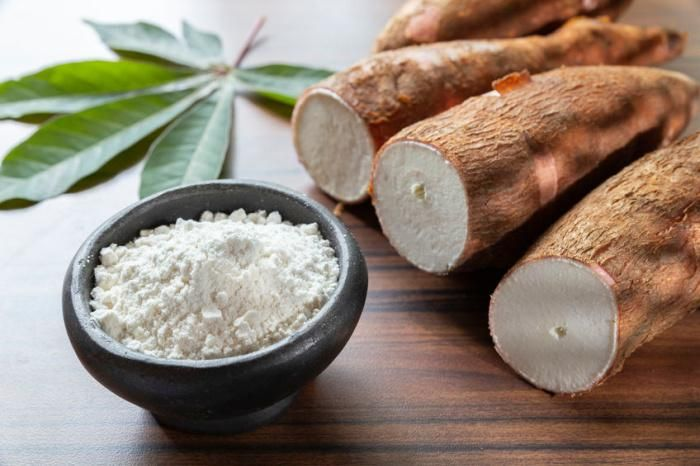
Culinary traditions around the world showcase cassava’s versatility. In West Africa, communities transform cassava into gari and fufu through fermentation and cooking techniques. In Latin America, cooks prepare cassava bread and cakes that highlight its mild flavor. Southeast Asian cuisines often steam or sweeten cassava in desserts and snacks.
Modern food innovators also integrate Cassava Flour into gluten free bread, pancakes, tortillas, and pastries. Its fine texture and binding properties create soft crumb structures when combined with eggs or other natural binders. Chefs value its adaptability because it performs consistently across various recipes.
Beyond household kitchens, food manufacturers utilize cassava in packaged goods, noodles, and snack products. Its shelf stability in dried form makes storage and transport efficient. These practical advantages expand its relevance from traditional rural cooking to contemporary urban food production systems.
Cassava Flour Agricultural Sustainability and Food Security
Agricultural resilience defines cassava’s strategic importance. Farmers cultivate cassava in marginal soils where many other crops struggle. The plant tolerates drought, irregular rainfall, and fluctuating temperatures, which strengthens food security in vulnerable regions.
By producing reliable yields under challenging conditions, cassava reduces dependence on imported grains. Governments and agricultural institutions promote cassava cultivation to diversify staple crops and stabilize local food systems. When processors convert harvested roots into Cassava Flour, they extend shelf life and reduce post harvest losses.
This sustainability dimension matters increasingly in a world facing climate uncertainty. Cassava offers farmers economic opportunity while supporting household nutrition. As research institutions continue improving crop varieties, cassava’s role in long term food security strategies will likely grow even stronger.
Cassava Flour Economic Value and Bulk Supply Potential
Global demand for gluten free and alternative carbohydrate sources continues to rise. Food producers seek consistent bulk ingredients that combine nutritional value with cost efficiency. Cassava meets these requirements because farmers cultivate it at large scale across multiple continents.
Bulk supply chains benefit from cassava’s storage stability and processing flexibility. Once producers dry and mill the root into Cassava Flour, they can transport it efficiently without rapid spoilage. This logistical advantage strengthens international trade potential and supports industrial food production.
Moreover, cassava’s affordability allows manufacturers to formulate products at competitive prices. As health conscious consumers explore plant based and gluten free options, cassava’s market relevance continues expanding. Its combination of resilience, nutrition, and versatility ensures steady demand in both developing and developed markets.
Sonuç
Throughout history, communities have relied on cassava as a dependable staple crop. Its botanical resilience, high carbohydrate density, meaningful fiber content, and gluten free properties make it uniquely valuable. From traditional rural dishes to modern commercial baking, cassava adapts to evolving dietary preferences without losing its agricultural roots.
As markets prioritize sustainable production and functional nutrition, Cassava Flour continues gaining recognition. With fiber levels reaching approximately 12 percent in whole form, it contributes to digestive balance while sustaining energy needs. Farmers, processors, and food manufacturers all benefit from its versatility and stability.
Bulk Tubers and Supply Chain Perspective
For businesses and food producers, sourcing cassava flour in bulk tubers such as 1 ton supplies means access to a high‑quality root source that supports scalable production. This is especially relevant for companies focused on healthy, gluten‑free, plant‑based, and energy‑rich ingredients. Bulk supplies ensure consistency, cost‑efficiency, and reliable availability for manufacturers and large‑scale baking operations.
At the intersection of agriculture and industry, cassava stands as a versatile commodity crop that can be integrated into supply chains around the world. Its adaptability and nutritional assets make it ideal for markets ranging from health food sectors to mainstream food production.
As you explore sourcing and applications of cassava flour, consider the broader ecosystem supporting sustainable crop growth, processing standards, and quality assurance that make bulk cassava products viable for international and local markets.
In conclusion, Cassava Flour is far more than a simple baking ingredient. It represents a centuries‑old food tradition with deep cultural roots, significant nutritional benefits, and expanding applications in modern diets and food industries. Whether you are a food entrepreneur, baker, or curious consumer, understanding cassava’s place in the world helps you see why this humble root continues to matter.
Doğrudan danışmanlık ve fiyatlandırma için WhatsApp üzerinden bizimle iletişime geçebilir ve Toptan Manyok ihtiyaçlarınızı ekibimizle görüşebilirsiniz. WhatsApp and discuss your Cassava Flour requirements with our team.
EFBA Agro International: Kalite, Dürüstlük ve Uzun Vadeli İş Birliği Üzerine Kurulu Küresel Bir Tedarikçi

EFBA Agro International EFBA Agro International, dünya genelindeki gıda üreticilerine, distribütörlere ve endüstriyel şirketlere hizmet veren, Endonezya’nın en güvenilir tarımsal ihracatçılarından biri haline gelmiştir. Şeffaflık, kalite güvencesi ve uzun vadeli iş birliği temeli üzerine kurulan EFBA Agro, küresel tedarik zincirlerinin değişen ihtiyaçlarını desteklemek üzere tasarlanmış bir emtia portföyü sunar. Gıda üretimi veya endüstriyel uygulamalarda Manyok Unu’na temel bir bileşen olarak güvenen alıcılar için EFBA Agro, yalnızca tutarlı kalite değil, aynı zamanda her sevkiyatın uluslararası standartları karşıladığına dair güven de sağlar. Kaynak ağımız Endonezya’nın birden fazla tarımsal bölgesine yayılmıştır ve alıcılara istikrarlı üretim, net dokümantasyon ve küresel satın alma sistemleriyle uyumlu ihracata hazır ambalajlar sunar. Toptan Manyok as a core ingredient in food production or industrial applications, EFBA Agro provides not only consistent quality but also the confidence that every shipment meets international standards. Our sourcing network spans multiple agricultural regions in Indonesia, giving buyers access to stable production, clear documentation, and export-ready packaging that aligns with global procurement systems.
EFBA Agro’yu farklı kılan unsur, işleyiciler, değirmenler ve çiftçi gruplarıyla doğrudan iş birliğine olan bağlılığımızdır. Bu yaklaşım, hammadde seçimi, işleme teknikleri ve kalite kontrol kriterleri üzerinde tam görünürlük sağlar. Manyok Unu en güçlü ihracat kategorilerimizden biri olmaya devam ederken, daha geniş bir endüstri yelpazesini destekleyen çeşitlendirilmiş bir emtia hattı geliştirmeye de eşit derecede önem veriyoruz. İhracat operasyonlarımız güvenilirlik, iletişim ve proaktif bilgilendirmeleri vurgular; bu da alıcıların önceden planlama yapmasına ve tedarik kesintilerinden kaçınmasına yardımcı olur. EFBA Agro kendini yalnızca bir tedarikçi olarak değil, birden fazla ürün kategorisinde uzun vadeli satın alma planlamasını destekleyebilen stratejik bir ortak olarak konumlandırır.
EFBA Agro’nun Tüm Emtia Portföyü: Manyok Unu’ndan Premium Baharatlara ve Doğal İçeriklere
Manyok Unu odağımızın ötesinde, EFBA Agro International küresel pazarlara yönelik kapsamlı bir tarımsal emtia seçkisi sunar. Her ürün kategorisi, hasattan ihracat işlemlerine kadar tutarlılığı sağlamak için sıkı kalite protokolleriyle yönetilir. Portföyümüz Arenga Palmiye Şekeri (kalıplı ve granül), Candlenut (kabuklu ve parlatılmış kalite), Karabiber, Vanilya Çubukları, Muskat, Karanfil, Kakao türevleri ve Endonezya’nın en verimli tarım bölgelerinden temin edilen özel doğal içerikleri kapsar. Bu emtialar, gıda ve içeceklerden doğal kozmetiklere, wellness ve endüstriyel formülasyonlara kadar çeşitli sektörleri destekler.
Bu portföy çeşitliliği, alıcıların birden fazla SKU’yu tek bir güvenilir tedarikçi altında birleştirmesine olanak tanır ve lojistik karmaşıklığı ile idari iş yükünü önemli ölçüde azaltır. Manyok Unu satın alan şirketler, büyük hacimli sevkiyatları, ihracat dokümantasyonunu, konteyner optimizasyonunu ve tutarlı iletişimi yönetebilen bir tedarikçiyle çalışmanın operasyonel avantajlarını fark ettiklerinde genellikle EFBA Agro ile ortaklıklarını genişletir. Web sitemizdeki emtialar bölümü, her ürünün spesifikasyonlarını, kullanım alanlarını ve ihracata hazır durumunu vurgular; böylece alıcılar sipariş vermeden önce seçenekleri net şekilde değerlendirebilir. Modern ve ihracat odaklı süreçlerle çoklu emtia ekosistemi sunarak EFBA Agro, küresel üreticiler ve distribütörler için uzun vadeli büyümeyi destekleme taahhüdünü pekiştirir.
FAQ Cassava Flour
1. How should I store Cassava Flour to maintain quality?
Store Cassava Flour in an airtight container and keep it in a cool, dry place away from direct sunlight. Control humidity carefully because excess moisture can affect texture and shelf life. For bulk storage, use sealed food grade packaging and place it on pallets to avoid direct floor contact. If you manage large inventory turnover, rotate stock regularly to preserve freshness and maintain consistent baking performance.
2. Can Cassava Flour replace wheat flour in every recipe?
You can replace wheat flour with Cassava Flour in many recipes, but you must adjust liquids and binding ingredients slightly. Because it contains no gluten, it behaves differently in elastic dough applications. For breads that require stretch, combine it with eggs or natural binders. However, for pancakes, cookies, sauces, and flatbreads, it performs exceptionally well without complex reformulation.
3. Does Cassava Flour support special diets?
Yes, Cassava Flour supports gluten free, grain free, and nut free diets. Many health conscious consumers choose it because it offers natural carbohydrates without common allergens. Additionally, people following paleo inspired eating patterns often prefer cassava based products due to their minimal processing and plant based origin.
4. How does fiber content affect digestion?
Fiber in Cassava Flour promotes digestive regularity and supports beneficial gut bacteria. When consumed in balanced portions, it helps maintain satiety and stable energy release. Therefore, higher fiber levels contribute positively to everyday digestive comfort.
5. Is Cassava Flour suitable for large scale food production?
Manufacturers frequently select Cassava Flour for bulk production because it stores well and adapts easily to various formulations. Its neutral taste allows seamless integration into snacks, baked goods, and processed foods without overpowering flavor profiles.