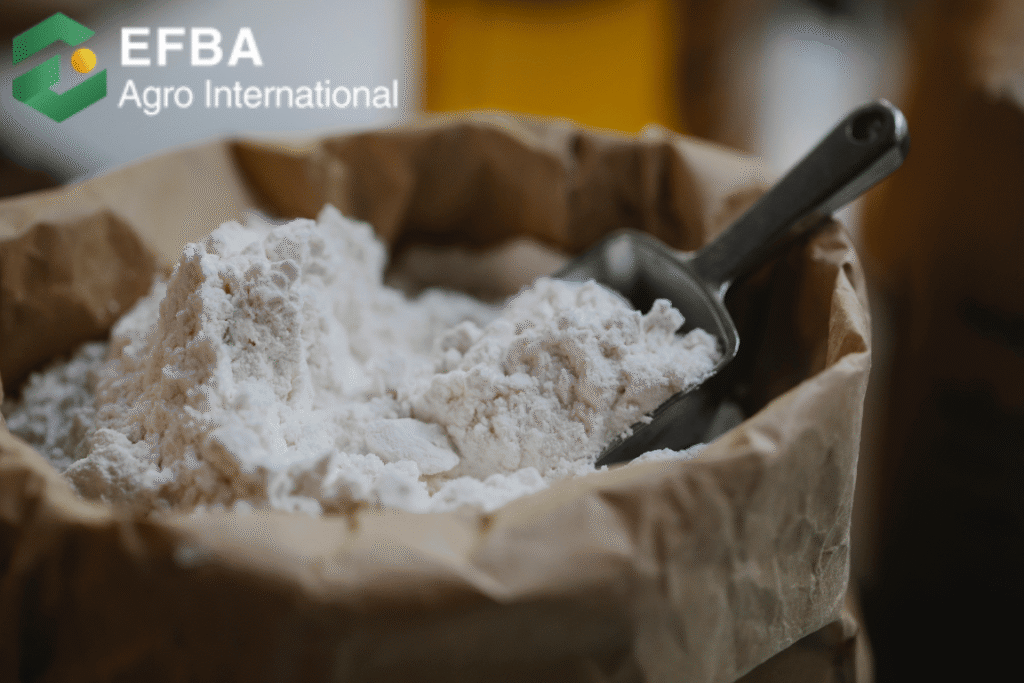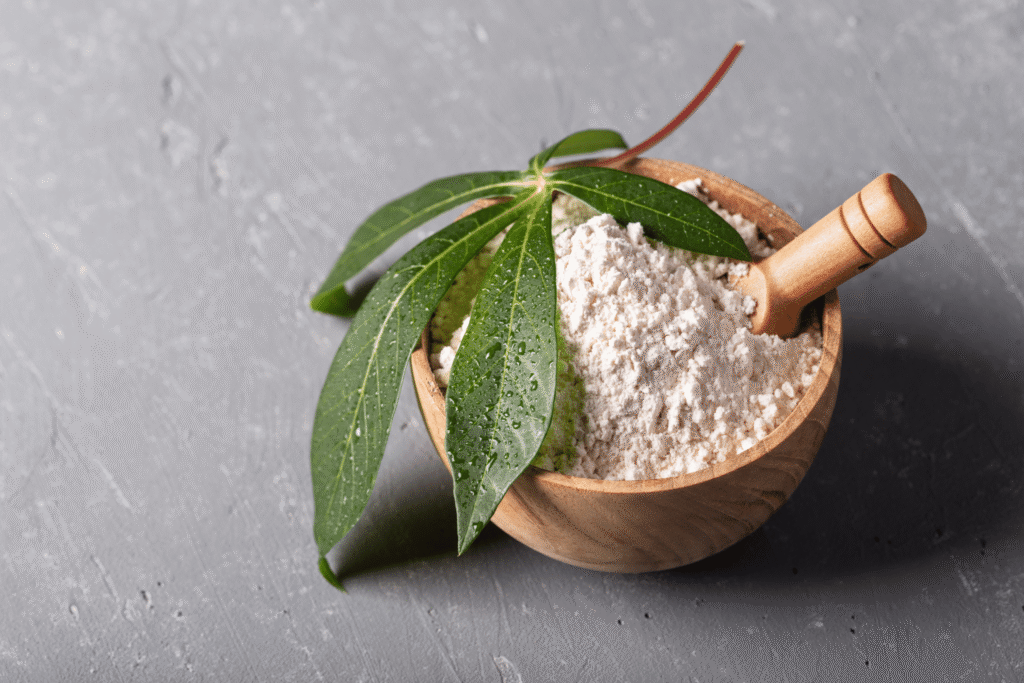

Tapioca Flour has long been recognized as one of the most versatile starch-based ingredients in the global food system. Known for its clean taste, smooth texture, and high energy content, this refined cassava starch in bulk bags 50kg supports food manufacturing, culinary applications, and selected non-food industries worldwide. Producers and manufacturers value it for consistency, clarity, and performance across a wide range of uses.
This article serves as a comprehensive, encyclopedia-style guide that explains what tapioca flour is, where it comes from, its defining characteristics, nutritional composition, health-related benefits, and the many ways people and industries use it in daily life and commercial production. The focus remains entirely on tapioca flour as a starch ingredient, not on cassava export or processing techniques.
Tapioca Flour Definition and Origin
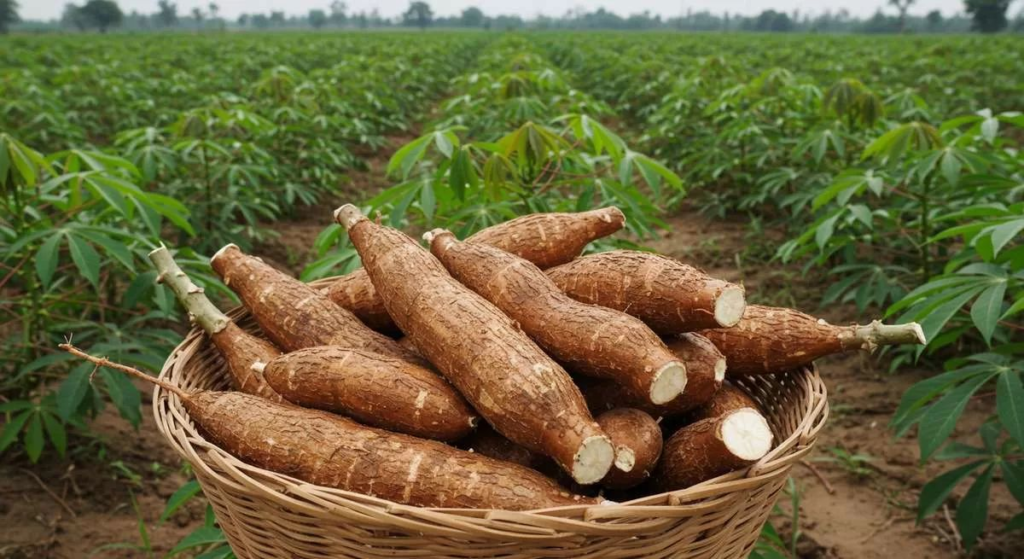
Derived from the root of the cassava plant, scientifically known as Manihot esculenta, tapioca flour represents a refined starch that humans have relied on for centuries. Indigenous communities in the Amazon basin first developed methods to extract starch from cassava roots, laying the foundation for what later became a globally traded ingredient.
Cassava plants thrive in warm climates with relatively low rainfall, allowing them to grow in regions where other staple crops often fail. As societies expanded and trade routes developed, communities across South America, Africa, and Southeast Asia adopted cassava starch as a dependable food source. Over time, people refined traditional techniques, producing the clean, white starch now widely known as tapioca flour.
Unlike cassava flour, which uses the entire root, producers isolate only the starch to create tapioca flour. This distinction gives it a fine texture, neutral flavor, and high carbohydrate concentration. Today, industries distribute it globally, commonly packaging it in 50kg bulk bags to meet commercial and industrial demand.
Characteristics and Unique Properties
Several defining traits distinguish tapioca flour from other starches and flours. Its high purity stands out first, as manufacturers extract almost exclusively carbohydrates in the form of starch, leaving minimal protein, fat, or fiber. This composition allows formulators to achieve consistent and predictable results.
Visually, the flour appears bright white with an ultra-fine, powdery texture. When heated with liquid, it forms a clear and glossy gel rather than a cloudy paste. Chefs and food technologists value this property in sauces, soups, and desserts that require smoothness and visual clarity.
Another key advantage lies in its neutral aroma and taste. Tapioca flour does not overpower other ingredients, which makes it ideal as a thickener and stabilizer. Additionally, it delivers strong binding and elasticity, contributing chewiness to baked goods and snacks. These combined properties explain its continued demand across food, beverage, and ingredient manufacturing sectors.
Nutritional Profile and Energy Content
Energy density defines the nutritional profile of tapioca flour. Composed primarily of carbohydrates, it provides approximately 350 to 360 calories per 100 grams, almost entirely from starch. Many populations rely on it as an efficient source of dietary energy.
Protein and fat levels remain very low, which allows tapioca flour to complement protein-rich foods without altering flavor or texture. Its low fat content also supports longer shelf life when stored correctly in dry, cool conditions.
Although it contains only modest amounts of minerals such as calcium, iron, and potassium, tapioca flour naturally remains gluten free. This characteristic makes it suitable for individuals with gluten intolerance or celiac disease. Because it avoids common allergens, manufacturers frequently include it in allergen-sensitive and specialty food formulations designed for easy digestion.
Benefits and Functional Advantages
Versatility represents one of the strongest benefits of tapioca flour. Food developers use it in both sweet and savory products without adjusting flavor profiles. This flexibility allows a single ingredient to serve multiple formulation needs.
Its gluten-free nature further increases its value, particularly as demand for gluten-free baked goods continues to grow. In these products, tapioca flour improves moisture retention, elasticity, and texture, preventing dryness or crumbling.
From a functional perspective, the starch digests easily and converts efficiently into energy, making it suitable for individuals who require quick caloric intake. It also performs well under freezing and thawing conditions, maintaining stability in frozen foods and ready-to-eat meals. These advantages make tapioca flour a reliable choice for manufacturers focused on consistency and quality.
Tapioca Flour Uses in Food and Daily Applications
Across home kitchens, cooks commonly use tapioca flour as a thickener for soups, gravies, and sauces. It thickens at relatively low temperatures and delivers a smooth mouthfeel, which suits delicate recipes.
In baking, especially gluten-free baking, it plays a critical role in structure and chewiness. Traditional recipes from South America and Southeast Asia rely on it to achieve distinctive textures in breads and snacks.
Large-scale food manufacturers also depend on tapioca flour for processed meats, dairy alternatives, condiments, desserts, and snack foods. Outside the kitchen, industries apply its binding properties in paper processing, biodegradable materials, and adhesives. Despite these varied applications, food and nutrition remain its primary domain.
Tapioca Flour in Bulk Bags 50kg for Commercial Needs
Commercial buyers typically source tapioca flour in 50kg bulk bags to support large-scale production. Bulk packaging simplifies logistics, reduces costs, and ensures consistent ingredient availability.
Manufacturers design these bags to protect the flour from moisture and contamination. When stored properly, the starch maintains quality and functionality for extended periods. This stability supports efficient inventory management across supply chains.
Standardized 50kg packaging also streamlines global trade, allowing buyers and sellers to align on clear specifications. As clean-label and gluten-free trends continue to expand, tapioca flour remains a strategically important commodity worldwide.
Tapioca Flour as a Global Staple Ingredient
Over time, tapioca flour has transformed from a traditional starch into a globally recognized staple. Its adaptability supports diverse cuisines, modern food manufacturing, and specialized dietary needs.
Consumers increasingly favor ingredients with simple origins, and tapioca flour meets this expectation with a single-source identity derived solely from cassava starch. At the same time, its functional reliability keeps it indispensable for chefs and food technologists.
Understanding its origin, properties, nutrition, and uses explains why tapioca flour has maintained relevance for centuries. From small kitchens to industrial facilities, it continues to support food innovation and global nutrition.
EFBA Agro International: Kalite, Dürüstlük ve Uzun Vadeli İş Birliği Üzerine Kurulu Küresel Bir Tedarikçi

EFBA Agro International, dünya genelindeki gıda üreticilerine, distribütörlere ve endüstriyel firmalara hizmet veren, Endonezya’nın en güvenilir tarım ihracatçılarından biri haline gelmiştir. Şeffaflık, kalite güvencesi ve uzun vadeli iş birliği temelleri üzerine kurulan EFBA Agro, küresel tedarik zincirlerinin değişen ihtiyaçlarını desteklemek üzere tasarlanmış bir emtia portföyü sunar.
What sets EFBA Agro apart is our commitment to direct collaboration with processors, mills, and farmer groups. This approach ensures full visibility over raw material selection, processing techniques, and quality control benchmarks. While Tapioca Flour remains one of our strongest export categories, we are equally dedicated to developing a diversified commodity line that supports a wider range of industries. Our export operations emphasize reliability, communication, and proactive updates, helping buyers plan ahead and avoid supply disruptions. EFBA Agro positions itself not just as a vendor but as a strategic partner capable of supporting long-term procurement planning across multiple product categories.
EFBA Agro’s Full Commodity Line: From Tapioca to Premium Spices and Natural Ingredients
Beyond our focus on Tapioca , EFBA Agro International offers a comprehensive selection of agricultural commodities tailored for global markets. Each product category is handled with strict quality protocols, ensuring consistency from the point of harvest to export clearance.
Portföyümüz; Arenga Palmiye Şekeri (kalıplanmış ve granül), Mum Cevizi (kabuklu ve parlatılmış), Karabiber, Vanilya Çubukları, Muskat, Karanfil, Kakao türevleri ve Endonezya’nın en verimli tarım bölgelerinden tedarik edilen özel doğal bileşenleri kapsamaktadır. Bu ürünler; gıda ve içecekten doğal kozmetiklere, wellness ürünlerinden endüstriyel formülasyonlara kadar birçok sektörü destekler.
Bu portföy çeşitliliği, alıcıların birden fazla SKU’yu tek ve güvenilir bir tedarikçi altında birleştirmesine olanak tanır; lojistik karmaşıklığı ve idari yükü önemli ölçüde azaltır. Tapyoka Unu satın alan firmalar, EFBA Agro ile çalışmanın büyük hacimli sevkiyatlar, ihracat dokümantasyonu, konteyner optimizasyonu ve tutarlı iletişim konularındaki operasyonel avantajlarını gördüklerinde iş birliklerini genişletmektedir.
Web sitemizdeki emtia bölümü, her ürünün teknik özelliklerini, kullanım alanlarını ve ihracata hazır durumunu detaylı şekilde sunarak alıcıların sipariş vermeden önce net bir değerlendirme yapmasını sağlar. Çoklu emtia ekosistemi ve modern ihracat süreçleriyle EFBA Agro, küresel üreticiler ve distribütörler için uzun vadeli büyümeyi destekleme konusundaki kararlılığını güçlendirmektedir.
FAQ Tapioca
- Is Tapioca suitable for vegan and plant based diets?
Tapioca Flour fits naturally into vegan and plant based diets because producers derive it entirely from cassava roots without involving animal based ingredients. Manufacturers do not use dairy, eggs, or animal enzymes during starch extraction, which makes Tapioca Flour compatible with vegan formulations. This characteristic also helps food brands label products as plant based with clear ingredient transparency, especially for consumers who prioritize ethical and dietary considerations. - How does Tapioca compare to cornstarch in functionality?
Although both act as starch thickeners, Tapioca Flour creates a clearer and glossier texture when heated. Cornstarch tends to form a more opaque gel, while Tapioca Flour delivers a smoother mouthfeel. In frozen or reheated foods, Tapioca Flour also maintains stability better, which makes it more suitable for sauces, desserts, and ready to eat products that require consistent texture over time. - Can Tapioca support clean label food products?
Tapioca strongly supports clean label formulations because it consists of a single, recognizable ingredient derived from cassava starch. Food manufacturers often choose it to replace modified starches or synthetic thickeners. Its neutral taste and reliable performance allow brands to simplify ingredient lists while still meeting texture and consistency requirements demanded by consumers. - Does Tapioca affect the flavor of finished products?
Tapioca does not introduce noticeable flavor or aroma into recipes. Its neutral sensory profile allows other ingredients to dominate the taste experience. This advantage makes Tapioca Flour ideal for both sweet and savory applications where maintaining original flavor integrity remains essential. - Why do manufacturers prefer Tapioca Flour in bulk packaging?
Manufacturers prefer Tapioca Flour in bulk packaging because 50kg bags improve cost efficiency, storage management, and production continuity. Bulk supply ensures consistent quality across batches and reduces frequent handling. This format also aligns with industrial standards in food manufacturing and large scale kitchens that rely on predictable ingredient performance.
Wanna Gayo Coffee Commodity? Explore Coffeenesia For More Information: https://coffeenesia.id/