
Cassava Flour: A Deep Dive Into the High Nutrient Root Supply
When we talk about Cassava Flour, we are referring to far more than just another gluten‑free baking ingredient. Cassava is a remarkable tuber crop — a root that has sustained communities across continents for centuries and continues to be an essential source of energy and nutrition in many parts of the world. In this article we unpack what cassava truly is, where it comes from, what makes it nutritionally valuable, its key characteristics, and how this humble root translates into the versatile, nutrient‑packed flour known as Cassava Flour.
İçindekiler
Understanding Cassava and Cassava Flour
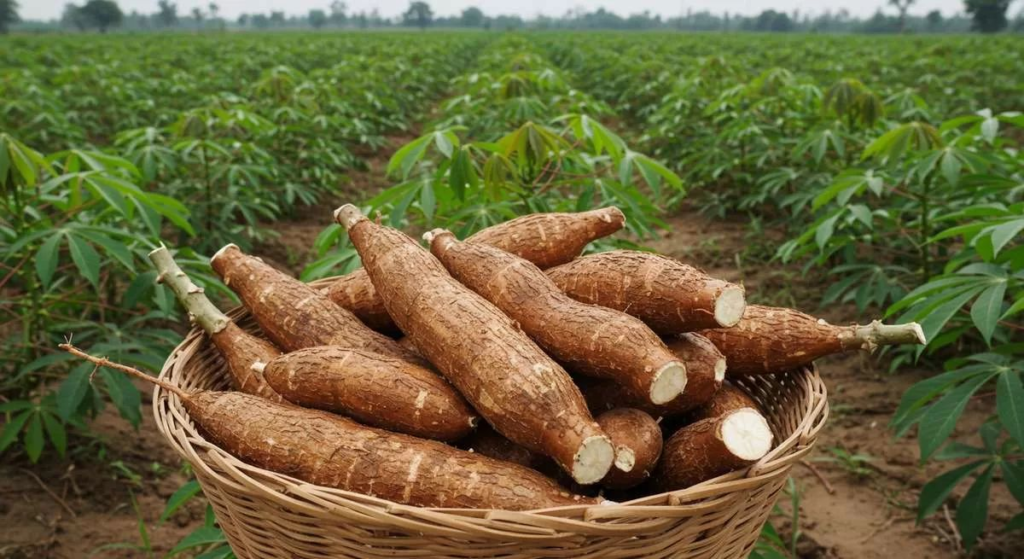
Cassava, also called yuca, manioc, or mandioca in different regions, is a starchy root vegetable native to South America that has spread through Africa, Asia, and tropical regions worldwide. Its resilience in drought‑prone and challenging agricultural conditions made it a staple for millions of people in rural and urban communities alike. Cassava’s rough brown skin and firm white flesh conceal a carbohydrate‑rich core that serves as the foundation for many dishes and ingredients globally.
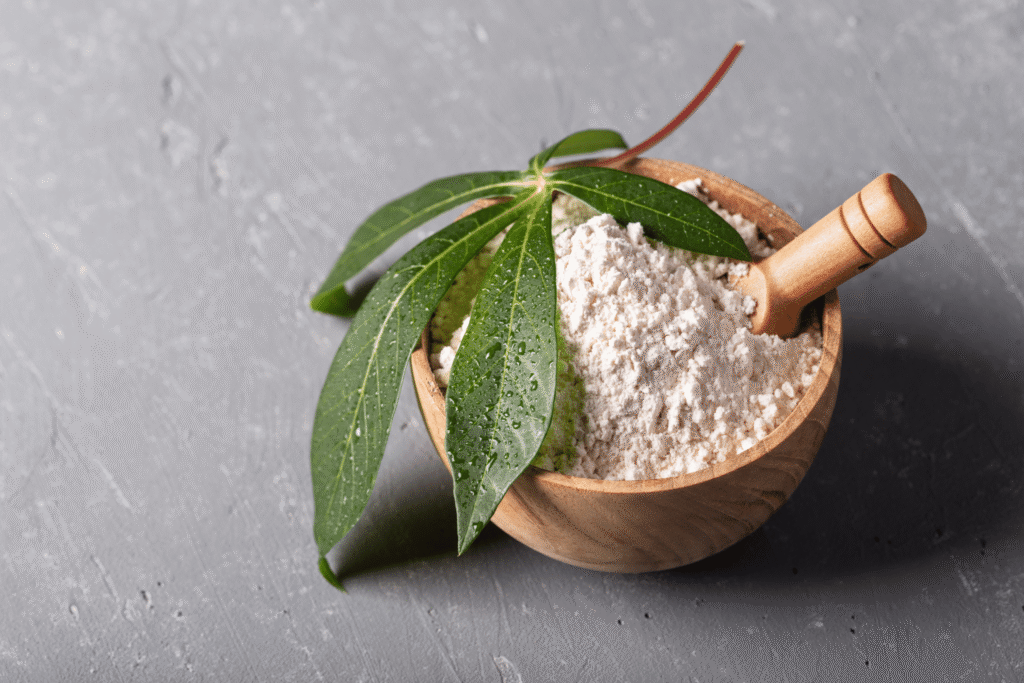
The term Cassava Flour refers to cassava root that has been peeled, dried, and ground into a fine flour. Unlike more refined gluten‑free alternatives, cassava flour uses the entire root, making it a full‑spectrum derivative of this root vegetable. In traditional and modern cooking alike, cassava flour’s mild flavor and neutral profile make it suitable for baking, thickening sauces, and creating a range of culinary products that meet dietary needs without sacrificing texture or taste.
Today, products like Cassava Flour have gained traction in global markets, including for people with gluten sensitivities, those pursuing diverse dietary options, and food producers seeking functional starchy flours with broader application. This makes cassava and its flour derivative not just a food staple but a strategic ingredient for cooks and businesses around the world.
Nutritional Profile of Cassava and Cassava Flour
Cassava’s strength lies in its nutrient composition. As a root tuber, it is naturally rich in carbohydrates, providing energy in a way few other root vegetables do. A serving of cassava delivers significant carbohydrates, making it an efficient energy source for daily dietary needs. Additionally, cassava contains vitamin C, copper, B vitamins, magnesium, potassium, and resistant starch, all of which contribute to overall health when cassava is properly prepared and consumed.
The starch in cassava consists mainly of amylose and amylopectin, two forms of carbohydrate that influence texture and digestive behavior when consumed. Resistant starch, which resists digestion in the small intestine, travels to the large intestine where it supports gut health by feeding beneficial bacteria. While cassava is not high in protein or fat, its carbohydrate richness makes it a staple energy food in regions where caloric intake must be maximized from plant sources.
It’s worth noting that cassava contains naturally occurring compounds known as cyanogenic glycosides. These compounds can produce toxic cyanide if cassava is eaten raw or underprocessed. Traditional and commercial processing techniques — including peeling, soaking, boiling, and drying — effectively reduce this risk, making products like cassava flour safe for consumption.
Alongside carbohydrate density, cassava’s nutrient array supports several aspects of human health. Vitamin C contributes to immune function and antioxidant defense, while minerals like potassium help with electrolyte balance and nerve function. When cassava is incorporated into balanced diets with adequate protein and other nutrients, it becomes a powerful component of energy‑rich meals.
Key Characteristics and Benefits of Cassava Flour
As a product, Cassava Flour stands out for several reasons. First, it is entirely gluten‑free, making it a good choice for individuals with celiac disease or gluten intolerance. Its neutral flavor also means it won’t overpower recipes, allowing bakers and cooks to adapt it for multiple uses — from bread and pizza dough to sauces and desserts.
Cassava flour absorbs moisture differently from wheat or nut flours, which may require slight adjustments when substituting it in traditional baked goods. This characteristic also gives it a unique texture in certain doughs and batters, making it versatile across both sweet and savory applications.
Another advantage of cassava flour is its accessibility. Cassava plants thrive in tropical climates, producing high yields with minimal agricultural input compared to other crops. This contributes to its cost‑effectiveness and sustainability as a staple ingredient, especially in regions where food security is a priority.
The resistant starch found in cassava, and by extension in high‑quality cassava flour, supports digestive health by nurturing beneficial gut bacteria. Many nutrition experts also note that resistant starch may play a role in healthy blood sugar management and satiety control when balanced with other dietary components.
While cassava flour is not a comprehensive source of protein or fatty acids, its carbohydrate profile and functional properties make it an attractive ingredient for gluten‑free diets and for those experimenting with alternative flours. This contributes to its growing popularity among chefs, bakers, and home cooks seeking natural, adaptable ingredients.
Cultural and Global Significance of Cassava
Though it may seem like a simple root vegetable, cassava has an immense cultural footprint in many regions. In parts of West Africa, cassava flour serves as the basis for traditional foods such as fufu and garri. In the Caribbean, cassava dishes have been recognized for their cultural importance, enough to earn listings on heritage registries for traditional food practices. These roles highlight how cassava has shaped food traditions across generations.
In Southeast Asia, cassava remains vital both as a source of nutrition and as a commodity crop. Modern uses extend from household cooking to industrial production of starches and derivatives used in foods and non‑food applications alike. Its ability to thrive in climates with variable rainfall and soil conditions has also made cassava an important crop for agricultural stability.
By understanding cassava’s role globally, we appreciate why products like Cassava Flour matter beyond the kitchen. They represent a connection between traditional food systems and evolving markets that value nutrition, adaptability, and cultural heritage.
Cassava Flour in Bulk Tubers and Supply Chain Perspective
For businesses and food producers, sourcing cassava flour in bulk tubers such as 1 ton supplies means access to a high‑quality root source that supports scalable production. This is especially relevant for companies focused on healthy, gluten‑free, plant‑based, and energy‑rich ingredients. Bulk supplies ensure consistency, cost‑efficiency, and reliable availability for manufacturers and large‑scale baking operations.
At the intersection of agriculture and industry, cassava stands as a versatile commodity crop that can be integrated into supply chains around the world. Its adaptability and nutritional assets make it ideal for markets ranging from health food sectors to mainstream food production.
As you explore sourcing and applications of cassava flour, consider the broader ecosystem supporting sustainable crop growth, processing standards, and quality assurance that make bulk cassava products viable for international and local markets.
In conclusion, Cassava Flour is far more than a simple baking ingredient. It represents a centuries‑old food tradition with deep cultural roots, significant nutritional benefits, and expanding applications in modern diets and food industries. Whether you are a food entrepreneur, baker, or curious consumer, understanding cassava’s place in the world helps you see why this humble root continues to matter.
Doğrudan danışmanlık ve fiyatlandırma için WhatsApp üzerinden bizimle iletişime geçebilir ve Toptan Manyok ihtiyaçlarınızı ekibimizle görüşebilirsiniz. WhatsApp and discuss your Cassava Flour requirements with our team.
EFBA Agro International: Kalite, Dürüstlük ve Uzun Vadeli İş Birliği Üzerine Kurulu Küresel Bir Tedarikçi

EFBA Agro International EFBA Agro International, dünya genelindeki gıda üreticilerine, distribütörlere ve endüstriyel şirketlere hizmet veren, Endonezya’nın en güvenilir tarımsal ihracatçılarından biri haline gelmiştir. Şeffaflık, kalite güvencesi ve uzun vadeli iş birliği temeli üzerine kurulan EFBA Agro, küresel tedarik zincirlerinin değişen ihtiyaçlarını desteklemek üzere tasarlanmış bir emtia portföyü sunar. Gıda üretimi veya endüstriyel uygulamalarda Manyok Unu’na temel bir bileşen olarak güvenen alıcılar için EFBA Agro, yalnızca tutarlı kalite değil, aynı zamanda her sevkiyatın uluslararası standartları karşıladığına dair güven de sağlar. Kaynak ağımız Endonezya’nın birden fazla tarımsal bölgesine yayılmıştır ve alıcılara istikrarlı üretim, net dokümantasyon ve küresel satın alma sistemleriyle uyumlu ihracata hazır ambalajlar sunar. Toptan Manyok as a core ingredient in food production or industrial applications, EFBA Agro provides not only consistent quality but also the confidence that every shipment meets international standards. Our sourcing network spans multiple agricultural regions in Indonesia, giving buyers access to stable production, clear documentation, and export-ready packaging that aligns with global procurement systems.
EFBA Agro’yu farklı kılan unsur, işleyiciler, değirmenler ve çiftçi gruplarıyla doğrudan iş birliğine olan bağlılığımızdır. Bu yaklaşım, hammadde seçimi, işleme teknikleri ve kalite kontrol kriterleri üzerinde tam görünürlük sağlar. Manyok Unu en güçlü ihracat kategorilerimizden biri olmaya devam ederken, daha geniş bir endüstri yelpazesini destekleyen çeşitlendirilmiş bir emtia hattı geliştirmeye de eşit derecede önem veriyoruz. İhracat operasyonlarımız güvenilirlik, iletişim ve proaktif bilgilendirmeleri vurgular; bu da alıcıların önceden planlama yapmasına ve tedarik kesintilerinden kaçınmasına yardımcı olur. EFBA Agro kendini yalnızca bir tedarikçi olarak değil, birden fazla ürün kategorisinde uzun vadeli satın alma planlamasını destekleyebilen stratejik bir ortak olarak konumlandırır.
EFBA Agro’nun Tüm Emtia Portföyü: Manyok Unu’ndan Premium Baharatlara ve Doğal İçeriklere
Manyok Unu odağımızın ötesinde, EFBA Agro International küresel pazarlara yönelik kapsamlı bir tarımsal emtia seçkisi sunar. Her ürün kategorisi, hasattan ihracat işlemlerine kadar tutarlılığı sağlamak için sıkı kalite protokolleriyle yönetilir. Portföyümüz Arenga Palmiye Şekeri (kalıplı ve granül), Candlenut (kabuklu ve parlatılmış kalite), Karabiber, Vanilya Çubukları, Muskat, Karanfil, Kakao türevleri ve Endonezya’nın en verimli tarım bölgelerinden temin edilen özel doğal içerikleri kapsar. Bu emtialar, gıda ve içeceklerden doğal kozmetiklere, wellness ve endüstriyel formülasyonlara kadar çeşitli sektörleri destekler.
Bu portföy çeşitliliği, alıcıların birden fazla SKU’yu tek bir güvenilir tedarikçi altında birleştirmesine olanak tanır ve lojistik karmaşıklığı ile idari iş yükünü önemli ölçüde azaltır. Manyok Unu satın alan şirketler, büyük hacimli sevkiyatları, ihracat dokümantasyonunu, konteyner optimizasyonunu ve tutarlı iletişimi yönetebilen bir tedarikçiyle çalışmanın operasyonel avantajlarını fark ettiklerinde genellikle EFBA Agro ile ortaklıklarını genişletir. Web sitemizdeki emtialar bölümü, her ürünün spesifikasyonlarını, kullanım alanlarını ve ihracata hazır durumunu vurgular; böylece alıcılar sipariş vermeden önce seçenekleri net şekilde değerlendirebilir. Modern ve ihracat odaklı süreçlerle çoklu emtia ekosistemi sunarak EFBA Agro, küresel üreticiler ve distribütörler için uzun vadeli büyümeyi destekleme taahhüdünü pekiştirir.
FAQ Cassava Flour
- How does Cassava differ from tapioca flour in processing methods?
Cassava uses whole cassava roots that producers peel, dry, and mill directly, while tapioca flour extracts and refines only the starch. Therefore, Cassava Flour retains more natural fiber and structure, which affects texture, nutrition, and culinary performance. - Can Cassava support long term energy needs in daily diets?
Cassava supplies sustained energy because its complex carbohydrates digest gradually. As a result, it suits daily meals, active lifestyles, and regions relying on steady calorie intake without causing rapid energy crashes or excessive hunger between meals. - Is Cassava suitable for large scale food manufacturing consistency?
Cassava performs consistently in industrial settings because it handles heat, moisture, and mechanical processing well. Consequently, manufacturers rely on it for uniform texture, predictable gelatinization, and stable product quality across large production volumes. - How does Cassava impact flavor development in food formulations?
Cassava carries a neutral taste profile, allowing other ingredients to stand out clearly. Therefore, chefs and manufacturers use it to enhance spices, sweeteners, and savory elements without altering the intended flavor balance of the final product. - Does Cassava require special storage conditions for bulk supply?
Cassava remains stable when stored in dry, cool, and well ventilated environments. Moreover, proper packaging protects it from moisture absorption, extending shelf life and maintaining quality during long distance transportation and bulk distribution. - Why do global buyers consider Cassava a strategic commodity?
Cassava supports food security, sustainable farming, and supply stability. Consequently, global buyers value it as a resilient carbohydrate source that adapts well to climate challenges, dietary trends, and growing demand for gluten free ingredients.