Flour Trade Tapioca has emerged as a crucial ingredient in the global food manufacturing industry, offering unmatched versatility, consistency, and ease of use. With the growing demand for gluten-free, natural, and high-quality flour alternatives, tapioca flour stands out as a go-to choice for manufacturers looking to elevate their products. In bulk supply, especially in 25kg packages, it caters perfectly to the operational needs of bakeries, snack producers, and other food processing businesses worldwide. Understanding the value, applications, and sourcing of Flour Trade Tapioca can help businesses make informed purchasing decisions while enhancing product quality.
Understanding Flour Trade Tapioca: Origins and Processing
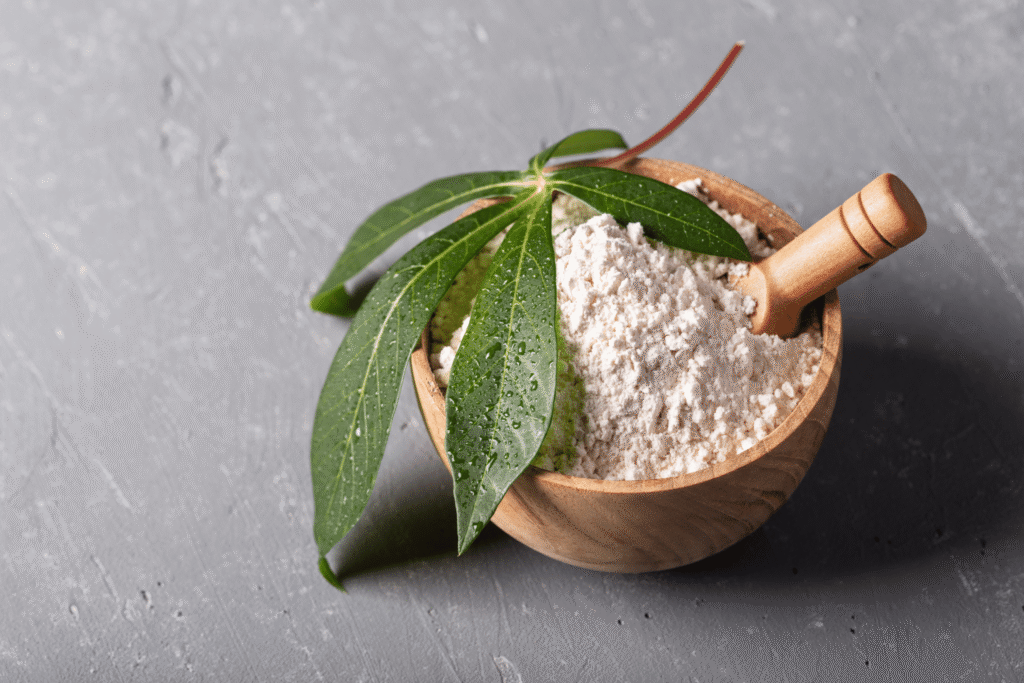
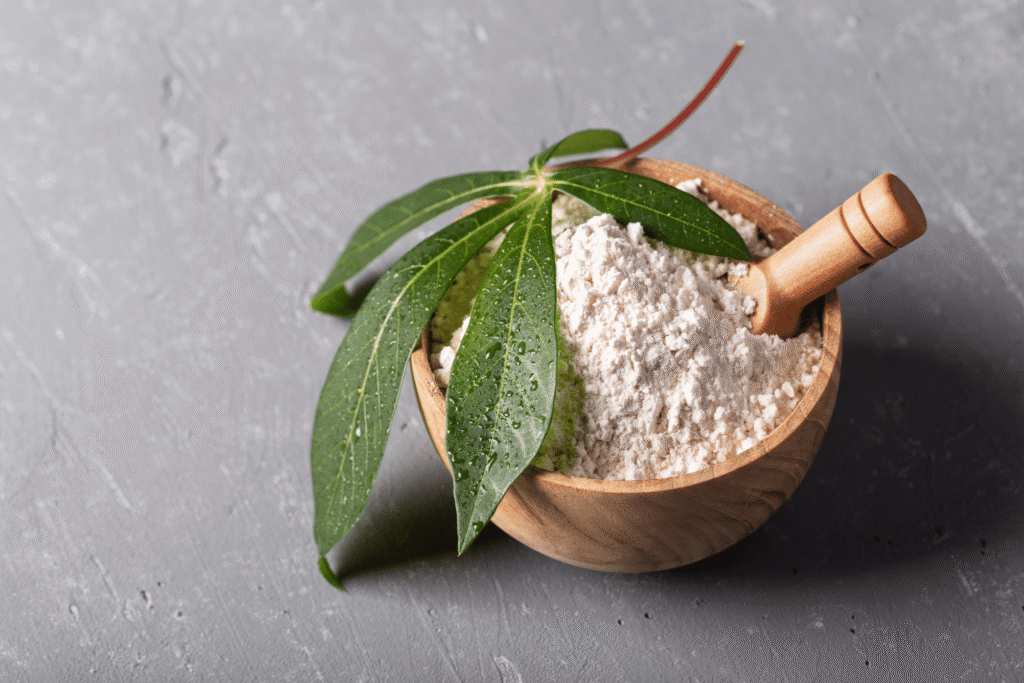
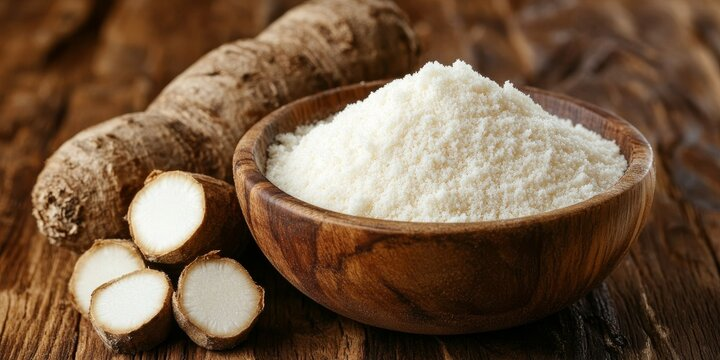
Tapioca flour, also known as cassava starch, is derived from the cassava root (Manihot esculenta), a staple crop widely cultivated in tropical regions. The extraction process involves washing, peeling, and grinding cassava roots, followed by water-based separation to isolate pure starch. This starch is then dried into a fine, white powder that is ready for industrial or culinary use.
The global appeal of Flour Trade Tapioca is largely due to its neutral flavor, smooth texture, and excellent binding properties. Unlike wheat flour, tapioca flour is naturally gluten-free, making it an ideal choice for a range of dietary needs. It is also hypoallergenic, which adds value for manufacturers aiming to produce safe, inclusive, and high-quality food products.
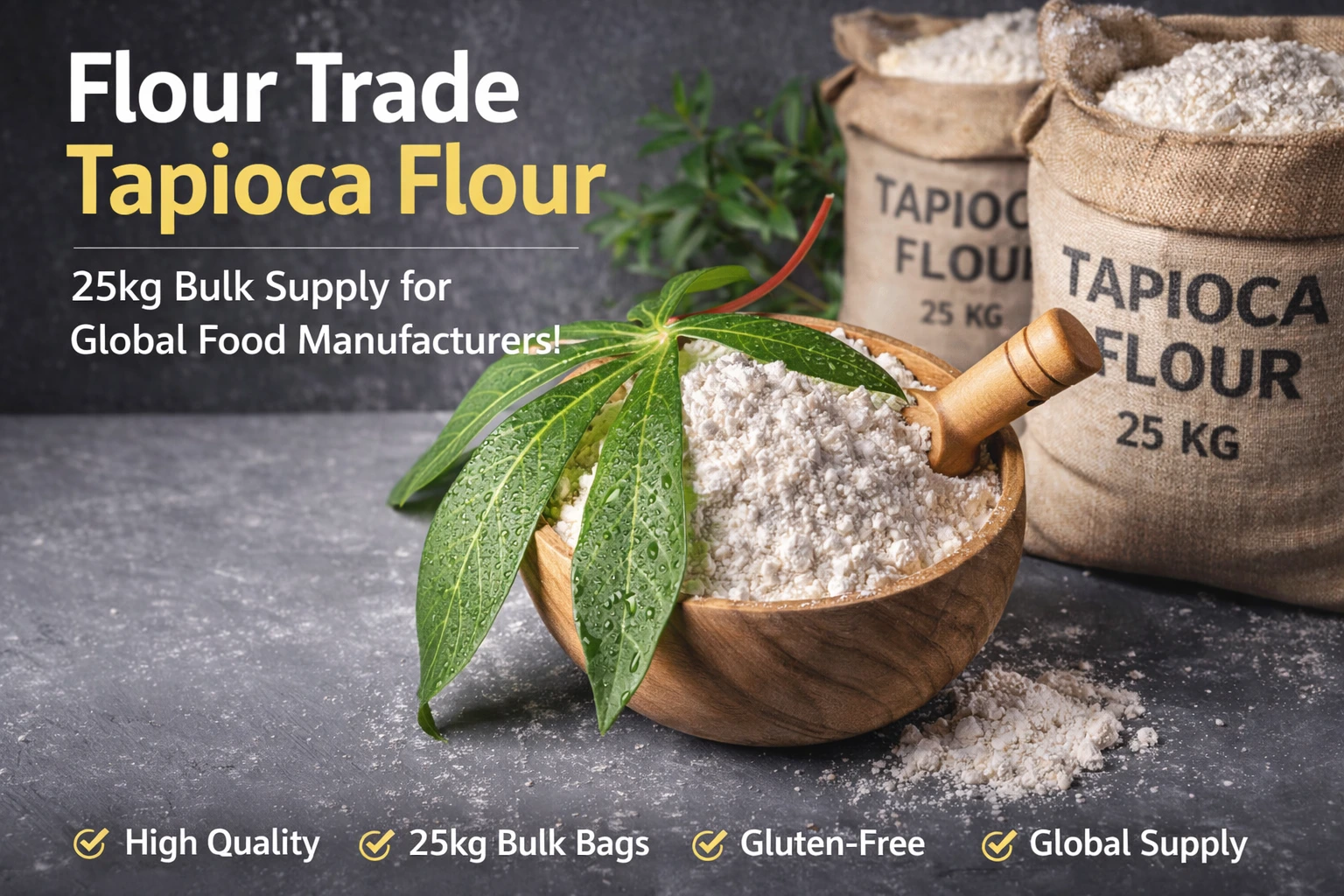
For global food manufacturers, sourcing bulk 25kg supplies ensures operational efficiency. Large-scale production requires consistent quality and predictable performance, both of which are hallmarks of premium Flour Trade Tapioca. Reliable suppliers help reduce downtime and maintain a steady supply chain, which is critical in today’s competitive food market.
Key Benefits of Flour Trade Tapioca for Food Manufacturers
Flour Trade Tapioca offers several advantages that make it indispensable in modern food manufacturing:
- Gluten-Free Alternative
With the increasing prevalence of gluten intolerance and celiac disease, the demand for gluten-free products is rising. Tapioca flour serves as a versatile substitute, providing similar texture and binding properties without gluten. - Texture and Consistency Enhancer
In bakery applications, tapioca flour contributes to a chewy, light, and moist texture. It improves the structural integrity of bread, cakes, and pastries, preventing crumbliness while ensuring a tender bite. - Thickening and Binding Agent
Flour Trade Tapioca is widely used as a thickening agent for sauces, soups, gravies, and pie fillings. Its neutral taste ensures the original flavors of the recipe remain unchanged, while its high starch content allows smooth thickening even at low temperatures. - Versatility Across Products
From noodles and crackers to baby foods and gluten-free desserts, tapioca flour fits seamlessly into diverse formulations. Its high water absorption capacity and gelatinization properties make it a preferred choice for manufacturers looking to innovate with texture and stability. - Shelf Stability and Easy Storage
25kg bulk packaging offers convenient handling and long shelf life. The flour remains stable under recommended storage conditions, ensuring that manufacturers can plan production schedules without worrying about spoilage or quality loss.
Global Demand and Trade Dynamics of Tapioca Flour
The Flour Trade Tapioca market has expanded significantly over the past decade. Southeast Asia, particularly Thailand, Indonesia, and Vietnam, dominates cassava cultivation, producing high-quality flour for export. The global trade is driven by the food and beverage sector’s continuous quest for alternative flours that are natural, sustainable, and reliable.
Economic and trade policies also influence the availability and pricing of tapioca flour. Bulk suppliers often enter into contracts with international buyers, ensuring predictable delivery schedules and competitive pricing. Manufacturers benefit from such arrangements by mitigating supply chain disruptions and securing a steady flow of premium flour.
Furthermore, the growth of health-conscious and gluten-free food trends in North America, Europe, and the Middle East has boosted the demand for tapioca flour. Manufacturers are increasingly incorporating it into ready-to-eat meals, snacks, bakery products, and beverages. Understanding these global trade dynamics is crucial for businesses to source the best quality flour while maintaining profitability.
Practical Applications of Flour Trade Tapioca in Food Manufacturing
Flour Trade Tapioca is not just a substitute, it’s an enhancer. Its practical applications span multiple industries:
- Bakery and Confectionery: Produces softer textures in cakes, cookies, and pastries, while maintaining structure. Ideal for gluten-free recipes.
- Snack Foods: Provides crispiness and elasticity in chips, crackers, and extruded products.
- Beverage and Dessert Production: Used in puddings, bubble tea pearls, and sauces for smooth consistency.
- Prepared Meals and Sauces: Acts as a thickening and binding agent, improving mouthfeel and stability.
- Industrial and Commercial Use: Applied in frozen foods, ready-to-eat meals, and processed meat products to enhance texture and reduce ingredient separation.
Manufacturers can experiment with tapioca flour in combination with other flours, such as rice, sorghum, or almond flour, to create unique textures and taste profiles. The flexibility of Flour Trade Tapioca enables innovation while meeting dietary regulations and consumer expectations.
Choosing a Reliable Supplier for Flour Trade Tapioca
Sourcing quality Flour Trade Tapioca is critical for maintaining consistency and product performance. Manufacturers should look for suppliers who offer:
- Bulk Packaging Options: 25kg bags are standard for large-scale operations, reducing packaging waste and simplifying logistics.
- Food-Grade Certification: Ensures the flour meets international food safety standards.
- Traceability and Transparency: Provides detailed sourcing information, ensuring ethical and sustainable production.
- Competitive Pricing and Reliable Delivery: Helps manufacturers manage costs and avoid production delays.
Working with reputable suppliers not only guarantees product quality but also strengthens the supply chain, providing peace of mind for global food manufacturers.
Sustainability and Future Outlook
Sustainability is increasingly becoming a focal point in the food industry. Cassava cultivation is considered environmentally friendly due to its low water requirements and adaptability to marginal soils. Flour Trade Tapioca, when sourced responsibly, contributes to sustainable food production practices.
The future outlook for tapioca flour trade is positive, with expanding applications in gluten-free, plant-based, and functional foods. Manufacturers are expected to explore more creative uses, from fortified snacks to alternative pasta products. With the right supply partners, businesses can leverage these trends to remain competitive and meet evolving consumer demands.
Tips for Maximizing Flour Trade Tapioca Efficiency
To get the best results from Flour Trade Tapioca, manufacturers should consider the following:
- Proper Storage: Keep flour in a cool, dry place to preserve its functional properties. Avoid exposure to moisture to prevent clumping.
- Accurate Measurement: Use standardized scales for consistent results in food and industrial applications.
- Blending Techniques: In industrial processes, ensure thorough mixing to optimize adhesive or coating performance.
- Recipe Adjustments: For bakery or confectionery applications, slightly adjust liquid content to achieve the desired texture and elasticity.
By implementing these tips, manufacturers can ensure that every batch of tapioca flour delivers optimal results.
Flour Trade Tapioca for Global Manufacturers
In an era where quality, versatility, and sustainability are paramount, Flour Trade Tapioca export-ready 25kg packaging provides manufacturers worldwide with a reliable and premium raw material. Its applications span the food industry, confectionery, pharmaceuticals, and various industrial sectors, supporting global supply chains with natural and functional excellence.
To explore more of our offerings and discover how tapioca flour can enhance your production, visit Flour Trade Tapioca, check our commodities, or get in touch directly via WhatsApp.
EFBA Agro International: Kalite, Dürüstlük ve Uzun Vadeli İş Birliği Üzerine Kurulu Küresel Bir Tedarikçi

EFBA Agro International, dünya genelindeki gıda üreticilerine, distribütörlere ve endüstriyel firmalara hizmet veren, Endonezya’nın en güvenilir tarım ihracatçılarından biri haline gelmiştir. Şeffaflık, kalite güvencesi ve uzun vadeli iş birliği temelleri üzerine kurulan EFBA Agro, küresel tedarik zincirlerinin değişen ihtiyaçlarını desteklemek üzere tasarlanmış bir emtia portföyü sunar.
What sets EFBA Agro apart is our commitment to direct collaboration with processors, mills, and farmer groups. This approach ensures full visibility over raw material selection, processing techniques, and quality control benchmarks. While Tapioca Flour remains one of our strongest export categories, we are equally dedicated to developing a diversified commodity line that supports a wider range of industries. Our export operations emphasize reliability, communication, and proactive updates, helping buyers plan ahead and avoid supply disruptions. EFBA Agro positions itself not just as a vendor but as a strategic partner capable of supporting long-term procurement planning across multiple product categories.
EFBA Agro’nun Tüm Ürün Portföyü: Tapyoka Unundan Premium Baharatlara ve Doğal Bileşenlere
Beyond our focus on Tapyoka Unu, EFBA Agro International offers a comprehensive selection of agricultural commodities tailored for global markets. Each product category is handled with strict quality protocols, ensuring consistency from the point of harvest to export clearance. Our portfolio includes Arenga Palm Sugar (both molded and granulated), Candlenut (shelled and polished grades), Black Pepper, Vanilla Beans, Nutmeg, Cloves, Cocoa derivatives, and specialty natural ingredients sourced from Indonesia’s most productive agricultural zones. These commodities support various industries from food and beverages to natural cosmetics, wellness, and industrial formulations.
The diversity of this portfolio allows buyers to consolidate multiple SKUs under one trusted supplier, significantly reducing logistical complexity and administrative workload. Companies that purchase Tapyoka Unu often expand their partnership with EFBA Agro once they recognize the operational advantages of working with a supplier capable of managing large-volume shipments, export documentation, container optimization, and consistent communication. Our website’s commodities section highlights each product’s specifications, applications, and export readiness, ensuring that buyers can evaluate options clearly before placing an order. By offering a multi-commodity ecosystem with modern, export-focused processes, EFBA Agro reinforces its commitment to supporting long-term growth for global manufacturers and distributors.
Sıkça Sorulan Sorular (SSS)
1. What makes Efba Agro a reliable supplier of Tapioca Flour?
Efba Agro, sıkı kaynak yönetimi, değirmenlerle doğrudan iş birliği ve ihracat standartlarında işleme süreçleriyle tutarlı kalite sağlar. Alıcılar, gıda ve endüstriyel uygulamalara uygun istikrarlı spesifikasyonlar elde eder.
2. Does Efba Agro provide documentation for Tapioca Flour export?
Evet. COA, MSDS, paketleme listeleri, fitosanitasyon belgeleri ve uluslararası gümrük ve liman düzenlemelerine uygun tüm ihracat evrakları sağlanmaktadır.
3. Can buyers request customized Tapioca Flour specifications?
Kesinlikle. Efba Agro; unun gıda üretimi veya endüstriyel formülasyonlarda kullanımına bağlı olarak granül boyutu, nem oranı ve doku gereksinimlerini özelleştirebilir.
4. What packaging options are available for Tapioca Flour?
Standart ihracat formatı 25 kg’lık çuvallardır; depo verimliliği, palet uyumu ve uzun mesafeli taşımada kontaminasyonsuz nakliye sağlamak amacıyla tercih edilmektedir.
5. Does Efba Agro offer other commodities besides Tapioca Flour?
Evet. Palmiye şekeri, vanilya, candlenut, muskat, karanfil, karabiber ve Endonezya genelinden temin edilen diğer doğal içerikleri içeren çeşitlendirilmiş bir portföy sunuyoruz.
6. How does Efba Agro support long-term procurement planning?
Kapasite, mevsimsel eğilimler ve tedarik öngörüleri konusunda şeffaflık sunarız. Bu sayede küresel alıcılar istikrarlı üretim programlarını sürdürebilir ve tedarik kesintilerinden kaçınabilir.
// Also Read:
Cascara Natural Tea Bulk Supplier 2025 from Indonesia – Coffeenesia Export Excellence!
Gayo Coffee 01 Single Origin Arabica Direct from Aceh By Coffeenesia!