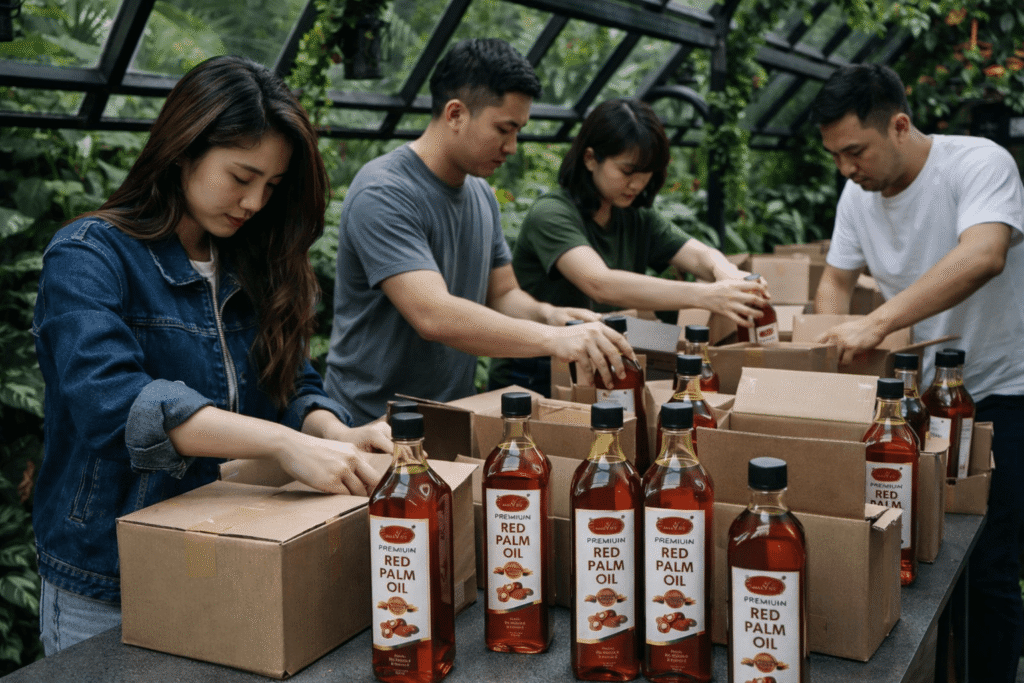
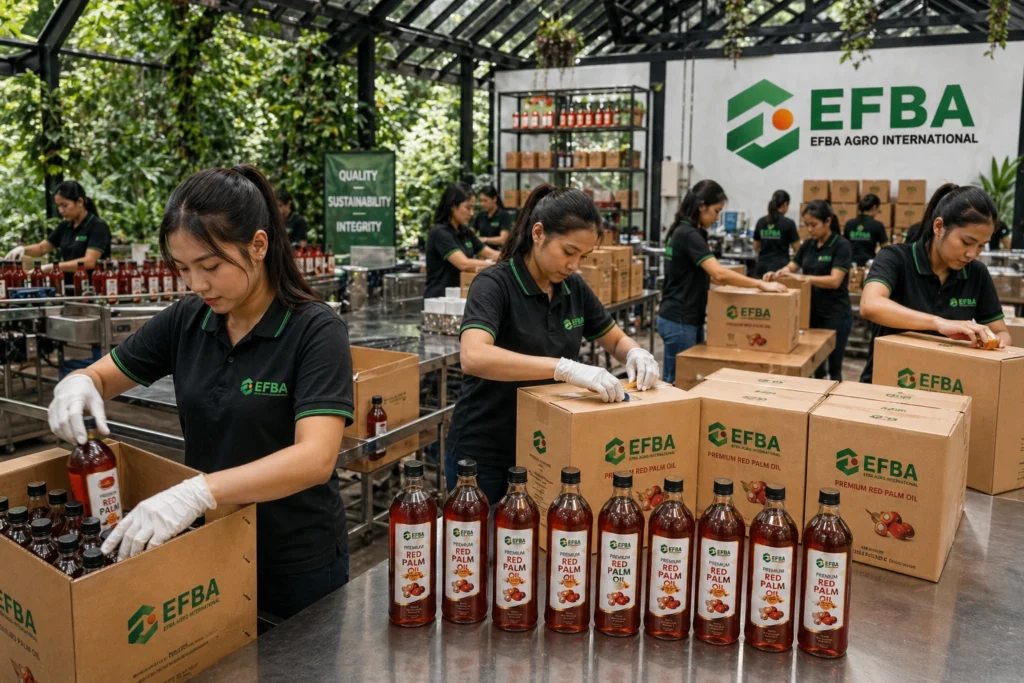
Buy Palm Oil is a strategic decision for manufacturers seeking consistency, scalability, and performance across food, cosmetic, and industrial applications. Palm oil stands as one of the most versatile vegetable oils in the global market, derived from the fruit of the oil palm tree, primarily cultivated in tropical regions such as Indonesia and Malaysia. Its widespread use is not accidental, because a unique combination of physical stability, nutritional composition, and cost efficiency drives it beyond alternatives.
From high-temperature cooking to processed food manufacturing, palm oil delivers functional reliability and maintains consistent performance. Its semi-solid texture at room temperature, long shelf life, and resistance to oxidation make it an essential ingredient in large-scale production. Beyond functionality, palm oil also contains important nutrients that contribute to its value in modern formulations. As industries continue to demand sustainable and scalable raw materials, palm oil remains at the center of global supply chains and continues to attract businesses that want to buy palm oil efficiently.
Functional Properties Supporting Industrial Stability
Palm oil offers seven core functional properties that directly support industrial-scale production and strengthen manufacturing efficiency. First, it provides oxidative stability, which allows products to maintain freshness over extended storage periods and ensures durability during distribution. This stability reduces waste and ensures consistent quality during transportation and distribution processes. Second, palm oil has a balanced fatty acid composition, combining saturated and unsaturated fats, which contributes to its semi-solid structure without requiring hydrogenation processes that often increase cost and complexity.
Third, it delivers excellent heat resistance, making it highly suitable for frying and high-temperature processing without breaking down quickly under pressure. Fourth, palm oil enhances texture in processed foods such as margarine, baked goods, and confectionery products, where it creates smoothness and structure that improve consumer experience. Fifth, it supports emulsification and helps blend ingredients that would otherwise separate, especially in sauces and creams. Sixth, palm oil extends shelf life naturally and resists rancidity while minimizing the need for artificial preservatives. Seventh, it offers cost efficiency due to high yield per hectare, which is why many industries continue to buy palm oil for consistent and scalable production needs.
Origin and Global Supply Chain Efficiency
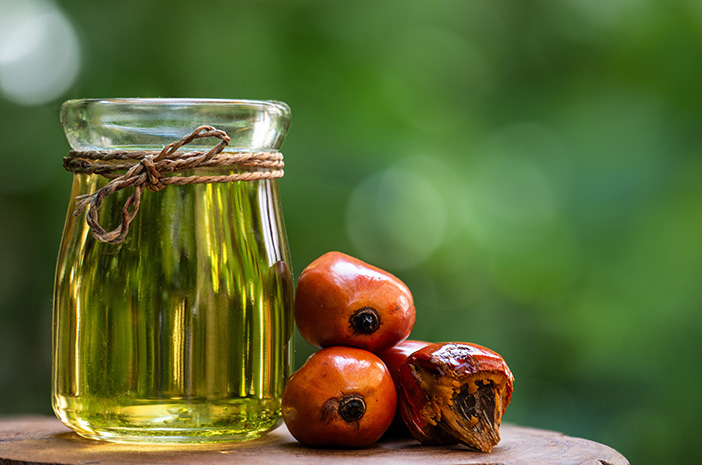
Palm oil originates from the fruit of the oil palm tree, scientifically known as Elaeis guineensis, and grows best in tropical climates with consistent rainfall and sunlight throughout the year. Southeast Asia leads global production, with Indonesia dominating supply due to its favorable climate and extensive plantation infrastructure that supports high output. The production process begins with harvesting fresh fruit bunches, followed by extraction to produce crude palm oil that later undergoes refining, bleaching, and deodorizing to meet strict global standards.
This process ensures that every stage delivers consistent quality required by international markets. One major advantage lies in efficiency, as oil palm trees produce more oil per hectare compared to soybean or sunflower crops. This efficiency reduces land pressure and supports sustainable production when managed responsibly. Additionally, many producers adopt sustainability certifications to ensure ethical sourcing and environmental protection.
The global supply chain operates in a structured and optimized manner, connecting plantations, refineries, and distribution networks seamlessly. This reliability becomes essential for industries that depend on uninterrupted supply. As demand grows steadily, companies that choose to buy palm oil benefit from a stable ecosystem that supports large-scale production while maintaining consistency, efficiency, and long-term availability.
Nutritional Value and Essential Components
Palm oil does not only deliver functionality but also provides strong nutritional value that enhances its role in food production. It contains essential nutrients that support both product quality and health-related benefits. Among its key components are vitamin E, beta-carotene, saturated fats, monounsaturated fats, polyunsaturated fats, phytosterols, coenzyme Q10, squalene, and natural antioxidants that strengthen its profile.
These nine nutrients play important roles in maintaining stability and supporting human health. Vitamin E acts as a natural antioxidant that protects cells from oxidative stress, while beta-carotene contributes to eye health and immune function. Meanwhile, its balanced fatty acid composition supports energy production and metabolic processes in a natural way. Palm oil also retains its structure during cooking, unlike some oils that degrade quickly under heat.
In addition, palm oil remains naturally free from trans fats when not hydrogenated, aligning with global health trends that encourage healthier consumption patterns. This advantage allows manufacturers to produce better formulations without sacrificing quality or stability. As a result, many industries continue to buy palm oil not only for performance but also for its nutritional balance that supports modern consumer expectations and product innovation.
Versatile Applications Across Multiple Industries
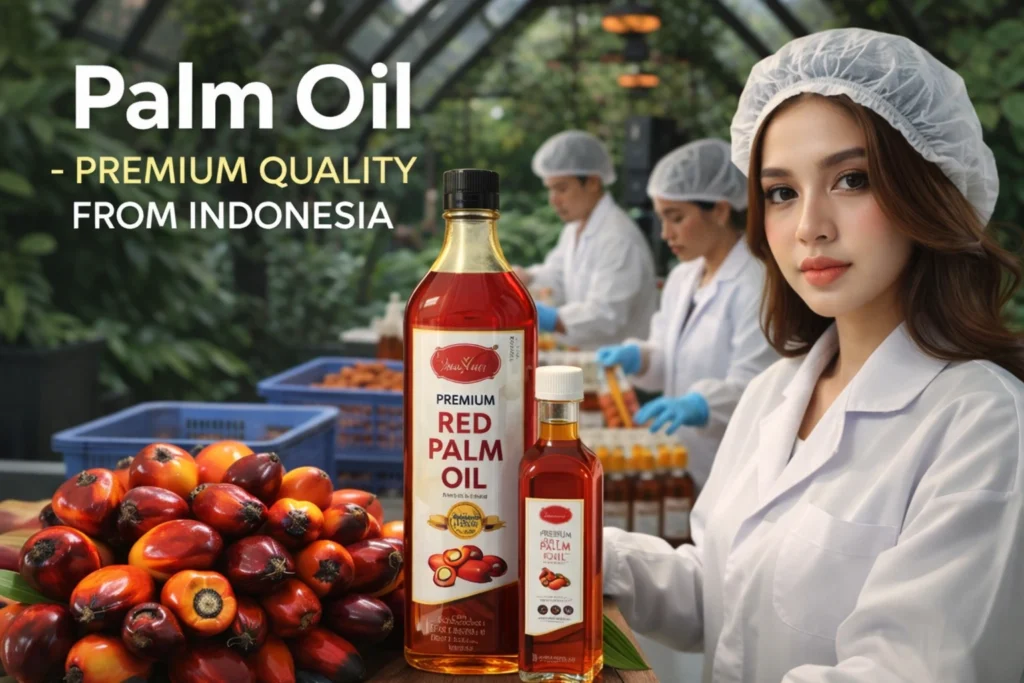
Palm oil offers exceptional versatility, which allows industries to use it across multiple sectors without limitations. In the food industry, manufacturers widely use it in cooking oils, margarine, snacks, baked goods, and confectionery products. It enhances flavor, improves texture, and extends shelf life, making it essential in modern food processing systems. Its ability to maintain consistency under different conditions further strengthens its role in production.
In cosmetics, palm oil functions as a base ingredient in soaps, lotions, and skincare products due to its moisturizing properties and smooth texture. It improves product performance while maintaining cost efficiency for large-scale manufacturing. In pharmaceuticals, palm oil derivatives support capsule production and medicinal formulations, ensuring stability and effectiveness.
Beyond these uses, palm oil also contributes to biofuel production, where industries convert it into biodiesel as an alternative energy source. This application supports renewable energy initiatives and expands its value beyond traditional markets. Furthermore, industrial sectors use palm oil in lubricants and surfactants due to its chemical stability. Because of this adaptability, businesses that buy palm oil gain access to a flexible raw material that meets diverse needs while maintaining efficiency and consistent output across industries.
Choosing Reliable Suppliers for Consistent Quality
Selecting the right supplier plays a critical role in ensuring consistent quality and long-term production success. Reliable suppliers guarantee that palm oil meets international standards and regulatory requirements without compromise. Consistency directly affects product performance, as variations in raw materials can disrupt texture, flavor, and shelf life. Therefore, businesses must prioritize trusted sourcing strategies.
Traceability also becomes essential, as it allows companies to understand the origin of palm oil and ensure ethical sourcing practices. Many buyers prefer suppliers who follow sustainability certifications, reflecting a commitment to responsible production and environmental care. Strong logistics systems also ensure timely delivery and proper storage conditions, preventing degradation and maintaining product integrity throughout the supply chain.
For companies aiming to scale operations effectively, sourcing decisions must align with long-term business goals. Partnering with reputable exporters provides a steady supply of high-quality palm oil that supports innovation and growth. Businesses that consistently buy palm oil from trusted sources gain competitive advantages in quality control and operational stability, ensuring their products meet global standards while maintaining efficiency.
To explore premium-quality products and reliable sourcing, visit Efba Agro International:
https://efbaagro.id/
Discover a wide range of commodities here:
https://efbaagro.id/#commodities
For direct inquiries and orders, connect via WhatsApp:
https://wa.me/6285285469417
Buy Palm Oil for Sustainability and Environmental Responsibility
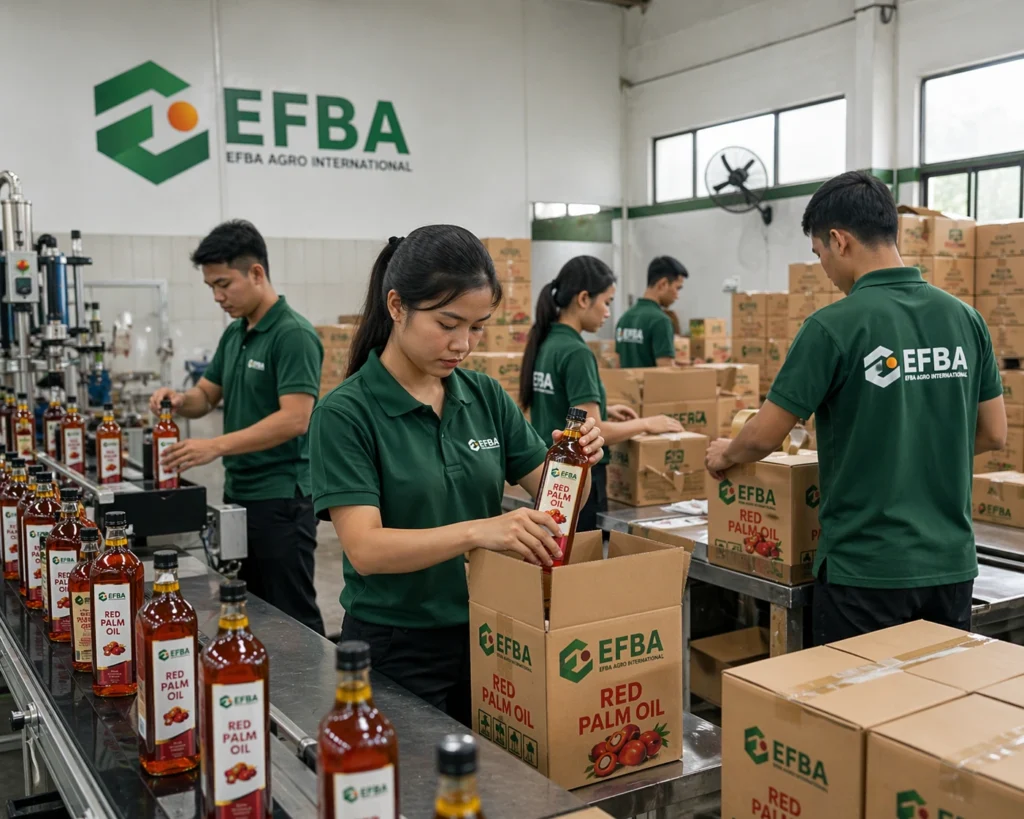
Sustainability has become a central factor influencing global purchasing decisions, and palm oil continues to evolve within this expectation. Producers actively implement better agricultural practices to reduce environmental impact while maintaining high productivity. They focus on responsible land use, preventing deforestation, and protecting biodiversity in plantation areas. These improvements strengthen trust among global buyers who want to buy palm oil without compromising environmental values.
In addition, certification systems such as sustainable palm oil standards help ensure that production follows strict environmental and ethical guidelines. These certifications verify that producers minimize carbon emissions, manage waste properly, and support local communities. As a result, companies can confidently integrate palm oil into their supply chains while meeting sustainability goals and regulatory requirements.
Moreover, palm oil remains one of the most efficient oil crops in the world. Its high yield per hectare means producers can generate more output using less land compared to alternative vegetable oils. This efficiency reduces pressure on ecosystems and supports long-term agricultural balance. At the same time, ongoing innovation in farming techniques continues to improve productivity without expanding land use.
Because of these advancements, industries increasingly recognize palm oil as a viable option for sustainable sourcing. Businesses that prioritize environmental responsibility can still achieve large-scale production efficiency. By choosing certified suppliers and supporting responsible practices, companies that buy palm oil contribute to a more balanced and sustainable global supply chain.
Market Demand and Future Growth Potential
Global demand for palm oil continues to grow steadily, driven by its versatility and economic value across industries. Emerging markets, in particular, increase consumption as urbanization and population growth drive higher demand for processed foods, personal care products, and alternative energy sources. This consistent demand creates strong market stability and long-term growth opportunities.
In the food sector, manufacturers continue to innovate with palm oil-based formulations that meet changing consumer preferences. Health-conscious trends encourage the use of stable oils that do not require hydrogenation, making palm oil an attractive choice. Meanwhile, the cosmetics and pharmaceutical industries expand their use of palm derivatives to improve product performance and efficiency.
The biofuel sector also plays a significant role in shaping future demand. Governments and organizations promote renewable energy sources, and palm oil contributes as a feedstock for biodiesel production. This shift not only diversifies its applications but also strengthens its position in global energy strategies.
Furthermore, technological advancements in processing and refining continue to enhance product quality and expand usability. These innovations allow industries to maximize the benefits of palm oil while maintaining cost efficiency. As a result, companies that buy palm oil position themselves to take advantage of a growing and evolving market.
With strong demand, continuous innovation, and expanding applications, palm oil remains a key commodity in the global economy. Businesses that invest in this resource today secure long-term value and operational stability in an increasingly competitive landscape.
Quality Standards and Processing Excellence
Maintaining high quality standards plays a crucial role in ensuring that palm oil performs consistently across industries. Producers apply strict control measures throughout harvesting, extraction, and refining to preserve purity and functionality. Fresh fruit bunches must be processed quickly after harvesting to prevent deterioration and maintain oil quality. This careful handling ensures that the final product meets international specifications required by global buyers.
Refining processes further enhance palm oil by removing impurities, neutralizing free fatty acids, and improving color and odor. These steps create a clean, stable product suitable for various applications, from food production to industrial use. Advanced technologies now allow producers to optimize refining efficiency while preserving valuable nutrients. As a result, manufacturers receive a product that balances performance and nutritional value.
Quality assurance also involves laboratory testing to verify composition, moisture levels, and contamination risks. These tests ensure compliance with safety standards and support traceability throughout the supply chain. Reliable suppliers maintain transparency in these processes, allowing buyers to trust the consistency of every shipment.
In addition, standardized packaging and storage methods protect palm oil during transportation. Proper temperature control and sealed containers prevent oxidation and maintain stability over time. Businesses that buy palm oil benefit from these quality measures, as they reduce production risks and ensure predictable outcomes. By prioritizing excellence in processing and quality control, the palm oil industry continues to meet the evolving demands of global markets while maintaining reliability and efficiency.
Strategic Advantages for Long Term Business Growth
Palm oil provides strategic advantages that support long-term business growth and operational success. Its cost efficiency allows companies to manage production expenses while maintaining high output levels. Compared to other vegetable oils, palm oil delivers greater yield, which translates into more stable pricing and supply availability. This advantage becomes critical for businesses operating at large scale.
Consistency also plays a key role in building strong product lines. Palm oil maintains uniform characteristics across batches, allowing manufacturers to produce goods with reliable quality. This consistency strengthens brand reputation and builds consumer trust over time. In addition, its versatility enables companies to diversify product offerings without sourcing multiple raw materials.
Another important factor involves supply chain resilience. The global palm oil network ensures steady availability, even during fluctuations in demand. Strong infrastructure and established trade routes allow suppliers to deliver products efficiently across regions. Companies that integrate palm oil into their operations benefit from this reliability and reduce the risk of production disruptions.
Furthermore, ongoing innovation in palm oil applications continues to create new opportunities. From advanced food formulations to renewable energy solutions, the potential for growth remains significant. Businesses that buy palm oil strategically position themselves to adapt to market changes and explore new revenue streams. By leveraging its functional, economic, and supply advantages, companies can achieve sustainable growth while staying competitive in dynamic industries.
Ready to Source Buy Palm Oil?
If you are ready to explore premium-grade Buy Palm Oil for your business, connect directly with EFBA Agro today. Our export specialists are available to discuss:
- Bulk orders and private labeling
- Pricing and shipping arrangements
- Long-term partnership opportunities
Let’s bring the natural sweetness of Indonesia to your global market.
Discover EFBA Agro International: Your Trusted Gateway to Indonesia’s Finest Agricultural Commodities

EFBA Agro International has steadily established itself as one of Indonesia’s most reliable and quality-driven exporters of natural agricultural products. Built on a foundation of integrity, consistent supply, and strong farmer partnerships, EFBA Agro is committed to delivering premium-grade commodities that meet global market expectations. Through a streamlined sourcing system and rigorous quality inspection, we ensure every shipment reflects the richness of Indonesia’s natural resources and the professionalism demanded by international buyers. From traceability to documentation, every detail is handled with precision so clients receive both peace of mind and exceptional product value.
As a company deeply rooted in Indonesia’s agricultural landscape, EFBA Agro works closely with farming communities across the archipelago to secure sustainable, ethically harvested raw materials. This commitment enables us to supply natural sweeteners, spices, starches, and specialty products with unmatched consistency. Whether buyers require bulk quantities, retail-ready packaging, or OEM export standards, our operational structure supports diverse needs while maintaining world-class quality control. With a reputation built on transparency and long-term collaboration, EFBA Agro continues to strengthen its presence across Asia, the Middle East, Europe, and the Americas.
Indonesia’s Premium Export Collection: From Palm Oil to Tapioca, Coffee, Spices, and More
EFBA Agro International proudly offers a versatile selection of Indonesian commodities designed to meet the demands of global food, beverage, and industrial markets. Our flagship product, Buy Palm Oil, remains one of the most popular exports thanks to its natural caramel profile, eco-friendly production, and strong global demand. Beyond palm sugar, EFBA Agro supplies Food-Grade Tapioca Flour, a favorite ingredient for coating, bakery goods, gluten-free recipes, and industrial applications. We also provide a variety of premium Indonesian spices such as candlenut (kemiri), cloves, nutmeg, and black pepper, sourced directly from trusted farmers to guarantee freshness and purity.
In addition to sweeteners and spices, EFBA Agro supports buyers seeking coffee commodities through our specialty-grade Arabica and Robusta lines, including origins from Gayo, Java, and Toraja. Each commodity is managed through strict handling, standardized moisture control, proper packaging options, and export-ready documentation. With this diverse portfolio, EFBA Agro International becomes a comprehensive one-stop solution for businesses searching for sustainable, high-quality Indonesian agricultural products on the global stage.
FAQ (Buy Palm Oil)
- What certifications should you check before you buy palm oil for industrial use?
Before you decide to buy palm oil, always verify sustainability certifications such as RSPO or ISPO. These certifications confirm responsible sourcing, environmental protection, and ethical labor practices. In addition, check product specifications, refining standards, and traceability reports. This approach ensures that your supply meets both regulatory requirements and long-term sustainability goals. - How does storage affect quality after you buy palm oil in bulk?
Proper storage plays a major role after you buy palm oil in large quantities. You should store it in sealed containers, maintain stable temperatures, and avoid direct sunlight exposure. These steps prevent oxidation, preserve nutrients, and maintain consistency. As a result, you protect product quality throughout its shelf life and avoid unnecessary losses. - Why do manufacturers prefer to buy palm oil over other vegetable oils?
Manufacturers often choose to buy palm oil because it offers stability, versatility, and cost efficiency. It performs well under high temperatures, maintains texture in processed foods, and extends shelf life naturally. Furthermore, its high yield makes it more economical compared to other oils, especially for large-scale production needs. - Can you use palm oil in non-food industries effectively?
Yes, you can use palm oil beyond food applications. Many industries rely on it for cosmetics, pharmaceuticals, and biofuel production. Its stable chemical structure and smooth texture improve product performance. Therefore, companies that buy palm oil gain flexibility across multiple sectors without compromising quality. - What factors influence pricing when you buy palm oil globally?
Several factors affect pricing when you buy palm oil, including global demand, weather conditions, production output, and trade policies. Currency fluctuations and logistics costs also play a role. Understanding these elements helps businesses plan procurement strategies and manage budget risks more effectively. - How can you ensure consistent supply when you buy palm oil?
To ensure consistency, work with trusted suppliers who maintain strong logistics networks and transparent sourcing practices. Establish long-term contracts and monitor quality standards regularly. This strategy helps you secure steady availability and maintain production stability even during market fluctuations.