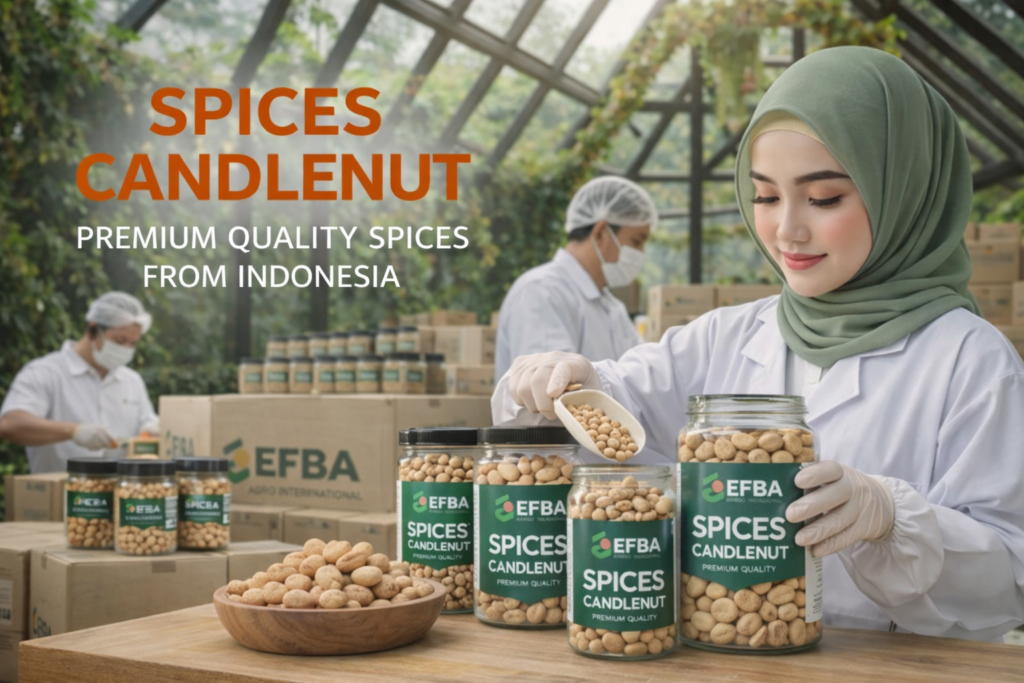
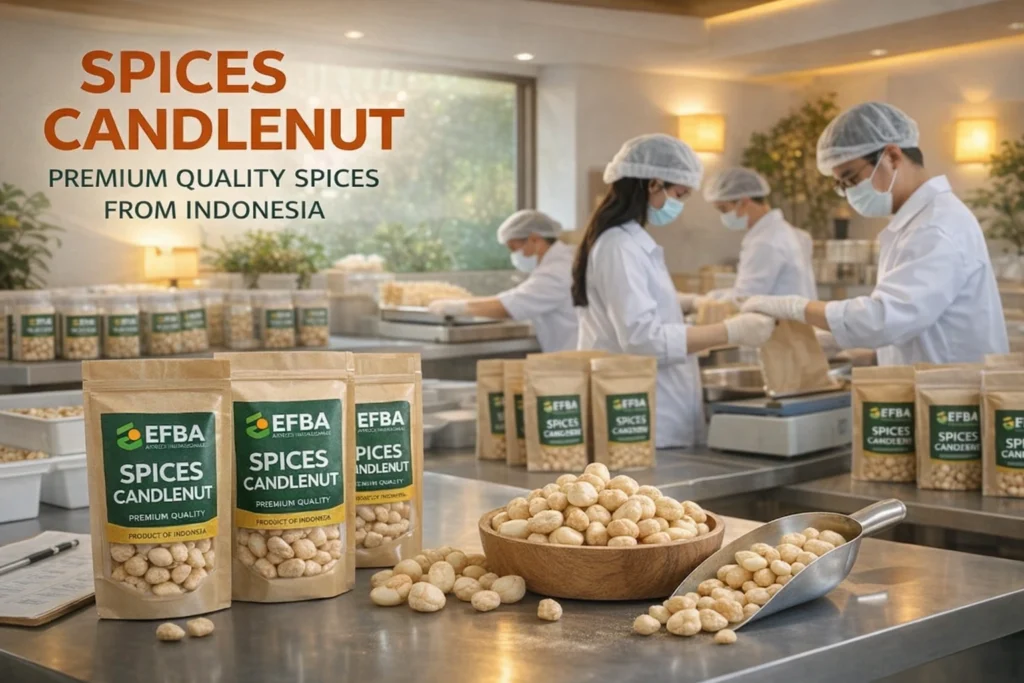
Buy Candlenut has become a growing interest among global buyers who seek natural, nutrient-rich ingredients with both culinary and commercial value. Candlenut, widely known in Southeast Asia, stands as an essential spice that combines high energy content, unique texture, and deep cultural relevance. With approximately 380 calories per 100 grams, this organic staple supports both traditional cooking and modern food innovation. Many industries now recognize its versatility, from food processing to cosmetic applications, making it more than just a kitchen ingredient.
Candlenut comes from tropical regions, especially Indonesia, where farmers cultivate it in fertile volcanic soils. Its creamy texture, mild nutty flavor, and natural oil content create a distinctive profile that enhances various dishes. Beyond taste, it offers functional benefits, acting as a natural thickener and flavor enhancer. As global demand for organic and plant-based ingredients rises, candlenut continues to gain attention among importers and food manufacturers. This article explores its origin, characteristics, nutritional value, benefits, and diverse uses to provide a complete understanding of why many businesses choose to buy candlenut today.
Origin and Cultural Significance of Candlenut
Candlenut traces its roots to tropical regions where communities have cultivated and used it for centuries as both a food ingredient and a functional resource. Farmers in Indonesia, Malaysia, and Pacific islands grow candlenut trees in warm climates with consistent rainfall, which allows the trees to produce high-quality nuts with rich oil content. These nuts develop inside a hard shell that protects the valuable kernel, and once harvested, people process them through traditional methods that preserve their natural qualities. As demand increases globally, many buyers now look to buy candlenut directly from origin countries to ensure authenticity and consistent supply.
Historically, people valued candlenut not only for cooking but also for lighting. They used the nut as a natural candle because its oil burns steadily, which explains its widely recognized name. This dual-purpose use shows how deeply candlenut integrates into daily life in traditional societies. In addition, many cultures incorporate candlenut into rituals and herbal practices, which strengthens its role beyond basic consumption and highlights its long-standing importance.
In culinary traditions, candlenut plays a central role in Southeast Asian cuisine. Chefs grind it into spice pastes that form the base of iconic dishes such as rendang and curry. Its creamy consistency improves texture while balancing strong spices, which makes it indispensable in many recipes. As global chefs explore authentic ingredients, they increasingly choose to buy candlenut to recreate traditional flavors while maintaining originality and quality in their dishes.
Physical Characteristics and Unique Properties
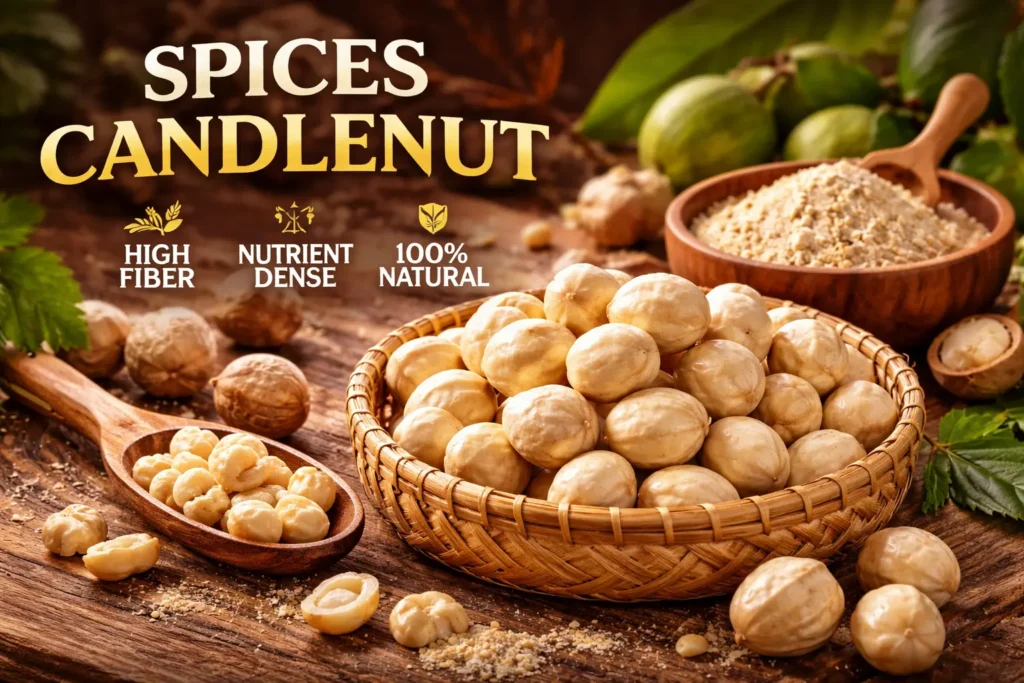
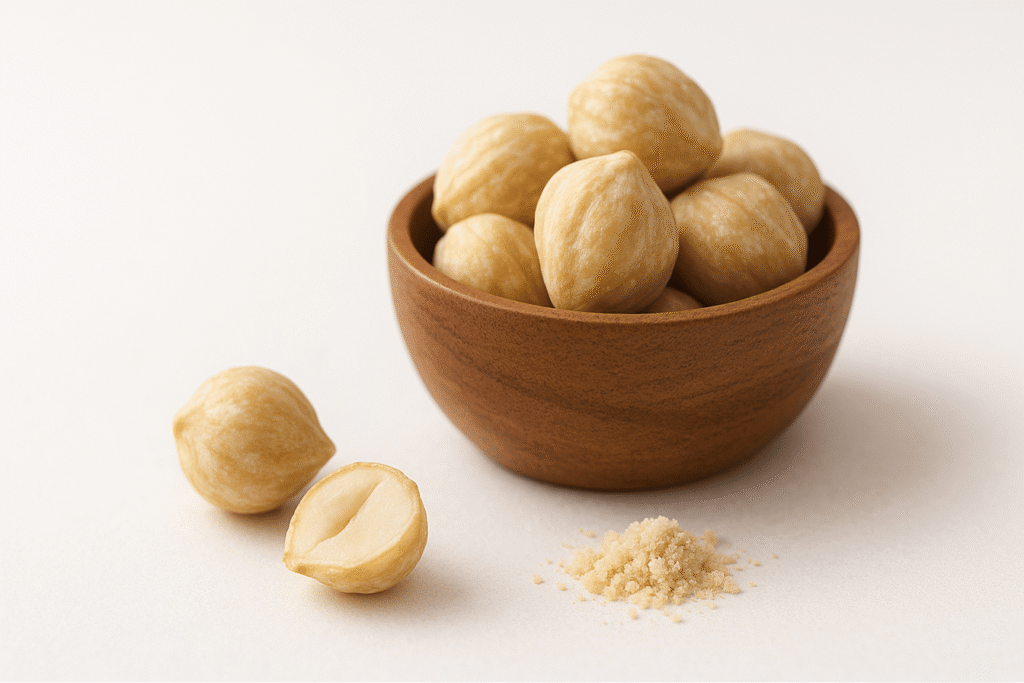
Candlenut stands out due to its distinct appearance and functional properties, which make it highly valuable across multiple industries. The nut features a pale, creamy interior surrounded by a hard shell that protects its oil-rich core. Once processed, the kernel reveals a soft and slightly oily texture that blends easily into pastes and sauces. This natural composition allows chefs and manufacturers to use candlenut as a thickening agent without relying on artificial additives, which supports the growing demand for clean-label products. Because of these advantages, many businesses choose to buy candlenut as a reliable ingredient for both traditional and modern applications.
In addition to its texture, candlenut offers a subtle flavor profile that enhances dishes without overpowering other ingredients. This mild taste makes it versatile, allowing it to complement a wide range of spices and cooking styles. As a result, chefs across different cuisines incorporate candlenut into their recipes to improve consistency and depth. Furthermore, its high oil content contributes to a smooth mouthfeel, which elevates the overall quality of finished dishes.
Beyond the culinary world, candlenut also serves important roles in industrial applications. Cosmetic companies extract its oil to create hair and skin care products, while food manufacturers utilize it to stabilize processed foods. These diverse uses highlight its adaptability and increase its demand in global markets. As industries continue to expand their use of natural ingredients, the decision to buy candlenut becomes increasingly strategic for long-term growth and product innovation.
Nutritional Profile and Energy Value
Candlenut delivers a dense nutritional profile that supports its reputation as a high-energy organic staple. With around 380 calories per 100 grams, it provides a concentrated source of energy derived mainly from healthy fats. These fats consist largely of unsaturated fatty acids, which play an important role in maintaining energy balance and supporting bodily functions. In addition, candlenut contains moderate levels of protein and essential minerals, including magnesium, potassium, and phosphorus. These nutrients contribute to muscle function, bone strength, and metabolic processes, which makes candlenut more than just a culinary ingredient. As health-conscious consumers expand their choices, many of them actively seek to buy candlenut for its nutritional benefits.
Moreover, candlenut includes natural compounds that support overall wellness. The oil extracted from the nut contains elements that promote healthier hair and skin, which explains its popularity in traditional beauty treatments. Many people use candlenut oil to nourish the scalp, improve hair texture, and reduce dryness, which adds another layer of value to its nutritional content. This combination of dietary and functional benefits increases its appeal across both food and cosmetic industries.
Additionally, candlenut contains antioxidants that help protect the body from oxidative stress. These compounds support immune function and contribute to long-term health. Even when used in small amounts, candlenut still provides meaningful nutritional contributions. As a result, global markets continue to grow, and businesses increasingly choose to buy candlenut as part of their product offerings to meet evolving consumer demands.
Health Benefits and Functional Value
Candlenut offers a wide range of health benefits that extend beyond its traditional culinary uses, which makes it a valuable addition to modern diets and wellness practices. Its high energy content supports individuals who require additional caloric intake for daily activities, while its natural fats contribute to sustained energy release throughout the day. Many consumers choose to buy candlenut not only for cooking but also for its potential to enhance overall well-being through balanced nutrition. In addition, the presence of essential fatty acids supports heart health when consumed in moderation, which further strengthens its position as a functional food ingredient in global markets.
Furthermore, candlenut plays an important role in natural health applications, especially in traditional remedies. Communities have long used it to support digestion and maintain internal balance, which reflects its adaptability in various forms of consumption. Its mild properties allow it to integrate easily into different preparations without causing strong side effects when used properly. This gentle effectiveness makes candlenut appealing to individuals who prefer plant-based alternatives for maintaining their health.
In the personal care sector, candlenut oil continues to gain popularity due to its nourishing properties. Many people apply it to improve hair strength, reduce breakage, and enhance natural shine. Its ability to moisturize the scalp and restore hair vitality contributes to its reputation as a natural beauty solution. As industries increasingly focus on organic and sustainable ingredients, more companies decide to buy candlenut to develop innovative products that align with consumer preferences and environmental awareness.
Culinary Applications in Global Cuisine
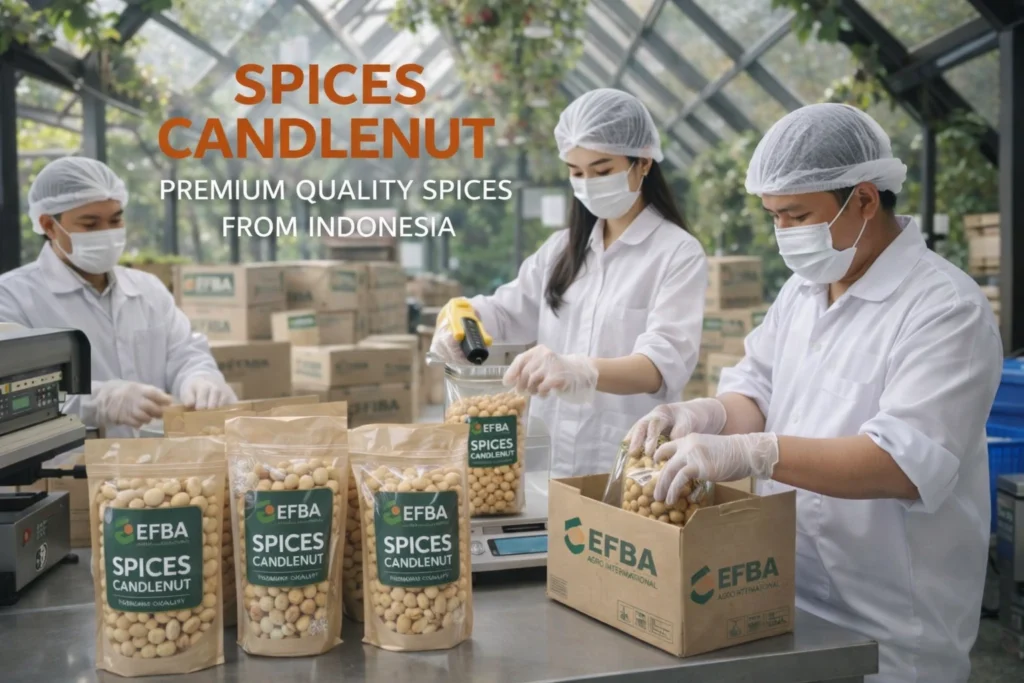
Candlenut plays a crucial role in culinary traditions, particularly in Southeast Asian cuisine, where it serves as a foundational ingredient in many iconic dishes. Chefs use candlenut to create rich spice pastes that define the flavor and texture of meals such as curries, stews, and sauces. Its creamy consistency allows it to bind ingredients together, resulting in a smoother and more cohesive dish. Because of its subtle taste, candlenut enhances the overall flavor profile without overpowering other spices, which makes it highly versatile across different cooking styles. As international cuisine continues to evolve, chefs increasingly choose to buy candlenut to maintain authenticity while experimenting with new recipes.
Moreover, candlenut adapts well to modern cooking techniques, which expands its application beyond traditional dishes. Food innovators incorporate it into plant-based recipes, sauces, and even spreads, where its natural oil content provides a desirable texture. This adaptability allows candlenut to meet the demands of contemporary consumers who seek both flavor and functionality in their food choices. As a result, it has become a valuable ingredient in both home kitchens and professional culinary environments.
In addition to its role in savory dishes, candlenut also contributes to the development of processed food products. Manufacturers use it as a natural thickener and stabilizer, which helps maintain consistency and quality in packaged goods. This functionality supports large-scale production while preserving a natural ingredient profile. Consequently, businesses around the world continue to buy candlenut to enhance their product lines and meet growing consumer expectations.
Industrial and Cosmetic Uses
Candlenut extends its value beyond food applications by playing a significant role in industrial and cosmetic sectors, where its natural properties offer practical benefits. The oil extracted from candlenut contains nutrients that support skin hydration and hair health, which makes it a key ingredient in many beauty products. Cosmetic manufacturers often incorporate candlenut oil into shampoos, conditioners, and skin treatments to improve moisture retention and enhance overall appearance. As demand for natural and organic beauty solutions rises, companies increasingly choose to buy candlenut to meet these evolving market needs.
Additionally, candlenut oil demonstrates stability and effectiveness in various formulations, which allows it to blend well with other natural ingredients. This compatibility supports the creation of high-quality products that appeal to environmentally conscious consumers. Its natural origin also aligns with the global shift toward sustainable sourcing, which strengthens its position in the cosmetic industry. As brands continue to innovate, candlenut remains a reliable component in product development.
Beyond cosmetics, candlenut also finds applications in industrial processes. Manufacturers use its oil in certain types of coatings and treatments due to its consistency and natural composition. This versatility highlights its potential across different sectors, making it more than just an agricultural product. As industries expand their focus on renewable resources, the decision to buy candlenut becomes increasingly relevant for businesses seeking sustainable and multifunctional raw materials.
Market Demand and Export Opportunities
Candlenut continues to gain traction in global markets due to its versatility, nutritional value, and alignment with current consumer trends. As more people prioritize natural and organic ingredients, the demand for candlenut steadily increases across food, cosmetic, and health industries. Exporters from Indonesia play a key role in meeting this demand by providing high-quality candlenut sourced from fertile regions. Many international buyers actively seek to buy candlenut from trusted suppliers to ensure product consistency and authenticity.
Moreover, the global shift toward plant-based and clean-label products further drives the demand for candlenut. Its ability to function as both a culinary ingredient and a natural additive makes it highly attractive for manufacturers who aim to meet modern consumer expectations. This growing interest creates new opportunities for exporters and strengthens the position of candlenut in international trade.
In addition, reliable supply chains and improved processing techniques contribute to the expansion of candlenut exports. Producers focus on maintaining quality standards and ensuring proper handling to preserve the nut’s natural properties. These efforts help build trust with global buyers and encourage long-term partnerships. As a result, businesses across various industries continue to buy candlenut as part of their sourcing strategies.
The increasing recognition of candlenut as a premium commodity highlights its potential for sustained growth. With strong demand and diverse applications, it offers significant opportunities for both suppliers and buyers in the global marketplace.
Sustainability and Farming Practices
Candlenut farming reflects a strong connection between traditional agricultural knowledge and modern sustainability practices, which makes it increasingly relevant in today’s global market. Farmers cultivate candlenut trees in tropical environments where fertile soil and stable climate conditions support consistent growth. These trees require relatively low maintenance compared to other commercial crops, which allows farmers to preserve natural ecosystems while maintaining productivity. As environmental awareness grows, many buyers prefer to buy candlenut from sources that follow responsible farming methods and prioritize long-term ecological balance.
In many producing regions, farmers rely on organic techniques that avoid excessive chemical inputs. This approach helps maintain soil health and protects surrounding biodiversity, which contributes to a more sustainable agricultural system. Additionally, intercropping practices often accompany candlenut cultivation, allowing farmers to grow multiple crops within the same area. This method improves land efficiency while reducing environmental impact, which aligns with global sustainability goals.
Furthermore, harvesting practices focus on preserving quality and minimizing waste. Farmers collect mature nuts and process them carefully to retain their natural oil content and nutritional value. These steps ensure that the final product meets international standards while supporting ethical production. As global buyers continue to emphasize traceability and sustainability, the decision to buy candlenut from responsible sources becomes an important factor in building trust and maintaining long-term supply relationships.
Storage, Processing, and Quality Standards
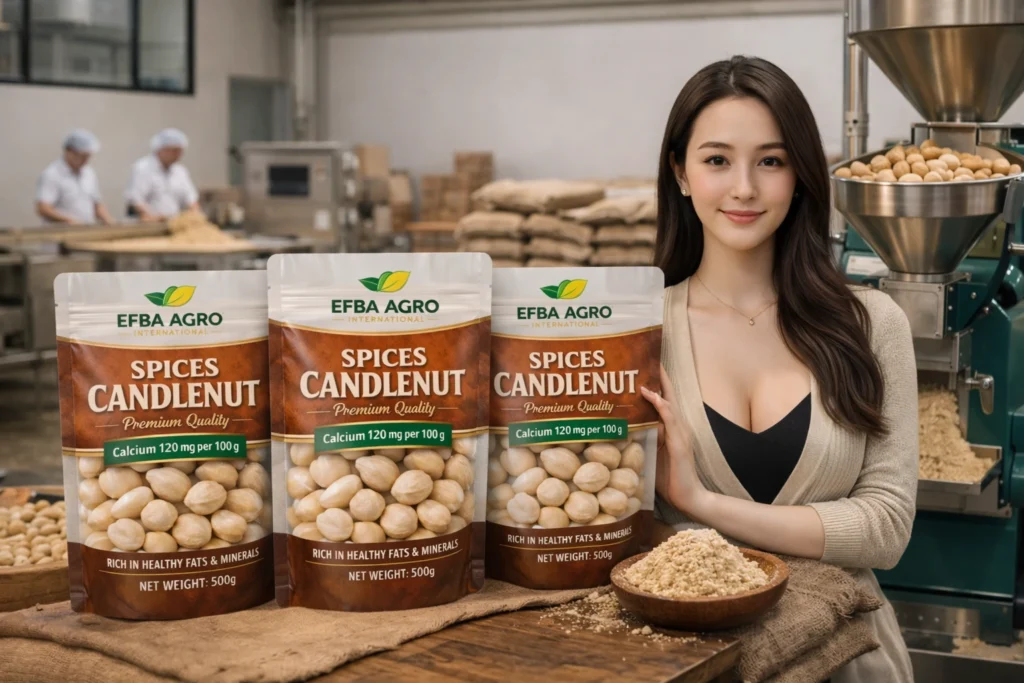
Candlenut requires proper handling and storage to maintain its quality, especially when it enters international trade. After harvesting, producers dry the nuts to reduce moisture content and prevent spoilage. This step plays a crucial role in preserving the nut’s natural properties and extending its shelf life. Once dried, the nuts undergo sorting and grading processes to ensure consistency in size, color, and quality. These standards allow exporters to meet the expectations of global buyers who prioritize reliable products. As a result, many businesses choose to buy candlenut from suppliers who implement strict quality control measures.
Processing also involves cracking the hard shell to extract the kernel, which contains the valuable oil. Producers handle this stage carefully to avoid damaging the nut and to maintain its natural composition. In some cases, they further process the kernels into paste or oil, depending on market demand. These variations provide flexibility for different industries, from food production to cosmetics.
Storage conditions significantly influence the final quality of candlenut. Producers keep the nuts in cool, dry environments to prevent mold growth and maintain freshness. Proper packaging also protects the product during transportation, which ensures that it reaches international markets in optimal condition. As supply chains become more advanced, exporters continue to improve their processes, which strengthens confidence among buyers who consistently choose to buy candlenut for their business needs.
Future Potential and Industry Growth
Candlenut shows strong potential for continued growth as global industries increasingly seek natural, multifunctional ingredients. Its combination of nutritional value, versatility, and sustainability positions it as a valuable commodity in both established and emerging markets. As consumer preferences shift toward organic and plant-based products, candlenut gains recognition as a reliable ingredient that meets these expectations. Many companies now explore new ways to incorporate it into their product lines, which drives innovation across multiple sectors. Consequently, the decision to buy candlenut becomes part of a broader strategy to adapt to changing market trends.
In the food industry, ongoing research continues to highlight the benefits of natural ingredients, which supports the inclusion of candlenut in modern formulations. Its ability to improve texture and stability without synthetic additives aligns with clean-label movements, which further increases its demand. At the same time, the cosmetic industry expands its use of candlenut oil in response to consumer interest in natural beauty solutions. These developments create new opportunities for producers and exporters to reach wider markets.
Technological advancements also contribute to the growth of the candlenut industry. Improved processing techniques enhance efficiency while maintaining quality, which allows suppliers to meet increasing demand. In addition, better logistics and supply chain management ensure faster and more reliable distribution. These improvements strengthen the global presence of candlenut and encourage more businesses to buy candlenut as part of their long-term sourcing plans.
Candlenut continues to evolve from a traditional ingredient into a globally recognized commodity with diverse applications. Its future remains promising as industries embrace sustainable and natural solutions to meet modern consumer needs.
Buy Candlenut: Role in Traditional and Modern Wellness
Candlenut has long played an important role in traditional wellness practices across various cultures. Communities have used it for generations as part of herbal remedies and daily health routines. Today, this historical knowledge continues to influence modern wellness trends, encouraging more individuals to Buy Candlenut as a natural addition to their lifestyle. Its rich nutrient profile supports this transition, as people increasingly seek holistic approaches to health and nutrition.
Beyond traditional uses, modern wellness industries actively explore candlenut for its potential in natural supplements and functional foods. Its healthy fat content contributes to sustained energy levels, while its protein supports muscle maintenance and recovery. In addition, its natural compounds may assist in reducing inflammation and promoting internal balance. These benefits align well with current health trends that prioritize preventive care and long term well being.
At the same time, candlenut oil continues to gain popularity in personal care products. Many brands incorporate it into formulations that aim to hydrate skin, strengthen hair, and protect against environmental damage. This dual role in both nutrition and personal care enhances its value and expands its market reach. As awareness grows, candlenut evolves into a key ingredient that connects traditional wisdom with modern scientific understanding.
For more insights before Buy Candlenut and premium sourcing, visit efbaagro.id, explore our commodities, discover Cassava solutions, or connect directly via WhatsApp: https://wa.me/6285285469417
EFBA Agro International: Your Trusted Gateway to Indonesia’s Finest Agricultural Commodities

EFBA Agro International stands as a premier export company dedicated to delivering Indonesia’s most valuable agricultural resources to global markets. With a strong commitment to quality, sustainability, and ethical sourcing, we operate as a bridge between Indonesia’s fertile lands and international buyers seeking premium-grade natural products.
Our expertise extends far beyond the supply chain of Wholesale Spices Candlenuts; it encompasses an integrated export ecosystem built on transparency, farmer empowerment, and global-standard processing. EFBA Agro International is recognized not only for providing premium Wholesale Spices Candlenuts but also for offering a diversified portfolio of Indonesian agricultural commodities.
Our philosophy is rooted in protecting Indonesia’s rich biodiversity while supporting sustainable livelihoods for local communities. By integrating technology-driven logistics, export-ready packaging, and quality control at every step, we position ourselves as a trusted partner for global importers seeking reliable, ethically produced, and high-value agricultural commodities.
One More: Why Global Importers Trust Efba Agro?
Powered by Efba Agro, bridges Indonesian farmers with global buyers through a transparent and efficient export system. Our network highlights key commodities such as candlenut, palm sugar, and tapioca flour, ensuring traceability, freshness, and sustainability. Partnering with us means receiving premium quality, fair pricing, and professional export support every step of the way.
Ready to Buy Candlenut from Indonesia?
Partner with Efba Agro today for sustainable, high-quality, and cost-efficient spice sourcing trusted by global importers.
👉 Contact us now via WhatsApp: [Click Here]
Our Premium Commodity Portfolio: Beyond Wholesale Spices Candlenut
FAQ Buy Candlenut
- What should I check before I buy candlenut in bulk?
You should always review origin, moisture level, and processing method before making a purchase. High-quality candlenut usually comes from tropical regions like Indonesia and shows a consistent pale color with low moisture content. In addition, suppliers should provide clear documentation regarding handling and storage. This ensures the product maintains its natural oil and nutritional value during shipping. - Is candlenut safe to consume directly?
You should not eat candlenut raw because it contains natural compounds that may cause mild discomfort. Instead, you need to cook it properly before consumption. Heat processing removes unwanted elements and enhances its flavor and texture. Therefore, chefs commonly roast or blend candlenut into spice pastes for safe and optimal use. - How long can candlenut stay fresh during storage?
Candlenut can last up to one year when you store it correctly in a cool and dry environment. Proper packaging also plays a key role in maintaining freshness. If you vacuum-seal or use airtight containers, you can extend its shelf life even further. Consistent storage conditions help preserve both quality and nutritional content. - Why do manufacturers prefer candlenut in food processing?
Manufacturers prefer candlenut because it acts as a natural thickener and stabilizer. Its high oil content creates a smooth consistency in sauces and processed foods without synthetic additives. As clean-label demand increases, companies choose candlenut to maintain product quality while meeting consumer expectations. - Can candlenut support natural beauty treatments?
Yes, candlenut oil supports natural beauty routines, especially for hair care. It helps improve moisture retention, strengthens hair strands, and enhances shine. Many traditional practices rely on candlenut oil to maintain scalp health. This benefit continues to attract modern cosmetic industries. - How does global demand influence candlenut pricing?
Global demand directly affects pricing because supply depends on seasonal harvests and regional production capacity. When demand rises in food and cosmetic industries, prices tend to increase. Therefore, buyers often secure long-term partnerships to maintain stable supply and competitive pricing.