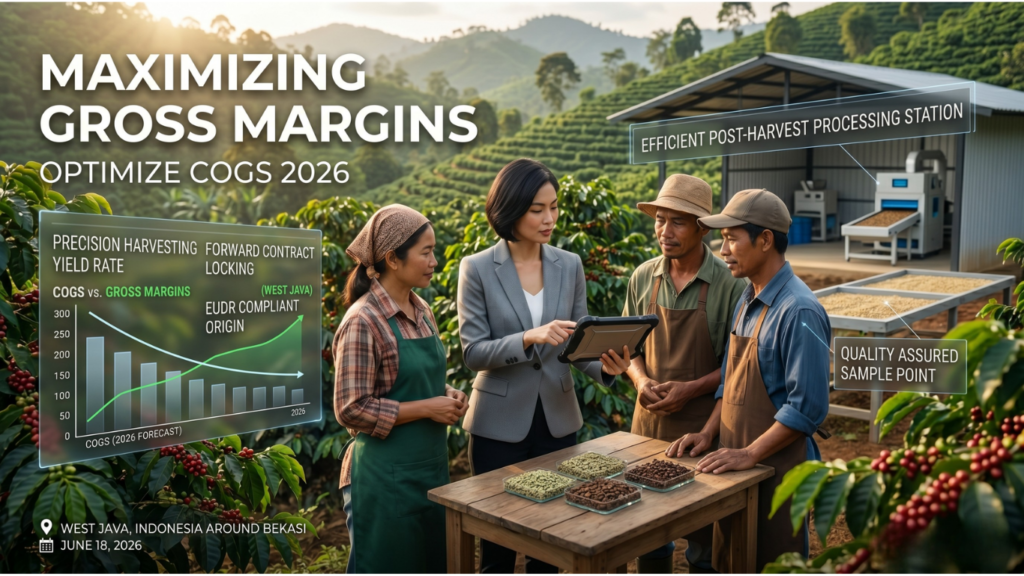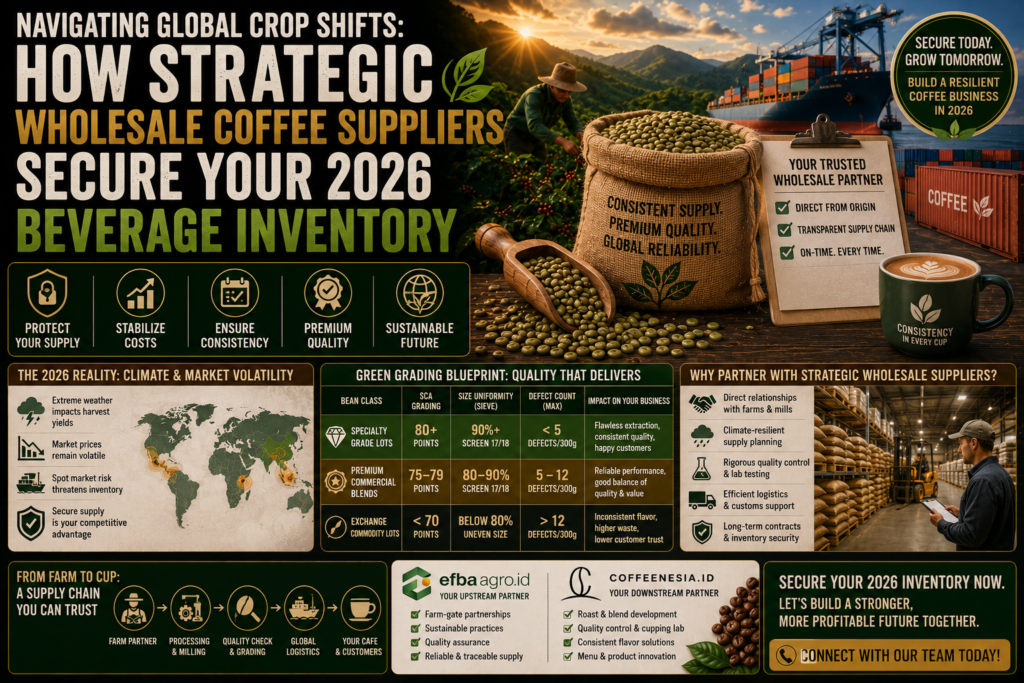

Indonesian Coffee Beans stand among the most celebrated agricultural commodities in the world, offering a remarkable 83 complex flavor journey shaped by rich volcanic soil and diverse microclimates. From the highlands of Sumatra to the slopes of Java and Sulawesi, Indonesia produces coffee beans that deliver depth, character, and authenticity. These beans represent heritage, geography, and craftsmanship that global buyers continue to value while exploring premium sourcing opportunities.
Origin Story and Volcanic Soil Advantage Behind Indonesian Coffee
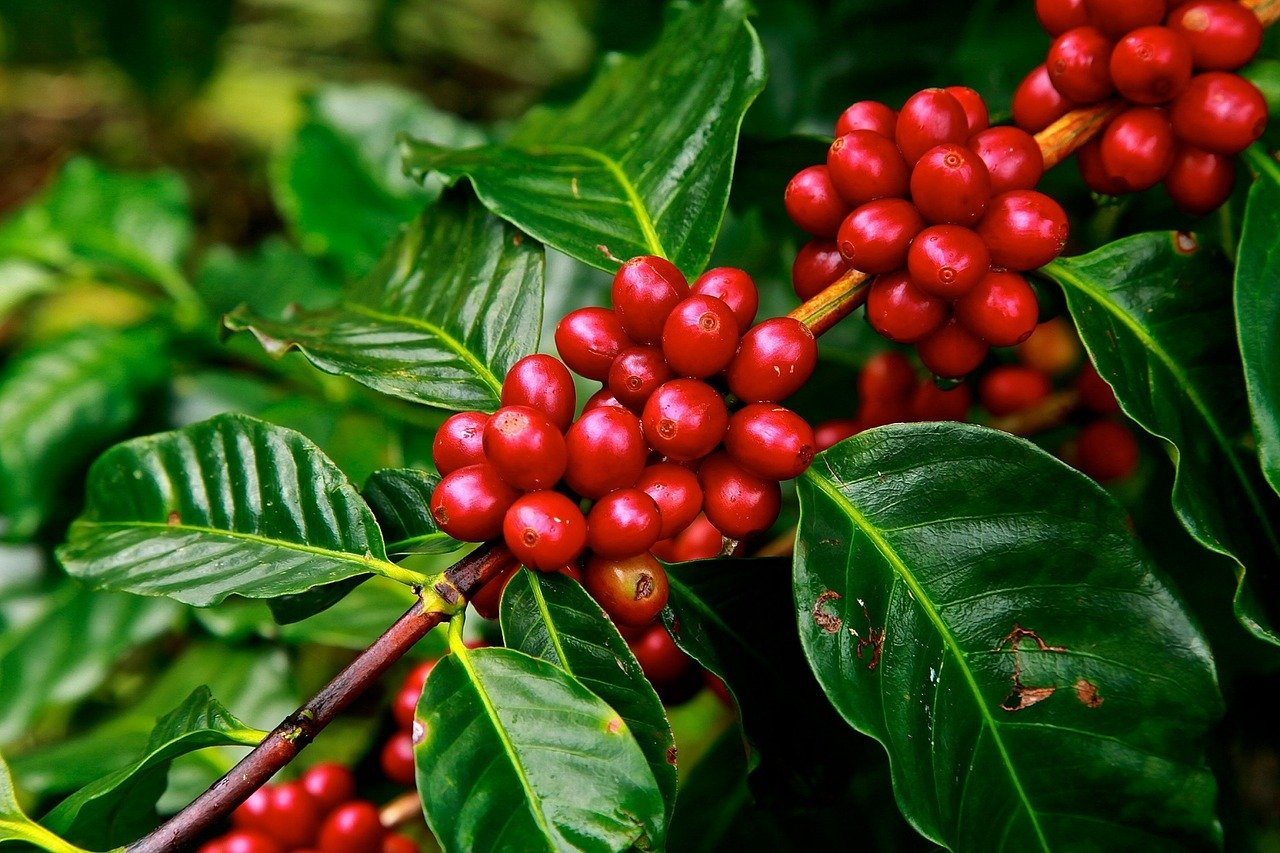
Indonesia stretches across a geologically active region that continuously enriches its land with volcanic minerals. This natural setting gives farmers a strong foundation to cultivate high-quality crops with consistent results. Indonesian Coffee Beans grow in regions such as Sumatra, Java, Bali, and Sulawesi, where altitude, rainfall, and soil composition combine to create highly distinctive characteristics. These environmental factors shape not only productivity but also the depth and uniqueness of flavor profiles.
Farmers cultivate coffee at elevations between 800 and 1,800 meters above sea level, allowing cherries to mature slowly and develop more complex flavors. Volcanic soil provides essential nutrients such as potassium, magnesium, and phosphorus, which support plant health and improve bean density. As a result, Indonesian Coffee Beans consistently deliver a richer body and deeper aroma compared to many other origins.
In addition, Indonesia’s tropical climate ensures stable growing conditions throughout the year. Farmers actively maintain traditional cultivation methods while adapting to modern agricultural practices, which strengthens both yield and quality. This combination of natural advantage and human expertise continues to position Indonesian Coffee Beans as a premium commodity trusted by global markets.
Flavor Complexity and Signature Characteristics
Flavor defines the global reputation of Indonesian coffee, and buyers often describe it as bold, layered, and deeply satisfying. Indonesian Coffee Beans present an 83 complex flavor journey that highlights earthy, spicy, chocolatey, and sometimes herbal notes. This diversity allows producers to meet a wide range of preferences across different markets and applications.
Sumatran coffee typically offers strong earthy tones with hints of cocoa and spice, while Javanese varieties lean toward a smoother and more balanced taste. Sulawesi beans often combine richness with subtle sweetness and complexity. These regional variations give Indonesian Coffee Beans a competitive advantage, as buyers can choose profiles that match their specific needs.
Aroma also plays a crucial role in shaping the overall experience. Indonesian Coffee Beans release intense fragrances that include woody, nutty, and smoky elements, making them highly attractive in specialty coffee segments. In addition, their thick and syrupy body enhances mouthfeel, particularly in espresso-based beverages. This combination of flavor, aroma, and texture reinforces the premium identity that defines Indonesian coffee worldwide.
Nutritional Value and Functional Benefits

Coffee continues to gain recognition not only for its taste but also for its functional properties. Indonesian Coffee Beans contain antioxidants, caffeine, and polyphenols that support overall well-being when consumed in moderation. These compounds help reduce oxidative stress, which contributes to healthier cellular function over time.
Caffeine serves as a natural stimulant that enhances mental clarity and focus. Many individuals rely on coffee to maintain productivity, and Indonesian Coffee Beans provide a balanced energy boost that supports daily activities. In addition, these beans contain small amounts of vitamins such as B2 and B3, along with minerals like magnesium that contribute to metabolic processes.
Moreover, coffee consumption may improve physical performance by increasing adrenaline levels and preparing the body for activity. This benefit makes coffee a popular choice among active individuals and professionals alike. When consumed responsibly, Indonesian Coffee Beans deliver both enjoyment and functional value, making them a versatile addition to modern lifestyles.
Processing Techniques That Shape Indonesian Coffee Quality
Processing methods directly influence the final taste, aroma, and texture of coffee. Indonesian producers apply several techniques, each contributing to the unique identity of their products. Wet-hulling remains one of the most distinctive methods, and it allows Indonesian Coffee Beans to develop a bold body with reduced acidity.
Farmers also use fully washed and natural processes to meet varying market demands. The washed method produces cleaner and brighter profiles, while the natural process enhances sweetness and fruit-forward notes. This flexibility ensures that Indonesian Coffee Beans remain relevant across different consumer segments.
Quality control remains essential throughout production. Producers carefully sort and grade beans to meet international standards, ensuring consistency and reliability. Many farms also adopt sustainable practices, including responsible water usage and organic cultivation. These efforts strengthen the long-term value of Indonesian Coffee Beans while supporting environmental preservation and market trust.
Culinary and Beverage Applications
The versatility of coffee continues to expand, and its applications now go far beyond traditional brewing. Indonesian Coffee Beans serve as a foundation for beverages such as espresso, pour-over, and cold brew, delivering strong flavor even when combined with milk or alternative ingredients. Their bold profile ensures a consistent taste experience across different drink styles.
In culinary settings, chefs use coffee to enhance desserts such as tiramisu, cakes, and chocolate-based creations. Indonesian Coffee Beans bring depth and balance to these recipes, complementing sweetness with rich undertones. Additionally, coffee plays a role in savory dishes, where it adds complexity to sauces and marinades.
Ground coffee also works well in spice blends, especially for grilled or roasted dishes. This creative use highlights the adaptability of Indonesian Coffee Beans in modern gastronomy. As food and beverage industries continue to innovate, these beans remain a valuable ingredient that supports both tradition and experimentation.
Global Demand and Export Potential
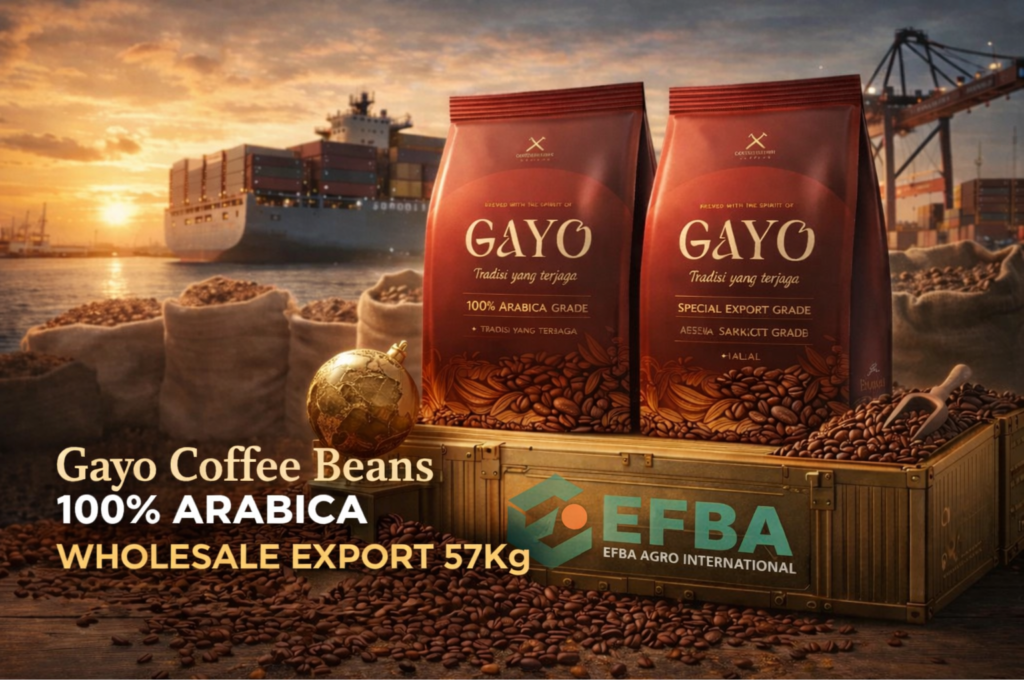
The global coffee market continues to grow, and buyers actively seek high-quality products with reliable supply. Indonesian Coffee Beans maintain a strong position due to their distinctive characteristics and consistent availability. Importers across Europe, North America, and Asia recognize their value in both single-origin offerings and blended products.
Indonesia’s broader agricultural strength further enhances its reputation as a trusted supplier. The country produces a range of commodities, including cassava, coconut derivatives, spices, and palm-based products. Within this ecosystem, Indonesian Coffee Beans play a central role by offering both quality and versatility for international trade.
For global buyers, sourcing from Indonesia provides access to diverse flavor profiles and dependable production. Indonesian Coffee Beans support long-term partnerships by meeting expectations related to quality, traceability, and sustainability. As demand continues to rise, these beans remain a strategic choice for businesses aiming to strengthen their product offerings.
Sustainability Practices and Ethical Sourcing in Indonesian Coffee
Sustainability has become a defining factor in the coffee industry, and Indonesian producers actively respond to this shift. Farmers implement environmentally friendly practices that protect natural resources while maintaining productivity. Indonesian Coffee Beans benefit from these efforts, as sustainable farming improves both quality and long-term viability.
Many producers adopt organic cultivation methods that reduce chemical usage and promote soil health. Shade-grown coffee systems also support biodiversity by preserving natural habitats. These practices contribute to a more balanced ecosystem while enhancing the overall quality of Indonesian Coffee Beans.
Traceability plays an equally important role in building trust with global buyers. Producers increasingly provide transparent information about sourcing and processing, allowing businesses to verify product origins. This approach strengthens confidence in Indonesian Coffee Beans and supports ethical trade relationships across the supply chain.
Future Trends and Market Growth
The coffee industry continues to evolve, driven by innovation and changing consumer preferences. Indonesian Coffee Beans stand at the forefront of this transformation, as buyers seek authentic products with unique origin stories. Specialty coffee markets continue to expand, creating new opportunities for Indonesian producers to showcase their offerings.
Technological advancements improve efficiency in processing and distribution, ensuring that Indonesian Coffee Beans reach global markets with consistent quality. At the same time, branding and storytelling become increasingly important, as consumers value transparency and authenticity. Indonesia’s rich heritage provides a strong narrative that enhances product appeal.
Looking ahead, Indonesian Coffee Beans will continue to play a vital role in the global coffee landscape. Their combination of flavor complexity, sustainable production, and cultural significance positions them as a key commodity for future growth. Businesses that invest in Indonesian coffee today can benefit from long-term opportunities in an increasingly competitive market.
For direct inquiries and collaboration, you can connect instantly via WhatsApp here: https://wa.me/6285285469417
To learn more about sourcing, quality, and export-ready commodities, visit Efba Agro International at https://efbaagro.id/ and discover how Indonesian Coffee Beans can elevate your business offerings.
Tags: indonesian coffee, indo coffee, indonesian green coffee beans, expensive indonesian coffee, coffee toraja, indonesian arabica coffee beans, indonesian civet coffee, indonesian coffee luwak
Post Harvest Handling and Storage Quality
Post-harvest handling determines how well coffee maintains its original character, and producers across Indonesia manage this stage with careful attention. After harvesting ripe cherries, farmers immediately begin sorting and processing to preserve freshness and prevent defects. Indonesian Coffee Beans require precise drying techniques, as moisture levels directly influence shelf life and flavor stability during storage and transport.
Producers typically dry beans to a moisture content between 10 to 12 percent, ensuring optimal balance between durability and quality. They use raised beds, patios, or mechanical dryers depending on regional conditions. Proper airflow and consistent turning help prevent mold growth and uneven drying. Indonesian Coffee Beans that undergo controlled drying retain their aroma and structural integrity, which supports better roasting performance later.
Storage also plays a critical role in maintaining quality. Producers store beans in breathable sacks within clean, temperature-stable warehouses to avoid contamination and moisture absorption. Exporters further protect Indonesian Coffee Beans by using food-grade packaging and container management during shipment. These practices ensure that buyers receive products in peak condition, preserving the full flavor potential from origin to destination.
Roasting Profiles and Brewing Optimization
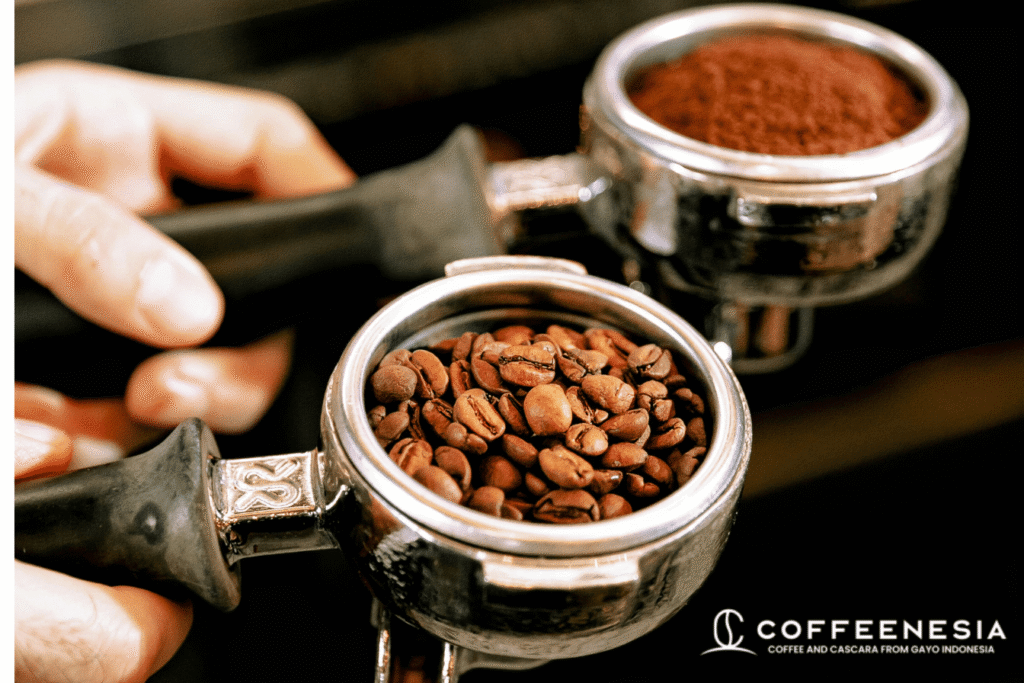
Roasting transforms raw coffee into a consumable product, and each profile reveals different aspects of flavor. Indonesian Coffee Beans respond well to medium to dark roasting levels, as these profiles highlight their natural body and depth. Roasters carefully adjust temperature and duration to balance sweetness, bitterness, and aroma.
A medium roast preserves more origin characteristics, allowing subtle herbal and chocolate notes to emerge. Meanwhile, darker roasts emphasize boldness, bringing out smoky and caramelized flavors that many consumers prefer. Indonesian Coffee Beans maintain their identity even under high heat, which makes them suitable for various roasting styles across global markets.
Brewing methods further influence the final experience. Espresso extraction enhances body and intensity, while pour-over techniques highlight clarity and complexity. Cold brew applications soften acidity and create a smooth, refreshing profile. Indonesian Coffee Beans adapt easily to these methods, giving baristas and consumers flexibility to explore different taste expressions while maintaining consistent quality.
Regional Diversity and Microclimate Influence in Indonesian Coffee
Indonesia’s geography creates a wide range of microclimates that shape coffee production in unique ways. Each island and region contributes distinct characteristics, influenced by altitude, rainfall patterns, and soil composition. Indonesian Coffee Beans from Sumatra often carry bold, earthy flavors, while beans from Java tend to offer smoother and cleaner profiles.
Sulawesi coffee introduces a balance of richness and spice, and Bali coffee highlights subtle sweetness with a refined finish. These variations reflect how local conditions interact with cultivation practices. Indonesian Coffee Beans benefit from this diversity, as producers can target specific market demands with tailored flavor profiles.
Microclimate also affects harvesting cycles and processing decisions. Farmers adjust their methods based on environmental conditions to maintain consistency and quality. This adaptability ensures that Indonesian Coffee Beans remain competitive in global markets, where buyers seek both uniqueness and reliability in their sourcing strategies.
Role of Indonesian Coffee in Specialty Market Expansion
The specialty coffee sector continues to grow, driven by consumers who value quality, traceability, and unique flavor experiences. Indonesian Coffee Beans play a significant role in this expansion, offering profiles that stand out in competitive markets. Their bold character and complex taste attract roasters and brands seeking differentiation.
Specialty buyers often focus on single-origin products, and Indonesia provides a wide selection of options. Indonesian Coffee Beans meet these expectations through consistent quality and distinctive attributes. Producers increasingly adopt improved processing techniques and quality control measures to align with specialty standards.
In addition, storytelling enhances the appeal of Indonesian coffee. Consumers connect with products that reflect cultural heritage and environmental responsibility. Indonesian Coffee Beans carry narratives rooted in volcanic landscapes and traditional farming practices, which strengthen their value in premium segments. This combination of quality and identity supports continued growth in specialty markets worldwide.
Investment Value and Long Term Trade Opportunities of Indonesian Coffee
Coffee remains one of the most traded agricultural commodities, and Indonesia holds a strategic position in this industry. Indonesian Coffee Beans offer strong investment potential due to their consistent demand and diverse applications. Businesses that secure reliable supply chains can benefit from stable growth and expanding market opportunities.
Exporters focus on building partnerships that ensure long-term collaboration and mutual value. Indonesian Coffee Beans support this approach by delivering quality and flexibility across different product categories. From specialty roasters to large-scale manufacturers, buyers find these beans suitable for various commercial needs.
As global consumption continues to rise, Indonesia’s role as a supplier becomes increasingly important. Indonesian Coffee Beans provide a balance of tradition and innovation, allowing businesses to meet evolving consumer expectations. By investing in this commodity, companies can strengthen their market presence and build sustainable trade relationships over time.
Ultimately, Indonesian Coffee Beans represent a strategic investment that combines quality, diversity, and sustainability. For buyers looking to build lasting partnerships, Indonesia offers both reliability and innovation, ensuring continued growth in a dynamic global market.
Businesses interested in exploring premium coffee products, cascara beverages, or sourcing partnerships can learn more through coffenesia?
EFBA Agro International: A Global Supplier Built on Quality, Integrity, and Long-Term Collaboration

EFBA Agro International has grown into one of Indonesia’s most trusted agricultural exporters, serving food manufacturers, distributors, and industrial companies around the world. Built on a foundation of transparency, quality assurance, and long-term collaboration, EFBA Agro delivers a portfolio of commodities designed to support the evolving needs of global supply chains. For buyers who rely on Cassava Wholesale as a core ingredient in food production or industrial applications, EFBA Agro provides not only consistent quality but also the confidence that every shipment meets international standards. Our sourcing network spans multiple agricultural regions in Indonesia, giving buyers access to stable production, clear documentation, and export-ready packaging that aligns with global procurement systems.
What sets EFBA Agro apart is our commitment to direct collaboration with processors, mills, and farmer groups. This approach ensures full visibility over raw material selection, processing techniques, and quality control benchmarks. While Cassava Flour remains one of our strongest export categories, we are equally dedicated to developing a diversified commodity line that supports a wider range of industries. Our export operations emphasize reliability, communication, and proactive updates, helping buyers plan ahead and avoid supply disruptions. EFBA Agro positions itself not just as a vendor but as a strategic partner capable of supporting long-term procurement planning across multiple product categories.
EFBA Agro’s Full Commodity Line: From Cassava Flour to Premium Spices and Natural Ingredients
Beyond our focus on Cassava Flour, EFBA Agro International offers a comprehensive selection of agricultural commodities tailored for global markets. Each product category is handled with strict quality protocols, ensuring consistency from the point of harvest to export clearance. Our portfolio includes Arenga Palm Sugar (both molded and granulated), Candlenut (shelled and polished grades), Gayo Coffee & Cascara, Black Pepper, Vanilla Beans, Nutmeg, Cloves, Cocoa derivatives, and specialty natural ingredients sourced from Indonesia’s most productive agricultural zones. These commodities support various industries from food and beverages to natural cosmetics, wellness, and industrial formulations.
The diversity of this portfolio allows buyers to consolidate multiple SKUs under one trusted supplier, significantly reducing logistical complexity and administrative workload. Companies that purchase Cassava Flour often expand their partnership with EFBA Agro once they recognize the operational advantages of working with a supplier capable of managing large-volume shipments, export documentation, container optimization, and consistent communication. Our website’s commodities section highlights each product’s specifications, applications, and export readiness, ensuring that buyers can evaluate options clearly before placing an order. By offering a multi-commodity ecosystem with modern, export-focused processes, EFBA Agro reinforces its commitment to supporting long-term growth for global manufacturers and distributors.
FAQ
- What determines the quality of Indonesian Coffee Beans?
Coffee Beans quality depends on altitude soil minerals harvest timing and controlled drying methods which preserve flavor complexity aroma stability and export grade consistency for buyers - How should Indonesian Coffee Beans be stored properly?
Indonesian Coffee Beans stay fresh when stored in cool dry environments using sealed containers and kept away from sunlight humidity and strong odors to maintain quality well - Why do Indonesian Coffee Beans have lower acidity?
Why do Indonesian Coffee Beans have low acidity because traditional wet hulling and mineral rich soil create heavier body while reducing sharp acidic notes in cup profiles - What makes Indonesian Coffee Beans ideal for espresso?
What makes Indonesian Coffee Beans suitable for espresso body texture and flavor allow better extraction crema formation and consistent taste when combined with milk or other ingredients - Are Indonesian Coffee Beans produced sustainably?
Are Indonesian Coffee Beans sustainable farmers use organic practices shade growing and responsible water management to protect ecosystems while maintaining production and long term soil fertility - Can Indonesian Coffee Beans support business growth?
Can Indonesian Coffee Beans support business growth consistent quality flavor profiles and reliable supply help brands expand product lines attract customers and build long term partnerships