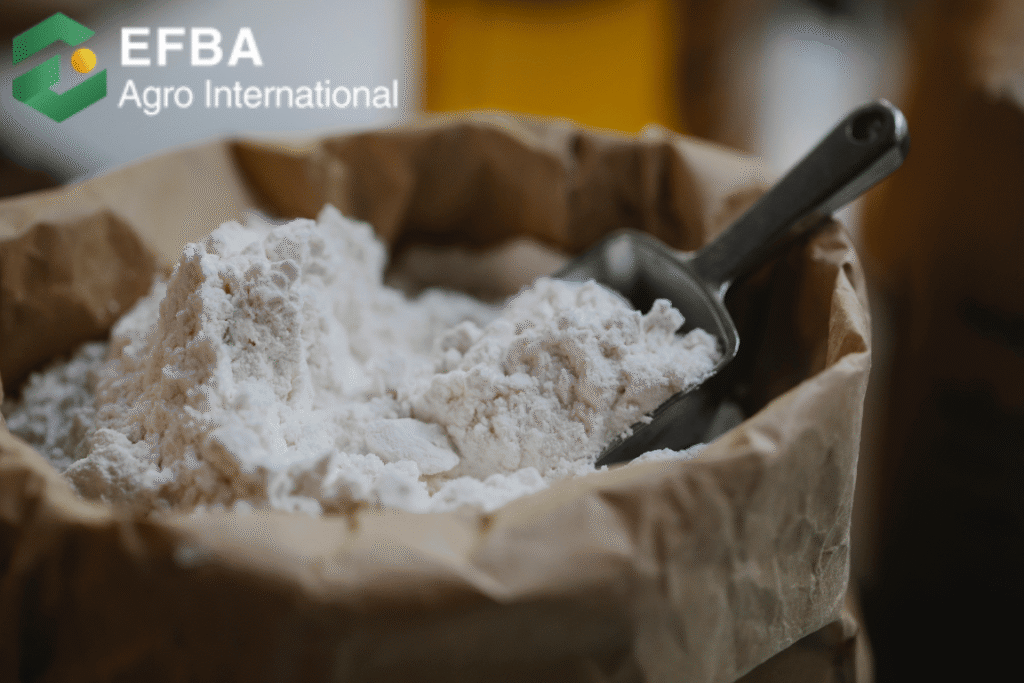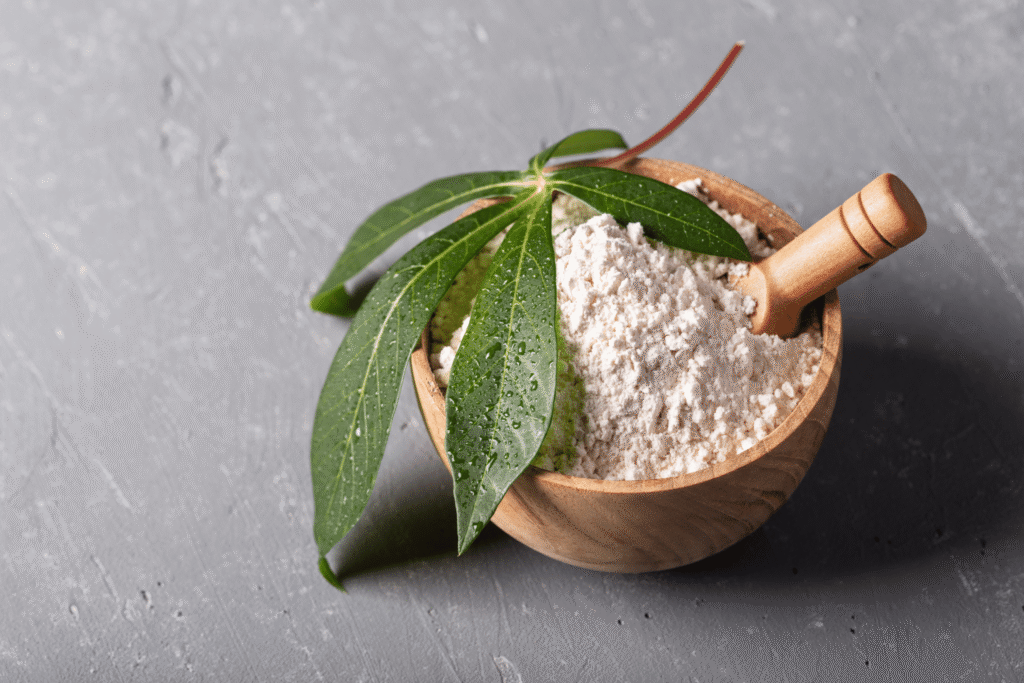

Cassava Flour has become one of the most widely recognized plant based staple ingredients in tropical agriculture and global food culture. People across continents rely on cassava roots as a dependable source of carbohydrates and daily energy. The root grows underground and stores dense starch that later becomes a versatile flour used in countless traditional and modern foods.
Because of its mild taste and natural gluten free structure, this flour adapts easily to a wide range of culinary applications. Many cultures cook with cassava not only because it nourishes the body but also because it grows well in regions where other crops struggle. Farmers cultivate cassava in tropical environments because the plant tolerates drought, poor soil, and irregular rainfall. These natural advantages make cassava one of the most resilient crops available for food security.
In recent years, interest in plant based ingredients has grown rapidly, and cassava derived products have gained increasing attention. Consumers appreciate natural foods that offer simple ingredients and flexible uses in everyday cooking. At the same time, researchers and nutritionists continue studying the role of cassava as an energy staple in developing and developed food systems alike.
The root contains starch that supports sustained energy release, while its neutral flavor allows it to blend smoothly into many recipes. Understanding cassava in depth requires exploring its history, plant characteristics, nutritional composition, benefits, and the many ways people prepare it around the world.
Origin And Early Cultivation Of Cassava Flour
Long before global agriculture connected continents through trade, indigenous communities in South America cultivated cassava as an essential root crop. Historical research indicates that early farmers domesticated the cassava plant thousands of years ago in regions that now belong to Brazil and surrounding parts of the Amazon basin. These communities discovered that the root stored large amounts of starch and could remain underground for long periods without spoiling quickly.
This natural storage ability allowed households to harvest cassava whenever food was needed rather than relying solely on seasonal crops. Over generations, traditional knowledge about cultivating cassava spread among communities and eventually reached other continents through exploration and trade networks. As global navigation expanded during the sixteenth century, traders transported cassava plants to Africa and Asia where farmers quickly recognized their agricultural value. The plant adapted easily to tropical environments and provided stable harvests even in areas where wheat or other grains struggled to grow.
As cassava cultivation expanded across continents, communities developed different techniques to process the roots into flour and other food ingredients. Grinding dried cassava roots created a fine powder that cooks could store longer and transport more easily than fresh roots. This transformation made cassava derived flour one of the most practical staple ingredients for rural populations. Within this historical context, the production of cassava flour gradually emerged as an important part of food culture. Although each region developed unique recipes and preparation styles, the underlying purpose remained the same: turning a resilient tropical root into a reliable source of nourishment that supported families and communities across generations.
Botanical Characteristics Of The Cassava Plant
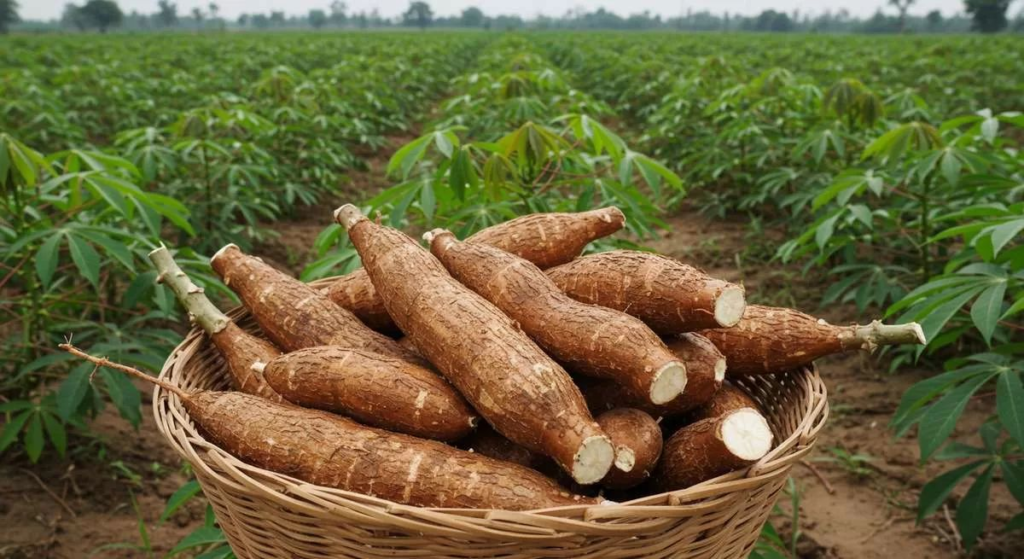
The cassava plant presents a unique structure that explains why farmers cultivate it successfully across large tropical regions. Botanically known as Manihot esculenta, the plant belongs to the Euphorbiaceae family and grows as a woody shrub rather than a traditional grain crop. Its stems rise above ground while its roots expand below the soil surface, where they store dense starch reserves. These underground roots represent the most valuable part of the plant because they provide the raw material that later becomes cassava flour.
Farmers often recognize cassava fields by the plant’s distinctive leaves. Each leaf spreads into long narrow segments that resemble fingers radiating from a central point. This leaf structure allows the plant to absorb sunlight efficiently and continue growing even under challenging environmental conditions. Because cassava tolerates heat and moderate drought, farmers frequently choose it as a dependable crop for areas with unpredictable rainfall patterns.
The underground roots display several distinctive physical features that contribute to their agricultural value. Each root grows thick and elongated with a rough brown outer skin that protects the inner flesh. Inside this protective layer lies a dense white interior rich in starch. The starch content forms the foundation for cassava derived flour and other cassava based ingredients used in cooking.
Mature plants can produce multiple roots that collectively weigh several kilograms, which makes cassava fields highly productive relative to the space they occupy. As a result, farmers can harvest substantial yields from relatively small areas of land. These natural characteristics allow cassava cultivation to support both local food systems and wider agricultural supply chains. When farmers harvest the roots and process them into cassava flour, they transform a resilient tropical plant into a practical staple ingredient used in countless culinary traditions.
Nutritional Composition And Energy Value
Understanding the nutritional structure of cassava based ingredients helps explain why communities have relied on them for generations. The root stores a large concentration of starch that functions as a complex carbohydrate. During digestion, the human body gradually converts these carbohydrates into glucose, which provides energy for daily activities and physical work.
This steady energy release makes cassava an important food source in many rural communities where people require sustained energy throughout long workdays. Although carbohydrates dominate its composition, cassava also contains smaller quantities of other nutrients that contribute to balanced diets. For example, fresh cassava roots naturally contain vitamin C, an antioxidant that supports immune health and protects cells from oxidative stress. In addition, cassava includes trace minerals such as potassium and magnesium that play roles in muscle function and metabolic regulation. These elements may appear in modest amounts, yet they still contribute to the overall nutritional profile of cassava derived foods.
Within this nutritional framework, cassava flour functions primarily as an energy staple rather than a concentrated protein source. People usually combine cassava based foods with legumes, vegetables, or other ingredients to create balanced meals. This dietary pattern appears across many traditional cuisines where cassava accompanies soups, stews, or vegetable dishes.
Furthermore, the naturally gluten free structure of cassava flour has attracted attention from modern consumers seeking alternatives to wheat based products. Individuals who avoid gluten often appreciate cassava flour because it provides similar culinary flexibility without containing gluten proteins. As interest in natural ingredients grows worldwide, many households and food producers continue exploring the nutritional value of cassava derived foods as part of diversified diets.
Agricultural Importance In Tropical Regions
Agricultural systems in tropical regions often depend on crops that tolerate environmental variability, and cassava consistently proves its resilience under such conditions. Farmers plant cassava because it grows well in soils that may not support more delicate crops. Even when rainfall patterns fluctuate, the plant continues developing underground roots that store essential nutrients and starch.
This adaptability allows cassava cultivation to support rural livelihoods and food security in many developing regions. Another advantage lies in the plant’s flexible harvesting schedule. Unlike crops that must be harvested immediately after reaching maturity, cassava roots can remain in the soil for extended periods. Farmers can harvest them gradually according to household needs or market demand. This natural flexibility reduces the risk of crop loss and helps stabilize food supplies during uncertain seasons.
Once harvested, farmers often process cassava roots into flour to improve storage stability and usability. Transforming fresh roots into cassava flour reduces moisture and allows the ingredient to remain usable for longer periods when stored properly. Rural communities have practiced these processing techniques for generations, turning cassava harvests into reliable food reserves.
In addition, cassava farming often requires fewer external inputs compared to some other staple crops. Farmers may cultivate cassava using traditional methods that rely on local knowledge and minimal mechanization. Because of these agricultural characteristics, cassava flour production continues supporting both small scale farmers and larger agricultural networks. This enduring role in tropical agriculture highlights the crop’s value not only as food but also as a pillar of sustainable farming systems.
Distinctive Physical Features Of Cassava Roots
The physical structure of cassava roots reveals several characteristics that distinguish them from other root crops. Each root develops thick cylindrical shapes that extend beneath the soil surface while storing large amounts of starch. Farmers typically recognize mature cassava roots by their rough brown outer skin and firm texture. When people cut the root open, they see a bright white interior that signals the presence of concentrated starch.
This starch rich interior forms the foundation for many cassava derived foods including flour, starch, and other ingredients used across global cuisines. The outer skin protects the root during growth and shields it from soil organisms and environmental stress. Although the skin itself remains inedible, removing it reveals the nutritious inner flesh that cooks later prepare for consumption.
In addition to its appearance, cassava roots exhibit remarkable productivity. A single cassava plant can produce multiple roots that collectively weigh several kilograms, which means farmers can harvest significant yields from limited farmland. This productivity explains why cassava cultivation remains attractive to farmers in regions where land resources may be constrained. Furthermore, the roots grow deep enough in the soil to maintain stability during periods of heat or drought. This natural resilience ensures that cassava harvests remain relatively consistent even when weather conditions change unexpectedly. When communities process these roots into cassava flour, they convert dense underground starch reserves into a stable ingredient that cooks can store, transport, and use in countless recipes.
Traditional Foods Made From Cassava Flour
Across continents, culinary traditions have embraced cassava derived ingredients as a foundation for everyday meals. Communities prepare a wide variety of foods using cassava flour because it blends easily with other ingredients and develops pleasant textures during cooking. In many African cuisines, cooks combine cassava flour with water and heat to produce thick dough like staples that accompany soups or vegetable stews.
These dishes serve as filling bases that balance flavorful sauces and provide long lasting energy. In Southeast Asia and parts of Indonesia, traditional kitchens transform cassava flour into steamed cakes, sweet desserts, and savory snacks. The flour’s neutral taste allows cooks to add spices, coconut milk, or palm sugar while maintaining a soft and satisfying texture.
Modern culinary trends have also discovered the flexibility of cassava flour in baking and food preparation. Many home cooks experiment with cassava flour when preparing pancakes, muffins, tortillas, or flatbreads. Because the flour lacks gluten proteins, recipes often combine it with eggs or other binding ingredients to achieve balanced structure.
Even so, the resulting foods maintain appealing textures and mild flavors. Furthermore, cassava flour can function as a thickening agent for soups and sauces. Its starch structure binds liquids smoothly, creating consistency without introducing strong flavors. These culinary qualities explain why cassava flour continues gaining popularity beyond traditional regions. Chefs and food enthusiasts around the world increasingly appreciate this ingredient for its adaptability, natural composition, and ability to transform simple recipes into nourishing meals.
Health Benefits And Dietary Advantages Of Cassava Flour
People who explore traditional staple foods often recognize how cassava based ingredients support daily nutrition in simple yet meaningful ways. Many communities value this root because it supplies dependable calories that help sustain energy levels throughout the day. When households prepare meals using cassava flour, they typically combine it with vegetables, legumes, fish, or other protein sources.
This approach creates balanced dishes that provide both energy and essential nutrients. Because cassava roots contain naturally occurring carbohydrates, the foods prepared from them offer a steady source of fuel for physical activity. In many rural areas where agricultural labor remains physically demanding, this consistent energy supply plays an important role in everyday life. In addition, the mild flavor of cassava derived flour allows cooks to pair it with a wide range of ingredients, which encourages diverse and nourishing meals.
Another advantage involves dietary accessibility. Many individuals search for ingredients that support gluten free diets while still offering familiar cooking possibilities. Within this context, cassava flour provides a practical alternative to wheat based flour. The ingredient does not contain gluten proteins, yet it still performs well in baking and cooking applications when used with suitable recipes. This characteristic makes it appealing to households that wish to avoid gluten while maintaining a flexible kitchen routine.
In addition, cassava foods usually rely on straightforward preparation methods that avoid excessive processing. As a result, people often view cassava based meals as simple, natural components of a balanced diet. Over time, this combination of accessibility, energy value, and culinary adaptability has helped cassava flour maintain its reputation as a dependable ingredient for everyday nourishment.
Culinary Versatility In Modern Kitchens
In recent years, global culinary trends have encouraged cooks to rediscover traditional ingredients and adapt them for modern recipes. Within this movement, cassava flour has attracted growing attention because of its versatility and neutral taste. Home cooks and professional chefs alike appreciate how easily the ingredient blends into both savory and sweet dishes.
When preparing baked goods, many people experiment with cassava flour in recipes for pancakes, flatbreads, waffles, and muffins. The flour’s fine texture allows it to mix smoothly with eggs, milk, or plant based alternatives. As a result, bakers can create soft textures without introducing strong flavors that might overshadow other ingredients. This adaptability makes cassava flour especially appealing for recipes that rely on subtle taste balance.
Beyond baking, the ingredient also performs well in sauces, soups, and savory preparations. When added gradually to warm liquids, cassava flour thickens mixtures while maintaining a smooth consistency. Cooks frequently use this property to create creamy soups or sauces that require gentle thickening without altering flavor profiles. Furthermore, cassava flour supports creative experimentation in snack foods and desserts.
Some kitchens incorporate it into dough for dumplings or pastries, while others use it to create delicate cakes or traditional sweets. Because the ingredient absorbs flavors easily, spices and natural sweeteners integrate smoothly into cassava based recipes. Through these diverse culinary uses, cassava flour demonstrates how a traditional staple can evolve within modern food culture while still maintaining its practical simplicity and nutritional value.
Global Role Of Cassava In Food Security
Agricultural researchers and development organizations often study staple crops that help stabilize food systems in regions facing environmental challenges. Within these discussions, cassava consistently appears as one of the most resilient crops available in tropical agriculture. Farmers cultivate the plant because it tolerates irregular rainfall and continues growing in soils where other crops may fail.
This resilience helps protect food supplies in areas where climate variability affects agricultural productivity. When communities harvest cassava roots and process them into flour, they create a shelf stable ingredient that households can store for longer periods. This transformation allows families to maintain food reserves even when fresh harvests become temporarily limited.
In addition to supporting household food supplies, cassava cultivation contributes to local economies. Farmers sell fresh roots or processed ingredients through regional markets, which creates opportunities for agricultural income. As demand grows for plant based and gluten free ingredients, cassava flour increasingly attracts interest from broader food industries as well. These economic opportunities encourage continued investment in cassava farming and processing.
At the same time, researchers continue exploring improved cultivation techniques that increase yields while protecting soil health. Through these combined efforts, cassava remains closely connected to discussions about sustainable agriculture and global food security. The crop’s ability to thrive under challenging conditions ensures that cassava flour will likely remain an important ingredient in food systems that support both local communities and international markets.
Cultural Significance Of Cassava In Traditional Diets
Throughout many tropical regions, cassava holds cultural importance that extends beyond its agricultural value. Generations of families have prepared meals centered on cassava roots and flour, passing culinary traditions from parents to children over centuries. These recipes often represent more than nourishment alone; they reflect shared history, local identity, and community gatherings.
In several African countries, cassava based dishes accompany stews during daily meals and celebrations alike. Families gather around large plates of food where cassava staples serve as the base that carries rich sauces and vegetables. Similar traditions appear across parts of Southeast Asia and Latin America, where cassava flour contributes to cakes, porridges, and festive desserts.
Because cassava adapts easily to regional ingredients, each culture develops distinctive recipes while preserving the core role of the root crop. In some areas, cooks combine cassava flour with coconut milk and natural sweeteners to produce soft steamed cakes. In others, savory preparations dominate, with cassava forming doughs that complement fish or vegetable dishes.
These culinary traditions highlight the creativity of communities that transform simple ingredients into memorable meals. Even as modern food trends introduce new ingredients, many households continue preparing cassava dishes because they connect people to heritage and family customs. Through these enduring traditions, cassava flour remains a meaningful symbol of cultural continuity and everyday nourishment.
Sustainable Agriculture And Future Potential
As conversations about sustainable agriculture expand, many experts emphasize the importance of crops that require fewer resources while still providing dependable yields. Cassava frequently appears in these discussions because of its ability to grow successfully under diverse environmental conditions.
Farmers often cultivate the plant with relatively low input requirements, which means it can thrive without intensive fertilizer or irrigation systems. This resilience allows cassava farming to remain accessible for small scale producers who rely on traditional knowledge and local resources. By supporting stable harvests with modest environmental impact, cassava cultivation aligns with broader goals of sustainable food production.
Looking toward the future, researchers continue studying ways to improve cassava productivity while maintaining ecological balance. Agricultural programs explore disease resistant plant varieties, improved soil management techniques, and more efficient harvesting practices. These innovations aim to strengthen cassava farming while preserving biodiversity and soil health. At the same time, global interest in plant based foods continues expanding, which may increase demand for ingredients such as cassava flour. Food producers, chefs, and nutrition advocates increasingly recognize the ingredient’s potential within diverse diets. Through ongoing research and sustainable farming practices, cassava and its derived foods may play an even greater role in supporting resilient agricultural systems and nutritious global food supplies.
Conclusion
Cassava has supported human diets for centuries because it offers reliability, adaptability, and practical nutrition. From its origins in South America to its widespread cultivation across Africa and Asia, the plant has traveled across continents while maintaining its role as a dependable staple crop. Communities have long appreciated the ability of cassava roots to grow in difficult environments while storing dense starch that later becomes nourishing food. When processed into flour, the root transforms into a versatile ingredient that cooks can store, transport, and incorporate into many recipes. This transformation explains why cassava flour continues to appear in both traditional kitchens and modern culinary experimentation.
Throughout this article, the history, botanical characteristics, nutritional value, and cultural significance of cassava have illustrated how a single root crop can shape entire food traditions. Farmers cultivate cassava because it adapts well to tropical climates, while cooks appreciate its mild flavor and flexible culinary uses. In addition, the ingredient contributes to discussions about food security and sustainable agriculture, particularly in regions where environmental challenges affect crop production. As global interest in natural and plant based foods continues growing, cassava flour remains well positioned to serve as a practical component of balanced diets.
For more information about agricultural sourcing and products, visit Efba Agro International. You can also explore more about Cassava, discover available commodities, and reach out directly for inquiries or collaboration opportunities through WhatsApp https://wa.me/6285285469417.
assava Flour Bulk Export Logistics and Quality Assurance
International trade demands precision, consistency, and transparent documentation. Exporters who coordinate 25 ton container shipments organize sourcing, drying, milling, packaging, and inspection processes carefully to maintain product integrity. Producers monitor moisture levels to prevent clumping and microbial growth, ensuring that Cassava Flour arrives at its destination in optimal condition. They also implement standardized particle size control to guarantee uniform performance in industrial recipes.
Furthermore, quality assurance teams conduct laboratory testing to verify purity, starch content, and absence of contaminants. By following food safety management systems and export regulations, suppliers protect both buyers and end consumers. Packaging typically involves multi layered sacks stacked securely within containers to prevent damage during transit. Efficient logistics partners then manage port handling, shipping schedules, and customs clearance.
Because global buyers depend on uninterrupted supply chains, exporters who handle Cassava Flour with disciplined quality control earn long term trust. As demand continues to expand across continents, reliable bulk logistics remain essential to sustaining competitive advantage in the international agricultural marketplace.
direct consultation and pricing, feel free to contact us via WhatsApp and discuss your Cassava Flour requirements with our team.
EFBA Agro International: A Global Supplier Built on Quality, Integrity, and Long-Term Collaboration

EFBA Agro International has grown into one of Indonesia’s most trusted agricultural exporters, serving food manufacturers, distributors, and industrial companies around the world. Built on a foundation of transparency, quality assurance, and long-term collaboration, EFBA Agro delivers a portfolio of commodities designed to support the evolving needs of global supply chains. For buyers who rely on Cassava Wholesale as a core ingredient in food production or industrial applications, EFBA Agro provides not only consistent quality but also the confidence that every shipment meets international standards. Our sourcing network spans multiple agricultural regions in Indonesia, giving buyers access to stable production, clear documentation, and export-ready packaging that aligns with global procurement systems.
What sets EFBA Agro apart is our commitment to direct collaboration with processors, mills, and farmer groups. This approach ensures full visibility over raw material selection, processing techniques, and quality control benchmarks. While Cassava Flour remains one of our strongest export categories, we are equally dedicated to developing a diversified commodity line that supports a wider range of industries. Our export operations emphasize reliability, communication, and proactive updates, helping buyers plan ahead and avoid supply disruptions. EFBA Agro positions itself not just as a vendor but as a strategic partner capable of supporting long-term procurement planning across multiple product categories.
EFBA Agro’s Full Commodity Line: From Cassava Flour to Premium Spices and Natural Ingredients
Beyond our focus on Cassava Flour, EFBA Agro International offers a comprehensive selection of agricultural commodities tailored for global markets. Each product category is handled with strict quality protocols, ensuring consistency from the point of harvest to export clearance. Our portfolio includes Arenga Palm Sugar (both molded and granulated), Candlenut (shelled and polished grades), Black Pepper, Vanilla Beans, Nutmeg, Cloves, Cocoa derivatives, and specialty natural ingredients sourced from Indonesia’s most productive agricultural zones. These commodities support various industries from food and beverages to natural cosmetics, wellness, and industrial formulations.
The diversity of this portfolio allows buyers to consolidate multiple SKUs under one trusted supplier, significantly reducing logistical complexity and administrative workload. Companies that purchase Cassava Flour often expand their partnership with EFBA Agro once they recognize the operational advantages of working with a supplier capable of managing large-volume shipments, export documentation, container optimization, and consistent communication. Our website’s commodities section highlights each product’s specifications, applications, and export readiness, ensuring that buyers can evaluate options clearly before placing an order. By offering a multi-commodity ecosystem with modern, export-focused processes, EFBA Agro reinforces its commitment to supporting long-term growth for global manufacturers and distributors.
FAQ Cassava Flour
1. How should people store cassava flour to maintain freshness?
People should store cassava flour in a cool, dry place using an airtight container. This method protects the flour from moisture, insects, and odors from other foods. Proper storage helps maintain texture and quality for longer periods. In humid climates, refrigeration may extend shelf life even further.
2. Why does cassava flour sometimes vary in color or texture?
Cassava flour may appear slightly different depending on the cassava variety, growing conditions, and drying process. Some batches look brighter white while others show a soft cream tone. However, these natural variations rarely affect flavor or cooking performance.
3. Can cassava flour replace wheat flour in every recipe?
Cassava flour works in many recipes, yet cooks often adjust liquid levels or add binding ingredients. Because the flour contains no gluten, combining it with eggs or other binders improves structure in baked goods.
4. Does cassava flour contain allergens commonly found in grain products?
Most grain allergens come from wheat or barley proteins. Since cassava grows as a root crop, cassava flour naturally avoids those proteins and therefore fits many gluten free diets.
5. How does cassava flour support food sustainability?
Cassava plants grow well in difficult climates and require relatively modest farming inputs. Because of this resilience, farmers cultivate cassava as a dependable crop that strengthens local food security.
Looking for Cascara and Gayo Coffee Beans too? Visit this platform, and you will get it perfect quality: https://coffeenesia.id/