
Arenga Palm Sugar stands as one of the most valued natural sweeteners across tropical regions, appreciated for its caramel-like sweetness and impressive nutritional profile. Derived from the sap of the Arenga pinnata palm tree, this sugar has served communities for generations throughout Southeast Asia and other tropical areas. Today, global food industries recognize it as a premium alternative sweetener that connects tradition, nutrition, and modern health-focused demand.
Unlike refined white sugar, producers apply minimal processing, which preserves naturally occurring minerals and phytonutrients. Because of its distinctive taste and lower glycemic characteristics compared to refined sugar, it continues to gain traction in specialty food markets, functional beverages, bakery industries, and natural product formulations. As consumers shift toward clean-label ingredients, this palm-based sweetener delivers authenticity and functional value in one ingredient.
Arenga Palm Sugar Definition and Origin Across Tropical Regions
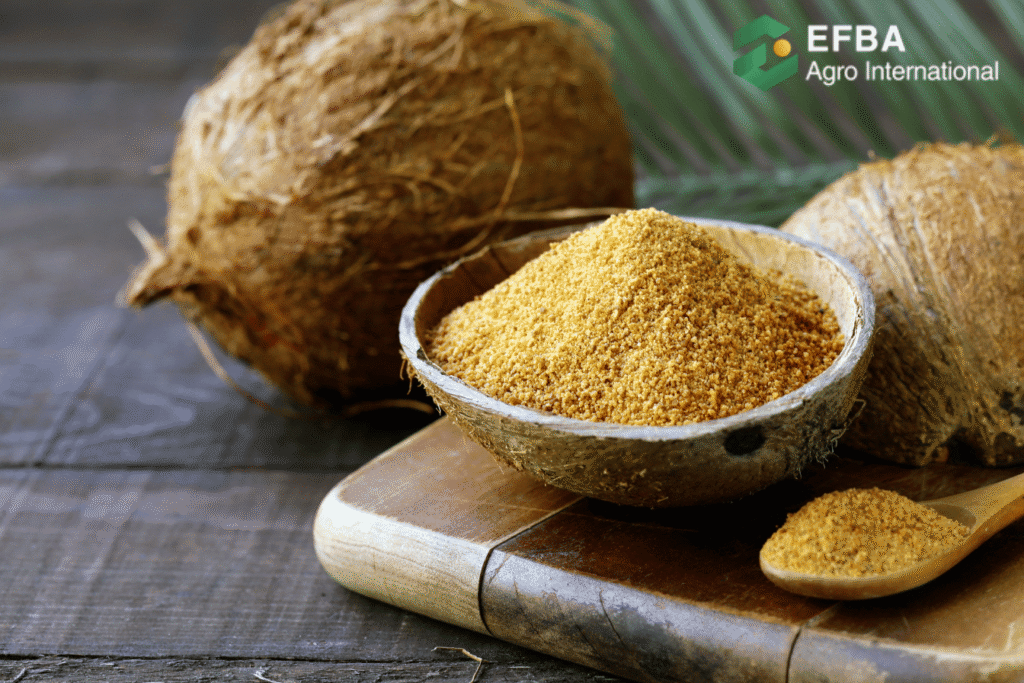
Farmers produce Arenga Palm Sugar from the sap of the Arenga pinnata tree, a species native to Indonesia, Malaysia, the Philippines, and several Southeast Asian countries. They tap the flower stalks of mature palms and collect the sweet sap before gently heating it to evaporate moisture and form solid sugar blocks, granules, or liquid syrup. This traditional process preserves cultural heritage while maintaining sustainable agricultural practices. Because the tree thrives in tropical climates and grows without intensive chemical inputs, cultivation supports environmentally responsible farming systems.
For centuries, rural communities relied on this natural sweetener long before refined sugar dominated global markets. In Indonesia, people call it gula aren and incorporate it into desserts, beverages, and savory dishes. Across neighboring regions, cooks blend it into sauces, marinades, and fermented foods. Its brown color forms naturally through controlled caramelization during cooking, not through artificial additives. That natural transformation strengthens both visual appeal and consumer trust.
International markets now recognize Arenga Palm Sugar as a specialty agricultural product with strong export value. Demand has expanded into Europe and North America, where natural sweeteners and plant-based ingredients continue to grow. Global food trend analyses, including insights published by the Food and Agriculture Organization, highlight rising interest in minimally processed palm sugars. As a result, Arenga Palm Sugar represents both a cultural legacy and a globally respected commodity rooted in sustainable tropical origins.
Arenga Palm Sugar Nutritional Elements and Mineral Composition
The nutritional strength of Arenga Palm Sugar lies in its retained minerals and naturally occurring compounds. While it primarily supplies carbohydrates for energy, it also preserves trace nutrients because producers avoid heavy refinement. This balanced composition positions it as a more valuable sweetener compared to highly processed white sugar.
Its nine notable nutritional elements include:
- Potassium
- Magnesium
- Iron
- Zinc
- Calcium
- Phosphorus
- Sodium in natural trace levels
- Small amounts of Vitamin B complex
- Natural antioxidants and phytonutrients
Potassium helps regulate fluid balance and supports muscle function. Magnesium contributes to numerous enzymatic reactions. Iron supports oxygen transport in the bloodstream, while zinc strengthens immune response. Calcium and phosphorus reinforce bone health and structural integrity. Even though these minerals exist in trace amounts, they enhance the overall nutritional profile of Arenga Palm Sugar.
Additionally, its carbohydrate structure allows gradual energy release when compared with conventional refined sugar. Several nutritional analyses suggest that palm-based sweeteners may exhibit a relatively lower glycemic response. Therefore, when consumed responsibly, Arenga Palm Sugar fits into balanced dietary patterns without the extreme blood sugar spikes often associated with refined alternatives.
Because producers avoid bleaching and excessive processing, the mineral integrity remains intact. This preservation increases its appeal among food manufacturers who prioritize clean-label ingredients and transparent sourcing. In functional beverages, natural snack bars, and specialty bakery products, Arenga Palm Sugar supports both flavor and nutritional positioning in competitive global markets.
Arenga Palm Sugar Characteristics and Distinctive Features

The sensory qualities of Arenga Palm Sugar clearly distinguish it from refined sweeteners. It delivers layered sweetness with notes of caramel, mild molasses, and subtle smokiness. Producers achieve this flavor depth through slow evaporation of fresh sap, which concentrates natural sugars while preserving aromatic compounds. As a result, chefs and formulators rely on it to create richer taste experiences.
Its color ranges from golden brown to deep dark brown, depending on cooking duration and moisture content. Granulated forms appear slightly coarse and retain natural texture, while molded blocks present a dense and glossy finish. Liquid variants show a thick amber consistency that blends easily into beverages and syrups. Because no chemical bleaching occurs, the color reflects authenticity and minimal intervention.
Sustainability further enhances its distinctive value. The Arenga pinnata tree produces sap for many years without requiring tree removal, allowing farmers to maintain forest cover and biodiversity. Agroforestry systems often integrate palm trees alongside other crops, which strengthens soil stability and ecological resilience. This integrated approach contrasts sharply with large-scale monoculture sugar plantations.
Harvesters also follow precise tapping techniques that demand skill and consistency. They collect sap daily and process it immediately to maintain freshness and prevent fermentation. This hands-on method strengthens quality control and supports rural livelihoods. Consequently, Arenga Palm Sugar represents craftsmanship and responsible sourcing, qualities that resonate strongly in global specialty food markets.
Arenga Palm Sugar Benefits and Culinary Applications Worldwide
Consumers choose Arenga Palm Sugar for its nutritional advantages, authentic flavor, and culinary versatility. Its retained minerals contribute small but meaningful benefits when compared to refined sweeteners. Moreover, its moderate glycemic characteristics attract individuals who aim to manage energy levels more steadily throughout the day. While it remains a carbohydrate source, it releases energy more gradually than highly refined sugar.
Natural antioxidants present in minimally processed palm sugar may also assist in reducing oxidative stress. Although it does not replace nutrient-dense foods, Arenga Palm Sugar complements balanced diets and supports clean ingredient lists. Food manufacturers value its additive-free nature, which aligns with increasing consumer demand for transparency and simplicity.
In the kitchen, Arenga Palm Sugar performs exceptionally well. It dissolves smoothly in hot beverages such as coffee and tea, adding warmth and depth. Traditional Southeast Asian cuisine uses it in coconut-based desserts, steamed cakes, syrups, and sauces. At the same time, modern chefs apply it to glazes, barbecue marinades, chocolate blends, and artisanal baked goods. Its caramel undertone pairs effectively with spices, roasted nuts, and cocoa.
Food industries worldwide now incorporate Arenga Palm Sugar into granola, plant-based dairy alternatives, premium energy bars, and specialty beverages. Because of its concentrated flavor, smaller amounts often deliver satisfying sweetness. This efficiency supports product formulation while enhancing taste complexity.
For premium sourcing, global distribution, and sustainable supply, visit Efba Agro International at https://efbaagro.id/ and explore our commodities at https://efbaagro.id/#commodities. For direct inquiries and partnership opportunities, connect via WhatsApp at https://wa.me/6285285469417.
Substainability and Global Market Impact
The cultivation of Arenga Palm Sugar contributes significantly to sustainable agriculture in Southeast Asia. Unlike intensive sugarcane production, Arenga palms require minimal chemical inputs, rely on natural pollination, and support biodiversity. This sustainable approach benefits local ecosystems and enhances the resilience of farming communities.
Globally, Arenga Palm Sugar is gaining recognition in the health food and plant-based markets. Its functional benefits, low glycemic index, and nutrient content appeal to consumers seeking healthier alternatives. With increasing awareness of sugar’s impact on health, demand for natural sweeteners like Arenga Palm Sugar continues to grow in Europe, North America, and Asia.
Moreover, Arenga Palm Sugar’s traditional production methods support cultural preservation and economic development. Small-scale farmers and cooperatives maintain ancestral knowledge of sap collection and sugar processing, generating income while preserving ecological balance. Its role in sustainable supply chains positions it as a model product for ethical consumption and plant-based nutrition advocacy.
By promoting responsible harvesting and consumption, Arenga Palm Sugar exemplifies a convergence of tradition, nutrition, and sustainability. Its increasing availability in global markets underscores its relevance as a modern sweetener that aligns with contemporary health, culinary, and ethical priorities.
In conclusion, Arenga Palm Sugar is more than just a sweetener; it embodies a holistic approach to nutrition, flavor, and sustainability. From its rich Southeast Asian origin to its distinctive caramel flavor, nutrient density, versatile culinary applications, and sustainable production practices, Arenga Palm Sugar is a remarkable plant-based ingredient. Its unique properties make it a preferred choice for health-conscious individuals, chefs, and food producers alike, supporting both taste and wellness.
Arenga Palm Sugar Culinary Uses and Industrial Applications

This versatile sweetener performs well across home kitchens and industrial food production. Traditionally, it enhances sauces, soups, desserts, and beverages by adding depth rather than overpowering flavor. Its caramel notes blend seamlessly with spices, coconut based dishes, and fermented foods. In baking applications, it improves moisture retention and adds a rich color to cakes, cookies, and bread. Beverage producers use it in herbal drinks, coffee blends, and plant based beverages to achieve natural sweetness with complexity.
On a larger scale, food manufacturers incorporate it into sauces, seasonings, snack coatings, and functional bars. Its heat stability allows consistent performance during cooking and processing. Furthermore, it is increasingly used in organic and natural product lines as a replacement for refined sugar. Global market reports from organizations such as Mintel confirm rising demand for palm based sweeteners. Beyond food, it also appears in traditional wellness syrups and herbal preparations. This wide range of applications reinforces its role as both a cultural ingredient and a modern commercial commodity.
Efba Agro International supplies high quality Arenga Palm Sugar sourced through responsible partnerships and strict quality standards. Explore our full range of commodities and sourcing capabilities through our official platform.
Ready to Source Premium Arenga Palm Sugar?
If you are ready to explore premium-grade Arenga Palm Sugar for your business, connect directly with EFBA Agro today. Our export specialists are available to discuss:
- Bulk orders and private labeling
- Pricing and shipping arrangements
- Long-term partnership opportunities
Let’s bring the natural sweetness of Indonesia to your global market.
📞 Contact us via WhatsApp
Discover EFBA Agro International: Your Trusted Gateway to Indonesia’s Finest Agricultural Commodities

EFBA Agro International has steadily established itself as one of Indonesia’s most reliable and quality-driven exporters of natural agricultural products. Built on a foundation of integrity, consistent supply, and strong farmer partnerships, EFBA Agro is committed to delivering premium-grade commodities that meet global market expectations. Through a streamlined sourcing system and rigorous quality inspection, we ensure every shipment reflects the richness of Indonesia’s natural resources and the professionalism demanded by international buyers. From traceability to documentation, every detail is handled with precision so clients receive both peace of mind and exceptional product value.
As a company deeply rooted in Indonesia’s agricultural landscape, EFBA Agro works closely with farming communities across the archipelago to secure sustainable, ethically harvested raw materials. This commitment enables us to supply natural sweeteners, spices, starches, and specialty products with unmatched consistency. Whether buyers require bulk quantities, retail-ready packaging, or OEM export standards, our operational structure supports diverse needs while maintaining world-class quality control. With a reputation built on transparency and long-term collaboration, EFBA Agro continues to strengthen its presence across Asia, the Middle East, Europe, and the Americas.
Indonesia’s Premium Export Collection: From Arenga Palm Sugar to Tapioca, Coffee, Spices, and More

EFBA Agro International proudly offers a versatile selection of Indonesian commodities designed to meet the demands of global food, beverage, and industrial markets. Our flagship product, Granulated Arenga Palm Sugar, remains one of the most popular exports thanks to its natural caramel profile, eco-friendly production, and strong global demand. Beyond palm sugar, EFBA Agro supplies Food-Grade Tapioca Flour, a favorite ingredient for coating, bakery goods, gluten-free recipes, and industrial applications. We also provide a variety of premium Indonesian spices such as candlenut (kemiri), cloves, nutmeg, and black pepper, sourced directly from trusted farmers to guarantee freshness and purity.
In addition to sweeteners and spices, EFBA Agro supports buyers seeking coffee commodities through our specialty-grade Arabica and Robusta lines, including origins from Gayo, Java, and Toraja. Each commodity is managed through strict handling, standardized moisture control, proper packaging options, and export-ready documentation. With this diverse portfolio, EFBA Agro International becomes a comprehensive one-stop solution for businesses searching for sustainable, high-quality Indonesian agricultural products on the global stage.
FAQ Arenga Palm Sugar
- How is Arenga Palm Sugar different from coconut sugar?
Arenga Palm Sugar comes specifically from the sap of the Arenga pinnata palm, while coconut sugar is derived from coconut palm sap. Although both are natural palm sweeteners, they differ in flavor intensity and mineral balance. Arenga Palm Sugar usually has a deeper caramel tone and slightly richer aroma. In addition, its production often involves slower heating, which enhances complexity. Therefore, food manufacturers choose it when they want a stronger, more distinctive sweetness profile in premium recipes. - Can Arenga Palm Sugar be used in commercial scale production?
Yes, producers can integrate Arenga Palm Sugar into commercial food manufacturing. It performs well in baking, beverage blending, confectionery, and sauce production. Moreover, suppliers now offer granulated, block, and liquid formats to support industrial needs. Because it dissolves efficiently and maintains stable flavor under heat, manufacturers can standardize formulations without difficulty. As global demand rises, supply chains continue to improve consistency and export readiness. - Does Arenga Palm Sugar require special storage conditions?
To maintain quality, store Arenga Palm Sugar in a cool, dry environment away from direct sunlight. Moisture exposure may cause clumping or texture changes. Therefore, airtight packaging significantly extends shelf life. In humid climates, controlled storage ensures stable granulation and prevents microbial growth. - Is Arenga Palm Sugar suitable for vegan products?
Absolutely, Arenga Palm Sugar is plant-based and fits vegan formulations. Producers collect sap without harming the tree, and they avoid animal-derived processing agents. Consequently, it supports ethical and plant-forward product development strategies. - How does harvesting impact sustainability?
Harvesters tap sap without cutting down the tree, allowing continuous production for many years. This method supports agroforestry systems and reduces deforestation pressure. As a result, Arenga Palm Sugar aligns with environmentally responsible sourcing models. - Can Arenga Palm Sugar support premium branding?
Yes, brands often position Arenga Palm Sugar as an artisanal and natural ingredient. Its traditional origin story, mineral content, and caramel flavor strengthen premium labeling. Furthermore, transparent sourcing builds consumer trust in competitive global markets.