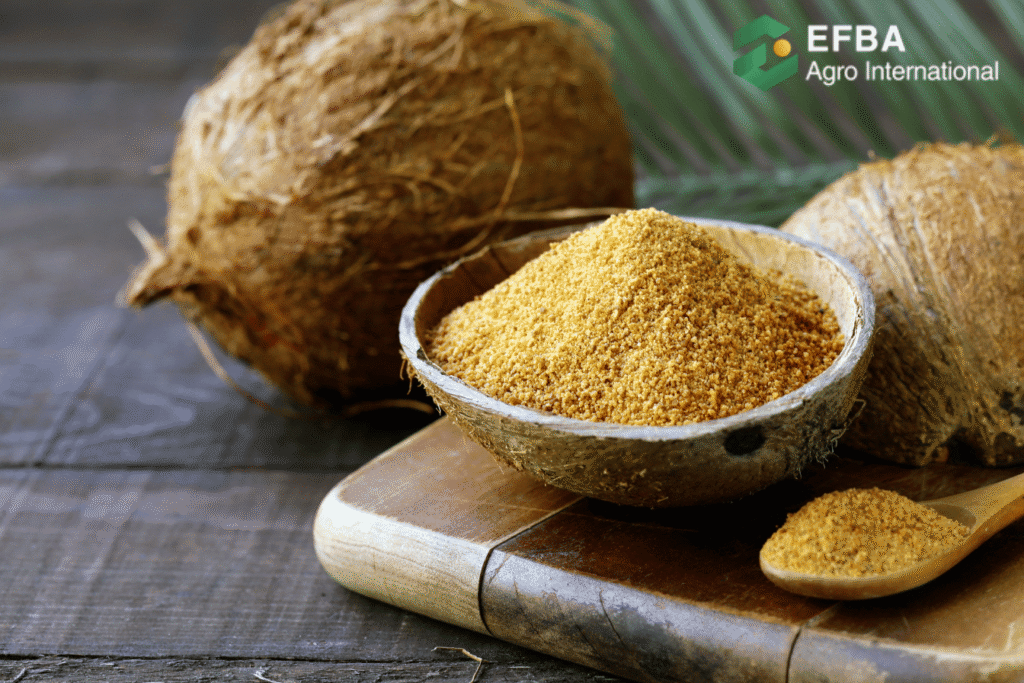

Arenga Palm Sugar is a natural sweetener derived from the sap of the Arenga pinnata tree, also known as sugar palm. Unlike refined sugar, Arenga Palm Sugar maintains much of its natural nutrient content, making it an appealing choice for health-conscious individuals and culinary enthusiasts. With its subtle caramel flavor, low glycemic index, and plant-based origin, Arenga Palm Sugar is gaining attention worldwide as a versatile, nutritious alternative to conventional sweeteners. This article explores six unique properties of Arenga Palm Sugar, highlighting its origin, distinctive characteristics, health benefits, nutritional profile, and culinary applications.
The Origin and Natural Harvesting of Arenga Palm Sugar
Arenga Palm Sugar originates from the sugar palm trees native to Southeast Asia, particularly Indonesia, Thailand, and the Philippines. These trees thrive in tropical climates, growing in regions with high humidity and abundant rainfall. The sugar is produced by tapping the flower stalks of mature palms to collect sap, which is then carefully boiled until it solidifies into granular or block form. This traditional harvesting method preserves the natural minerals and nutrients that are often lost in refined sugar processing.
Harvesters follow a meticulous process that begins with cutting the inflorescence of the palm and attaching a container to collect the sap. This sap, rich in sucrose, is naturally sweet and requires minimal processing to become the final product. Unlike cane sugar or beet sugar, Arenga Palm Sugar retains minerals such as potassium, magnesium, and zinc, which contribute to its health-promoting properties. Its sustainable cultivation also supports local communities, providing livelihoods while encouraging eco-friendly farming practices.
Furthermore, the unique tropical conditions where Arenga palms grow contribute to the sugar’s distinct flavor profile. The soil, climate, and traditional tapping methods create a natural sweetness with subtle caramel undertones that cannot be replicated by synthetic or industrial sugars. These factors collectively position Arenga Palm Sugar as not just a sweetener but a nutrient-rich, culturally significant product.
Distinctive Characteristics and Flavor Profile

Arenga Palm Sugar is recognized for its rich, amber-brown color and soft, slightly sticky texture. Its flavor is markedly different from conventional white sugar; it has a deep, caramel-like taste with hints of molasses, making it ideal for enhancing desserts, beverages, and savory dishes alike. This characteristic sets it apart in culinary applications, providing complexity without the overpowering sweetness of refined sugar.
One of the notable aspects of Arenga Palm Sugar is its low glycemic index, ranging between 35 and 40. This means it causes a slower, more gradual increase in blood glucose levels, making it suitable for individuals managing diabetes or blood sugar concerns. Additionally, it dissolves easily in both hot and cold liquids, which increases its versatility in cooking, baking, and beverage preparation.
Beyond taste, Arenga Palm Sugar’s physical properties make it an attractive ingredient for artisanal food production. It can be molded into blocks, granules, or even liquid syrups, maintaining its flavor integrity across various forms. Chefs and home cooks alike appreciate its ability to caramelize smoothly without burning rapidly, unlike refined sugar. This caramelization property enhances the natural flavor of dishes while providing a visually appealing golden-brown hue.
These qualities not only enhance the culinary experience but also offer functional advantages in food manufacturing, especially in organic and plant-based product lines. Its aroma, taste, and texture collectively contribute to Arenga Palm Sugar’s reputation as a premium, plant-based sweetener in both traditional and contemporary recipes.
Nutritional Composition and Health Benefits
Arenga Palm Sugar is more than a sweetener; it is a nutrient-dense ingredient that supports overall well-being. It contains nine essential nutrients, including potassium, magnesium, iron, zinc, calcium, phosphorus, selenium, B vitamins, and antioxidants. These components contribute to maintaining heart health, strengthening bones, enhancing immunity, and supporting metabolic functions.
The low glycemic index of Arenga Palm Sugar further enhances its health appeal. Unlike refined sugar, which triggers rapid spikes in blood sugar levels, Arenga Palm Sugar provides a slow energy release, helping to maintain steady glucose levels. This property is particularly beneficial for people with diabetes, prediabetes, or those seeking balanced energy levels throughout the day.
Antioxidants found in Arenga Palm Sugar, such as polyphenols and flavonoids, combat oxidative stress, reducing the risk of chronic diseases, including cardiovascular issues. Additionally, its trace minerals help in red blood cell formation, muscle function, and enzyme activity, making it a functional sweetener that contributes to nutrient intake beyond basic calories.
Regular consumption in moderation can also aid digestive health. Arenga Palm Sugar contains natural prebiotic compounds that support the growth of beneficial gut bacteria. This aligns with contemporary nutritional trends emphasizing functional foods that not only provide taste but also enhance health. As more individuals shift towards plant-based diets, Arenga Palm Sugar becomes an ideal choice for sweetening recipes without compromising nutrient intake or dietary ethics.
Culinary Applications and Versatility
Arenga Palm Sugar’s versatility in the kitchen is one of its most celebrated properties. It can be used as a direct substitute for white or brown sugar in baking, cooking, and beverage preparation. Its caramel notes enrich desserts such as cakes, cookies, puddings, and traditional Southeast Asian sweets, while its solubility ensures smooth incorporation into sauces, marinades, and drinks.
For hot beverages like coffee, tea, or herbal infusions, Arenga Palm Sugar dissolves evenly, imparting natural sweetness without altering the aroma or flavor of the drink. In cold applications, it can be dissolved into syrups for cocktails, mocktails, or smoothies, offering a healthier alternative to refined sugar syrups. Its unique caramel flavor complements spices, citrus, and dairy, expanding culinary creativity.
Beyond sweet applications, Arenga Palm Sugar is used in savory dishes to balance acidity, enhance browning in stir-fries, and improve texture in glazes and sauces. Its functional role in food preparation extends to commercial food production, particularly in organic and plant-based products that prioritize natural ingredients. Food enthusiasts and professional chefs appreciate Arenga Palm Sugar for its ability to maintain flavor integrity while delivering a nutrient-rich alternative.
This versatility, combined with its health benefits, positions Arenga Palm Sugar as a premium ingredient suitable for home kitchens, restaurants, and food manufacturing. It supports creative recipe development while meeting the growing consumer demand for plant-based and functional sweeteners.
Sustainability and Global Market Impact
The cultivation of Arenga Palm Sugar contributes significantly to sustainable agriculture in Southeast Asia. Unlike intensive sugarcane production, Arenga palms require minimal chemical inputs, rely on natural pollination, and support biodiversity. This sustainable approach benefits local ecosystems and enhances the resilience of farming communities.
Globally, Arenga Palm Sugar is gaining recognition in the health food and plant-based markets. Its functional benefits, low glycemic index, and nutrient content appeal to consumers seeking healthier alternatives. With increasing awareness of sugar’s impact on health, demand for natural sweeteners like Arenga Palm Sugar continues to grow in Europe, North America, and Asia.
Moreover, Arenga Palm Sugar’s traditional production methods support cultural preservation and economic development. Small-scale farmers and cooperatives maintain ancestral knowledge of sap collection and sugar processing, generating income while preserving ecological balance. Its role in sustainable supply chains positions it as a model product for ethical consumption and plant-based nutrition advocacy.
By promoting responsible harvesting and consumption, Arenga Palm Sugar exemplifies a convergence of tradition, nutrition, and sustainability. Its increasing availability in global markets underscores its relevance as a modern sweetener that aligns with contemporary health, culinary, and ethical priorities.
In conclusion, Arenga Palm Sugar is more than just a sweetener; it embodies a holistic approach to nutrition, flavor, and sustainability. From its rich Southeast Asian origin to its distinctive caramel flavor, nutrient density, versatile culinary applications, and sustainable production practices, Arenga Palm Sugar is a remarkable plant-based ingredient. Its unique properties make it a preferred choice for health-conscious individuals, chefs, and food producers alike, supporting both taste and wellness.
Arenga Palm Sugar Culinary Uses and Industrial Applications
This versatile sweetener performs well across home kitchens and industrial food production. Traditionally, it enhances sauces, soups, desserts, and beverages by adding depth rather than overpowering flavor. Its caramel notes blend seamlessly with spices, coconut based dishes, and fermented foods. In baking applications, it improves moisture retention and adds a rich color to cakes, cookies, and bread. Beverage producers use it in herbal drinks, coffee blends, and plant based beverages to achieve natural sweetness with complexity.
On a larger scale, food manufacturers incorporate it into sauces, seasonings, snack coatings, and functional bars. Its heat stability allows consistent performance during cooking and processing. Furthermore, it is increasingly used in organic and natural product lines as a replacement for refined sugar. Global market reports from organizations such as Mintel confirm rising demand for palm based sweeteners. Beyond food, it also appears in traditional wellness syrups and herbal preparations. This wide range of applications reinforces its role as both a cultural ingredient and a modern commercial commodity.
Efba Agro International supplies high quality Arenga Palm Sugar sourced through responsible partnerships and strict quality standards. Explore our full range of commodities and sourcing capabilities through our official platform.
Ready to Source Premium Arenga Palm Sugar?
If you are ready to explore premium-grade Arenga Palm Sugar for your business, connect directly with EFBA Agro today. Our export specialists are available to discuss:
- Bulk orders and private labeling
- Pricing and shipping arrangements
- Long-term partnership opportunities
Let’s bring the natural sweetness of Indonesia to your global market.
📞 Contact us via WhatsApp
Discover EFBA Agro International: Your Trusted Gateway to Indonesia’s Finest Agricultural Commodities

EFBA Agro International has steadily established itself as one of Indonesia’s most reliable and quality-driven exporters of natural agricultural products. Built on a foundation of integrity, consistent supply, and strong farmer partnerships, EFBA Agro is committed to delivering premium-grade commodities that meet global market expectations. Through a streamlined sourcing system and rigorous quality inspection, we ensure every shipment reflects the richness of Indonesia’s natural resources and the professionalism demanded by international buyers. From traceability to documentation, every detail is handled with precision so clients receive both peace of mind and exceptional product value.
As a company deeply rooted in Indonesia’s agricultural landscape, EFBA Agro works closely with farming communities across the archipelago to secure sustainable, ethically harvested raw materials. This commitment enables us to supply natural sweeteners, spices, starches, and specialty products with unmatched consistency. Whether buyers require bulk quantities, retail-ready packaging, or OEM export standards, our operational structure supports diverse needs while maintaining world-class quality control. With a reputation built on transparency and long-term collaboration, EFBA Agro continues to strengthen its presence across Asia, the Middle East, Europe, and the Americas.
Indonesia’s Premium Export Collection: From Arenga Palm Sugar to Tapioca, Coffee, Spices, and More

EFBA Agro International proudly offers a versatile selection of Indonesian commodities designed to meet the demands of global food, beverage, and industrial markets. Our flagship product, Granulated Arenga Palm Sugar, remains one of the most popular exports thanks to its natural caramel profile, eco-friendly production, and strong global demand. Beyond palm sugar, EFBA Agro supplies Food-Grade Tapioca Flour, a favorite ingredient for coating, bakery goods, gluten-free recipes, and industrial applications. We also provide a variety of premium Indonesian spices such as candlenut (kemiri), cloves, nutmeg, and black pepper, sourced directly from trusted farmers to guarantee freshness and purity.
In addition to sweeteners and spices, EFBA Agro supports buyers seeking coffee commodities through our specialty-grade Arabica and Robusta lines, including origins from Gayo, Java, and Toraja. Each commodity is managed through strict handling, standardized moisture control, proper packaging options, and export-ready documentation. With this diverse portfolio, EFBA Agro International becomes a comprehensive one-stop solution for businesses searching for sustainable, high-quality Indonesian agricultural products on the global stage.
FAQ Arenga Palm Sugar
1. How does Arenga Palm Sugar differ from coconut palm sugar in production?
Although both come from palm sap, producers harvest Arenga Palm Sugar from the Arenga pinnata tree, which grows slower and produces sap with a distinct mineral balance. As a result, the sap requires longer reduction time. Consequently, the final sugar develops deeper caramel notes and a more complex aroma compared to coconut palm sugar, which usually tastes lighter and milder.
2. Is Arenga Palm Sugar suitable for export quality standards?
Yes, producers can process Arenga Palm Sugar to meet international export standards. Through proper filtration, controlled heating, and moisture management, manufacturers achieve consistent color, texture, and shelf stability. Therefore, many suppliers now deliver it in food grade packaging suitable for global distribution.
3. Can Arenga Palm Sugar be used in vegan and plant based products?
Because it comes entirely from plant sap and involves no animal derived ingredients, Arenga Palm Sugar fits perfectly into vegan and plant based formulations. Moreover, food developers prefer it for clean label products since it requires minimal processing and contains no artificial additives.
4. How does storage affect the quality of Arenga Palm Sugar?
Proper storage plays a critical role in maintaining quality. When kept in airtight containers away from humidity, the sugar retains aroma and texture longer. Otherwise, excess moisture may cause clumping or fermentation over time.
5. Does Arenga Palm Sugar have a distinct sustainability advantage?
Yes, farmers can tap Arenga palms without cutting down the tree. As a result, the production cycle supports long term sustainability while preserving forest ecosystems and rural livelihoods.
6. Why do food manufacturers prefer Arenga Palm Sugar for premium products?
Manufacturers choose it because it delivers balanced sweetness, mineral depth, and flavor stability. Consequently, it elevates product positioning while aligning with consumer demand for natural and traceable ingredients.
W