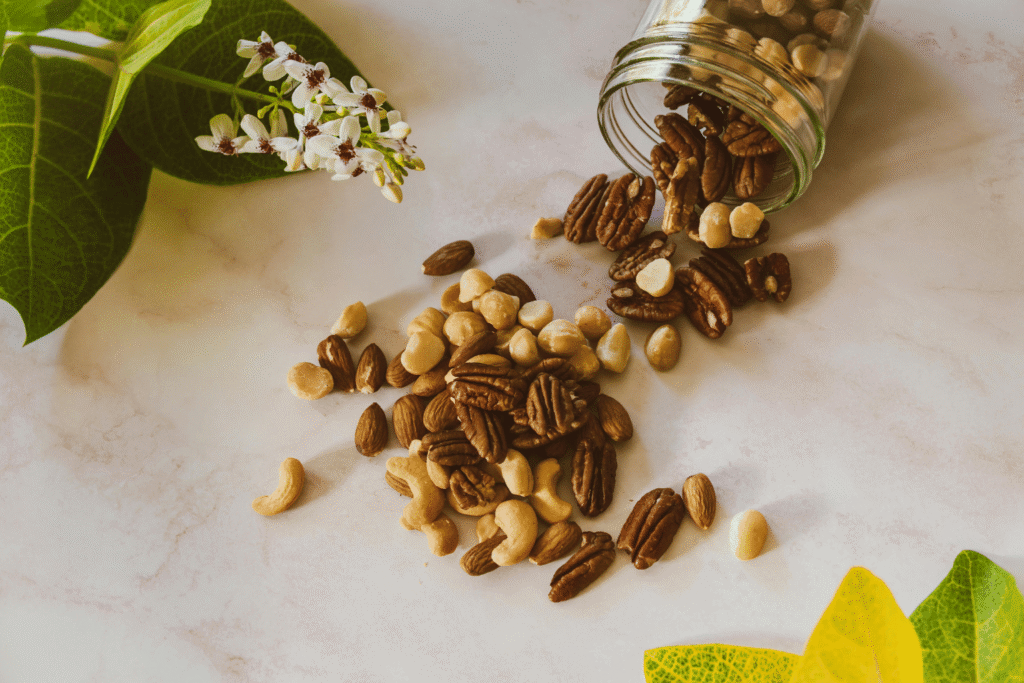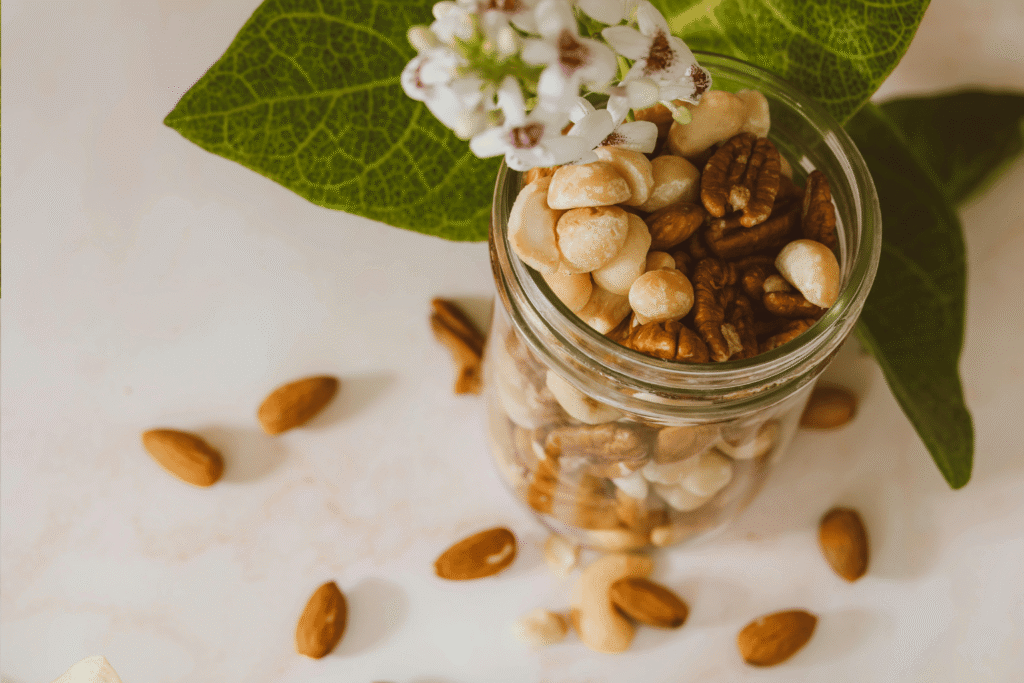
Spices Candlenut is a premium tropical nut widely recognized for its rich nutritional value, functional properties, and long history of use across tropical regions. Containing approximately 20 grams of protein per 100 grams, this nut stands out among plant based ingredients for both culinary and industrial applications.
Traditionally valued as a spice base, thickening agent, and oil source, candlenut has evolved into a globally traded commodity used in food manufacturing, wellness products, and personal care industries. Its mild flavor, creamy texture, and high oil content make it an essential component in many traditional recipes while also supporting modern clean label formulations. As global demand grows for natural ingredients with nutritional and functional benefits, candlenut continues to gain attention as a versatile and reliable tropical nut.
İçindekiler
Spices Candlenut Definition and Botanical Origin
Candlenut is botanically known as Aleurites moluccanus, a tropical tree native to Southeast Asia and the Pacific Islands. The tree thrives in warm climates, particularly in coastal and lowland regions with well drained soil. Historically, local communities cultivated this plant not only for food but also for lighting and traditional remedies. The kernel inside the hard shell contains a high concentration of oil, which allowed early societies to use it as a natural candle, giving rise to its common name.
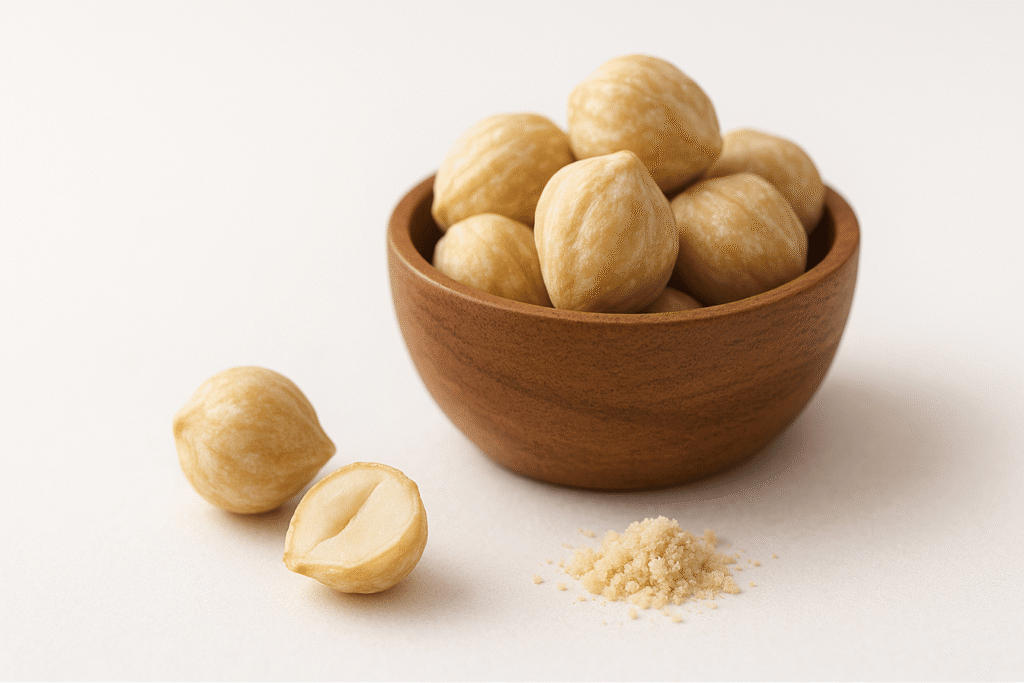
From Indonesia, candlenut spread through ancient trade routes to South Asia, East Africa, and parts of the Pacific, where it became embedded in regional cuisines and cultures. The nut itself is oval shaped with a pale, creamy kernel once shelled. While it resembles other edible nuts, candlenut requires proper processing before consumption due to naturally occurring compounds that must be neutralized by heat.
In culinary traditions, candlenut is valued less for direct flavor intensity and more for its ability to enrich texture and structure. It acts as a binding and thickening ingredient, especially in sauces, stews, and spice pastes. Botanically, the tree is classified within the Euphorbiaceae family, a group known for oil rich seeds. Today, modern cultivation focuses on quality control, post harvest handling, and export grade processing to meet international standards. This long botanical and cultural history explains why candlenut remains relevant as both a traditional spice and a modern agricultural commodity.
Spices Candlenut Unique Physical and Functional Characteristics
One of the most distinctive features of candlenut is its exceptionally high oil content, which gives it a smooth and creamy texture when processed. This characteristic makes it especially valuable in culinary applications where richness and mouthfeel are essential. When ground or blended, the nut releases natural oils that bind ingredients together without altering dominant flavors.
Another defining characteristic is its neutral taste profile. Unlike pungent spices, candlenut does not overpower other ingredients. Instead, it supports balance and depth, allowing spices, herbs, and proteins to integrate more smoothly. Visually, high quality kernels appear pale ivory in color, uniform in size, and free from dark spots or excessive moisture. These physical traits are important indicators in commercial grading and export selection.
Functionally, candlenut stands out due to its protein content, reaching around 20 grams per 100 grams. This combination of protein and fat makes it attractive for plant based food formulations, especially as manufacturers seek natural texture enhancers. Beyond food, its oil is widely used in cosmetics and hair care products for its conditioning properties. Compared to other tropical nuts, candlenut is rarely consumed raw, reinforcing its role as a processed ingredient rather than a snack. These physical and functional traits together position candlenut as a premium tropical nut with multi industry relevance.
Spices Candlenut Nutritional Composition and Value
From a nutritional perspective, candlenut offers a balanced profile that supports its use in both traditional and modern applications. The most notable component is its protein level, averaging about 20 grams per 100 grams, which contributes to tissue repair and overall nutritional density. This makes it a valuable plant based ingredient for food manufacturers looking to enhance protein content naturally.
In addition to protein, candlenut contains a high proportion of unsaturated fats. These fats provide sustained energy and assist in the absorption of fat soluble nutrients from other ingredients. Dietary fiber present in the nut supports digestive function and contributes to satiety when included in meals.
Candlenut also supplies essential minerals such as magnesium, potassium, and phosphorus, which play important roles in metabolic processes and cellular health. Trace minerals support enzyme activity and overall nutritional balance. While vitamins are present in smaller quantities, they complement the nut’s macronutrient composition.
This nutritional combination explains why candlenut has historically been associated with strength and endurance in traditional diets. In modern contexts, it supports clean label trends by offering natural nutrition without artificial additives. Compared to many conventional thickeners, candlenut provides both functional and nutritional value, increasing its appeal in premium food formulations.
Spices Candlenut Health Benefits and Traditional Uses
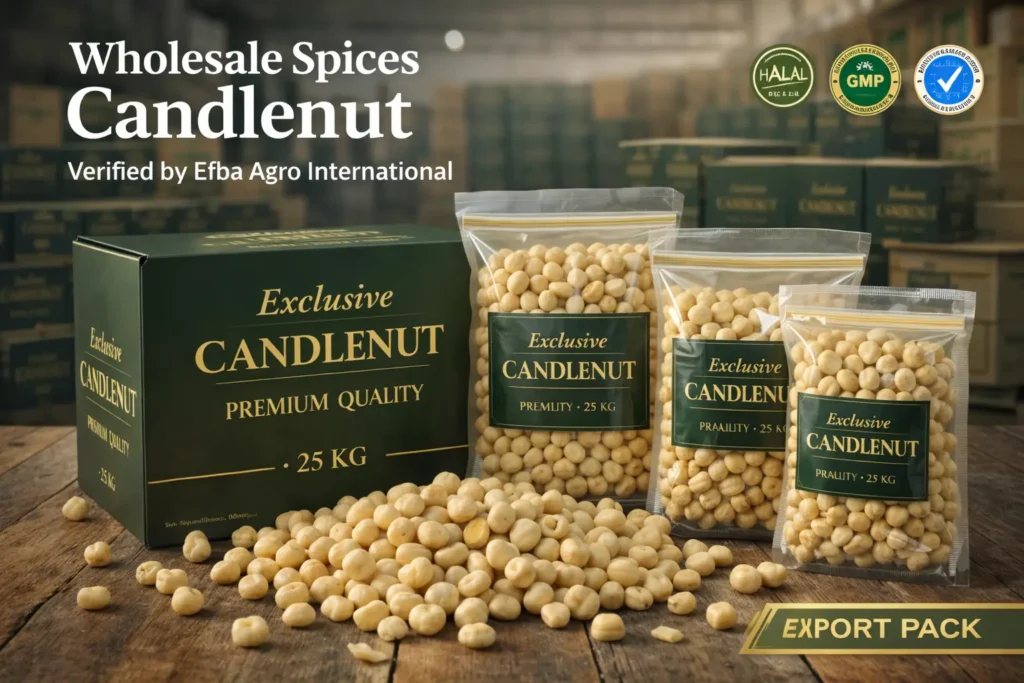
Throughout history, candlenut has been associated with various wellness related uses, particularly in tropical regions. When used in appropriate quantities and properly processed, it contributes beneficial nutrients that support general health. The protein content aids in muscle maintenance and body repair, while healthy fats help maintain energy balance.
Traditionally, candlenut oil has been applied externally to nourish hair and skin. Its moisturizing properties made it a common ingredient in natural hair treatments and skin preparations. Internally, the fiber content supports digestive regularity and helps maintain gut comfort.
In many cultures, candlenut based dishes were considered warming and nourishing, often included in meals for recovery or strength. While modern nutrition focuses on scientific composition rather than folklore, these traditional uses align with its nutrient density. The nut also contains natural compounds that, after heat processing, may contribute antioxidant activity.
Rather than acting as a medicinal product, candlenut supports wellness indirectly by enhancing the quality and nutritional balance of foods. Its subtle role in improving texture and satisfaction can encourage healthier eating habits. This combination of tradition and modern understanding makes candlenut a trusted ingredient in health conscious food systems.
Spices Candlenut Processing Methods and Culinary Applications
Processing candlenut requires careful handling to ensure safety, quality, and consistency. After harvesting, the nuts are dried to reduce moisture and prevent spoilage. The hard shell is then removed to access the kernel, which undergoes heat treatment before further use. This step is essential to neutralize naturally occurring compounds and enhance usability.
In culinary applications, candlenut is commonly roasted and ground into paste or powder. This form is widely used in sauces, curries, soups, and marinades, where it functions as a natural thickener and flavor stabilizer. Its oil content creates a smooth texture that enhances mouthfeel without masking other ingredients.
In modern food production, candlenut is incorporated into seasoning blends, ready to cook meals, and plant based formulations. Beyond food, extracted oil is utilized in cosmetics, soaps, and hair care products due to its emollient qualities. Industrial applications also include specialty coatings and traditional crafts.
Because of this versatility, candlenut is considered a high value agricultural commodity in international trade. Proper processing standards ensure it meets export requirements and maintains consistent quality. This adaptability across sectors reinforces its status as a premium tropical nut with long term commercial potential.
https://wa.me/6285285469417 Ortaklık fırsatlarını görüşmek ve Toptan Mum Cevizi (Candlenut) portföyünüzü geliştirmek için.
Aşağıdaki Toptan Mum Cevizi (Candlenut) yazılarını da okuyun!
EFBA Agro International: Endonezya’nın En Seçkin Tarımsal Ürünlerine Açılan Güvenilir Kapınız

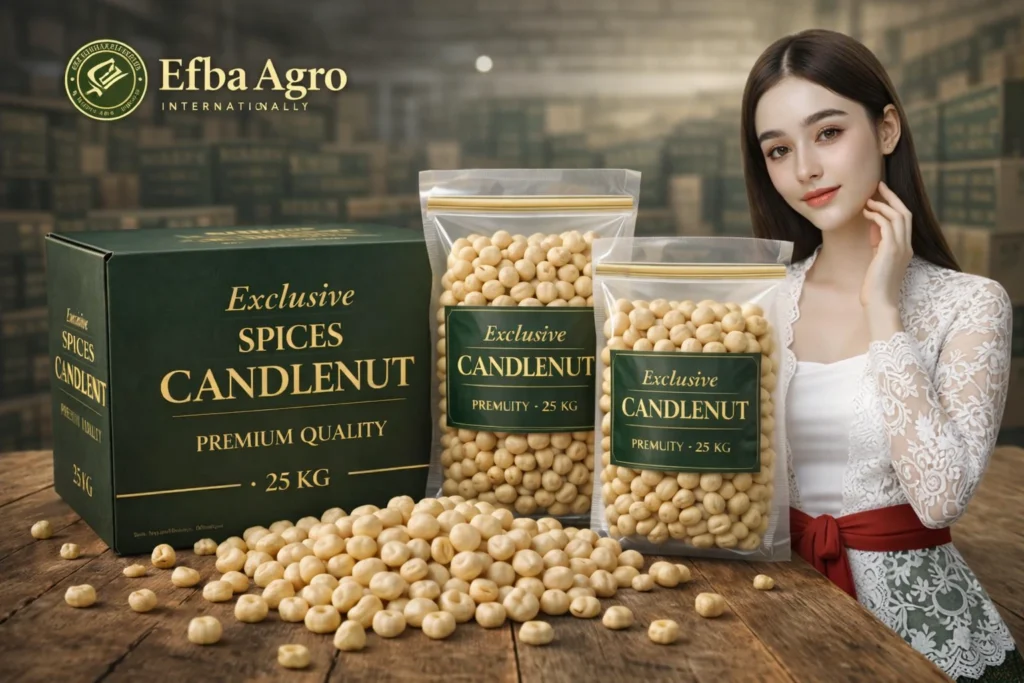
EFBA Agro International stands as a premier export company dedicated to delivering Indonesia’s most valuable agricultural resources to global markets. With a strong commitment to quality, sustainability, and ethical sourcing, we operate as a bridge between Indonesia’s fertile lands and international buyers seeking premium-grade natural products.
Our expertise extends far beyond the supply chain of Toptan Baharatlar: Mum Cevizi (Candlenut)s; it encompasses an integrated export ecosystem built on transparency, farmer empowerment, and global-standard processing. EFBA Agro International is recognized not only for providing premium Toptan Baharatlar: Mum Cevizi (Candlenut)s but also for offering a diversified portfolio of Indonesian agricultural commodities.
Our philosophy is rooted in protecting Indonesia’s rich biodiversity while supporting sustainable livelihoods for local communities. By integrating technology-driven logistics, export-ready packaging, and quality control at every step, we position ourselves as a trusted partner for global importers seeking reliable, ethically produced, and high-value agricultural commodities.
Bir Diğer: Küresel İthalatçılar Neden Efba Agro’ya Güveniyor?
Efba Agro tarafından desteklenen platform, Endonezya çiftçilerini şeffaf ve verimli bir ihracat sistemi aracılığıyla küresel alıcılarla buluşturur. Ağımız, mum cevizi, palmiye şekeri ve tapioka unu gibi başlıca emtiaları öne çıkararak, izlenebilirlik, tazelik ve sürdürülebilirlik sağlar. Bizimle ortaklık yapmak, her adımda premium kalite, adil fiyatlandırma ve profesyonel ihracat desteği almanız anlamına gelir.
Endonezya'dan toptan mum ağacı fıstığı baharatı tedarik etmeye hazır mısınız?
Ortak Olun Efba Agro bugün, küresel ithalatçılar tarafından güvenilen, sürdürülebilir, yüksek kaliteli ve maliyet-etkin baharat tedariki için.
👉 Şimdi WhatsApp üzerinden bizimle iletişime geçin: [Buraya Tıklayın]
Premium Emtia Portföyümüz: Toptan Mum Cevizinin (Candlenut) Ötesinde
Otantik Endonezya menşeli ürünlerden oluşan geniş bir portföy sunarak EFBA Agro International, küresel ithalatçıların yenilik yapmasını, ürün yelpazelerini genişletmesini ve sürdürülebilir tedarik zincirleri kurmasını destekler. Müşteriler ister özel içerikler, ister doğal tatlandırıcılar ya da premium ürünler arıyor olsun, Toptan Baharatlar: Mum Cevizi (Candlenut), we stand ready to supply excellence with full transparency and export reliability.
FAQ Spices Candlenut
- What is the best method to extract Spices Candlenut oil?
The most effective way to extract high-quality candlenut oil is by cold-pressing the roasted nuts. Cold-pressing preserves nutrients, antioxidants, and natural flavors better than heat-based methods. While traditional methods like boiling or roasting can release oil, industrial cold-pressing ensures maximum oil yield without losing nutritional value. The oil can then be filtered and stored in dark glass bottles to maintain freshness. - Can Spices Candlenut oil be consumed raw safely?
Raw candlenuts contain mild toxins, such as saponins and phorbol esters, which can cause digestive discomfort if eaten uncooked. Therefore, consuming raw candlenut oil directly pressed from uncooked nuts is not recommended. Roasting or heating the nuts before oil extraction neutralizes these compounds, making the oil safe for cooking, dietary supplementation, or topical use. - Is Spices Candlenut oil suitable for people with nut allergies?
Candlenuts are technically seeds of a tree and not true tree nuts, but people with nut allergies should exercise caution. Allergic reactions are possible, so testing a small amount first or consulting with a healthcare professional is advised. In many cases, the refined oil is less allergenic due to processing, but individual sensitivity varies. - How does Spices Candlenut oil support skin and hair health?
Spices Candlenut oil contains vitamin E, essential fatty acids, and antioxidants that nourish skin and hair. Regular topical application can improve skin hydration, elasticity, and softness. For hair, it strengthens strands, reduces breakage, and adds shine. Its lightweight texture allows easy absorption without leaving a greasy residue. - Can Spices Candlenut be used in vegan or plant-based diets?
Yes, Spices Candlenut is fully plant-based and fits perfectly into vegan diets. It provides healthy fats, protein, and micronutrients while adding flavor and texture to dishes. Vegan chefs often use candlenut pastes or oils as thickening agents in curries, sauces, and desserts, providing a rich, creamy consistency naturally.