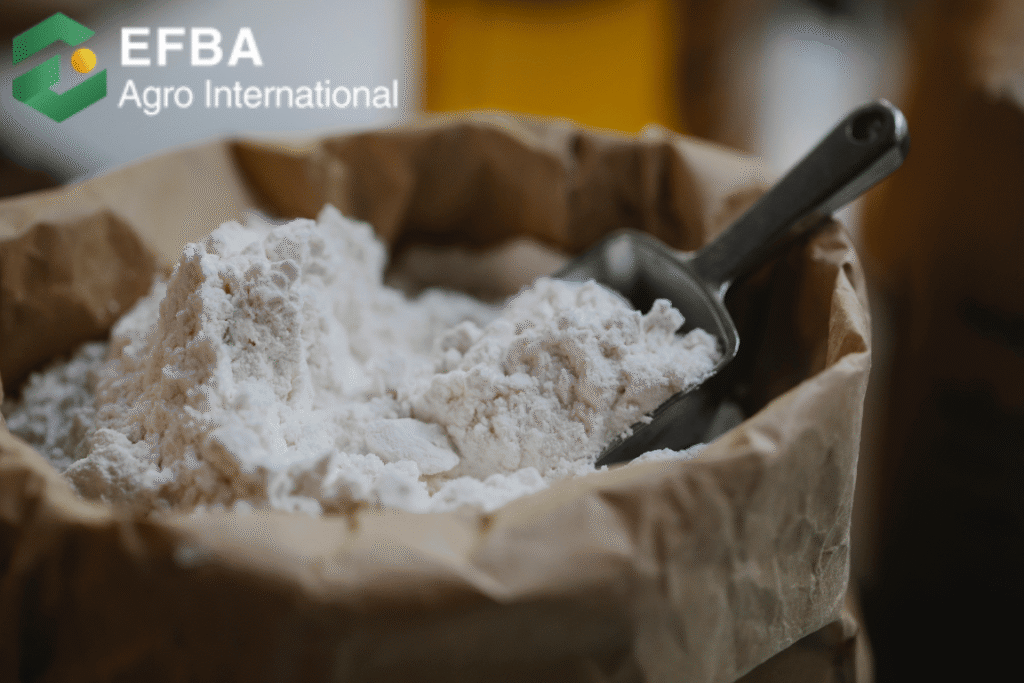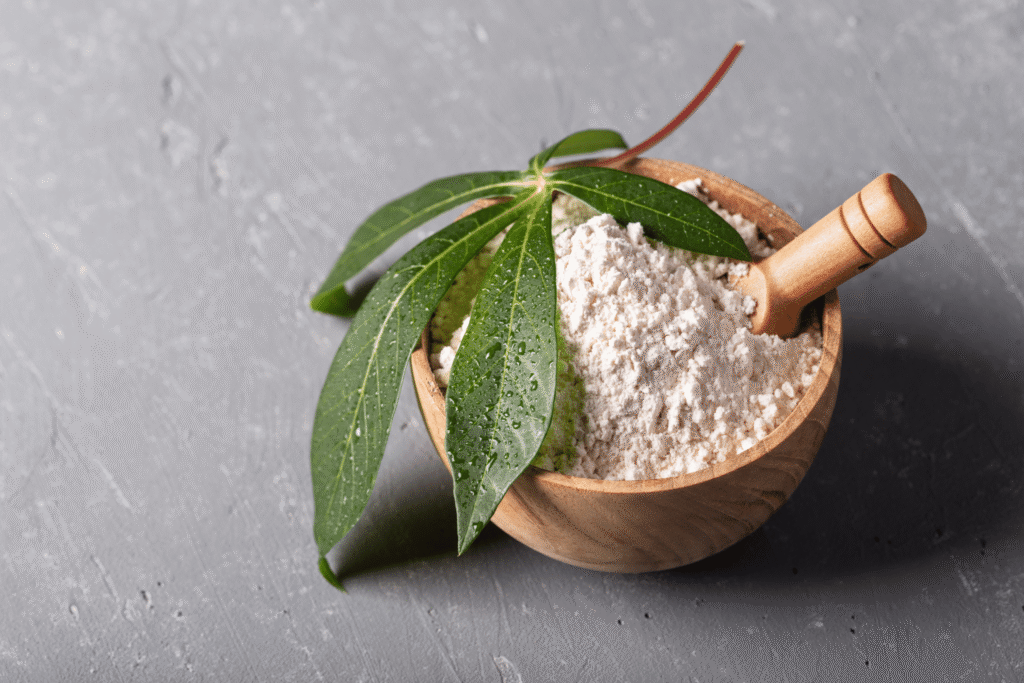
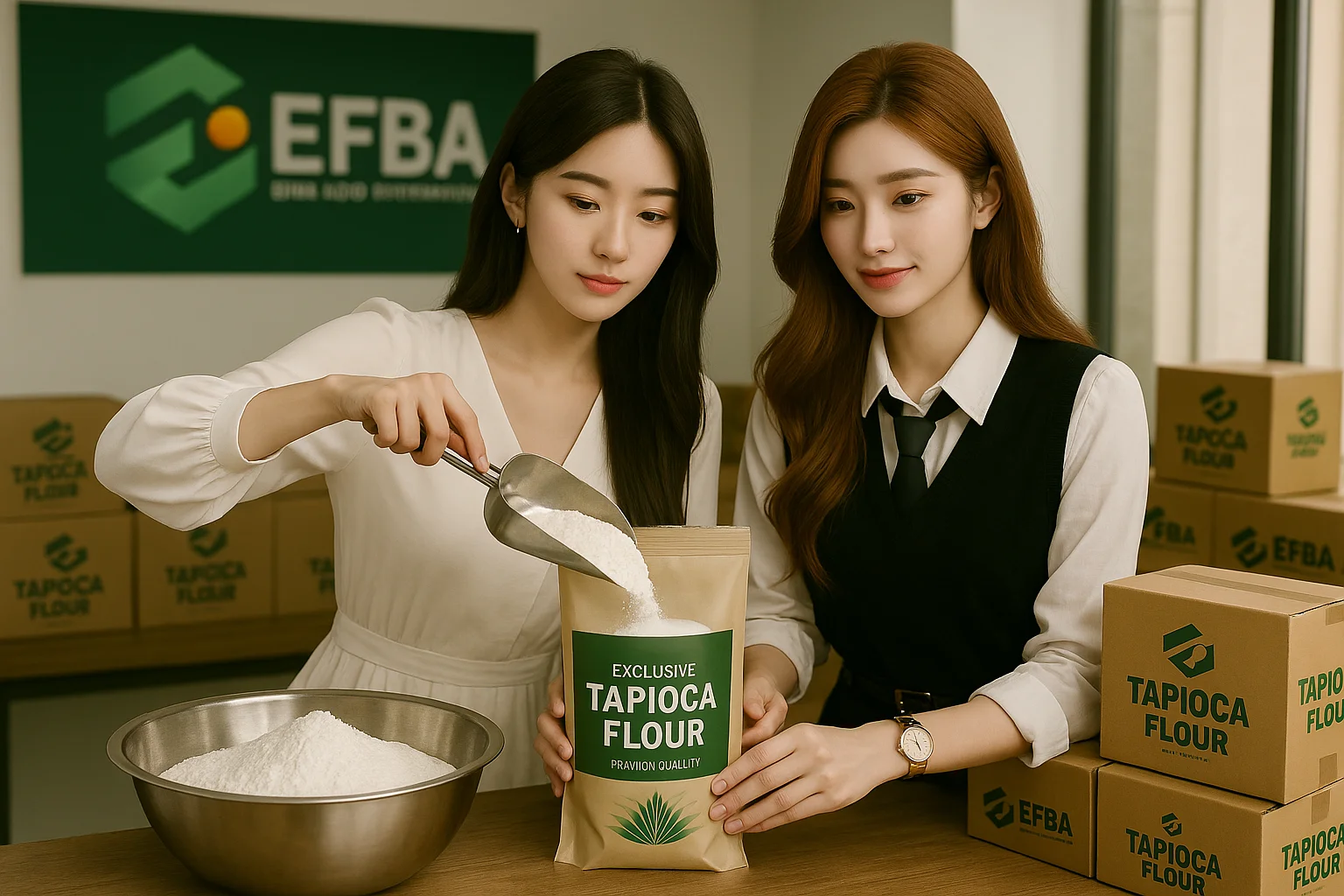
Flour Trade Tapioca has become a crucial raw material in modern food manufacturing, especially for factories that demand consistent texture, high purity, and reliable supply. In large scale production, even small variations in starch quality can affect taste, appearance, and shelf life. That is why food factories increasingly rely on Flour Trade Tapioca packed in 25kg clean grade bags, designed specifically to meet industrial standards and strict quality control.
From noodles and snacks to sauces and bakery products, Flour Trade Tapioca plays a central role in delivering smooth texture, stable viscosity, and neutral flavor. This article explores why Flour Trade Tapioca is considered one of the best commodities for food factories, how it supports production efficiency, and what makes clean grade packaging essential for long term manufacturing success.
İçindekiler
Flour Trade Tapioca for Industrial Food Production
Flour Trade Tapioca is produced from high quality cassava roots through a controlled extraction and drying process. For food factories, the focus is not only on starch content but also on cleanliness, moisture control, and particle consistency. Clean grade Flour Trade Tapioca is specifically processed to reduce impurities, ensuring it meets food safety requirements for industrial use.
In food manufacturing, uniformity is everything. Flour Trade Tapioca helps maintain consistent batch results, whether used as a thickener, binder, or stabilizer. Its neutral taste allows it to blend seamlessly into various formulations without altering the original flavor profile of the product.
Food factories prefer Flour Trade Tapioca in 25kg packaging because it simplifies inventory management and supports efficient handling in production lines. This standard size balances bulk efficiency with ease of storage, reducing contamination risks during repeated use.
Flour Trade Tapioca 25kg Clean Grade Quality Standards
Flour Trade Tapioca clean grade is designed to comply with international food manufacturing standards. The clean grade classification indicates that the product has passed strict screening processes, including washing, filtering, and drying stages that remove fiber residues and unwanted particles.
Quality indicators of Flour Trade Tapioca clean grade include low moisture content, bright white appearance, and fine uniform granules. These characteristics are essential for preventing microbial growth and ensuring stable performance during cooking or processing. For factories producing export oriented food products, clean grade Flour Trade Tapioca supports compliance with global food safety regulations.
Another advantage of Flour Trade Tapioca in clean grade form is its predictable gelatinization behavior. This consistency allows food technologists to fine tune recipes without constantly adjusting formulations. Over time, this stability reduces production errors and raw material waste.
Flour Trade Tapioca Applications in Food Factories
Flour Trade Tapioca is widely used across different segments of the food industry. In noodle and vermicelli production, it contributes elasticity and chewiness. In snack manufacturing, it enhances crispness and structure. Sauces, soups, and gravies rely on Flour Trade Tapioca for smooth thickening without cloudiness.
Bakery and confectionery factories also benefit from Flour Trade Tapioca as a binding agent that improves texture while maintaining a clean taste. Because it is gluten free, Flour Trade Tapioca is especially valuable for factories producing gluten free or allergen conscious food products.
The versatility of Flour Trade Tapioca makes it a strategic commodity rather than just a supporting ingredient. Its ability to perform under high heat and extended processing times makes it suitable for both traditional and modern food processing technologies.
Flour Trade Tapioca as a Reliable Commodity Supply
Flour Trade Tapioca is not only valued for quality but also for supply stability. Cassava based starch production benefits from sustainable cultivation and year round harvesting cycles in tropical regions. This ensures consistent availability, even when other starch sources face seasonal limitations.
For food factories operating at scale, supply continuity is critical. Flour Trade Tapioca provides predictable lead times and scalable volumes, allowing manufacturers to plan production schedules with confidence. This reliability positions Flour Trade Tapioca as a preferred commodity in both domestic and export focused operations.
Working with trusted suppliers also ensures traceability and documentation, which are increasingly important for food safety audits and international trade requirements. Flour Trade Tapioca sourced from professional exporters supports transparency throughout the supply chain.
Supporting Cost Efficiency and Performance
Flour Trade Tapioca offers an excellent balance between cost efficiency and functional performance. Compared to alternative starches, it delivers strong thickening power at lower usage levels, helping factories optimize formulation costs without sacrificing quality.
Because Flour Trade Tapioca performs consistently across batches, it reduces trial adjustments and minimizes rejected products. Over time, this contributes to lower operational costs and improved production efficiency. Clean grade Flour Trade Tapioca also reduces equipment fouling, supporting smoother processing and easier cleaning cycles.
From a commercial perspective, food products made with Flour Trade Tapioca often achieve better texture stability during storage and distribution. This enhances consumer satisfaction and strengthens brand reputation in competitive markets.
Flour Trade Tapioca and Long Term Manufacturing Strategy

Flour Trade Tapioca is more than a raw ingredient. For food factories, it represents a long term strategic input that supports scalability, compliance, and product innovation. As consumer demand evolves toward cleaner labels and consistent quality, Flour Trade Tapioca continues to align with these trends.
Factories that integrate Flour Trade Tapioca into their core formulations gain flexibility to develop new products while maintaining familiar processing parameters. This adaptability is especially valuable in fast moving consumer goods markets where speed and consistency define success.
By choosing Flour Trade Tapioca clean grade 25kg packaging, food factories position themselves for sustainable growth supported by reliable raw materials and efficient supply chains.
Sonuç
Flour Trade Tapioca 25kg clean grade stands out as one of the best commodities for food factories seeking consistent quality, safe processing, and dependable supply. Its versatility across multiple food applications, combined with stable performance and cost efficiency, makes it an essential component in industrial food manufacturing.
For factories aiming to strengthen production reliability and meet global standards, Flour Trade Tapioca remains a smart and future oriented choice.
At efba agro, you can explore more about trusted suppliers and product insights through efba agro as a professional partner in agricultural trade. To view a broader range of commodities, visit our official commodities page. If you are specifically looking for premium Tapyoka Unu suitable for food grade applications, detailed information is available on our tapioca flour page.
For direct consultation and pricing, feel free to contact us via WhatsApp beside and discuss your Flour Trade Tapioca requirements with our team.
EFBA Agro International: Kalite, Dürüstlük ve Uzun Vadeli İş Birliği Üzerine Kurulu Küresel Bir Tedarikçi

EFBA Agro International, dünya genelindeki gıda üreticilerine, distribütörlere ve endüstriyel firmalara hizmet veren, Endonezya’nın en güvenilir tarım ihracatçılarından biri haline gelmiştir. Şeffaflık, kalite güvencesi ve uzun vadeli iş birliği temelleri üzerine kurulan EFBA Agro, küresel tedarik zincirlerinin değişen ihtiyaçlarını desteklemek üzere tasarlanmış bir emtia portföyü sunar.
What sets EFBA Agro apart is our commitment to direct collaboration with processors, mills, and farmer groups. This approach ensures full visibility over raw material selection, processing techniques, and quality control benchmarks. While Tapioca Flour remains one of our strongest export categories, we are equally dedicated to developing a diversified commodity line that supports a wider range of industries. Our export operations emphasize reliability, communication, and proactive updates, helping buyers plan ahead and avoid supply disruptions. EFBA Agro positions itself not just as a vendor but as a strategic partner capable of supporting long-term procurement planning across multiple product categories.
EFBA Agro’nun Tüm Ürün Portföyü: Tapyoka Unundan Premium Baharatlara ve Doğal Bileşenlere
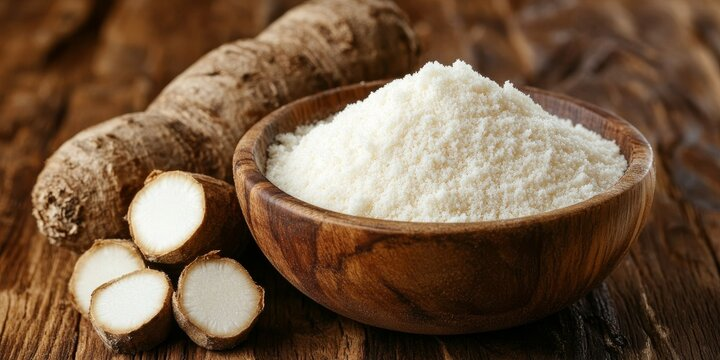
Beyond our focus on Tapyoka Unu, EFBA Agro International offers a comprehensive selection of agricultural commodities tailored for global markets. Each product category is handled with strict quality protocols, ensuring consistency from the point of harvest to export clearance. Our portfolio includes Arenga Palm Sugar (both molded and granulated), Candlenut (shelled and polished grades), Black Pepper, Vanilla Beans, Nutmeg, Cloves, Cocoa derivatives, and specialty natural ingredients sourced from Indonesia’s most productive agricultural zones. These commodities support various industries—from food and beverages to natural cosmetics, wellness, and industrial formulations.
The diversity of this portfolio allows buyers to consolidate multiple SKUs under one trusted supplier, significantly reducing logistical complexity and administrative workload. Companies that purchase Tapyoka Unu often expand their partnership with EFBA Agro once they recognize the operational advantages of working with a supplier capable of managing large-volume shipments, export documentation, container optimization, and consistent communication. Our website’s commodities section highlights each product’s specifications, applications, and export readiness, ensuring that buyers can evaluate options clearly before placing an order. By offering a multi-commodity ecosystem with modern, export-focused processes, EFBA Agro reinforces its commitment to supporting long-term growth for global manufacturers and distributors.
Sıkça Sorulan Sorular (SSS)
1. What makes Efba Agro a reliable supplier of Tapioca Flour?
Efba Agro, sıkı kaynak yönetimi, değirmenlerle doğrudan iş birliği ve ihracat standartlarında işleme süreçleriyle tutarlı kalite sağlar. Alıcılar, gıda ve endüstriyel uygulamalara uygun istikrarlı spesifikasyonlar elde eder.
2. Does Efba Agro provide documentation for Tapioca Flour export?
Evet. COA, MSDS, paketleme listeleri, fitosanitasyon belgeleri ve uluslararası gümrük ve liman düzenlemelerine uygun tüm ihracat evrakları sağlanmaktadır.
3. Can buyers request customized Tapioca Flour specifications?
Kesinlikle. Efba Agro; unun gıda üretimi veya endüstriyel formülasyonlarda kullanımına bağlı olarak granül boyutu, nem oranı ve doku gereksinimlerini özelleştirebilir.
4. What packaging options are available for Tapioca Flour?
Standart ihracat formatı 25 kg’lık çuvallardır; depo verimliliği, palet uyumu ve uzun mesafeli taşımada kontaminasyonsuz nakliye sağlamak amacıyla tercih edilmektedir.
5. Does Efba Agro offer other commodities besides Tapioca Flour?
Evet. Palmiye şekeri, vanilya, candlenut, muskat, karanfil, karabiber ve Endonezya genelinden temin edilen diğer doğal içerikleri içeren çeşitlendirilmiş bir portföy sunuyoruz.
6. How does Efba Agro support long-term procurement planning?
Kapasite, mevsimsel eğilimler ve tedarik öngörüleri konusunda şeffaflık sunarız. Bu sayede küresel alıcılar istikrarlı üretim programlarını sürdürebilir ve tedarik kesintilerinden kaçınabilir.
// Also Read:
Cascara Natural Tea Bulk Supplier 2025 from Indonesia – Coffeenesia Export Excellence!
Gayo Coffee 01 Single Origin Arabica Direct from Aceh By Coffeenesia!
Indonesian Coffee Beans 100% Fresh Origin!