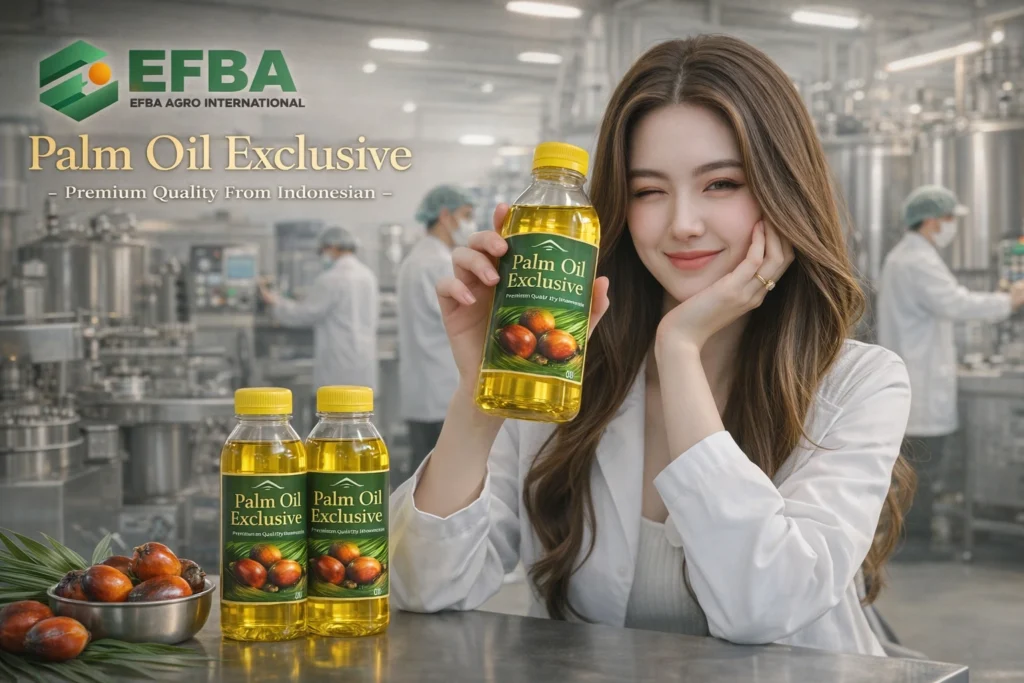
Buy Palm Oil today is no longer just about sourcing a commodity at the lowest price. It has evolved into a strategic decision that involves strict quality control, sustainability compliance, and traceability, especially for European markets. Importers across Europe now demand higher transparency and verified standards to ensure that palm oil products meet environmental, health, and ethical benchmarks. As a result, exporters must align their production and supply chains with these expectations to remain competitive.
Palm oil itself is one of the most widely used vegetable oils in the world, found in food, cosmetics, and industrial applications. Derived from the fruit of the oil palm tree, primarily cultivated in tropical regions such as Indonesia, it offers high yield efficiency compared to other vegetable oils. This makes it both economically valuable and widely debated due to environmental concerns.
Interestingly, alongside palm oil, Indonesia is also known for Arenga Palm Sugar, a natural sweetener derived from the sap of the Arenga palm tree. Both commodities highlight the richness of tropical agriculture and its global significance. While palm oil dominates industrial usage, Arenga Palm Sugar represents a more traditional, natural product with increasing international demand.
In this article, we will explore the essential quality standards required to successfully enter the European market, while also understanding the broader agricultural context including Arenga Palm Sugar as part of Indonesia’s premium export commodities.
İçindekiler
Buy Palm Oil? 3 Key Quality Standards for European Compliance
To successfully enter European markets, importers and exporters must align with three critical quality standards when they decide to Buy Palm Oil: sustainability certification, traceability, and product purity. These standards are not optional but mandatory for entering and maintaining access to the European Union.
First, sustainability certification plays a crucial role. Certifications such as RSPO (Roundtable on Sustainable Palm Oil) ensure that palm oil production does not contribute to deforestation, biodiversity loss, or exploitation of labor. European buyers increasingly require proof that the palm oil they import is sustainably sourced. Without this certification, products may face rejection or reduced market acceptance.
Second, traceability has become a defining factor in global trade. Buyers want to know exactly where the palm oil comes from, how it is processed, and whether it complies with environmental regulations. A transparent supply chain builds trust and reduces risks associated with illegal or unethical sourcing practices.
Third, product purity and quality consistency remain essential. European standards demand low levels of contaminants, proper refining processes, and consistent fatty acid composition. High-quality palm oil must meet food safety standards regulated by organizations such as the European Food Safety Authority.
In comparison, Arenga Palm Sugar also follows strict quality parameters when exported. Its natural processing, absence of chemicals, and rich mineral content make it highly attractive to health-conscious markets. Both commodities reflect how quality standards define global competitiveness. Ultimately, meeting these three standards ensures that palm oil products are not only accepted but preferred in European markets.
Origin and Agricultural Value
Understanding origin becomes essential for both quality assurance and marketing positioning when businesses choose to Buy Palm Oil in global trade. Palm oil is derived from the fruit of the Elaeis guineensis tree, which thrives in tropical climates with abundant rainfall and sunlight. Indonesia, as the world’s largest producer, plays a central role in global supply.
The cultivation process begins with planting oil palm seedlings, followed by a growth period of around three to four years before harvesting begins. Fresh fruit bunches are then processed quickly to maintain oil quality. This efficiency contributes to palm oil’s high productivity, producing more oil per hectare than any other vegetable oil crop.
Beyond its economic importance, palm oil remains deeply connected to rural livelihoods. Millions of smallholder farmers depend on palm oil cultivation for income. Therefore, sustainable practices support not only environmental protection but also local communities.
Parallel to this, Arenga Palm Sugar originates from the Arenga pinnata tree. Unlike palm oil, which is extracted from fruit, Arenga Palm Sugar is produced from the sap collected from the tree’s flower stalk. This traditional method involves tapping the tree, boiling the sap, and crystallizing it into natural sugar.
Arenga Palm Sugar stands out due to its unique characteristics:
- It has a low glycemic index compared to refined sugar
- It contains essential minerals such as potassium, magnesium, and zinc
- It offers a rich caramel-like flavor
These qualities make it a premium product in international markets, particularly in Europe and the United States where natural sweeteners are gaining popularity. Understanding the origin of both palm oil and Arenga Palm Sugar helps buyers appreciate their value beyond basic commodities.
Nutritional and Functional Benefits
Understanding nutritional value plays a key role when companies decide to Buy Palm Oil, especially for food and industrial applications. Palm oil contains a balanced composition of saturated and unsaturated fats, making it stable for cooking and large-scale processing.
Palm oil is rich in:
- Vitamin E (tocopherols and tocotrienols)
- Beta-carotene (especially in red palm oil)
- Healthy fatty acids
These components contribute to its oxidative stability and long shelf life. This explains why palm oil is widely used in frying, packaged goods, and processed food industries.
On the other hand, Arenga Palm Sugar offers a completely different nutritional advantage. It is often considered a healthier alternative to refined sugar due to its natural composition. Key nutrients found in Arenga Palm Sugar include:
- Potassium
- Magnesium
- Zinc
- Iron
- Calcium
- Phosphorus
- Vitamin B1 (Thiamine)
- Vitamin B2 (Riboflavin)
- Vitamin B3 (Niacin)
These nine nutrients make Arenga Palm Sugar not just a sweetener but also a source of essential micronutrients. Additionally, it contains antioxidants that help combat oxidative stress.
From a functional perspective, palm oil supports industrial versatility, while Arenga Palm Sugar fits perfectly into:
- Beverages such as coffee and tea
- Baking and confectionery
- Traditional and modern desserts
- Health-focused food products
This comparison highlights how both commodities serve different yet complementary roles in global markets, allowing businesses to target broader consumer segments effectively.
Export Strategy and Market Opportunities
Building a strong strategy becomes essential when companies plan to Buy Palm Oil for European trade, as the market demands strict compliance and competitive positioning. The European market offers significant opportunities for suppliers who consistently meet high standards.
One key approach involves emphasizing sustainability and transparency in marketing efforts. European consumers increasingly value environmental responsibility, and products that highlight ethical sourcing gain stronger acceptance. Certifications and traceability systems should not only be implemented but also clearly communicated.
Another important factor involves diversification. While palm oil remains a core commodity, integrating products like Arenga Palm Sugar into the portfolio strengthens business resilience. This strategy allows exporters to reach multiple market segments, including industrial buyers and health-conscious consumers.
Logistics and supply chain efficiency also play a critical role. Companies must ensure timely delivery, maintain product quality during transportation, and comply with all import regulations. These factors help build long-term partnerships with European buyers.
In conclusion, successful sourcing requires more than transactional thinking. Businesses must combine quality assurance, sustainability, and market awareness. By aligning with European standards and leveraging complementary products like Arenga Palm Sugar, exporters strengthen their global market position.
For trusted sourcing and premium agricultural commodities, connect with Efba Agro International: https://efbaagro.id/
Explore our full range of commodities: https://efbaagro.id/#commodities
Start your inquiry today via WhatsApp: https://wa.me/6285285469417
Sustainability Trends and Environmental Responsibility
Sustainability has become a central pillar in global trade, and businesses that plan to Buy Palm Oil must adapt quickly to evolving environmental expectations. European regulations continue to tighten, pushing exporters to demonstrate real commitments toward deforestation-free supply chains and ethical sourcing practices. As awareness grows, sustainability no longer acts as a competitive advantage alone but becomes a basic requirement for market entry.
Moreover, companies increasingly integrate Environmental, Social, and Governance frameworks into their operations. These frameworks help ensure that palm oil production minimizes environmental impact while supporting local communities. By adopting responsible land management practices, producers reduce carbon emissions and protect biodiversity, which aligns with European Green Deal objectives.
In addition, technological advancements now support sustainability efforts. Satellite monitoring, blockchain tracking, and digital certification systems allow businesses to verify sourcing practices with higher accuracy. These tools strengthen trust between suppliers and buyers, making it easier to validate compliance during transactions involving palm oil.
At the same time, Arenga Palm Sugar reflects a naturally sustainable alternative within the agricultural sector. Its production typically involves small-scale farming and traditional harvesting methods, which generate lower environmental impact compared to large industrial operations. This reinforces Indonesia’s position as a diverse supplier of both industrial and natural commodities.
As a result, companies that align sustainability with operational strategy not only meet compliance requirements but also build stronger brand value. Buyers in Europe increasingly prefer partners who demonstrate long-term environmental responsibility, making sustainability a critical factor in shaping future trade dynamics.
Quality Control and Processing Standards
Maintaining consistent quality control is essential when businesses decide to Buy Palm Oil for export, particularly for highly regulated markets such as Europe. Producers must ensure that every stage, from harvesting to refining, meets strict international standards to guarantee product safety and reliability.
Initially, quality control begins at the plantation level. Proper harvesting techniques ensure that only ripe fruit bunches are processed, which directly affects oil quality. Once harvested, the fruits must be transported quickly to processing facilities to prevent deterioration. This step is crucial because delays can increase free fatty acid levels, reducing overall product quality.
Furthermore, refining processes play a significant role in determining the final characteristics of palm oil. Modern refining techniques remove impurities, odors, and unwanted compounds while preserving essential nutrients. This ensures that the oil meets food-grade standards required by European regulators.
In addition, laboratory testing becomes a mandatory part of quality assurance. Producers must regularly test for contaminants, chemical composition, and stability. These tests confirm compliance with international food safety requirements and help maintain consistency across shipments.
Similarly, Arenga Palm Sugar undergoes careful processing to maintain its natural quality. The sap must be collected hygienically and processed promptly to prevent fermentation. Controlled heating techniques preserve its nutrients and unique flavor, ensuring it meets export standards.
Ultimately, strict quality control systems enable exporters to deliver reliable products. Consistency in quality not only satisfies regulatory requirements but also strengthens long-term relationships with international buyers.
Future Outlook and Global Demand Growth
Global demand continues to rise, creating new opportunities for businesses that aim to Buy Palm Oil as part of their long-term strategy. Population growth, urbanization, and increasing consumption of processed foods drive the need for versatile and cost-effective vegetable oils.
At the same time, emerging markets contribute significantly to demand expansion. While Europe maintains strict regulations, regions such as Asia, Africa, and the Middle East show growing consumption trends. This diversification allows exporters to balance regulatory challenges with broader market opportunities.
In parallel, innovation within the industry continues to shape future demand. Companies invest in research and development to improve yield efficiency, reduce environmental impact, and create value-added products. These innovations help maintain palm oil’s position as a dominant global commodity.
Additionally, consumer preferences are gradually shifting toward transparency and health-conscious products. This trend benefits not only palm oil producers who adopt sustainable practices but also complementary products like Arenga Palm Sugar. As natural sweeteners gain popularity, their demand increases in both developed and emerging markets.
Looking ahead, strategic collaboration between governments, producers, and buyers will play a crucial role in sustaining industry growth. Policies that support sustainability, fair trade, and innovation will determine how effectively the market evolves.
Indonesia strengthens its export position by combining experienced farmers, structured post-harvest systems, and established logistics networks. Buyers who prioritize traceability and long-term contracts often collaborate with professional suppliers who provide transparent documentation and quality assurance.
In conclusion, Arenga Palm Sugar demonstrates strong potential as a sustainable and versatile sweetener that meets modern demands. Its combination of tradition, nutrition, and environmental responsibility ensures that it will continue to play a significant role in the future of the global food industry.
Premium Arenga Palmiye Şekeri Kaynağına Hazır mısınız?
İşletmeniz için premium sınıf Arenga Palmiye Şekeri’ni keşfetmeye hazırsanız, bugün EFBA Agro ile doğrudan iletişime geçin. İhracat uzmanlarımız, aşağıdaki konuları görüşmek için hazırdır:
- Toplu Siparişler ve Özel Marka (Private Label) Hizmetleri
- Fiyatlandırma ve Nakliye Düzenlemeleri
- Uzun Vadeli İş Birliği Fırsatları
Let’s bring the natural sweetness of Indonesia to your global market.
EFBA Agro International’ı Keşfedin: Endonezya’nın En Seçkin Tarım Emtialarına Açılan Güvenilir Kapınız

EFBA Agro International, Endonezya’nın en güvenilir ve kalite odaklı doğal tarım ürünleri ihracatçılarından biri olarak istikrarlı bir şekilde kendini kanıtlamıştır. Dürüstlük, tutarlı tedarik ve güçlü çiftçi ortaklıkları temeli üzerine kurulan EFBA Agro, küresel pazar beklentilerini karşılayan premium sınıf emtialar sunmaya kendini adamıştır. Akıcı bir tedarik sistemi ve titiz kalite denetimi ile her sevkiyatın, Endonezya’nın doğal kaynaklarının zenginliğini ve uluslararası alıcıların talep ettiği profesyonelliği yansıtmasını sağlıyoruz. İzlenebilirlikten dokümantasyona kadar her detay hassasiyetle ele alınır; böylece müşterilerimiz hem iç huzurunu hem de olağanüstü ürün değerini elde eder.
Endonezya’nın tarımsal yapısına derinlemesine kök salmış bir şirket olarak, EFBA Agro, sürdürülebilir ve etik olarak hasat edilmiş hammaddeleri temin etmek için takımada genelindeki çiftçi topluluklarıyla yakın iş birliği yapmaktadır. Bu taahhüt, doğal tatlandırıcılar, baharatlar, nişastalar ve özel ürünleri eşsiz tutarlılıkla tedarik etmemizi sağlar. Alıcılar toplu miktar, perakende hazır ambalaj veya OEM ihracat standartları talep etsin, operasyonel yapımız farklı ihtiyaçları destekler ve dünya standartlarında kalite kontrol sağlar. Şeffaflık ve uzun vadeli iş birliği üzerine inşa edilen itibarıyla, EFBA Agro, Asya, Orta Doğu, Avrupa ve Amerika genelindeki varlığını güçlendirmeye devam etmektedir.
Indonesia’s Premium Export Collection: From Palm Oil to Tapioca, Coffee, Spices, and More
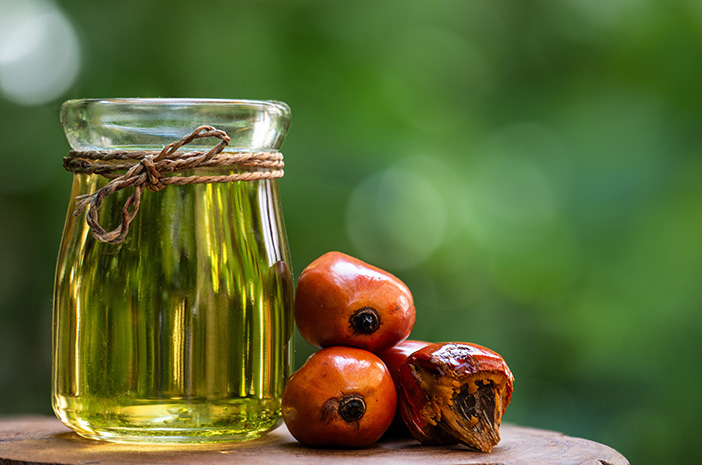
EFBA Agro International proudly offers a versatile selection of Indonesian commodities designed to meet the demands of global food, beverage, and industrial markets. Our flagship product, Buy Palm Oil, remains one of the most popular exports thanks to its natural caramel profile, eco-friendly production, and strong global demand. Beyond palm sugar, EFBA Agro supplies Food-Grade Tapioca Flour, a favorite ingredient for coating, bakery goods, gluten-free recipes, and industrial applications. We also provide a variety of premium Indonesian spices such as candlenut (kemiri), cloves, nutmeg, and black pepper, sourced directly from trusted farmers to guarantee freshness and purity.
Tatlandırıcılar ve baharatların yanı sıra, EFBA Agro, Gayo, Java ve Toraja menşeli özel sınıf Arabica ve Robusta kahve ürünleri ile alıcıları destekler. Her emtia, sıkı işleme prosedürleri, standartlaştırılmış nem kontrolü, uygun ambalaj seçenekleri ve ihracata hazır dokümantasyon ile yönetilir. Bu çeşitli portföy sayesinde, EFBA Agro International, küresel sahnede sürdürülebilir ve yüksek kaliteli Endonezya tarım ürünleri arayan işletmeler için kapsamlı bir tek durak çözüm hâline gelir.
FAQ Buy Palm Oil
- What documents are required to Buy Palm Oil for Europe?
Importers must prepare certificates such as RSPO, health certificates, certificate of origin, and laboratory test reports to ensure compliance with European regulations and smooth customs clearance processes. - How long does it take to ship palm oil to Europe?
Shipping duration usually ranges from 25 to 45 days depending on the destination port, shipping route, and logistics efficiency from the exporting country. - Can small businesses Buy Palm Oil in bulk quantities?
Yes, many suppliers provide flexible minimum order quantities, allowing small and medium enterprises to access bulk purchasing options with competitive pricing. - What packaging is used for exporting palm oil?
Palm oil is typically exported using flexitanks, drums, or ISO tanks, depending on buyer requirements and shipping conditions to maintain product quality. - How is palm oil quality tested before export?
Quality is tested through laboratory analysis, checking parameters like free fatty acid levels, moisture content, and impurities to meet international standards. - Why is traceability important when importing palm oil?
Traceability ensures transparency in sourcing, helping buyers verify sustainability claims and comply with strict European import regulations.