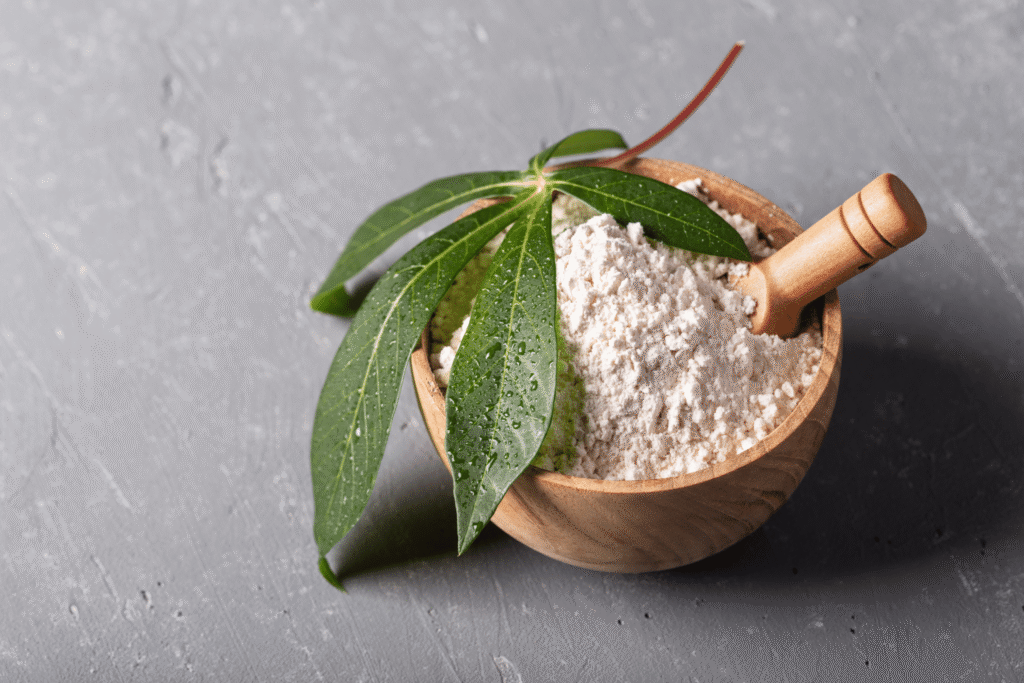

Cassava Flour stands among the most widely recognized plant based ingredients derived from tropical root crops. This flour originates from the cassava root, a resilient agricultural plant cultivated for centuries in warm climates across several continents. Because cassava naturally contains around eighty two percent carbohydrates, the root has become an essential energy source for millions of people who depend on staple crops to support daily nutrition and food security.
Across many cultures, cassava roots have served as a foundation of traditional cuisine as well as a reliable food reserve during challenging agricultural seasons. Farmers value cassava because the plant tolerates drought conditions and grows successfully in soils where other crops often struggle. These qualities allow cassava cultivation to support both subsistence farming and modern agricultural supply chains.
Today, interest in cassava based ingredients continues to grow as global consumers explore alternative flours that support gluten free diets and plant based food innovation. Understanding the origin, characteristics, nutritional composition, and culinary versatility of cassava helps explain why this root crop remains one of the most important agricultural resources in the tropical world.
Origins and Early Cultivation of the Cassava Plant
Long before cassava became a globally recognized crop, indigenous communities in South America already cultivated the plant as a primary food source. Archaeological research indicates that early agricultural societies in regions now identified as Brazil and Paraguay domesticated cassava thousands of years ago. Farmers valued the plant because it produced large starchy roots capable of sustaining families for long periods of time. Through careful selection and cultivation practices, communities gradually developed cassava varieties that adapted well to tropical climates and seasonal rainfall patterns.
As maritime exploration expanded during the fifteenth and sixteenth centuries, traders and explorers transported cassava plants across oceans to new territories. Portuguese merchants introduced cassava cultivation to West Africa where the crop quickly became integrated into local agricultural systems. From Africa, cassava later spread into Southeast Asia where farmers discovered that the plant thrived in similar tropical conditions. Over generations, the cassava root evolved into one of the most important food staples in regions that relied heavily on dependable carbohydrate sources.
Agricultural organizations now recognize cassava as a crucial crop for global food resilience. The Food and Agriculture Organization reports that cassava production supports hundreds of millions of people in developing regions. While the root itself can be consumed in various traditional preparations, communities also transform the dried root into cassava flour because the powdered form stores longer and travels more easily through regional markets and food distribution networks.
Botanical Characteristics and Natural Features of Cassava Roots
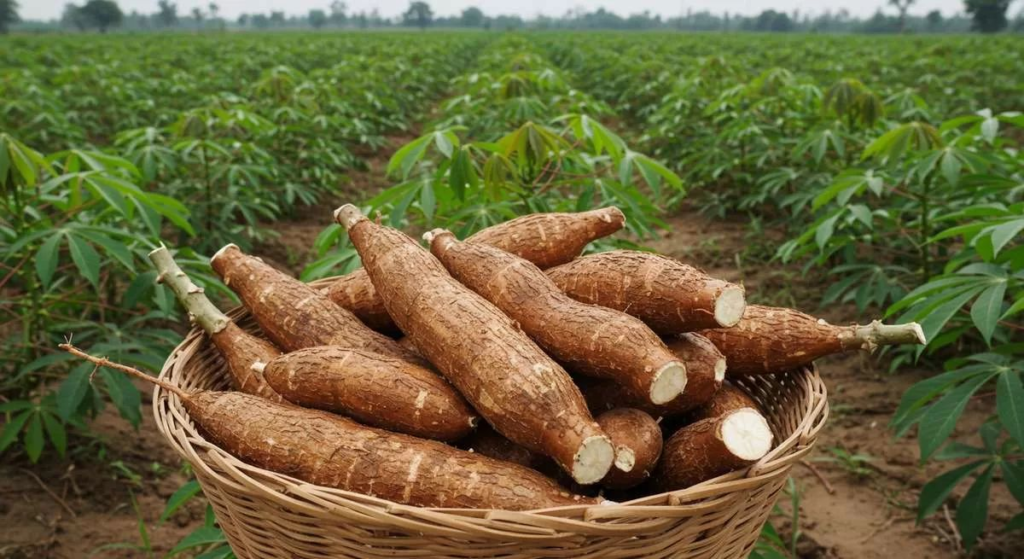
The cassava plant grows as a woody shrub that typically reaches heights between two and three meters. Large palmate leaves spread outward from slender stems, giving the plant a distinctive star shaped foliage pattern. Beneath the soil surface, thick tuberous roots develop along the plant’s base. These roots store high concentrations of starch that provide the plant with energy reserves and ultimately supply nourishment for human consumption.
Fresh cassava roots display a rough brown exterior skin that protects the firm inner flesh. When cut open, the interior appears bright white or slightly cream colored depending on the plant variety. The dense texture of the root indicates the high starch concentration that later contributes to the flour’s structure and functionality. Because cassava roots contain this large starch reserve, the plant produces a valuable food ingredient that supports both household cooking and food manufacturing.
Environmental adaptability represents another remarkable trait of the cassava plant. The crop grows successfully in soils with relatively low fertility and tolerates periods of drought better than many cereal crops. These characteristics make cassava an important agricultural solution in tropical regions where climate conditions often challenge farmers. When producers dry and mill the harvested roots into cassava flour, the resulting powder maintains the natural starch properties that allow cooks and bakers to create diverse food textures.
Nutritional Composition and Energy Value of Cassava
Cassava roots provide a concentrated source of dietary carbohydrates that supply energy for daily human activity. In many tropical regions where physical labor remains a major part of agricultural life, carbohydrate rich foods help maintain stamina throughout the day. The high starch content found in cassava roots allows people to prepare meals that provide sustained energy while remaining relatively affordable and accessible.
Although carbohydrates form the majority of cassava’s nutritional profile, the root also contains smaller amounts of important nutrients. Dietary fiber supports digestive health by assisting normal intestinal movement and helping maintain balanced gut function. Minerals such as potassium, magnesium, and calcium also occur naturally in cassava roots, contributing to the overall nutritional value of the crop.
Additionally, cassava contains modest levels of vitamin C and several B vitamins that support metabolic processes in the body. While some nutrients may decrease slightly during drying and milling, many beneficial components remain present in the flour. These qualities make cassava flour a useful ingredient in diets that emphasize simple plant derived foods.
Because cassava does not contain gluten proteins, the flour produced from dried roots has gained popularity among individuals seeking alternatives to wheat based ingredients. The gluten free nature of cassava flour allows people with gluten sensitivity or celiac disease to prepare baked foods without triggering digestive discomfort. As awareness of specialized diets continues to expand, cassava flour increasingly appears in recipes designed for health conscious consumers.
Agricultural Importance and Global Food Security Role
Beyond its culinary value, cassava holds strategic importance within global agricultural systems. Farmers rely on cassava cultivation because the plant survives environmental stresses that would normally threaten food supply stability. In regions where rainfall patterns fluctuate or soil fertility remains limited, cassava fields often continue producing harvestable roots even when other crops fail.
This resilience contributes significantly to food security in many developing countries. Families who maintain cassava plots can harvest roots when needed rather than depending entirely on seasonal grain production. The ability to store cassava roots temporarily in the soil also allows farmers to harvest gradually, reducing post harvest loss and ensuring consistent food availability.
Agricultural researchers continue studying cassava to improve yields, disease resistance, and environmental sustainability. Modern breeding programs seek to develop cassava varieties that produce larger roots while maintaining tolerance to drought and pests. By strengthening these characteristics, scientists hope to expand cassava’s role as a dependable crop in regions facing climate related agricultural challenges.
International organizations recognize cassava as a crop that supports both smallholder farmers and larger agricultural markets. The plant’s adaptability enables cultivation across Africa, Asia, and Latin America, creating opportunities for rural economic development. When processed into cassava flour, the product becomes easier to store, distribute, and incorporate into various food industries that depend on reliable plant based ingredients.
Health Benefits and Dietary Advantages of Cassava
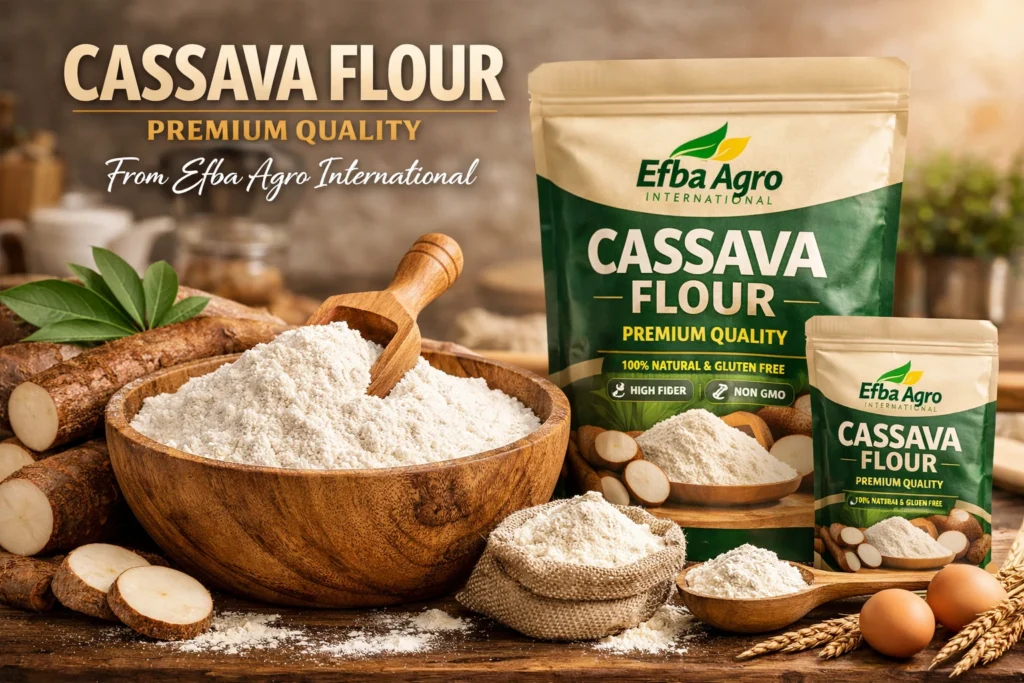
Many nutrition researchers highlight the health potential of cassava based foods because the root offers dependable energy while remaining naturally free from gluten proteins. In regions where wheat based products dominate daily diets, some individuals experience digestive discomfort linked to gluten intolerance. For these consumers, ingredients derived from cassava roots provide an appealing alternative that allows them to prepare familiar foods without relying on traditional grain flour. Bakers often integrate cassava flour into recipes for breads, pancakes, tortillas, and pastries because the ingredient produces a soft structure and neutral flavor that blends well with other components. As a result, households can maintain diverse menus while adapting meals to different dietary needs.
At the same time, cassava contributes valuable carbohydrates that fuel the body’s daily activities. Human metabolism converts the starch stored in cassava roots into glucose, which supports physical endurance and mental focus. Communities in tropical agricultural regions frequently depend on carbohydrate rich meals to sustain long working hours in fields or markets. Cassava based foods therefore serve an important nutritional purpose by helping maintain consistent energy levels throughout the day. Additionally, the moderate fiber content in cassava roots assists digestive balance, encouraging smoother intestinal movement and contributing to a sense of satiety after meals.
Another advantage of cassava based ingredients lies in their compatibility with modern plant based eating patterns. As consumers increasingly explore diets centered around vegetables, fruits, legumes, and roots, cassava flour provides a versatile foundation for numerous recipes. Cooks can combine the flour with vegetables, herbs, spices, and plant proteins to create satisfying meals that remain simple and naturally sourced. Consequently, cassava based foods continue to gain recognition among nutrition minded communities seeking practical ingredients that align with balanced, plant focused diets.
Culinary Traditions and Global Cassava Foods
Across continents, cassava roots have inspired a remarkable diversity of culinary traditions that reflect local ingredients, cooking techniques, and cultural heritage. In many South American regions, households transform cassava roots into dishes that highlight the natural starch content and subtle flavor of the plant. Brazilian cuisine, for example, features preparations such as farinha and pão de queijo, where ground cassava creates a distinctive texture that pairs well with cheese, meats, and regional seasonings. These recipes demonstrate how traditional cooks have refined cassava preparation techniques through generations of experimentation and cultural exchange.
Meanwhile, African cuisines also incorporate cassava into daily meals that support family nutrition and social gatherings. In West and Central Africa, cooks often prepare thick dough like staples that accompany stews rich in vegetables, fish, or meat. The dough absorbs the flavors of accompanying sauces, creating a balanced meal that provides both energy and nourishment. Through this culinary approach, cassava becomes more than a simple ingredient; it acts as a foundation that connects various components of the meal into a unified dining experience shared among family members.
Moving eastward, Southeast Asian cuisines further demonstrate the adaptability of cassava roots in both savory and sweet dishes. In Indonesia, Thailand, and neighboring countries, cassava based ingredients frequently appear in traditional snacks, steamed cakes, and desserts. The starch present in cassava allows cooks to achieve smooth textures and gentle sweetness when combined with coconut milk, palm sugar, or tropical fruits. Consequently, cassava continues to bridge traditional cooking practices with modern culinary creativity as chefs reinterpret classic dishes for contemporary tastes.
Cultural Significance of Cassava in Traditional Communities
Beyond its nutritional and culinary value, cassava carries deep cultural significance for many societies that have relied on the crop for centuries. Agricultural traditions surrounding cassava cultivation often reflect local knowledge passed from one generation to the next. Farmers carefully select planting stems, monitor rainfall patterns, and harvest roots according to seasonal rhythms that align with community life. Through these practices, cassava farming becomes an activity that connects families with the land while reinforcing shared cultural identity.
In numerous rural communities, cassava also plays a role in social events and traditional celebrations. Harvest periods sometimes coincide with communal gatherings where neighbors work together to collect roots and prepare large meals. These gatherings strengthen relationships within the community while ensuring that food resources are distributed fairly among households. As a result, cassava cultivation contributes not only to physical nourishment but also to the social cohesion that supports resilient communities.
Furthermore, cassava based foods frequently appear in cultural ceremonies, festivals, and regional markets that celebrate local heritage. Vendors display cassava derived products alongside other agricultural goods, creating vibrant marketplaces where people exchange food, stories, and traditions. Through these interactions, cassava continues to symbolize stability, cooperation, and cultural continuity across generations. Even as modern agricultural technologies evolve, many communities maintain respect for the traditional knowledge that allowed cassava cultivation to flourish for thousands of years.
Modern Food Innovation and Cassava Based Products
In recent decades, the global food industry has shown increasing interest in cassava derived ingredients as consumers search for alternatives to conventional grain based products. Food scientists recognize that the natural starch composition of cassava roots allows manufacturers to develop a wide range of innovative products. From gluten free baking mixes to plant based snacks, cassava flour now appears in numerous commercial foods designed for diverse dietary preferences.
One reason for this growing popularity lies in the ingredient’s neutral flavor profile. Unlike some alternative flours that carry strong tastes, cassava flour blends easily with other components without dominating the final dish. This quality allows food developers to incorporate cassava into breads, crackers, pasta alternatives, and even breakfast foods while maintaining familiar textures and flavors. As companies continue experimenting with cassava based formulations, the ingredient demonstrates impressive versatility within modern culinary innovation.
In addition, cassava derived products align well with the broader trend toward minimally processed foods. Many consumers today prefer ingredients that originate directly from plants rather than complex industrial processes. Because cassava flour can be produced simply by drying and milling cassava roots, the resulting ingredient maintains a straightforward production story that appeals to transparency minded buyers. Consequently, both small artisanal producers and large food manufacturers increasingly explore cassava as a sustainable base for future food products.
Ecological Sustainability of Cassava Agriculture

Environmental sustainability represents another key factor that strengthens cassava’s importance within global agriculture. Compared with many cereal crops, cassava demonstrates remarkable tolerance to variable weather conditions, including periods of drought and irregular rainfall. This adaptability enables farmers to maintain harvestable crops even when climate patterns become unpredictable. As a result, cassava cultivation often requires fewer intensive agricultural inputs than crops that demand constant irrigation or highly fertile soil.
Moreover, cassava farming can contribute to sustainable land use when managed responsibly. The plant’s deep root system helps stabilize soil structure and reduce erosion in sloped or marginal farmland. Farmers who rotate cassava with other crops may also improve soil health over time by balancing nutrient cycles and preventing excessive depletion of farmland resources. These ecological advantages make cassava cultivation particularly valuable in tropical regions where environmental preservation remains closely connected to agricultural survival.
Researchers continue exploring ways to enhance cassava productivity while protecting surrounding ecosystems. Agricultural programs frequently focus on improved planting methods, disease resistant varieties, and sustainable soil management techniques. By combining traditional farming knowledge with modern scientific research, communities can strengthen cassava production while minimizing environmental impact. In this way, cassava agriculture offers a pathway toward food systems that balance productivity with long term ecological responsibility.
Sonuç
The global story of cassava illustrates how a humble root crop can shape food traditions, support agricultural communities, and inspire modern culinary innovation. From its ancient origins in South America to its widespread cultivation across Africa and Asia, cassava has remained a dependable food source for millions of people who rely on resilient crops to sustain daily life. The plant’s ability to thrive in diverse climates, combined with its high carbohydrate content and versatile culinary applications, explains why cassava continues to occupy an important place within global agriculture.
As interest in plant based ingredients and gluten free foods grows, cassava flour increasingly attracts attention from chefs, nutrition experts, and food manufacturers alike. Its neutral taste, adaptable texture, and simple production process make it suitable for countless recipes ranging from traditional village meals to contemporary baked goods. At the same time, cassava cultivation supports rural livelihoods and contributes to food security in regions where reliable staple crops remain essential for community stability.
Understanding cassava therefore means recognizing more than just an agricultural commodity. The plant represents centuries of human ingenuity, cultural heritage, and adaptation to challenging environments. Through continued research, responsible farming, and thoughtful culinary exploration, cassava based ingredients will likely remain a valuable part of global food systems for generations to come.
EFBA Agro International: Kalite, Dürüstlük ve Uzun Vadeli İş Birliği Üzerine Kurulu Küresel Bir Tedarikçi

EFBA Agro International EFBA Agro International, dünya genelindeki gıda üreticilerine, distribütörlere ve endüstriyel şirketlere hizmet veren, Endonezya’nın en güvenilir tarımsal ihracatçılarından biri haline gelmiştir. Şeffaflık, kalite güvencesi ve uzun vadeli iş birliği temeli üzerine kurulan EFBA Agro, küresel tedarik zincirlerinin değişen ihtiyaçlarını desteklemek üzere tasarlanmış bir emtia portföyü sunar. Gıda üretimi veya endüstriyel uygulamalarda Manyok Unu’na temel bir bileşen olarak güvenen alıcılar için EFBA Agro, yalnızca tutarlı kalite değil, aynı zamanda her sevkiyatın uluslararası standartları karşıladığına dair güven de sağlar. Kaynak ağımız Endonezya’nın birden fazla tarımsal bölgesine yayılmıştır ve alıcılara istikrarlı üretim, net dokümantasyon ve küresel satın alma sistemleriyle uyumlu ihracata hazır ambalajlar sunar. Toptan Manyok as a core ingredient in food production or industrial applications, EFBA Agro provides not only consistent quality but also the confidence that every shipment meets international standards. Our sourcing network spans multiple agricultural regions in Indonesia, giving buyers access to stable production, clear documentation, and export-ready packaging that aligns with global procurement systems.
EFBA Agro’yu farklı kılan unsur, işleyiciler, değirmenler ve çiftçi gruplarıyla doğrudan iş birliğine olan bağlılığımızdır. Bu yaklaşım, hammadde seçimi, işleme teknikleri ve kalite kontrol kriterleri üzerinde tam görünürlük sağlar. Manyok Unu en güçlü ihracat kategorilerimizden biri olmaya devam ederken, daha geniş bir endüstri yelpazesini destekleyen çeşitlendirilmiş bir emtia hattı geliştirmeye de eşit derecede önem veriyoruz. İhracat operasyonlarımız güvenilirlik, iletişim ve proaktif bilgilendirmeleri vurgular; bu da alıcıların önceden planlama yapmasına ve tedarik kesintilerinden kaçınmasına yardımcı olur. EFBA Agro kendini yalnızca bir tedarikçi olarak değil, birden fazla ürün kategorisinde uzun vadeli satın alma planlamasını destekleyebilen stratejik bir ortak olarak konumlandırır.
EFBA Agro’nun Tüm Emtia Portföyü: Manyok Unu’ndan Premium Baharatlara ve Doğal İçeriklere
Manyok Unu odağımızın ötesinde, EFBA Agro International küresel pazarlara yönelik kapsamlı bir tarımsal emtia seçkisi sunar. Her ürün kategorisi, hasattan ihracat işlemlerine kadar tutarlılığı sağlamak için sıkı kalite protokolleriyle yönetilir. Portföyümüz Arenga Palmiye Şekeri (kalıplı ve granül), Candlenut (kabuklu ve parlatılmış kalite), Karabiber, Vanilya Çubukları, Muskat, Karanfil, Kakao türevleri ve Endonezya’nın en verimli tarım bölgelerinden temin edilen özel doğal içerikleri kapsar. Bu emtialar, gıda ve içeceklerden doğal kozmetiklere, wellness ve endüstriyel formülasyonlara kadar çeşitli sektörleri destekler.
Bu portföy çeşitliliği, alıcıların birden fazla SKU’yu tek bir güvenilir tedarikçi altında birleştirmesine olanak tanır ve lojistik karmaşıklığı ile idari iş yükünü önemli ölçüde azaltır. Manyok Unu satın alan şirketler, büyük hacimli sevkiyatları, ihracat dokümantasyonunu, konteyner optimizasyonunu ve tutarlı iletişimi yönetebilen bir tedarikçiyle çalışmanın operasyonel avantajlarını fark ettiklerinde genellikle EFBA Agro ile ortaklıklarını genişletir. Web sitemizdeki emtialar bölümü, her ürünün spesifikasyonlarını, kullanım alanlarını ve ihracata hazır durumunu vurgular; böylece alıcılar sipariş vermeden önce seçenekleri net şekilde değerlendirebilir. Modern ve ihracat odaklı süreçlerle çoklu emtia ekosistemi sunarak EFBA Agro, küresel üreticiler ve distribütörler için uzun vadeli büyümeyi destekleme taahhüdünü pekiştirir.
Direct consultation and pricing, feel free to contact us via WhatsApp and discuss your Cassava Flour requirements with our team.
FAQ Cassava Flour
1. How does Cassava Flour differ from tapioca starch in cooking?
Although both products come from cassava roots, they behave differently in recipes. Cassava Flour uses the whole dried root that producers grind into fine powder, so it retains natural fiber and a slightly earthy flavor. Tapioca starch, however, comes only from the extracted starch portion of the root. As a result, cassava flour works better as a direct wheat flour substitute in many recipes, while tapioca starch mainly acts as a thickener that improves texture in sauces, desserts, and gluten free baking blends.
2. Why do farmers consider cassava a resilient agricultural crop?
Farmers value cassava flour because the plant adapts well to difficult growing environments. It tolerates drought, survives in relatively poor soils, and still produces harvestable roots when other crops struggle. In addition, cassava stores energy inside its roots, allowing farmers to harvest gradually over time instead of immediately after maturity. This flexibility helps rural communities maintain food availability during unpredictable climate conditions.
3. How long can cassava roots and cassava flour be stored safely?
Fresh cassava roots spoil quickly once harvested because natural enzymes begin breaking down the tissue. For this reason, farmers usually process the roots within a few days. Drying and milling the roots into cassava flour significantly extends shelf life. When stored in a cool, dry environment inside sealed containers, cassava flour can remain usable for many months without losing quality.
4. Which traditional foods commonly use cassava flour around the world?
Different regions prepare cassava flour in unique ways depending on local food traditions. In parts of Africa, cooks prepare thick staple dishes such as fufu or ugali by mixing cassava flour with hot water. South American cuisine includes cassava based breads and toasted flour dishes. Meanwhile, Southeast Asian desserts often combine cassava flour with coconut milk, palm sugar, or fruit to create soft cakes and sweet snacks.
5. What environmental advantages does cassava cultivation provide?
Cassava agriculture often requires fewer external inputs than many other crops. Because the plant grows successfully in marginal soils and tolerates dry conditions, farmers may reduce irrigation and fertilizer use. Additionally, cassava’s deep root system helps stabilize soil structure and prevent erosion in certain landscapes. These characteristics allow cassava farming to support agricultural production in regions where intensive crop systems would be difficult to maintain.