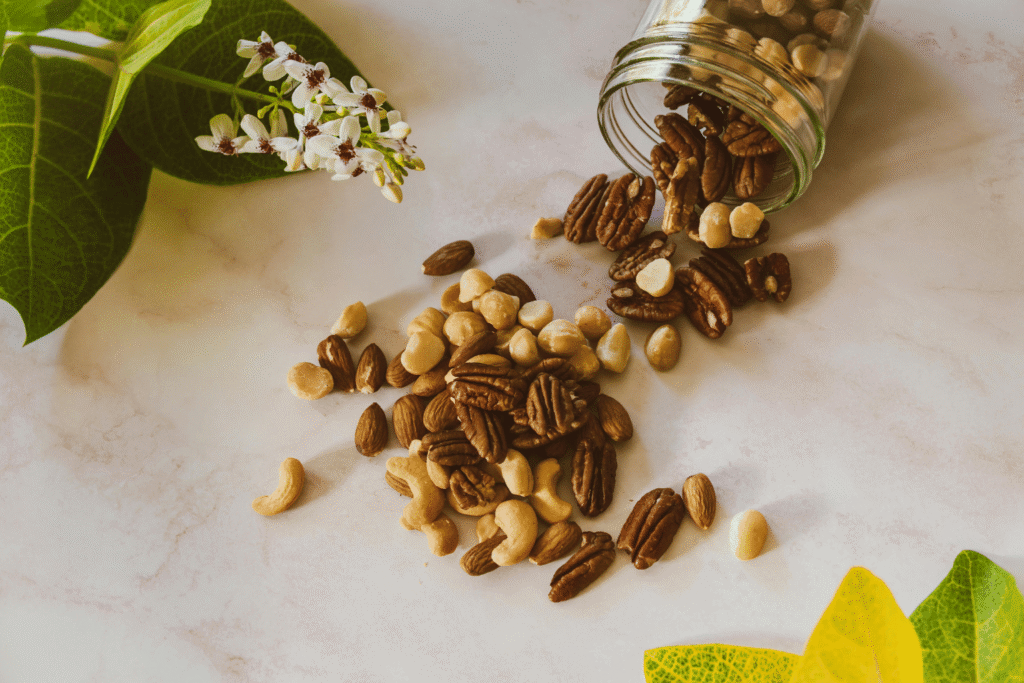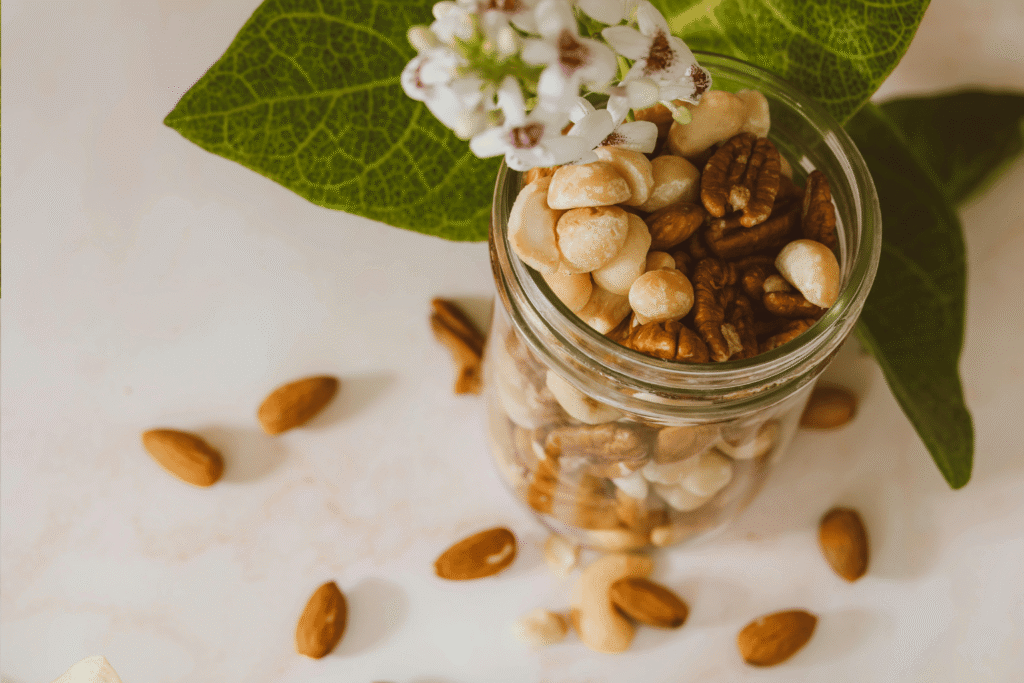
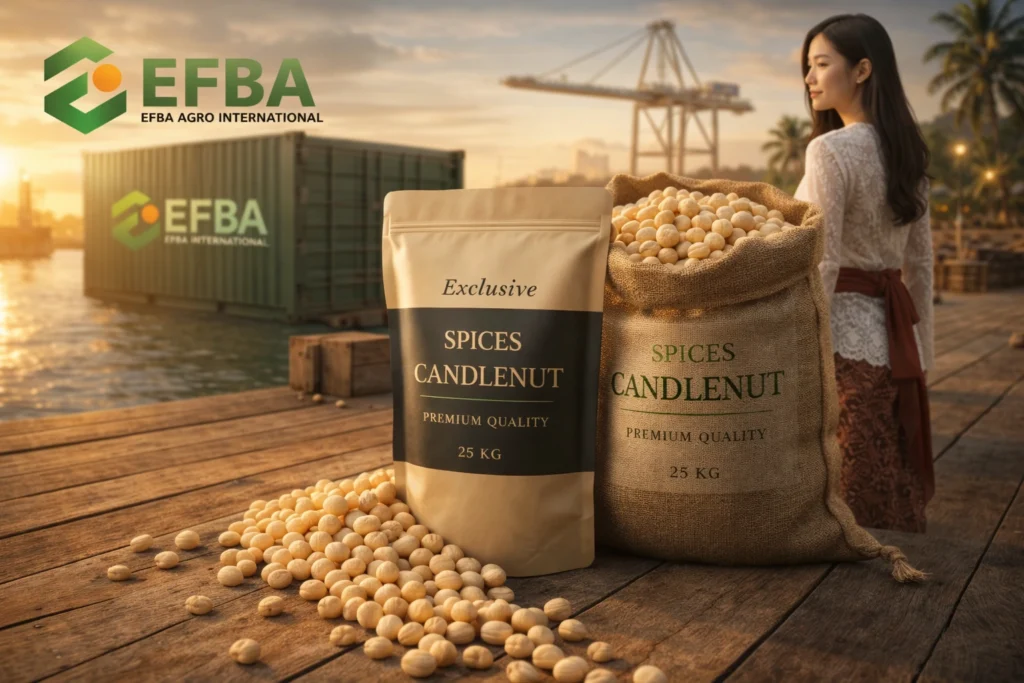
Spices Candlenut stands as one of the most valued natural ingredients in traditional and modern kitchens due to its rich fat content, mild aroma, and versatile applications. Originating from tropical regions, this nut plays a vital role not only in culinary traditions but also in nutrition, wellness, and sustainable agriculture. As global interest in plant based fats continues to rise, this ingredient attracts attention for its heart friendly profile, functional benefits, and cultural importance. This article explores the topic in depth, covering its definition, origin, unique characteristics, nutritional composition, health benefits, and diverse uses in food and beyond.
Spices Candlenut Definition and Botanical Origin
The term refers to the edible seed of the Aleurites moluccanus tree, a plant that grows widely across Southeast Asia, the Pacific Islands, and parts of South Asia. This tree thrives in warm climates with well drained soil and steady rainfall, which explains its abundance in tropical regions. Historically, communities cultivated candlenut trees not only for food but also for oil, lighting, and traditional remedies. Over time, the ingredient gained recognition as a staple spice component due to its subtle flavor and creamy texture.
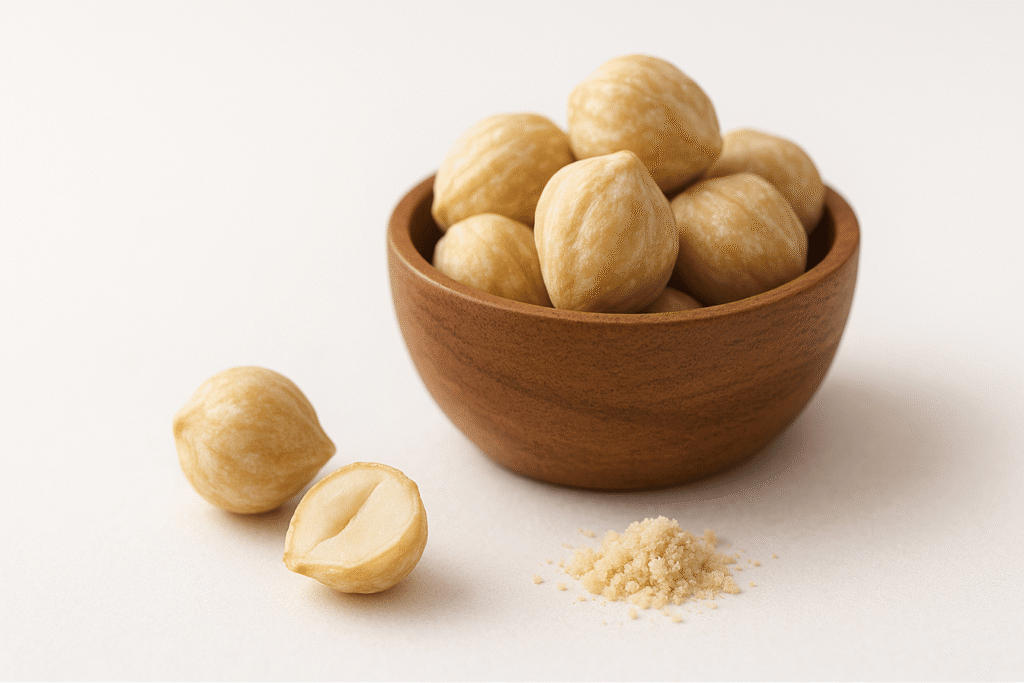
From a botanical perspective, the candlenut tree belongs to the Euphorbiaceae family. Farmers harvest the mature fruits, dry them carefully, and extract the inner kernel that becomes a widely used culinary element. Unlike many nuts, raw candlenut contains compounds that require proper cooking before consumption, so traditional knowledge plays an essential role in safe preparation. Culinary cultures across Indonesia, Malaysia, and Polynesia rely on this nut as a thickening agent and flavor enhancer rather than a dominant taste.
In global trade, the product appears in whole, crushed, or powdered form. Each format supports different culinary needs, from spice pastes to sauces. As international demand grows, producers now emphasize quality control, moisture balance, and proper processing. Consequently, this tropical nut continues to evolve from a regional staple into a globally appreciated natural ingredient with strong cultural roots.
Spices Candlenut Unique Characteristics and Sensory Profile
This ingredient offers a distinctive combination of texture, aroma, and functionality that sets it apart from other nuts and spices. Visually, the nut features a pale ivory color with a smooth, slightly oily surface once processed. When ground, it releases a creamy consistency that blends seamlessly into sauces and pastes. This texture allows the ingredient to act as a natural emulsifier, which explains its popularity in rich dishes.
In terms of aroma, the nut delivers a mild nutty scent rather than a sharp or spicy note. This subtle fragrance allows it to complement strong spices such as chili, turmeric, or garlic without overpowering them. Flavor wise, it contributes richness and depth instead of sweetness or bitterness. As a result, chefs and home cooks use this component to balance complex spice blends.
Another defining characteristic involves its high natural oil content, which reaches approximately 55 percent. This fat content gives dishes a smooth mouthfeel while supporting stable cooking results. Unlike artificial thickeners, the ingredient enhances texture naturally. Additionally, its neutral profile suits both savory and mildly sweet preparations.
From a functional standpoint, it performs consistently under heat. It resists breaking down too quickly, so sauces maintain body throughout cooking. Because of these combined sensory and functional qualities, the nut holds a unique position among natural spice ingredients worldwide.
Spices Candlenut Nutritional Composition and Natural Fats
The ingredient provides a dense nutritional profile dominated by healthy plant based fats. Approximately 55 percent of its composition consists of natural oils, primarily unsaturated fatty acids. These fats support balanced energy intake and contribute to heart friendly diets when consumed in appropriate amounts. Unlike processed fats, the oils in this nut remain free from trans fats and artificial additives.
Beyond fats, it contains moderate levels of protein that assist in tissue maintenance and metabolic functions. Although it does not serve as a primary protein source, it complements plant based meals effectively. The nut also supplies dietary fiber, which supports digestion and helps regulate nutrient absorption.
Micronutrients play an equally important role. This ingredient includes minerals such as magnesium, phosphorus, and potassium. These minerals contribute to muscle function, bone health, and electrolyte balance. Additionally, trace elements support enzymatic processes within the body. Vitamins present include small amounts of vitamin E, which acts as a natural antioxidant.
Because of this nutritional composition, the nut aligns well with whole food focused diets. It supports traditional cooking practices that emphasize balance rather than excess. When used responsibly, it contributes richness and nourishment without relying on refined ingredients.
Spices Candlenut Health Benefits and Functional Uses
This natural ingredient delivers several health related benefits due to its fat profile and micronutrient content. First, its unsaturated fats support cardiovascular wellness by helping maintain balanced cholesterol levels. Many traditional cuisines rely on the nut as a substitute for heavier animal fats, which aligns with modern nutritional recommendations.
Second, the natural oils support skin and hair health when included in balanced diets. Historically, communities also applied candlenut oil topically, which highlights its versatility beyond food. Internally, these oils assist nutrient absorption, especially for fat soluble vitamins.
Digestive support also appears among its benefits. The fiber content encourages smoother digestion and promotes gut comfort. When combined with fiber rich vegetables and grains, it contributes to satisfying meals that sustain energy levels.
From a functional perspective, the ingredient enhances satiety. Its richness helps reduce excessive calorie intake by promoting fullness. As a result, many traditional dishes achieve depth and satisfaction without large portions.
Culturally, people have long associated the nut with balance and nourishment. While modern science continues to explore its full potential, existing knowledge already confirms its role as a supportive, natural ingredient in health conscious cooking.
Spices Candlenut Culinary Applications and Processing
This versatile component plays a central role in many culinary traditions due to its adaptability. In Southeast Asian cooking, chefs grind it into spice pastes that form the base of curries, stews, and sauces. These pastes rely on the nut to create body and cohesion, allowing flavors to blend harmoniously.
In Indonesian cuisine, for example, cooks use it in dishes such as rendang and various vegetable stews. Its creamy texture replaces dairy while maintaining richness. Polynesian and Pacific Island recipes also use candlenut to enrich sauces and ceremonial dishes.
Processing methods influence final quality significantly. Producers dry the nuts carefully to prevent spoilage and preserve oil stability. After shell removal, processors sort and clean the kernels before packaging. Some markets prefer whole nuts, while others demand powdered forms for convenience.
Beyond savory cooking, the ingredient also supports modern plant based recipes. Chefs experiment with it in spreads, sauces, and alternative cream bases. Because it blends well with herbs and spices, it adapts easily to contemporary global cuisine. This versatility ensures the nut remains relevant across generations and culinary styles.
https://wa.me/6285285469417 Ortaklık fırsatlarını görüşmek ve Toptan Mum Cevizi (Candlenut) portföyünüzü geliştirmek için.
Aşağıdaki Toptan Mum Cevizi (Candlenut) yazılarını da okuyun!
EFBA Agro International: Endonezya’nın En Seçkin Tarımsal Ürünlerine Açılan Güvenilir Kapınız

EFBA Agro International stands as a premier export company dedicated to delivering Indonesia’s most valuable agricultural resources to global markets. With a strong commitment to quality, sustainability, and ethical sourcing, we operate as a bridge between Indonesia’s fertile lands and international buyers seeking premium-grade natural products.
Our expertise extends far beyond the supply chain of Toptan Baharatlar: Mum Cevizi (Candlenut)s; it encompasses an integrated export ecosystem built on transparency, farmer empowerment, and global-standard processing. EFBA Agro International is recognized not only for providing premium Toptan Baharatlar: Mum Cevizi (Candlenut)s but also for offering a diversified portfolio of Indonesian agricultural commodities.
Our philosophy is rooted in protecting Indonesia’s rich biodiversity while supporting sustainable livelihoods for local communities. By integrating technology-driven logistics, export-ready packaging, and quality control at every step, we position ourselves as a trusted partner for global importers seeking reliable, ethically produced, and high-value agricultural commodities.
Bir Diğer: Küresel İthalatçılar Neden Efba Agro’ya Güveniyor?
Efba Agro tarafından desteklenen platform, Endonezya çiftçilerini şeffaf ve verimli bir ihracat sistemi aracılığıyla küresel alıcılarla buluşturur. Ağımız, mum cevizi, palmiye şekeri ve tapioka unu gibi başlıca emtiaları öne çıkararak, izlenebilirlik, tazelik ve sürdürülebilirlik sağlar. Bizimle ortaklık yapmak, her adımda premium kalite, adil fiyatlandırma ve profesyonel ihracat desteği almanız anlamına gelir.
Endonezya'dan toptan mum ağacı fıstığı baharatı tedarik etmeye hazır mısınız?
Ortak Olun Efba Agro bugün, küresel ithalatçılar tarafından güvenilen, sürdürülebilir, yüksek kaliteli ve maliyet-etkin baharat tedariki için.
👉 Şimdi WhatsApp üzerinden bizimle iletişime geçin: [Buraya Tıklayın]
Premium Emtia Portföyümüz: Toptan Mum Cevizinin (Candlenut) Ötesinde
FAQ Spices Candlenut
1. How does Spices Candlenut differ from other high fat nuts?
Spices Candlenut differs because it delivers a higher proportion of functional fats rather than strong flavor. Unlike almonds or walnuts, it does not dominate taste. Instead, it supports texture, balance, and consistency in cooking. Therefore, chefs often choose it for structural purposes rather than snacking.
2. Why do traditional cuisines rarely consume Spices Candlenut raw?
Raw candlenut contains natural compounds that require heat to neutralize. Because of this, traditional cooking methods always involve roasting, boiling, or grinding followed by cooking. As a result, proper preparation ensures safety while preserving nutritional value.
3. Can Spices Candlenut support plant based cooking trends?
Spices Candlenut fits plant based cooking perfectly because it replaces dairy fats naturally. Moreover, it creates creamy textures without additives. Consequently, many modern recipes use it as a base for vegan sauces and spreads.
4. How does processing affect the quality of Spices Candlenut?
Processing plays a crucial role in maintaining oil stability. Proper drying prevents rancidity, while careful storage protects aroma. Therefore, controlled processing directly influences shelf life and culinary performance.
5. Is Spices Candlenut suitable for commercial food production?
Yes, Spices Candlenut adapts well to large scale production because it blends consistently. Additionally, manufacturers value its neutral profile, which allows flexible formulation across products.
6. How should Spices Candlenut be stored to preserve freshness?
To maintain quality, store it in airtight containers away from heat and moisture. Consequently, correct storage preserves oil integrity and prevents flavor degradation.