
Flour Trade Tapioca continues to expand as one of the most essential commodities powering global food manufacturing, industrial processing, and large-scale distribution networks. As international demand accelerates, buyers across Asia, the Middle East, Africa, Europe, and South America consistently pursue suppliers who offer reliable volumes, standardized packaging, and uncompromised quality. Indonesia, standing among the world’s top producers, has become a favored sourcing destination thanks to its strong agricultural ecosystem, cost-efficient production capabilities, and export-ready infrastructure.
This growing preference places Flour Trade Tapioca at the center of worldwide procurement strategies, especially in the highly practical 25kg packaging format preferred by wholesale distributors and industrial manufacturers. Today’s importers increasingly shift toward suppliers capable of maintaining consistency, ensuring clean documentation, and delivering predictable shipment cycles that accommodate long-term production planning. As a result, Flour Trade Tapioca has transformed from a traditional commodity into a strategic component of many modern industries, driven by rising consumer demand for natural, gluten-free, allergen-friendly, and plant-derived ingredients.
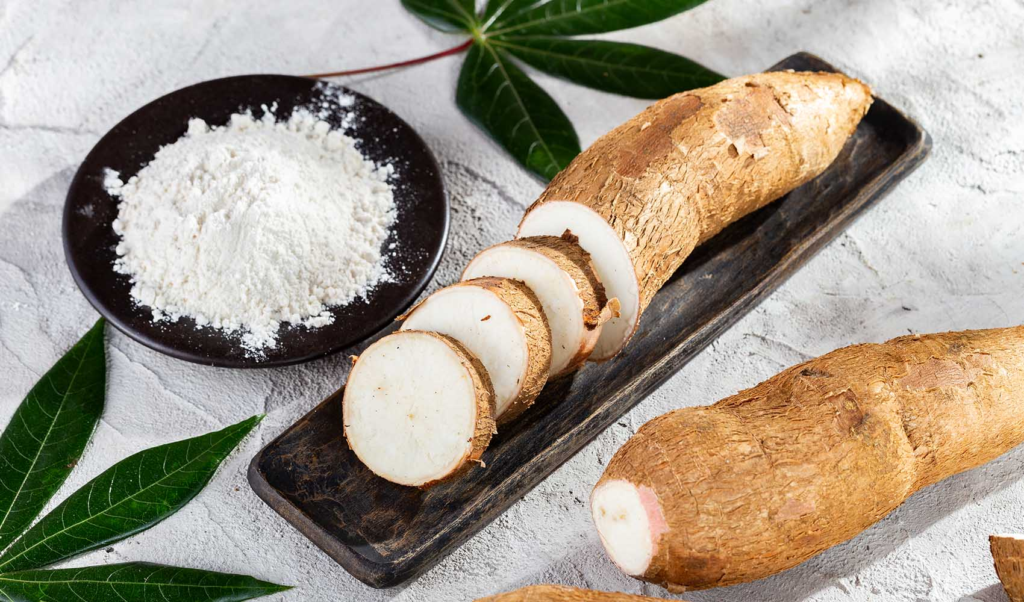
Understanding the broader context of Flour Trade Tapioca helps explain why this commodity has become indispensable. Tapioca flour, sourced primarily from cassava, serves countless applications across food, beverage, pharmaceutical, and industrial sectors. Its neutral flavor, high starch content, smooth texture, and clean-label nature make it suitable for bakery products, snacks, noodles, dairy alternatives, sauces, adhesives, textiles, and bioplastics. Over the past decade, the global marketplace has steadily pivoted toward sustainable, plant-based materials, elevating tapioca flour as a primary substitute for traditional wheat starches and synthetic binders. Indonesia’s cassava cultivation capacity, combined with its food-grade processing facilities, has enabled exporters to fulfill large-volume procurement needs while maintaining competitive pricing.
International buyers consistently choose the 25kg export format because it offers operational efficiency, straightforward distribution, and flexible handling. Laminated woven bags and kraft paper sacks with PE linings protect the product from moisture, mold, physical damage, and contamination throughout long shipping routes. Whether destined for small repackaging businesses or multinational manufacturers, Flour Trade Tapioca in 25kg units ensures practicality, safety, and standardized measurements that simplify inventory control. As global production systems continue adopting tapioca as a core ingredient, demand for suppliers capable of delivering ready stock, safe packaging, and streamlined logistics will continue rising.
Flour Trade Tapioca Exports in 25kg Packaging: Global Market Advantages Driving Importer Preference
Flour Trade Tapioca in 25kg packaging has become the international standard because it aligns with both logistical efficiency and industrial-scale consumption. A properly packed 25kg unit offers exceptional balance between cost-per-kilo, ease of manual handling, and optimized container loading. Exporters benefit from uniform palletization, reduced shipping losses, and faster warehouse turnover, while buyers appreciate predictable quantities that simplify budgeting and usage calculations. As global supply chains grow increasingly interconnected, this packaging size ensures that products remain protected while delivering consistent value to buyers operating across different sectors.
Several critical advantages explain the strong global shift toward the 25kg standard. First, the format supports optimized export logistics by allowing bags to stack uniformly, maintain stability during ocean freight, and minimize unused cargo space. Ports and warehouses prefer this structure because it speeds up loading and unloading activities. Second, wholesalers, bakeries, food processors, and industrial manufacturers find the 25kg option ideal because it is large enough for bulk applications but still manageable for manual lifting and repacking.
Third, the packaging strongly supports quality preservation. Laminated woven bags and kraft sacks with inner PE layers shield tapioca flour from humidity, microbial growth, and environmental contamination, ensuring that the flour retains its whiteness, starch integrity, and physical consistency. Finally, the 25kg format serves both small-scale and multinational buyers; even modest importers can handle the weight comfortably, while major corporations benefit from predictable container utilization for FCL shipments. Because of these factors, Flour Trade Tapioca in 25kg packaging remains the benchmark for international trade.
How EFBA Agro Strengthens Global Supply Chains for Flour Trade Tapioca Buyers

As global demand intensifies, suppliers who guarantee stability, readiness, and transparency gain an increasingly strategic role. EFBA Agro stands out by providing bulk-ready stock, verified sourcing, and professional export documentation. Because many countries experience seasonal fluctuations in cassava-based products, EFBA Agro ensures continuity through long-term processing partnerships across Indonesia’s agricultural regions. Buyers receive flour that consistently meets export specifications, including high starch ratios, bright whiteness index, controlled moisture levels, and clean microbiological profiles.
Furthermore, EFBA Agro supports purchasing flexibility by offering full container loads, partial loads, and contract-based monthly supply agreements. This enables factories to maintain uninterrupted production cycles and reduces the risk of downtime caused by shortages. The company’s export-ready 25kg packaging follows strict food-grade standards, with optional private-label branding for distributors seeking customized packaging. By maintaining strict quality control and stable availability, EFBA Agro helps international clients navigate fluctuating market conditions with confidence.
In addition, competitive pricing remains one of EFBA Agro’s key advantages. Indonesia’s strong agricultural base and efficient processing systems allow the company to deliver high-value products at budget-friendly rates, even during periods of global inflation or currency volatility. EFBA Agro complements its product consistency with complete export documentation, including certificates of origin, phytosanitary approvals, packing lists, invoices, HS code verification, and laboratory analysis upon request. This thorough documentation minimizes customs delays and ensures that shipments clear destination ports smoothly, whether buyers operate across Asia, Europe, Africa, or the Middle East.
Global Market Trends Fueling Long-Term Growth in Flour Trade Tapioca
Flour Trade Tapioca is positioned for sustained global expansion due to several key market forces. Increasing health awareness drives more consumers to adopt gluten-free and allergen-sensitive diets, making tapioca flour a preferred alternative for bakery products, snacks, and convenience foods. Food companies continually reformulate recipes to align with evolving dietary expectations, boosting demand for clean-label, plant-based starches.
Industrial sectors also contribute to this upward trajectory. As bioplastics, pharmaceuticals, paper manufacturing, and textile finishing adopt natural starches, tapioca becomes a critical ingredient supporting sustainable innovation. Manufacturers seek renewable materials with predictable performance, and tapioca flour fulfills these requirements.
Sustainability considerations also influence purchasing behavior. Tapioca, derived from cassava, is a fast-growing, drought-tolerant crop that supports smallholder farming communities. Its agricultural footprint aligns with global efforts to reduce reliance on synthetic materials. Because Indonesia maintains consistent year-round production, international buyers rely on the country’s capacity to supply large quantities without compromising quality.
Moreover, the increasing emphasis on stable supply chains encourages global companies to secure long-term sourcing agreements with trusted exporters. As industries shift toward transparency, traceability, and eco-conscious procurement, Flour Trade Tapioca continues gaining relevance in both consumer and industrial markets.
Increasing Opportunities for Buyers in Flour Trade Tapioca Procurement
Expanding market demand opens new opportunities for global buyers seeking to establish or strengthen their presence in the Flour Trade Tapioca sector. Companies entering the market can leverage a surge of consumer interest in gluten-free products, while seasoned importers can scale operations through improved supply availability and strategic partnerships.
Countries with growing urban populations increasingly rely on tapioca flour for packaged foods, bakery production, and instant meal manufacturing, making it a staple commodity in emerging and developed economies alike. Furthermore, expanded industrial usage fuels additional purchasing momentum, especially in companies producing adhesives, eco-friendly materials, and pharmaceutical binders. Importers positioned early within these supply chains can benefit from long-term contracts and secure pricing structures before global consumption climbs further.
Technology also plays an influential role in market expansion. Modern processing facilities enhance starch extraction efficiency, improve flour uniformity, and minimize impurities. Advanced drying methods strengthen product stability during long-distance shipping, enabling exporters like EFBA Agro to deliver consistently high-grade tapioca flour regardless of seasonal conditions.
At the same time, global buyers increasingly value traceability, prompting suppliers to adopt digital documentation and transparent sourcing practices. By aligning with reliable exporters, importers gain direct access to continuous supply, food-grade processing standards, and logistics infrastructures capable of supporting multi-metric-ton purchasing. Because the Flour Trade Tapioca sector continues diversifying into food and industrial applications simultaneously, buyers have greater opportunity than ever to build profitable supply chains grounded in stability, scalability, and long-term market growth.
Sonuç
Flour Trade Tapioca has evolved into a core global commodity supporting food production, industrial innovation, and large-scale distribution networks. The 25kg export packaging standard remains the most efficient, practical, and quality-assured format for international trade, delivering stability throughout shipping, handling, and processing. As worldwide demand accelerates, importers increasingly seek suppliers who provide continuous stock, consistent quality, and professional export documentation.
EFBA Agro fulfills these expectations by offering high-grade tapioca flour, flexible bulk availability, competitive global pricing, and complete shipping support. With the global movement toward natural, gluten-free, and plant-based ingredients strengthening each year, the Flour Trade Tapioca sector is poised for sustained long-term expansion, making it a promising opportunity for buyers across multiple continents.
EFBA Agro International: Indonesia’s Trusted Supplier of Premium Agricultural Commodities

EFBA Agro International has built a strong global reputation as a reliable exporter of high-quality agricultural commodities sourced directly from Indonesia’s most productive regions. With years of experience serving international buyers, EFBA Agro International ensures that every product—whether food-grade or industrial—meets strict global standards for purity, sustainability, and consistency. Our company is driven by a commitment to transparent sourcing, direct collaboration with farmers, and modern processing facilities that guarantee each commodity retains its natural quality. This approach positions us as a strategic partner for global distributors, food manufacturers, and trading companies seeking dependable, long-term supply solutions.
Through our official website, buyers can explore a curated selection of Indonesia’s finest export commodities. These include Granulated Arenga Palm Sugar, valued for its natural sweetness and clean processing; Tapioca Flour (Food Grade)—an essential ingredient in global food manufacturing and a flagship product within the Flour Trade Tapioca industry; and a variety of other agricultural exports such as coffee, spices, nuts, and starch-based products. Each commodity is supported by complete specifications, packaging options, loading capacity details, and export documentation to simplify procurement for international partners.
EFBA Agro International’s continuous commitment to quality ensures that global buyers receive not only premium ingredients but also traceability, reliability, and timely logistics from Indonesia’s leading ports. As demand grows for sustainable and high-performance natural commodities, we stand ready to deliver products that support innovation across the food, beverage, wellness, and industrial manufacturing sectors. For companies seeking a trusted partner in Flour Trade Tapioca and other export-grade Indonesian commodities, EFBA Agro International remains a leading choice in the international supply chain.
Our Complete Commodity Portfolio Supporting Global Industries
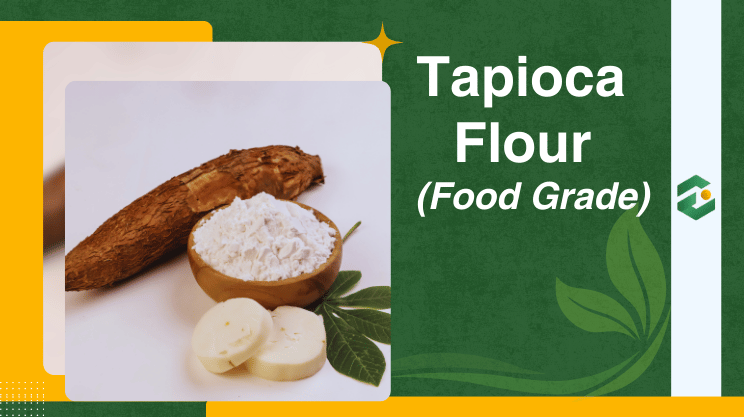
EFBA Agro International offers a diverse and carefully selected portfolio of Indonesian commodities designed to meet the needs of global markets. Each product undergoes strict quality assessment to ensure it aligns with international food safety standards and maintains consistent performance across different industries. One of our most in-demand products is Un Ticareti Tapyoka Unu, sourced from high-starch cassava grown in Java and Sumatra. With a minimum whiteness of 92% and starch content of at least 85%, our tapioca flour is ideal for crackers, baked goods, sauces, noodles, beverages, and eco-friendly packaging applications. This makes it one of our strongest contributors to global manufacturing supply chains.
In addition to tapioca flour, EFBA Agro International supplies Granulated Arenga Palm Sugar, known for its rich caramel flavor, low glycemic index, and natural production methods. This sugar is widely used in premium beverages, artisanal foods, confectionery, and healthy lifestyle brands. Our portfolio also includes other essential commodities featured on our website: cassava-based products, natural sweeteners, tropical spices, selected nuts, and Indonesia’s highly competitive agricultural exports each chosen for its international demand and consistent quality.
By offering a broad product range with centralized sourcing, EFBA Agro International helps buyers streamline procurement and reduce supplier complexity. Our logistics team manages all export procedures, ensuring timely delivery to destinations across Asia, Europe, the Middle East, and beyond. This integrated approach gives buyers the confidence to scale production without worrying about supply fluctuations.
With a strong foundation in authenticity, sustainability, and global trade excellence, EFBA Agro International continues to serve as a trusted partner for businesses seeking top-tier commodities, especially those relying on the consistency and performance of Flour Trade Tapioca and other Indonesian agricultural products.
FAQ: Flour Trade Tapioca Flour (Food Grade) from Indonesia
1. What is Tapioca Flour and how is it used?
Tapioca Flour is a fine, white starch extracted from cassava roots. It is widely used in food production as a natural thickener for sauces, noodles, snacks, and baked goods. In industry, it also serves as a key ingredient for biodegradable plastics and animal feed.
2. Why choose Flour Trade Tapioca Flour from Indonesia?
Indonesia is one of the world’s largest cassava producers, ensuring a steady supply of high-quality raw materials. Efba Agro International sources directly from trusted farmers, processes with strict food-grade standards, and guarantees consistency in every shipment.
3. What makes Efba Agro International’s Tapioca Flour different from others?
Unlike traders who simply resell, Efba Agro International oversees every production stage — from cassava harvesting, drying, milling, to final quality testing. This ensures purity, brilliant whiteness, and reliable viscosity performance that meet international standards.
4. How can I get a quotation for Flour Trade Tapioca Flour 2025?
Simply contact us via WhatsApp or the contact form on efbaagro.id. Our export team will send you a detailed quotation including FOB/CFR pricing, specifications, and estimated delivery times.
// Also Read:
Cascara Natural Tea Bulk Supplier 2025 from Indonesia – Coffeenesia Export Excellence!
Gayo Coffee 01 Single Origin Arabica Direct from Aceh By Coffeenesia!
Indonesian Coffee Beans 100% Fresh Origin!