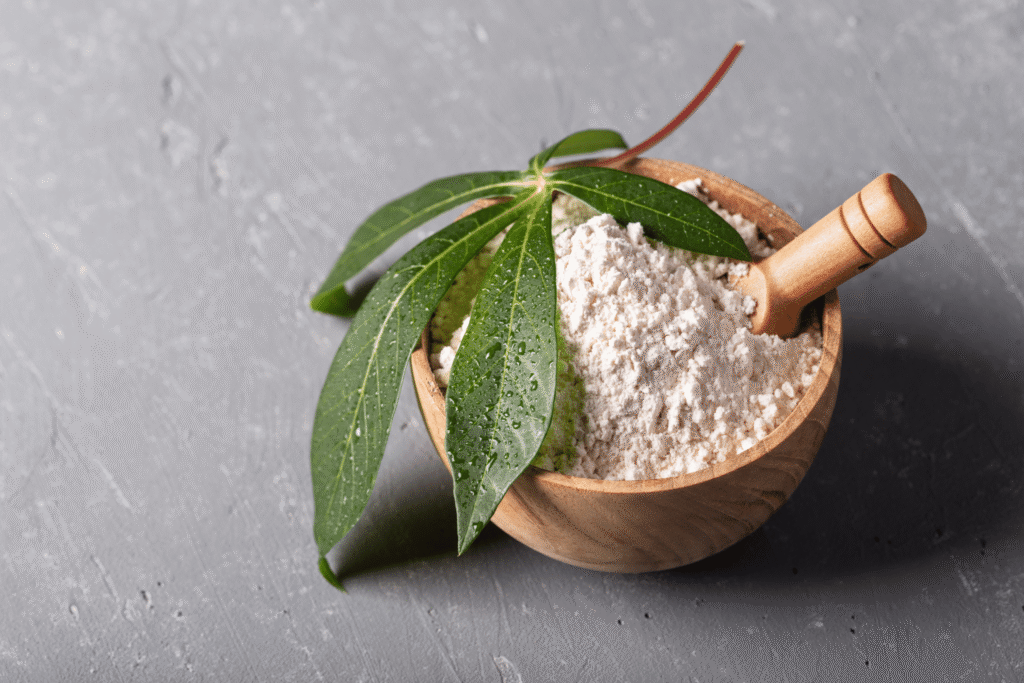

Tapioca Flour is widely known as one of the most versatile starch based ingredients used in global cuisine and modern food processing. Derived from cassava roots, this naturally gluten free flour contains approximately 84 percent starch, making it a powerful energy source that supports various dietary needs. Because of its neutral flavor, smooth texture, and high carbohydrate content, Tapioca Flour has become a staple ingredient in many cultures across Asia, Africa, and South America. Food experts continue to study this cassava derived ingredient because it combines simplicity with impressive functional qualities in both traditional cooking and contemporary food innovation.
Across the world, communities rely on cassava based foods for daily nutrition, and this reality continues to highlight the importance of starch rich ingredients in global diets. In many kitchens, cooks choose ingredients that can deliver consistent texture, stable cooking performance, and adaptable flavor characteristics. For this reason, many households and professional chefs regularly use Tapioca Flour to improve the consistency of sauces, desserts, and baked goods. Its ability to bind, thicken, and stabilize different recipes explains why it remains relevant in both traditional food cultures and modern culinary experimentation.
Furthermore, as global awareness of alternative grains and gluten free ingredients continues to grow, more people discover the remarkable versatility of cassava derived products. Culinary professionals appreciate ingredients that perform reliably across different cooking conditions, and tapioca based starch meets that expectation remarkably well. As a result, Tapioca Flour continues to gain recognition not only in traditional cuisines but also in modern health focused food trends that emphasize natural ingredients and adaptable cooking properties.
Table of Contents
Origins of Cassava and Tapioca Flour in Global Food History
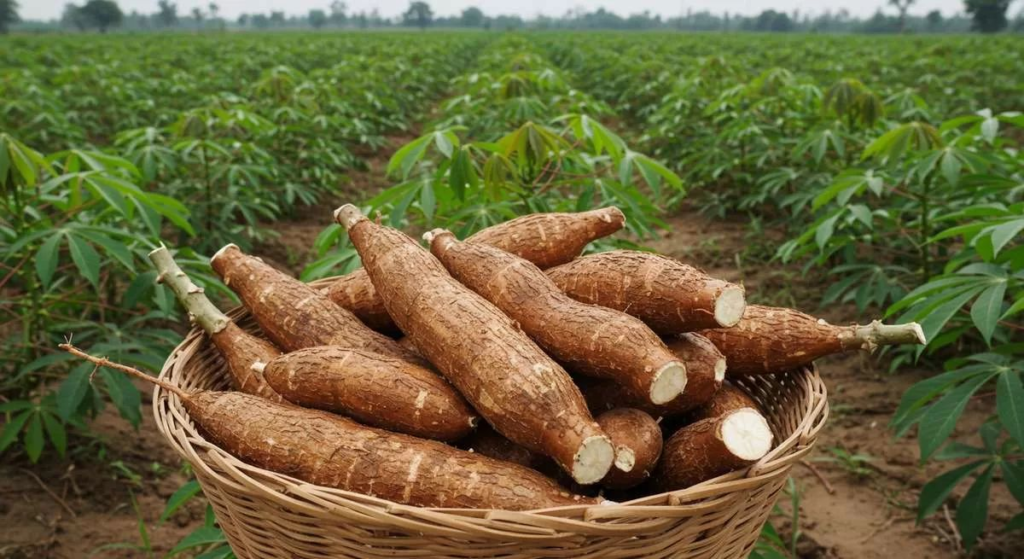
For centuries, people across tropical regions cultivated cassava as a dependable root crop that grows well in warm climates and nutrient limited soil. Historical records show that indigenous communities in South America first domesticated cassava thousands of years ago. Over time, traders and explorers introduced the crop to other continents, allowing farmers in Africa and Southeast Asia to adopt cassava as an essential agricultural resource. Within these regions, communities discovered that extracting starch from cassava roots created a highly useful flour known today as Tapioca Flour, which soon became integrated into many traditional dishes and staple foods.
As trade networks expanded, cassava agriculture continued to spread across tropical belts where farmers valued its resilience and relatively simple cultivation requirements. Because cassava plants tolerate drought conditions and produce high yields, many countries adopted the crop as a strategic food resource. Consequently, food producers began transforming cassava roots into different starch products, including the fine powder recognized globally as Tapioca Flour. This ingredient quickly gained culinary importance because its neutral taste and smooth texture made it suitable for countless cooking methods.
Furthermore, agricultural research institutions continue to emphasize the importance of cassava cultivation for food security in developing regions. By converting cassava starch into flour, producers can store and transport the ingredient more easily while maintaining its functional qualities in cooking. Therefore, the continued use of Tapioca Flour reflects not only culinary tradition but also agricultural adaptation that supports sustainable food systems around the world.
In addition, historical evidence shows that many civilizations incorporated cassava based foods into their staple diets long before modern food industries emerged. Communities developed traditional processing methods to transform cassava roots into edible starch products that could last longer and travel farther. Through these cultural innovations, Tapioca Flour gradually became recognized as a dependable ingredient capable of supporting both daily meals and ceremonial foods in different societies.
Cassava Roots as the Natural Source of Tapioca Flour
Cassava roots grow underground as thick, elongated tubers that store large quantities of starch. Farmers harvest these roots once they mature, usually between eight and twelve months after planting. The harvested roots contain dense carbohydrate reserves, which explain why cassava has served as a reliable energy source for many cultures. When producers separate the starch from the root pulp and dry it into powder, the resulting ingredient becomes Tapioca Flour, which retains the natural carbohydrate richness of cassava.
The botanical structure of cassava allows the plant to store significant energy in its roots, which later transforms into starch during processing. Because of this natural composition, cassava based ingredients offer a concentrated carbohydrate supply that supports physical energy and food preparation versatility. In kitchens and food laboratories alike, professionals value Tapioca Flour because it behaves predictably during heating and mixing processes. Its fine particles dissolve easily in liquids and create smooth textures in many recipes.
In addition, the cassava plant thrives in tropical climates where other crops sometimes struggle to survive. Farmers appreciate its ability to grow with relatively minimal agricultural inputs while still producing abundant harvests. Consequently, the production of Tapioca Flour continues to expand across many agricultural regions. As demand for gluten free and plant based ingredients increases, cassava derived flour remains an important link between traditional agriculture and modern food innovation.
Beyond its agricultural value, cassava cultivation also supports rural economies by providing farmers with a reliable crop that can adapt to varying climate conditions. When farmers process harvested cassava roots into starch products, they add economic value to their harvests and expand market opportunities. Through this agricultural chain, Tapioca Flour represents not only a food ingredient but also a bridge between farming communities and global food markets.
Distinctive Texture and Functional Characteristics
Food scientists often examine starch based ingredients to understand how they influence texture, viscosity, and stability in recipes. Among these ingredients, cassava derived starch stands out because it produces an exceptionally smooth and elastic consistency when heated with liquid. This property allows cooks to achieve glossy sauces and soft desserts without altering the original flavor of the dish. For this reason, many culinary traditions incorporate Tapioca Flour when they need a neutral thickening ingredient that blends naturally with other components.
Another remarkable quality involves the flour’s extremely fine particle structure. Because the powder dissolves easily, cooks can mix it into liquids without forming clumps, which improves overall cooking efficiency. As the mixture heats, the starch granules absorb water and expand, creating the smooth gel that chefs often associate with tapioca based preparations. Through this process, Tapioca Flour transforms simple ingredients into dishes that feature appealing textures and stable consistency.
Moreover, the ingredient maintains its structural stability even under different cooking temperatures, which increases its usefulness in both home kitchens and industrial food production. Many bakers include small amounts of tapioca starch in gluten free flour blends because it improves elasticity and softness in baked goods. Therefore, the functional characteristics of Tapioca Flour continue to attract attention from food developers who aim to create innovative products while maintaining natural ingredient profiles.
At the same time, culinary professionals appreciate ingredients that offer consistency and reliability during preparation. When chefs experiment with new recipes, they often rely on tapioca based starch to maintain stable textures in sauces, fillings, and desserts. Through this dependable performance, Tapioca Flour continues to strengthen its reputation as one of the most adaptable starch ingredients available in global cooking.
Nutritional Composition and Energy Contribution

Human nutrition relies heavily on carbohydrates as a primary source of metabolic energy. Cassava roots naturally accumulate large quantities of starch, and this characteristic carries over into the flour produced from them. When people consume foods that include Tapioca Flour, the body breaks down the carbohydrates into glucose, which cells use to generate energy for daily activity. Because of this metabolic pathway, cassava based ingredients often appear in diets that require accessible energy sources.
In terms of nutritional composition, this flour contains high levels of carbohydrates with minimal fat and very small amounts of protein. A typical serving provides a concentrated energy supply while remaining naturally gluten free. These characteristics explain why many individuals who avoid wheat products still incorporate Tapioca Flour into their meals. Although the ingredient does not provide large quantities of vitamins or protein, it functions effectively as an energy supporting component in balanced diets.
Furthermore, nutritionists often emphasize the importance of combining carbohydrate sources with other nutrient rich foods. When cooks pair tapioca based ingredients with vegetables, proteins, or healthy fats, they create meals that balance energy with broader nutritional benefits. As a result, Tapioca Flour plays a supportive role in many dietary patterns that aim to combine accessibility, energy supply, and flexible cooking applications.
Researchers also continue to examine cassava based foods within global nutrition studies, particularly in regions where root crops contribute significantly to daily calorie intake. Through these studies, scientists recognize that starch rich ingredients such as Tapioca Flour help sustain energy levels for populations that rely on carbohydrate centered diets. Consequently, cassava derived flour continues to support millions of people who depend on reliable energy sources in their everyday meals.
Culinary Applications of Tapioca Flour in Global Food Culture
Across many culinary traditions, cooks rely on ingredients that enhance texture while preserving the natural flavor of a dish. Cassava derived starch fulfills this role remarkably well, which explains why kitchens around the world regularly incorporate it into daily cooking. When chefs and home cooks experiment with sauces, desserts, or baked goods, they often turn to Tapioca Flour because it provides a smooth and stable consistency without introducing strong flavors. This neutral character allows other ingredients to remain the center of attention while the starch quietly improves structure and mouthfeel.
In Southeast Asian cuisine, for example, cooks frequently use tapioca starch to create soft cakes, chewy desserts, and delicate puddings that highlight coconut milk, palm sugar, or tropical fruits. These desserts often rely on the elastic and glossy texture produced when starch interacts with heat and moisture. Meanwhile, many Latin American dishes incorporate cassava based ingredients into breads and savory snacks, demonstrating the adaptability of Tapioca Flour across both sweet and savory preparations. The flour can also appear in beverages and modern dessert creations where small tapioca pearls or gels add interesting texture to drinks and sweets.
Modern food development continues to expand these culinary possibilities as chefs explore innovative recipes and hybrid cuisines. Gluten free baking in particular has embraced tapioca starch because it improves elasticity and softness in breads and pastries that lack wheat gluten. When bakers blend different alternative flours together, Tapioca Flour helps create a structure that resembles traditional baked goods while maintaining a gluten free profile. Through these applications, the ingredient bridges traditional cooking methods with contemporary culinary experimentation.
Furthermore, the culinary flexibility of cassava derived starch encourages chefs to explore creative combinations that highlight both texture and flavor harmony. Some chefs use tapioca starch to stabilize fillings in fruit pies or pastries, while others rely on it to produce silky soups and sauces. Because the ingredient dissolves easily and thickens efficiently, cooks can adjust the texture of a dish without dramatically changing its taste. As a result, Tapioca Flour continues to inspire culinary innovation while remaining deeply rooted in traditional food culture.
Tapioca Flour in Modern Gluten Free and Plant Based Diets
Over the past decade, dietary trends around the world have shifted toward gluten free and plant based food choices. Consumers increasingly search for ingredients that support these preferences without sacrificing flavor or texture. Cassava derived starch naturally aligns with these expectations because it originates from plants and does not contain gluten. For this reason, many food developers incorporate Tapioca Flour into recipes designed for individuals who follow specialized diets.
In gluten free baking, the absence of wheat gluten often creates challenges related to texture and elasticity. Without gluten, dough can become crumbly or dense, which makes it difficult to achieve the soft structure associated with traditional baked goods. When bakers add tapioca starch to flour blends, the ingredient helps mimic the stretch and flexibility normally provided by gluten. This improvement allows breads, cakes, and pastries to maintain pleasant textures while remaining suitable for gluten free diets.
At the same time, plant based food innovation has expanded dramatically as consumers seek alternatives to animal derived ingredients. Food technologists often rely on starch based ingredients to stabilize plant based dairy substitutes or meat alternatives. Within these formulations, Tapioca Flour acts as a binding and thickening agent that contributes to smooth textures and cohesive structures. Its neutral flavor also ensures that the final product maintains the intended taste profile of the recipe.
Moreover, the rise of health conscious cooking has encouraged home cooks to explore ingredients that support simple and natural food preparation. Because cassava derived starch contains minimal additives and comes from a recognizable plant source, many consumers view it as a clean label ingredient. This perception increases its popularity among people who prefer straightforward ingredient lists in packaged foods. Consequently, Tapioca Flour continues to gain attention within both the gluten free market and the expanding world of plant based cuisine.
The continued integration of cassava based ingredients into these dietary trends demonstrates how traditional agricultural products remain relevant in modern food systems. As chefs, nutritionists, and food manufacturers search for versatile plant based components, tapioca starch consistently proves its usefulness. Through these evolving applications, Tapioca Flour strengthens its position as an ingredient that connects traditional cooking knowledge with contemporary dietary preferences.
Distinguishing Tapioca Flour from Other Cassava Products
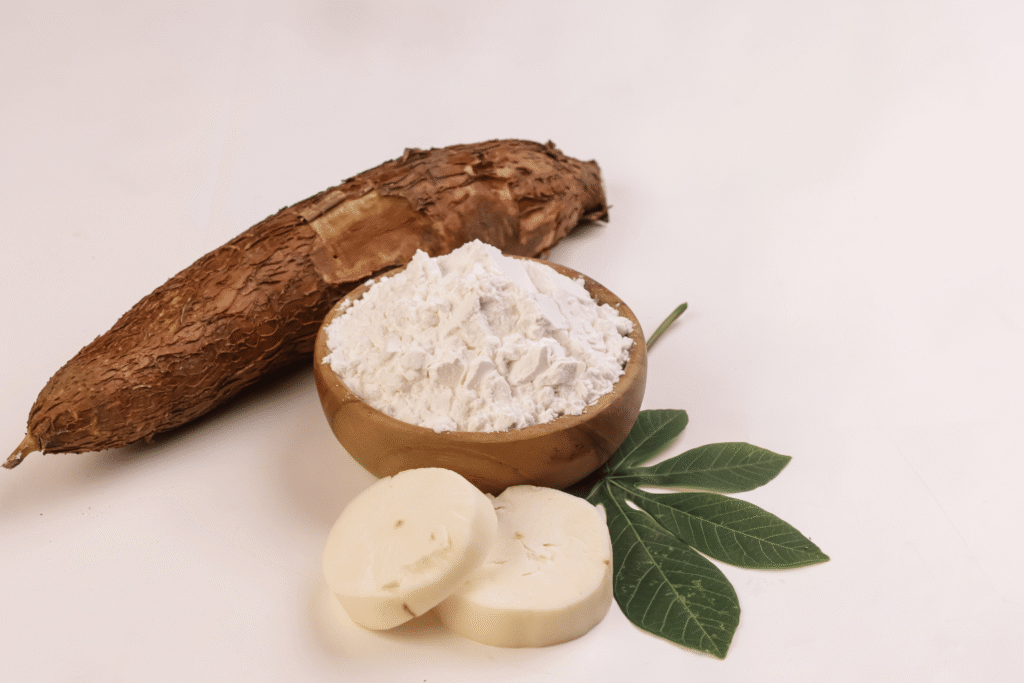
Although cassava roots produce several different food ingredients, consumers sometimes confuse the distinctions between them. Products such as cassava flour, tapioca pearls, and tapioca starch all originate from the same plant but differ in processing and culinary function. Among these variations, Tapioca Flour refers specifically to the refined starch extracted from cassava roots and dried into a fine white powder that dissolves easily in liquids.
Cassava flour, by contrast, usually involves grinding the entire dried root rather than isolating the starch. This difference creates a product that contains more fiber and retains the natural color and flavor of cassava. While both ingredients share the same plant origin, their culinary behavior differs significantly. In many recipes that require thickening or stabilizing properties, cooks prefer Tapioca Flour because its refined starch structure produces smoother textures and clearer sauces.
Another cassava based product that appears frequently in food culture is the well known tapioca pearl. These pearls form when manufacturers shape moist tapioca starch into small spheres and then dry them. During cooking, the pearls absorb water and develop the chewy texture often associated with bubble tea and certain desserts. Even though these pearls and the flour originate from the same starch, their culinary uses differ due to their physical form and preparation methods.
Understanding these distinctions helps cooks select the most suitable ingredient for specific recipes. When a dish requires a fine thickening powder that blends smoothly into liquids, Tapioca Flour usually provides the best result. On the other hand, recipes that emphasize texture and visual appeal may rely on pearls or other cassava products. By recognizing the unique characteristics of each variation, culinary professionals can maximize the versatility of cassava derived ingredients in diverse food preparations.
Nutritional Role of Tapioca Flour in Daily Diets

Nutrition experts often analyze staple foods to understand how they contribute to energy intake and dietary balance. Cassava derived starch represents a concentrated carbohydrate source that supplies metabolic fuel for the body. When people consume meals containing Tapioca Flour, digestive enzymes convert its starch molecules into glucose that cells use to generate energy. This process supports everyday physical activity and helps maintain basic metabolic functions.
Although the ingredient primarily delivers carbohydrates, its neutral composition allows it to integrate easily with other nutrient rich foods. In balanced meals, cooks frequently combine tapioca based starch with vegetables, proteins, and healthy fats. This combination ensures that the meal provides a broader range of nutrients while still benefiting from the energy contribution of carbohydrates. In this way, Tapioca Flour serves as a complementary ingredient rather than a standalone nutritional source.
Many populations around the world rely on root crops such as cassava as essential dietary staples. These crops grow efficiently in tropical climates and produce substantial yields that support local food systems. When cassava roots transform into refined starch products, they become easier to store and transport, which improves food accessibility. As a result, Tapioca Flour contributes indirectly to food security in regions where carbohydrate rich staples remain essential for daily nourishment.
Moreover, the growing popularity of gluten free diets has increased interest in alternative carbohydrate sources that maintain culinary versatility. Because tapioca starch naturally lacks gluten, it provides an accessible option for individuals who cannot consume wheat products. Through these dietary applications, Tapioca Flour continues to demonstrate its role as a practical energy source that adapts to evolving nutritional preferences.
Importance of Cassava Agriculture in Sustainable Food Systems
Agricultural sustainability has become an important global conversation as populations expand and climate conditions change. Farmers must cultivate crops that remain productive while using resources responsibly. Cassava stands out in this context because it grows well in warm climates and tolerates conditions that challenge many other crops. Its resilience allows farmers to harvest reliable yields even when rainfall patterns fluctuate.
When farmers process harvested cassava roots into starch products, they create ingredients that travel more easily through food supply chains. Converting raw roots into powder significantly extends shelf life and simplifies transportation. Through this transformation, Tapioca Flour becomes a stable ingredient that can reach distant markets without losing its essential functional qualities. This advantage helps connect rural agricultural production with urban food demand.
Smallholder farmers in tropical regions particularly benefit from cassava cultivation because the crop requires relatively modest agricultural inputs. Compared with some grains, cassava can thrive in soil conditions that might otherwise limit farming productivity. By producing cassava based ingredients, farming communities gain opportunities to participate in both local and international food markets. Within this economic network, Tapioca Flour represents a value added product that strengthens agricultural livelihoods.
Researchers and agricultural organizations continue to explore ways to improve cassava farming practices while maintaining environmental balance. Through better cultivation techniques, disease resistant varieties, and efficient processing methods, farmers can increase productivity without exhausting natural resources. These advancements reinforce the importance of cassava within sustainable food systems, where reliable crops contribute to long term food stability.
Ultimately, the relationship between cassava agriculture and global food production demonstrates how traditional crops remain relevant in modern sustainability discussions. As food systems evolve, ingredients derived from resilient plants offer practical solutions for feeding growing populations. In this context, Tapioca Flour symbolizes more than a cooking ingredient; it reflects the connection between agriculture, nutrition, and sustainable development.
Direct consultation and pricing, feel free to contact us via this WhatsApp and discuss your Tapioca Flour requirements with our team.
EFBA Agro International: A Global Supplier Built on Quality, Integrity, and Long-Term Collaboration

EFBA Agro International has grown into one of Indonesia’s most trusted agricultural exporters, serving food manufacturers, distributors, and industrial companies around the world. Built on a foundation of transparency, quality assurance, and long-term collaboration, EFBA Agro delivers a portfolio of commodities designed to support the evolving needs of global supply chains. For buyers who rely on Tapioca Flour as a core ingredient in food production or industrial applications, EFBA Agro provides not only consistent quality but also the confidence that every shipment meets international standards. Our sourcing network spans multiple agricultural regions in Indonesia, giving buyers access to stable production, clear documentation, and export-ready packaging that aligns with global procurement systems.
What sets EFBA Agro apart is our commitment to direct collaboration with processors, mills, and farmer groups. This approach ensures full visibility over raw material selection, processing techniques, and quality control benchmarks. While Tapioca Flour remains one of our strongest export categories, we are equally dedicated to developing a diversified commodity line that supports a wider range of industries. Our export operations emphasize reliability, communication, and proactive updates, helping buyers plan ahead and avoid supply disruptions. EFBA Agro positions itself not just as a vendor but as a strategic partner capable of supporting long-term procurement planning across multiple product categories.
EFBA Agro’s Full Commodity Line: From Tapioca to Premium Spices and Natural Ingredients
Beyond our focus on Tapioca , EFBA Agro International offers a comprehensive selection of agricultural commodities tailored for global markets. Each product category is handled with strict quality protocols, ensuring consistency from the point of harvest to export clearance.
Our portfolio includes Arenga Palm Sugar (both molded and granulated), Candlenut (shelled and polished grades), Black Pepper, Vanilla Beans, Nutmeg, Cloves, Cocoa derivatives, and specialty natural ingredients sourced from Indonesia’s most productive agricultural zones. These commodities support various industries from food and beverages to natural cosmetics, wellness, and industrial formulations.
The diversity of this portfolio allows buyers to consolidate multiple SKUs under one trusted supplier, significantly reducing logistical complexity and administrative workload. Companies that purchase Tapioca Flour often expand their partnership with EFBA Agro once they recognize the operational advantages of working with a supplier capable of managing large-volume shipments, export documentation, container optimization, and consistent communication.
Our website’s commodities section highlights each product’s specifications, applications, and export readiness, ensuring that buyers can evaluate options clearly before placing an order. By offering a multi-commodity ecosystem with modern, export-focused processes, EFBA Agro reinforces its commitment to supporting long-term growth for global manufacturers and distributors.
FAQ (Tapioca Flour)
1. What is Tapioca Flour commonly used for?
Tapioca Flour works as a versatile starch in many kitchens. People often use it to thicken soups, sauces, and desserts because it creates a smooth and glossy texture. In baking, it improves elasticity in gluten free recipes such as bread, pancakes, and pastries. Many Asian and South American cuisines also use Tapioca Flour for chewy foods like tapioca pearls and traditional cakes.
2. How is Tapioca Flour different from cassava flour?
Many people confuse Tapioca Flour with cassava flour, but they are not identical. Tapioca Flour comes only from extracted starch, while cassava flour uses the whole dried root. Because of this process, Tapioca Flour has a lighter texture and a more neutral taste. As a result, it works better as a thickening agent in cooking.
3. Does Tapioca Flour provide nutritional benefits?
Tapioca Flour mainly contains carbohydrates that provide energy for daily activities. Although it has small amounts of minerals, its primary value lies in its easily digestible starch. For this reason, many diets include Tapioca Flour as an energy source, especially in regions where cassava grows abundantly.
4. Can Tapioca Flour replace wheat flour completely?
Tapioca Flour cannot fully replace wheat flour on its own because it lacks gluten structure. However, many bakers combine it with other gluten free flours such as rice flour or almond flour. This combination helps create better texture and structure in baked goods while maintaining softness.
5. Is Tapioca Flour suitable for special diets?
Yes, Tapioca Flour suits several dietary preferences. It contains no gluten and usually does not trigger common allergies. Because of this, people following gluten free or grain free diets often include Tapioca Flour in their meals and baking recipes.
6. Why is Tapioca Flour widely used around the world?
Cassava plants grow well in tropical climates and produce large harvests. Communities process the roots into Tapioca Flour because it stores easily and adapts to many recipes. Its neutral taste, stable texture, and high energy value make Tapioca Flour an important ingredient in global cuisine.