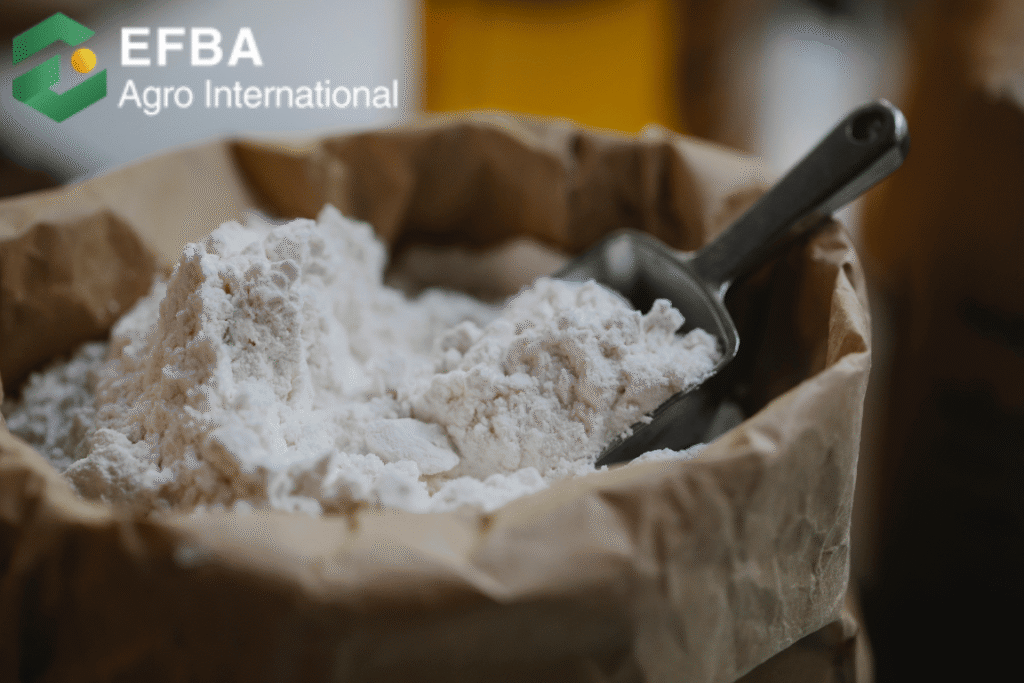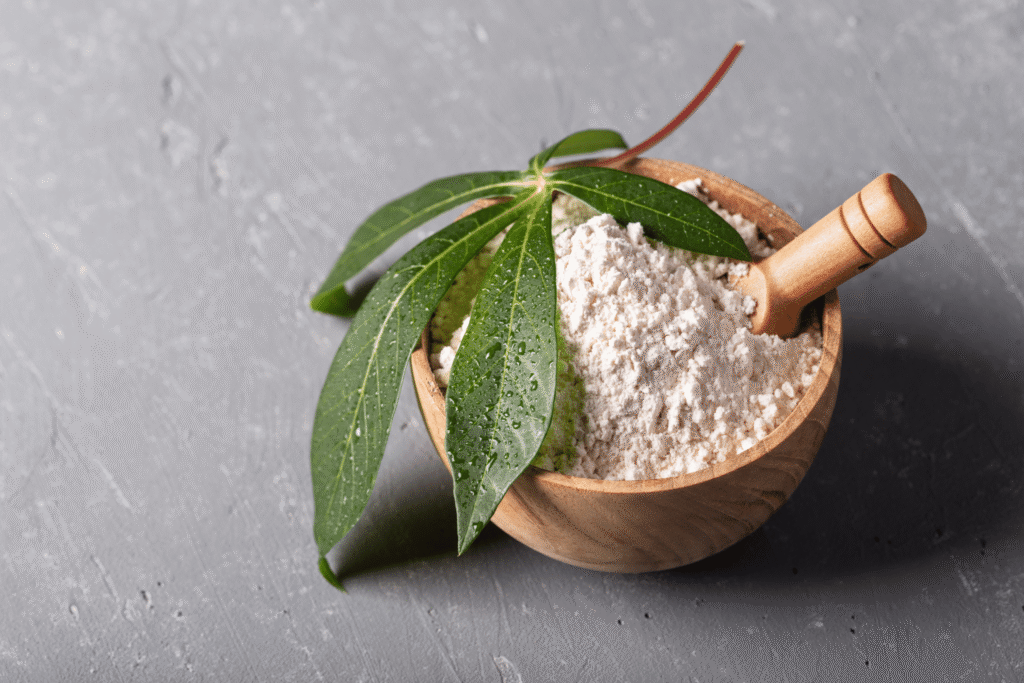
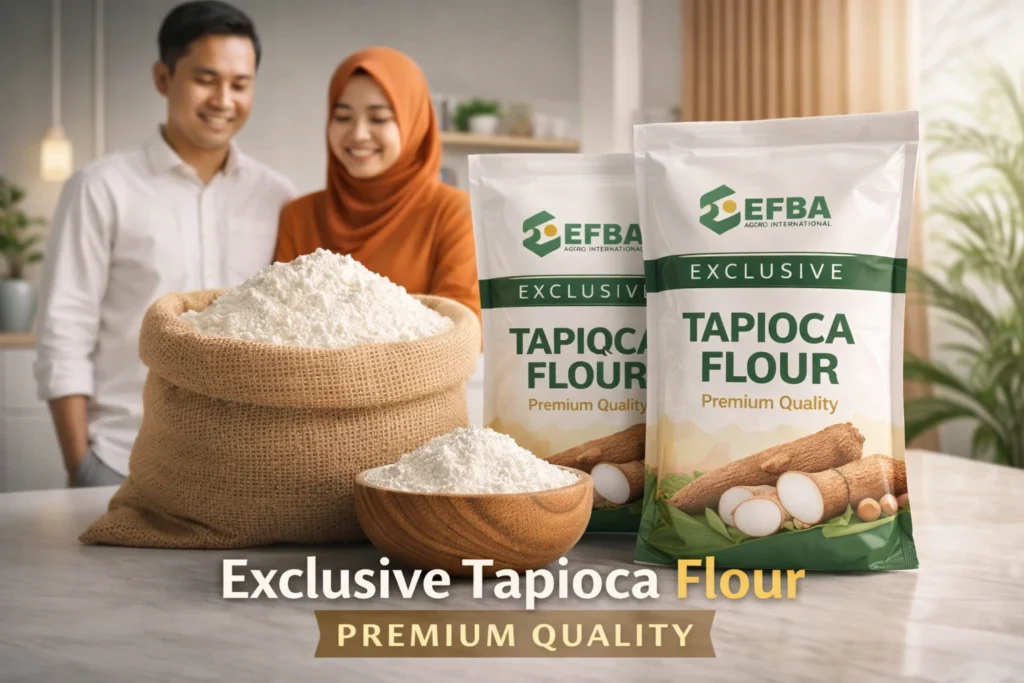
Tapioca Flour is one of the most versatile plant based ingredients used across the global food industry today. Known for its neutral flavor, smooth texture, and exceptional thickening ability, tapioca flour has become a staple ingredient in both traditional kitchens and modern food manufacturing. Derived from the cassava root, this naturally gluten free flour supports culinary creativity, large scale food production, and international trade networks that rely on consistent ingredient performance.
Across global markets, manufacturers and distributors evaluate flour quality using strict parameters that guarantee reliable performance during storage and processing. Among these parameters, moisture content plays a critical role in maintaining product stability. High quality flour commonly maintains a moisture level of around twelve percent, which protects the powder from clumping, microbial growth, and deterioration during shipping. When producers maintain this standard carefully, the flour remains stable during transportation and retains its smooth texture for longer periods.
Beyond quality standards, the ingredient continues to gain popularity because it adapts easily to diverse culinary traditions and industrial food systems. Chefs, food technologists, and product developers appreciate how the ingredient blends into recipes without altering flavor. At the same time, the starch structure delivers reliable thickening and binding capabilities that many other flours cannot provide. Because of this unique balance between neutrality and functionality, tapioca flour remains a fundamental ingredient across global food cultures.
Table of Contents
Tapioca Flour Origin and Agricultural Background
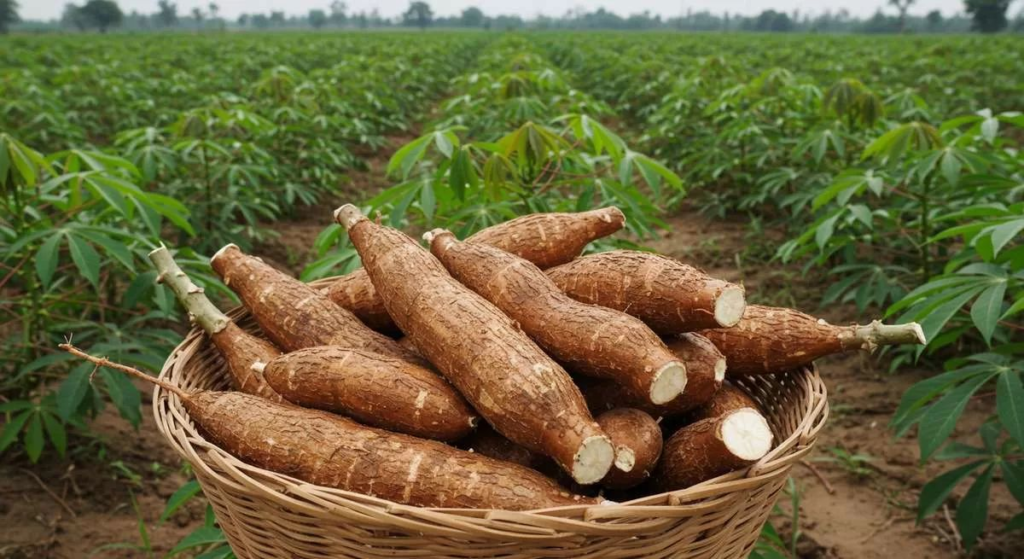
Cassava cultivation has shaped agricultural traditions across tropical regions for centuries. Farmers value the plant because it adapts easily to warm climates, tolerates relatively poor soil conditions, and produces high energy roots that support food security in many communities. Historical evidence indicates that early societies in South America first domesticated cassava thousands of years ago before explorers introduced the crop to Africa and Southeast Asia through trade routes.
As cassava cultivation spread across continents, communities began experimenting with different ways to process the root. Over time, farmers and food producers refined methods that separated starch from the fibrous root material and transformed it into fine white powder. This refined product later became widely recognized as tapioca flour, a versatile starch ingredient that integrates easily into both traditional and modern food systems.
Today, several countries play important roles in cassava agriculture and starch processing. Indonesia, Thailand, Brazil, Nigeria, and Vietnam contribute significantly to global cassava production, while numerous processing facilities convert harvested roots into starch based products. These products include tapioca pearls, cassava starch, chips, and flour used in food manufacturing.
In many rural areas, cassava farming also provides essential economic opportunities. The crop requires relatively modest agricultural inputs compared with certain cereal crops, which allows farmers with limited resources to cultivate it successfully. Because cassava roots can remain underground for extended periods without immediate harvesting, farmers gain flexibility when managing harvest schedules. These agricultural advantages support steady supply chains that ultimately produce ingredients such as tapioca flour for global consumption.
Tapioca Flour Processing and Production Methods
Transforming cassava roots into refined starch powder requires several careful processing stages that preserve purity and functionality. Once farmers harvest fresh cassava roots, processors transport them quickly to production facilities because the roots deteriorate if stored too long before processing. Workers first clean the roots thoroughly to remove soil, sand, and plant debris that could affect product quality.
After washing, technicians peel the outer skin and grind the inner root into a pulp. During this stage, water helps separate the starch granules from fibrous material. The mixture then passes through filtration systems that isolate the starch component while removing fibers and residual impurities. This separation process plays an essential role in producing the fine texture that characterizes high quality tapioca flour.
Next, the extracted starch settles in large tanks where gravity allows heavier particles to separate from water. Technicians collect the concentrated starch and dry it carefully under controlled conditions. Proper drying ensures that moisture levels remain balanced, preventing both microbial growth and excessive dryness that could affect texture.
Once drying is complete, processors grind the starch into a uniform powder and package it for distribution. The resulting ingredient demonstrates a clean white appearance, smooth consistency, and neutral aroma that distinguishes premium grade flour. These careful production steps guarantee that tapioca flour maintains reliable functional properties across culinary and industrial applications.
Tapioca Flour Characteristics and Functional Properties
Food scientists and culinary professionals value cassava derived starch because it delivers several distinctive functional properties that enhance texture and stability in food preparation. When mixed with water and heated, the starch granules swell rapidly and produce a smooth, glossy consistency that thickens liquids effectively. This behavior allows chefs and manufacturers to improve sauces, soups, gravies, and dessert fillings with consistent results.
Another remarkable characteristic involves its binding capability. The starch helps combine ingredients into cohesive mixtures, which proves useful in recipes that require structure without gluten. Bakers often combine the ingredient with other gluten free flours such as rice flour or almond flour to create balanced doughs that maintain elasticity and moisture. In these blends, tapioca flour contributes softness, chewiness, and improved texture in baked goods.
In addition, the ingredient remains almost flavorless, which gives it a major advantage in recipe development. Because it introduces minimal taste, chefs can incorporate it into both sweet and savory dishes without affecting flavor profiles. This neutrality allows food developers to design complex recipes while relying on starch functionality for texture enhancement.
Quality control also plays a crucial role in preserving these characteristics. Export grade flour generally maintains a moisture level near twelve percent, a balance that supports long shelf life and stable performance during storage. When producers maintain this standard carefully, the powder remains free flowing and resists clumping. These qualities explain why tapioca flour continues to serve as a trusted ingredient across food industries worldwide.
Tapioca Flour Nutritional Profile and Digestibility
From a nutritional perspective, cassava derived starch functions primarily as a carbohydrate rich energy source. Human diets across many regions rely heavily on carbohydrate staples to provide daily caloric intake, and cassava based ingredients contribute significantly to this requirement. When consumed, the body digests the starch efficiently and converts it into usable energy that supports daily activities.
Compared with grain based flours such as wheat or barley, this ingredient contains minimal fat and relatively small amounts of protein. Although the nutrient composition appears simple, the flour offers several advantages for individuals who require easily digestible foods. Because the starch granules break down smoothly during digestion, many nutrition specialists consider it suitable for people with sensitive digestive systems.
Another important aspect involves its compatibility with gluten free dietary patterns. Since tapioca flour contains no gluten proteins, individuals who avoid gluten for medical or lifestyle reasons can consume it safely. This characteristic has contributed significantly to the global popularity of cassava starch products as gluten free food alternatives continue to gain attention.
Furthermore, the ingredient rarely triggers allergic reactions compared with certain grain products. Many food developers therefore consider it a relatively hypoallergenic starch option for specialized diets and food formulations. Small traces of minerals such as potassium, calcium, and iron also appear naturally in cassava derived products. While these minerals exist in modest amounts, they complement the overall nutritional contribution of tapioca flour within balanced diets.
Tapioca Flour Culinary Applications in Global Cuisine
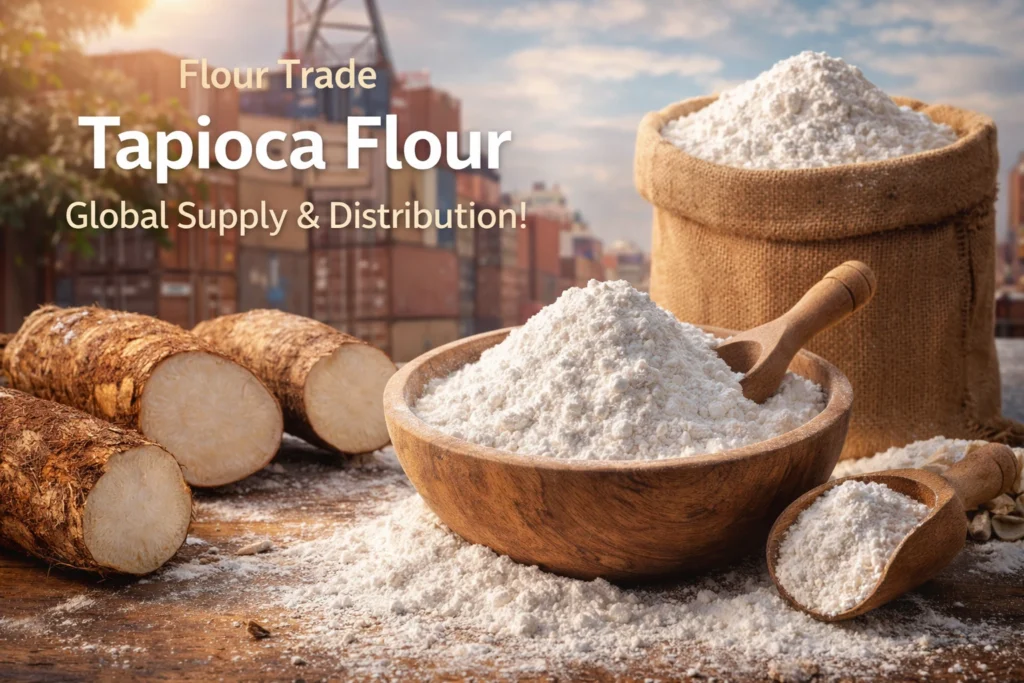
Across global culinary traditions, cooks rely on cassava starch to improve texture, stability, and consistency in a wide range of dishes. One of the most common uses involves thickening sauces, soups, and gravies. When heated with liquid, the starch forms a glossy gel that enhances visual appeal while maintaining a smooth mouthfeel in finished dishes.
Bakers frequently integrate the ingredient into gluten free flour blends that support modern dietary preferences. By combining tapioca flour with other plant based flours, bakers create doughs that mimic the elasticity and softness associated with wheat based products. Cakes, cookies, breads, and pastries benefit from this starch component because it helps maintain moisture while producing pleasant chewiness.
In Asian culinary traditions, cassava starch contributes significantly to the preparation of noodles, dumplings, and traditional desserts. The starch creates soft yet elastic textures that define many regional delicacies. Chewy sweet treats, steamed cakes, and translucent desserts often rely on cassava starch as a structural ingredient.
Another highly visible application appears in the global bubble tea phenomenon. The popular chewy pearls found in bubble tea beverages originate from processed cassava starch. These pearls demonstrate the remarkable ability of tapioca flour to transform into unique textures that complement beverages and desserts alike. Through these diverse culinary uses, the ingredient continues to connect traditional food cultures with modern gastronomic trends.
Tapioca Flour Role in Modern Food Manufacturing
Food manufacturers depend on reliable starch ingredients that maintain stability throughout complex production processes. Cassava derived starch meets many of these requirements because it performs consistently during heating, cooling, freezing, and reheating cycles. As a result, food technologists often incorporate tapioca flour into sauces, ready meals, processed snacks, and confectionery products.
The ingredient also serves as an effective stabilizer in mixtures that require uniform consistency. When manufacturers develop processed foods, they frequently rely on starch systems that prevent separation and maintain smooth textures. Tapioca flour performs this function well because its gelatinization properties allow it to absorb water and thicken formulations efficiently.
Another advantage involves its compatibility with clean label product development. Many consumers today prefer food ingredients that originate from recognizable plant sources rather than complex chemical modifications. Because tapioca flour derives directly from cassava roots through relatively simple processing methods, manufacturers can use it as a natural starch solution within clean label formulations.
In addition, frozen food manufacturers benefit from its stability during temperature fluctuations. Products such as dumplings, pastries, and prepared meals often undergo freezing, storage, and reheating cycles. Cassava starch helps preserve texture and prevents moisture separation during these processes. For this reason, tapioca flour remains a highly valued ingredient across modern food manufacturing sectors.
Tapioca Flour Market Demand and Global Trade
The global demand for versatile plant based ingredients has expanded significantly in recent years. Consumers increasingly explore alternative flours that align with gluten free diets, plant based lifestyles, and international cuisines. Within this context, cassava starch products have gained remarkable attention among both food manufacturers and home cooks.
Agricultural production systems across tropical regions continue to support this growing demand. Farmers cultivate cassava successfully in environments where certain grain crops struggle to thrive. The plant demonstrates resilience in relatively dry conditions and adapts to a range of soil types, making it an important crop for food security and economic stability.
As processing industries expand, cassava based ingredients enter international supply chains that connect rural agricultural communities with global food manufacturers. The trade of starch products contributes to economic development while supporting diverse industries such as baking, beverage production, and snack manufacturing.
Furthermore, research institutions and agricultural organizations continue to explore improved cassava varieties that increase yield and resilience. These innovations strengthen supply capacity and help ensure that ingredients such as tapioca flour remain available for growing global markets.
Tapioca Flour Storage Quality and Shelf Stability
Maintaining product quality requires careful attention during storage and transportation. After processing facilities produce refined starch powder, technicians package the flour in protective bags that shield it from moisture and contamination. Proper packaging ensures that the powder retains its free flowing texture and bright white appearance during distribution.
Storage environments must remain dry and well ventilated to prevent humidity from affecting the powder. Excess moisture could cause clumping or microbial growth, while extremely dry conditions might influence texture. Maintaining balanced humidity levels helps preserve the stability of tapioca flour throughout its shelf life.
Temperature control also contributes to product preservation. Although the flour remains relatively stable at normal ambient temperatures, warehouses often maintain moderate environments that protect food ingredients from extreme heat or humidity. These precautions help distributors deliver high quality products to buyers across international markets.
Through careful packaging, storage, and transportation practices, suppliers maintain the functional integrity of tapioca flour and ensure that manufacturers receive ingredients capable of performing consistently in food production.
Tapioca Flour Sustainability and Agricultural Value
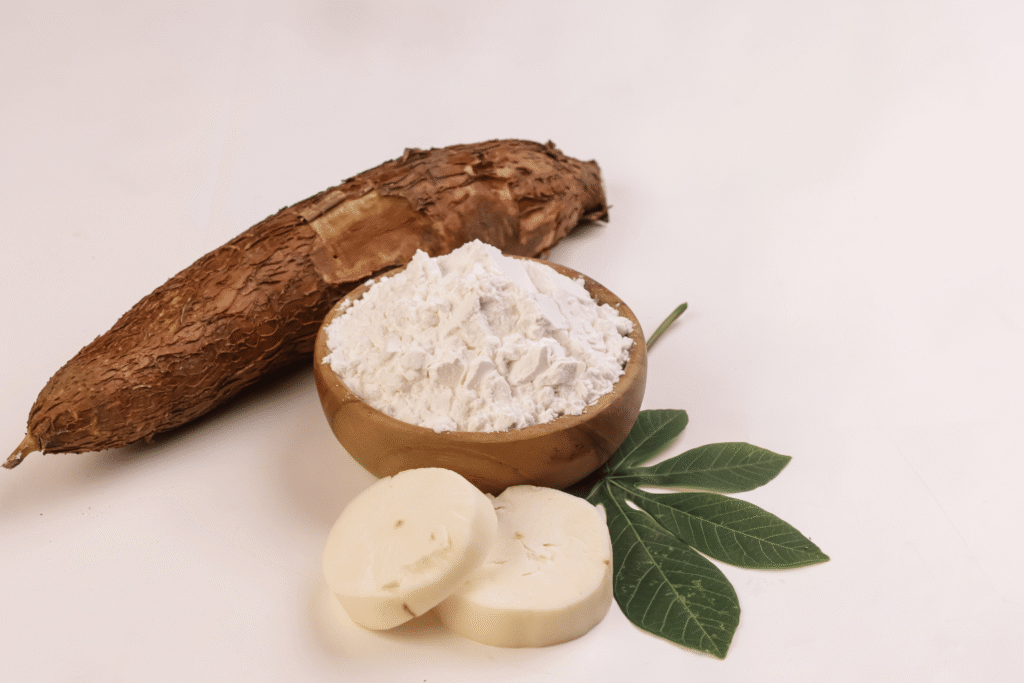
Cassava cultivation contributes significantly to sustainable agriculture in many tropical regions. The crop requires fewer agricultural inputs compared with certain grain crops and demonstrates resilience under challenging environmental conditions. Farmers often cultivate cassava alongside other crops, which helps diversify agricultural systems and reduce risk.
Because the plant tolerates drought conditions better than many cereals, cassava production can continue even when rainfall patterns become unpredictable. This resilience supports food security in areas where climate variability threatens traditional agriculture. As a result, cassava based industries provide both economic and nutritional benefits for millions of people.
Processing cassava roots into starch products also creates employment opportunities in rural communities. Facilities that produce tapioca flour, starch, and related products generate jobs while supporting local economies. These industries often integrate farmers, transporters, processors, and exporters into interconnected supply networks.
As global interest in sustainable and plant based food ingredients grows, cassava agriculture will likely continue expanding. Through responsible farming practices and efficient processing methods, tapioca flour production can support both environmental sustainability and economic development.
Conclusion
Throughout centuries of agricultural development and culinary innovation, cassava starch has evolved into one of the most versatile ingredients in global food systems. Its ability to thicken, bind, stabilize, and enhance texture allows chefs and manufacturers to incorporate it into an extraordinary range of recipes and products. From traditional desserts to industrial food formulations, tapioca flour continues to demonstrate remarkable adaptability.
Agricultural communities across tropical regions cultivate cassava to supply the raw material required for this important ingredient. When processors maintain high quality standards, including moisture levels near twelve percent, the resulting flour offers reliable shelf stability and consistent performance across storage, transportation, and cooking applications.
As consumers explore gluten free diets, plant based ingredients, and diverse international cuisines, the demand for cassava starch products continues to rise. Tapioca flour stands at the intersection of agriculture, nutrition, and food innovation, linking rural farming communities with global culinary traditions.
To learn more about efbaagro, explore detailed information about Tapioca Flour, discover our commodities, or contact us directly through WhatsApp for inquiries and collaboration opportunities.
Tapioca Flour Quality Grading and Physical Standards
Quality grading plays an important role in determining the market value and usability of cassava starch products. Producers evaluate several physical indicators before distributing refined flour to food industries and international buyers. Color, texture, aroma, and moisture balance become the most visible attributes used to measure quality consistency across batches.
High grade flour typically displays a clean bright white appearance that signals proper filtration and careful starch extraction. When processing facilities separate the starch from cassava fibers effectively, the resulting powder becomes smooth and fine without visible impurities. This uniform texture allows food manufacturers to mix the flour easily into liquids and dry blends without creating lumps or uneven structures.
Moisture balance also influences long term stability. Flour that maintains around twelve percent moisture demonstrates excellent shelf life because it avoids excessive humidity that could encourage microbial growth. At the same time, the powder retains enough natural moisture to preserve its functional starch granules. This balance ensures that tapioca flour performs consistently in thickening, binding, and stabilizing food formulations.
In addition, aroma serves as a subtle quality indicator. Premium grade flour carries almost no scent, reflecting the purity of the starch and the effectiveness of the processing stages. Any sour or fermented smell might indicate improper drying or storage conditions. Therefore quality control teams often examine aroma alongside color and texture when evaluating tapioca flour before packaging and shipment.
Through careful grading systems and standardized testing procedures, producers guarantee that the flour maintains reliable performance across culinary and industrial applications. These standards strengthen trust between suppliers, distributors, and manufacturers who depend on stable ingredient quality.
Tapioca Flour Functional Behavior in Cooking Techniques
Professional chefs and food scientists frequently study the behavior of starch ingredients under different cooking conditions. Cassava starch demonstrates unique gelatinization properties that influence how it interacts with water, heat, and other ingredients during preparation.
When exposed to heat in the presence of liquid, starch granules absorb water and expand rapidly. This swelling process thickens surrounding liquids and forms a translucent gel structure that creates smooth consistency in sauces or fillings. Because the starch activates quickly, cooks often add small quantities gradually to achieve the desired thickness without overpowering the recipe.
Another advantage involves its resistance to flavor interference. The neutral taste allows chefs to experiment with spices, herbs, and sweet ingredients without worrying about competing flavors. In savory dishes such as soups or stir fry sauces, tapioca flour thickens liquids while preserving the intended seasoning balance.
The starch also contributes elasticity in certain preparations. For example, doughs that incorporate cassava starch develop flexible textures that improve chewiness in dumplings or noodles. This property explains why many Asian cuisines integrate the ingredient into traditional recipes that require soft yet resilient textures.
Temperature tolerance provides another practical benefit. The gel structure formed by tapioca flour remains stable across moderate temperature variations, which helps maintain consistency in dishes that require reheating or prolonged warming. This stability makes the ingredient useful in catering environments and large scale kitchens where dishes must remain presentable over time.
Through these functional behaviors, tapioca flour becomes far more than a simple thickening agent. It acts as a structural component that influences texture, visual appeal, and cooking reliability in numerous culinary contexts.
Tapioca Flour Role in Gluten Free Food Innovation
In recent years, global interest in gluten free foods has grown rapidly as consumers seek alternative dietary options. This shift has encouraged food developers to experiment with plant based starches that can replicate the structure normally created by gluten proteins. Cassava derived starch has become a valuable component in these formulations.
Gluten provides elasticity and structure in wheat based doughs, allowing bread to rise and maintain its shape during baking. When gluten disappears from a recipe, bakers must recreate similar structural properties using other ingredients. Tapioca flour contributes significantly to this process because its starch granules expand and form flexible gels during heating.
Food technologists often blend it with other gluten free flours such as rice flour, sorghum flour, or almond flour. In these combinations, tapioca flour improves cohesion and moisture retention while reducing the crumbly texture that sometimes appears in gluten free baked goods. The resulting products achieve softer interiors and more appealing chewiness.
The ingredient also performs well in gluten free pasta and noodle production. By combining cassava starch with other plant flours, manufacturers can create doughs that stretch and hold together during shaping and cooking. This capability has allowed many companies to produce gluten free noodles that resemble traditional wheat based varieties in both appearance and texture.
Because tapioca flour remains neutral in taste, it supports innovation without altering flavor profiles. Food developers can therefore focus on balancing textures while preserving the authentic flavors of traditional recipes. As gluten free markets continue expanding, cassava starch will likely remain a central ingredient in new product development across bakeries, snack industries, and specialty food brands.
Tapioca Flour Cultural Significance in Traditional Foods
Beyond modern food manufacturing, cassava starch holds deep cultural significance in many traditional cuisines. Communities across Asia, Africa, and South America have incorporated cassava based ingredients into local dishes for generations, often adapting preparation techniques that highlight the unique properties of the starch.
In Southeast Asia, cooks frequently use cassava starch to produce chewy desserts and steamed cakes that rely on soft elastic textures. Traditional sweets often combine coconut milk, palm sugar, and starch to create layered desserts with delicate sweetness and smooth consistency. These dishes showcase how tapioca flour can transform simple ingredients into distinctive culinary experiences.
African cuisines also utilize cassava derived ingredients extensively. In several regions, cassava flour and starch products provide a primary carbohydrate base for daily meals. While preparation styles vary widely, the crop remains a crucial component of regional food traditions that support millions of households.
In South America, where cassava originally emerged, communities continue to prepare a variety of cassava based foods. Some dishes rely on fermented cassava products, while others highlight the natural starch to produce breads, snacks, or porridges. These culinary traditions demonstrate the historical relationship between cassava agriculture and cultural identity.
Through these diverse food cultures, tapioca flour represents more than a commercial ingredient. It reflects centuries of agricultural knowledge, culinary adaptation, and cultural heritage that have shaped regional cuisines around the world.
Tapioca Flour Future Potential in Food Science
As food science advances, researchers continue exploring new ways to utilize plant based starch ingredients. Cassava starch attracts attention because its functional properties allow scientists to experiment with innovative textures and sustainable food solutions.
One area of research focuses on improving starch modification techniques that enhance viscosity, stability, and gel strength. Scientists investigate how different processing conditions influence the behavior of tapioca flour in complex food systems. These studies help manufacturers design products that maintain consistent quality under industrial production conditions.
Another promising direction involves biodegradable materials derived from cassava starch. Researchers have explored the potential of starch based polymers for environmentally friendly packaging alternatives. Because cassava grows abundantly in tropical regions, starch extracted from the crop may provide renewable raw materials for sustainable packaging innovations.
Food scientists also examine how starch ingredients interact with plant proteins in alternative food products. As plant based meat and dairy alternatives gain popularity, developers search for starch systems that help recreate familiar textures. Tapioca flour often plays a role in these experiments because it forms smooth gels that mimic the mouthfeel of certain animal derived foods.
These ongoing studies highlight the adaptability of cassava starch within evolving food technologies. As scientific understanding expands, tapioca flour may contribute to new culinary techniques, innovative food products, and environmentally responsible material solutions.
Final Reflection on Tapioca Flour Versatility
The journey of cassava from a tropical root crop to a globally traded food ingredient illustrates the remarkable adaptability of natural resources within human food systems. Over centuries, communities have transformed cassava starch into diverse culinary ingredients that support both daily nutrition and cultural traditions.
Modern industries now rely on tapioca flour for its exceptional functionality, neutral taste, and compatibility with evolving dietary trends. Whether used in gluten free baking, traditional desserts, or industrial food production, the ingredient continues to demonstrate its value across countless applications.
At the same time, cassava agriculture supports millions of farmers and agricultural workers in tropical regions. Through responsible cultivation, careful processing, and global distribution networks, the crop connects rural farming communities with international markets and culinary innovation.
As global food systems continue evolving, tapioca flour remains positioned at a unique intersection of agriculture, culture, science, and cuisine. Its versatility ensures that it will continue serving as an essential ingredient for both traditional recipes and modern food technologies in the years ahead.
To learn more about efbaagro, explore detailed information about Tapioca Flour, discover our commodities, or contact us directly through WhatsApp for inquiries and collaboration opportunities.
https://wa.me/6285285469417
Sustainable Food Supply
Tapioca Flour export in 30kg bags offers food buyers a practical, reliable, and versatile ingredient for modern food production. From bakery and snacks to sauces and plant based foods, tapioca flour continues to support innovation across the global food industry.
Indonesia’s strong production base, combined with experienced exporters, makes it an ideal sourcing destination. By choosing professional suppliers who prioritize quality, compliance, and partnership, food buyers can secure stable supply chains and support long term business growth.
direct consultation and pricing, feel free to contact us via this WhatsApp and discuss your Tapioca Flour requirements with our team.
EFBA Agro International: A Global Supplier Built on Quality, Integrity, and Long-Term Collaboration

EFBA Agro International has grown into one of Indonesia’s most trusted agricultural exporters, serving food manufacturers, distributors, and industrial companies around the world. Built on a foundation of transparency, quality assurance, and long-term collaboration, EFBA Agro delivers a portfolio of commodities designed to support the evolving needs of global supply chains. For buyers who rely on Tapioca Flour as a core ingredient in food production or industrial applications, EFBA Agro provides not only consistent quality but also the confidence that every shipment meets international standards. Our sourcing network spans multiple agricultural regions in Indonesia, giving buyers access to stable production, clear documentation, and export-ready packaging that aligns with global procurement systems.
What sets EFBA Agro apart is our commitment to direct collaboration with processors, mills, and farmer groups. This approach ensures full visibility over raw material selection, processing techniques, and quality control benchmarks. While Tapioca Flour remains one of our strongest export categories, we are equally dedicated to developing a diversified commodity line that supports a wider range of industries. Our export operations emphasize reliability, communication, and proactive updates, helping buyers plan ahead and avoid supply disruptions. EFBA Agro positions itself not just as a vendor but as a strategic partner capable of supporting long-term procurement planning across multiple product categories.
EFBA Agro’s Full Commodity Line: From Tapioca Flour to Premium Spices and Natural Ingredients
Beyond our focus on Tapioca Flour, EFBA Agro International offers a comprehensive selection of agricultural commodities tailored for global markets. Each product category is handled with strict quality protocols, ensuring consistency from the point of harvest to export clearance.
Our portfolio includes Arenga Palm Sugar (both molded and granulated), Candlenut (shelled and polished grades), Black Pepper, Vanilla Beans, Nutmeg, Cloves, Cocoa derivatives, and specialty natural ingredients sourced from Indonesia’s most productive agricultural zones. These commodities support various industries from food and beverages to natural cosmetics, wellness, and industrial formulations.
The diversity of this portfolio allows buyers to consolidate multiple SKUs under one trusted supplier, significantly reducing logistical complexity and administrative workload. Companies that purchase Tapioca Flour often expand their partnership with EFBA Agro once they recognize the operational advantages of working with a supplier capable of managing large-volume shipments, export documentation, container optimization, and consistent communication.
Our website’s commodities section highlights each product’s specifications, applications, and export readiness, ensuring that buyers can evaluate options clearly before placing an order. By offering a multi-commodity ecosystem with modern, export-focused processes, EFBA Agro reinforces its commitment to supporting long-term growth for global manufacturers and distributors.
FAQ Tapioca Flour
1. How long can Tapioca Flour be stored safely?
When stored in a dry and sealed container away from humidity, tapioca flour can maintain good quality for about twelve to twenty four months. Stable moisture and proper ventilation help preserve texture, color, and cooking performance during storage.
2. Does Tapioca Flour change flavor in cooked food?
Tapioca flour rarely changes the flavor of recipes because it has a very neutral taste. This allows chefs and food manufacturers to thicken sauces, soups, and desserts while keeping the original flavor profile of ingredients intact.
3. Can Tapioca Flour replace wheat flour completely?
Tapioca flour can replace wheat flour in some recipes, especially as a thickener. However, many baked goods require combining it with other gluten free flours to achieve balanced structure and elasticity during baking.
4. Why is moisture level important in Tapioca Flour?
A controlled moisture level around twelve percent helps maintain product stability during storage and transport. This balance prevents clumping, microbial growth, and quality degradation in tapioca flour.
5. Is Tapioca Flour suitable for plant based foods?
Yes. Tapioca flour comes entirely from cassava roots, making it naturally plant based. Food developers often use it in vegan products to improve texture, binding, and moisture retention.
6. What industries commonly use Tapioca Flour?
Many sectors rely on tapioca flour, including bakery, confectionery, beverage, snack manufacturing, and gluten free food production. Its thickening and stabilizing properties make it useful across numerous food applications.