Tapioca Flour is a highly versatile, naturally gluten-free starch derived from cassava, also known as manioc or yuca. Over centuries, it has become a staple ingredient in kitchens worldwide. From thickening sauces to enhancing gluten-free baked goods, tapioca flour offers numerous functional and nutritional benefits. In this article, we explore its origins, definition, unique characteristics, nutritional value, health benefits, and 15 practical insights for food applications. By the end, you’ll understand why tapioca flour remains indispensable in modern cooking and baking.
Table of Contents
Definition and Origins
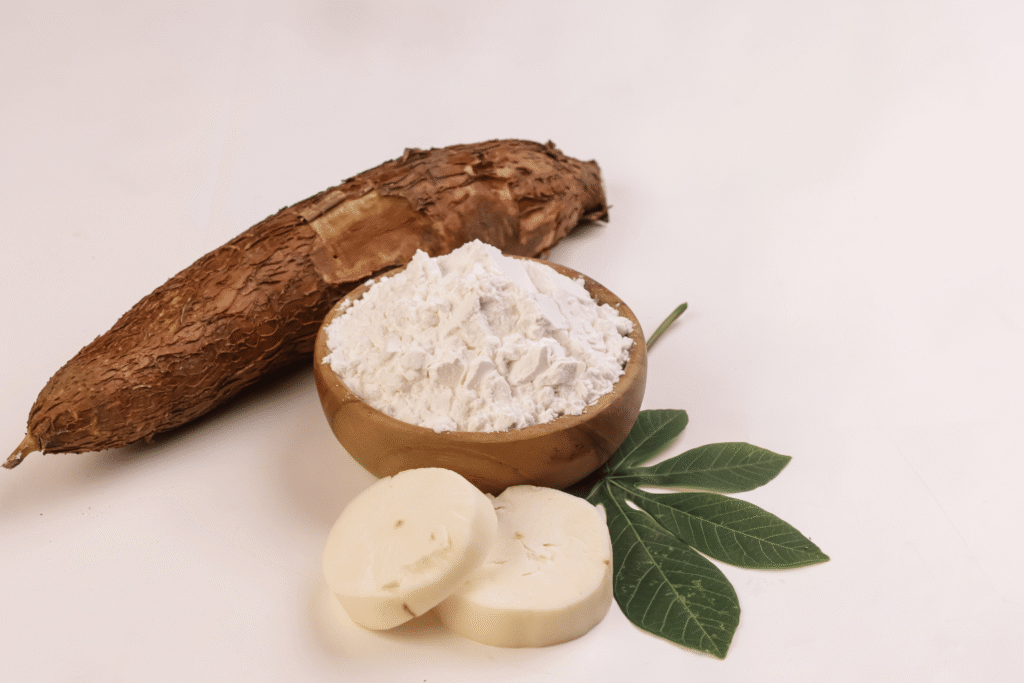
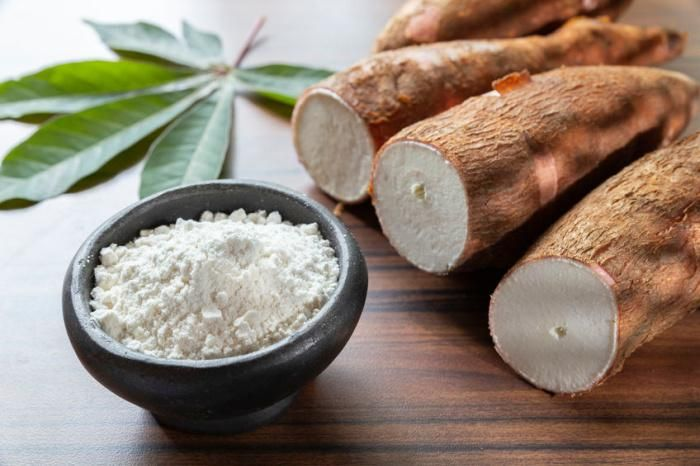
Tapioca Flour, also known as cassava starch, is a fine, white powder extracted from the root of the cassava plant (Manihot esculenta). Its neutral flavor and smooth texture make it ideal for a wide range of culinary applications, from desserts to savory dishes. Unlike whole cassava flour, which retains fiber and some protein, tapioca flour is almost pure starch. Pointing: Its high starch content is the key to its functionality as a thickener and texture enhancer.
Cassava originates from South America, particularly the Amazon basin, where Indigenous communities cultivated it as a staple food for centuries. Portuguese and Spanish explorers introduced cassava to Africa and Asia in the 16th century, where it became an important food source due to its adaptability to tropical climates. Over time, tapioca flour evolved as a refined product, allowing cooks and bakers to exploit its thickening and binding properties without dealing with the fibrous root. Tapioca flour is recognized for its gluten-free nature, neutral flavor, and fine, smooth texture, which distinguishes it from other flours. It is widely used in traditional South American, African, and Asian cuisines, from Brazilian cheese bread to Southeast Asian desserts.
Its ability to blend seamlessly in recipes without altering taste makes it a versatile ingredient in both professional kitchens and home cooking. Additionally, tapioca flour’s long shelf life and stable storage make it convenient for households worldwide. Understanding its origin and definition provides context for its functional and nutritional roles in modern food preparation.
Key Characteristics
Tapioca Flour possesses several unique characteristics that make it highly functional. First, it is gluten-free, allowing individuals with celiac disease or gluten intolerance to enjoy baked goods without adverse effects. Second, its neutral taste ensures that it does not overpower other ingredients, making it perfect for both sweet and savory dishes. Third, tapioca flour has a fine and silky texture, which helps improve the mouthfeel of foods and contributes to smooth sauces and fillings.
A fourth characteristic is its excellent thickening ability. When heated in liquid, tapioca starch granules absorb water and swell, creating a gel-like consistency. This property is especially useful in sauces, gravies, pie fillings, and desserts requiring stability and gloss. Fifth, tapioca flour exhibits freeze-thaw stability, meaning it maintains consistency even after freezing and reheating, unlike cornstarch, which can break down and release water.
Sixth, its water-binding capability improves moisture retention in baked products, ensuring breads, muffins, and cakes remain soft over time. Seventh, tapioca flour functions as a binder in gluten-free doughs and batters, providing structure and cohesiveness where gluten is absent. Eighth, when used for frying, it produces a crispy exterior without absorbing excessive oil, making it ideal for coatings and batters.
Ninth, its clarity in liquids ensures sauces and fillings remain transparent and glossy, enhancing visual appeal. Tenth, tapioca flour is allergen-friendly, free from common allergens such as wheat, soy, nuts, and dairy (when processed appropriately). These characteristics collectively highlight tapioca flour’s adaptability in culinary applications, providing functional and aesthetic advantages. Its unique qualities make it a preferred choice for both traditional and modern recipes, offering consistency, texture, and ease of use.
Nutritional Composition and Health Benefits
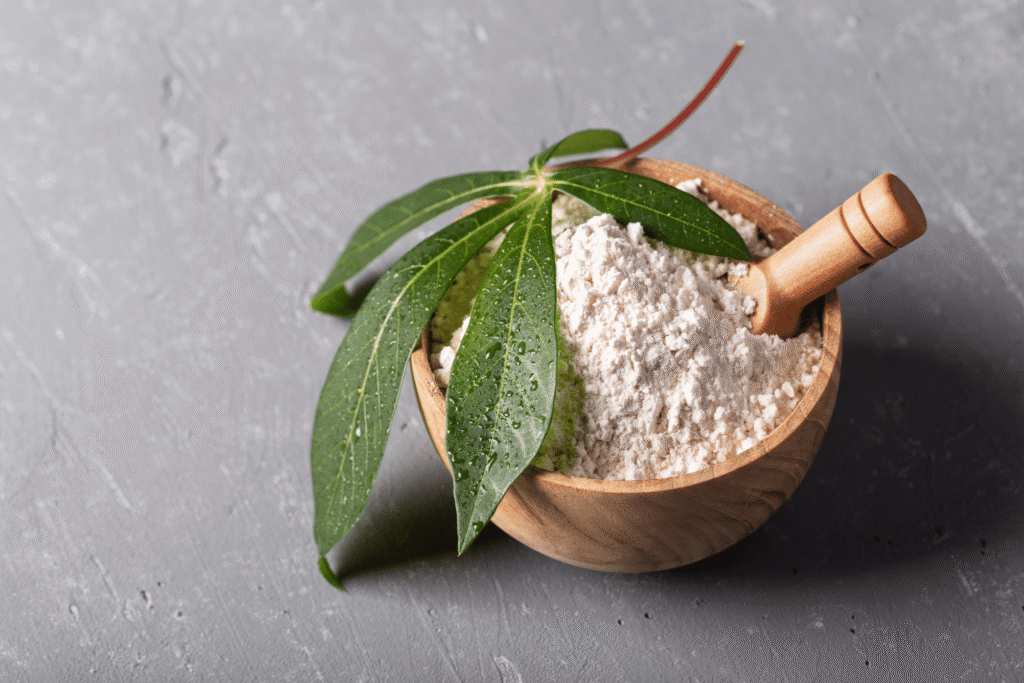
Tapioca Flour is primarily composed of carbohydrates, offering a concentrated energy source. Each serving provides rapidly digestible starch, which makes it useful for athletes or those needing quick energy replenishment. Pointing: While it is carbohydrate-dense, tapioca flour contains minimal protein, fat, fiber, vitamins, or minerals, which emphasizes the need to combine it with nutrient-rich ingredients for a balanced diet.
Its naturally gluten-free profile makes it safe for people with celiac disease or gluten sensitivity. Additionally, it is low in fat, supporting low-fat diets. Its digestibility ensures it is gentle on the stomach, making it suitable for people with gastrointestinal sensitivities or conditions that limit fiber intake. Studies also suggest that tapioca flour contains resistant starch, which may support gut health by acting as a prebiotic, feeding beneficial intestinal bacteria.
Tapioca flour’s neutral taste and hypoallergenic properties allow for creative integration into various dietary needs without compromising flavor or texture. It is effective in thickening sauces, stabilizing desserts, and improving the texture of gluten-free baked goods. Pointing: Pairing tapioca flour with protein, fiber, or micronutrient-rich foods enhances its nutritional profile, making it part of a healthful meal rather than a standalone nutrient source.
The health benefits of tapioca flour are not limited to its nutritional content; its functional properties also contribute indirectly to health. For example, retaining moisture in baked products reduces dryness, enhancing palatability and promoting adherence to healthier gluten-free recipes. Its versatility in cooking supports dietary inclusivity and allows for healthier modifications of traditional recipes across cultures.
15 Practical Insights and Food Applications
Tapioca Flour has numerous culinary applications. Here are 15 insights highlighting its functional versatility:
- Thickening Agent: Tapioca flour thickens sauces, gravies, and pie fillings with a glossy finish.
- Gluten-Free Baking: Enhances texture and chewiness in breads, cakes, cookies, and muffins.
- Crispy Coating: Produces a light, crunchy exterior in fried foods like vegetables, chicken, or tofu.
- Moisture Retention: Keeps gluten-free baked goods tender over time.
- Binder: Adds structure to doughs and batters in the absence of gluten.
- Clear Fruit Fillings: Thickens pie or dessert fillings without clouding.
- Chewy Texture: Essential in Brazilian cheese bread (pão de queijo) for signature chewiness.
- Puddings & Custards: Forms smooth gels in dessert puddings.
- Tapioca Pearls: Basis for bubble tea, providing chewiness and texture.
- Soups & Stews: Stabilizes consistency when added at the end of cooking.
- Asian Sauces: Creates clingy textures in stir-fry sauces.
- Energy Snacks: Can be combined with nuts or seeds for quick energy bars.
- Casserole Toppings: Helps topping adhere and brown evenly.
- Gluten-Free Pasta: Contributes elasticity to pasta or noodle dough.
- Dessert Batters: Enhances volume and structure in cupcakes, pancakes, and crepes.
These insights illustrate tapioca flour’s multi-faceted nature. From functional cooking to enhancing texture, moisture, and visual appeal, it is a highly adaptable ingredient. Its neutral flavor allows seamless incorporation into both savory and sweet dishes, supporting a wide range of culinary innovations. Pointing: Chefs and home cooks value tapioca flour not only for its versatility but also for its ability to solve common problems in gluten-free or low-allergen recipes.
FAQ
1. Is Tapioca Flour the same as cassava flour?
No. Tapioca Flour is made from the starch extracted from cassava root, while cassava flour uses the whole root. This difference affects texture and nutrition. Tapioca flour is lighter, more refined, and better for thickening and creating chewiness, whereas cassava flour has more fiber and a stronger flavor.
2. Can Tapioca Flour be used alone as a wheat flour substitute?
Tapioca Flour is not ideal as a single substitute for wheat flour in baking. It works best when combined with other gluten-free flours. On its own, it lacks structure and nutrients, but when blended, it improves elasticity, moisture, and texture in gluten-free recipes.
3. Does Tapioca Flour affect blood sugar levels?
Tapioca Flour is high in carbohydrates and has a relatively high glycemic impact when consumed alone. To reduce blood sugar spikes, it is recommended to pair it with protein, fiber, or healthy fats. Balanced recipes help slow digestion and improve overall nutritional value.
4. Is Tapioca Flour suitable for vegan and allergen-free diets?
Yes. Tapioca Flour is plant-based and naturally free from gluten, dairy, soy, nuts, and eggs. This makes it suitable for vegan diets and many allergen-restricted eating plans, as long as it is processed in facilities that avoid cross-contamination.
For readers seeking more on agricultural commodities and practical insights on Tapioca Flour, explore Efba Agro browse commodities, or learn about Cassava flour to integrate this versatile root into your own kitchen. For inquiries or orders, contact via WhatsApp.