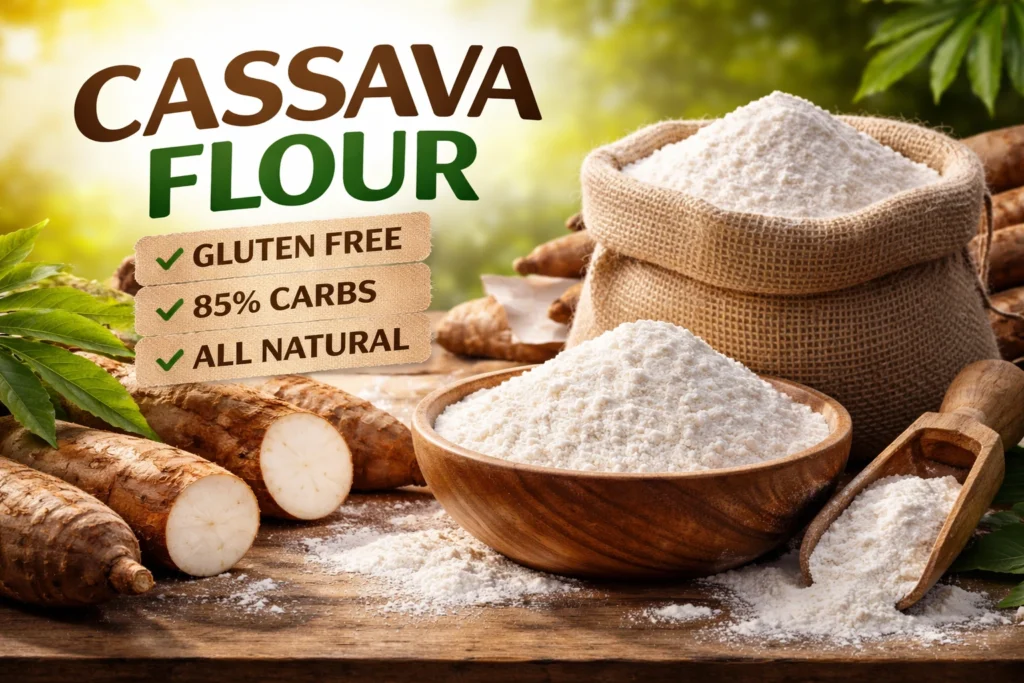
Cassava Flour has become one of the most discussed carbohydrate based ingredients in global food markets due to its naturally high energy content, gluten free profile, and flexible industrial applications. Cassava Flour is derived from processed cassava roots and contains approximately 85 percent carbohydrates, making it a reliable energy food for both household consumption and large scale manufacturing. In many regions, this flour is not only valued as a wheat alternative but also as a strategic commodity that supports food security, clean label production, and international trade growth.
Table of Contents
Definition and Origin as a Global Food Source
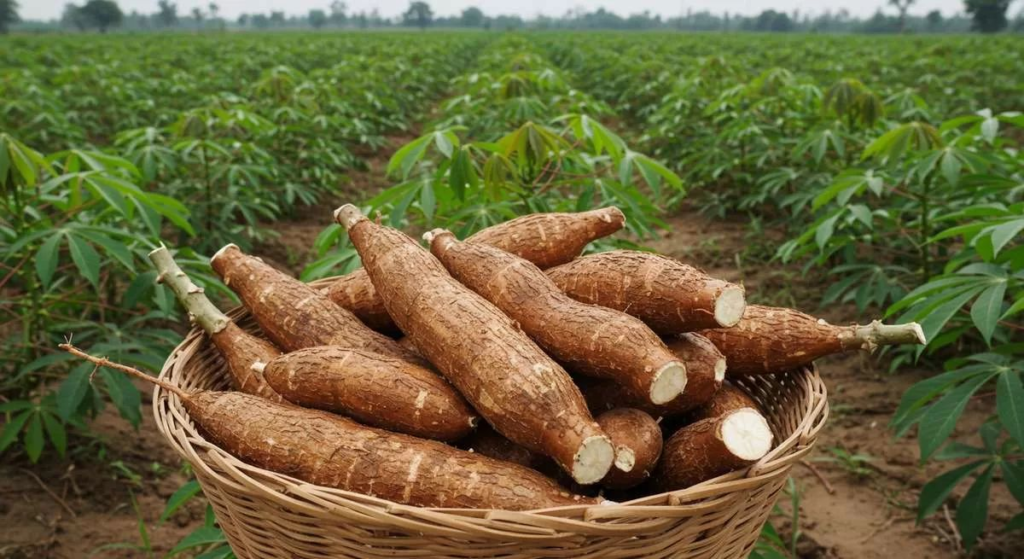
Cassava Flour refers to finely milled flour produced from the cassava root, a tropical tuber crop scientifically known as Manihot esculenta. Cassava Flour originates primarily from tropical regions such as Southeast Asia, Africa, and South America, where cassava has served as a staple food for centuries. The flour is produced by peeling, washing, drying, and milling cassava roots into a soft powder without fermentation, which distinguishes it from tapioca flour. Cassava Flour maintains much of the original root structure, fiber, and starch composition, making it closer to whole food flour than refined starch products.
Cassava Flour plays a critical role in global nutrition systems because cassava plants thrive in poor soil conditions and require minimal agricultural input. This resilience allows cassava to remain productive during droughts and unstable climates, supporting consistent harvest cycles. Historically, indigenous communities relied on cassava as a primary calorie source, and modern processing techniques have expanded its reach into international food manufacturing. Today, Cassava Flour is used across continents in bakery products, snack foods, baby foods, and gluten free formulations.
The rise of Cassava Flour in global markets also connects to shifting consumer preferences. As awareness grows around gluten intolerance and clean eating, Cassava Flour offers a naturally gluten free alternative without chemical modification. International food regulators recognize cassava based products as safe, non allergenic, and suitable for diverse dietary patterns. These qualities position Cassava Flour as both a traditional staple and a modern functional ingredient with global relevance.
Characteristics and Unique Physical Properties
Cassava Flour is known for its distinctive physical and functional characteristics that separate it from other carbohydrate sources. Cassava Flour has a fine, soft texture with a neutral aroma and mild flavor, allowing it to blend easily into various recipes without overpowering other ingredients. Its natural white to off white color also makes it suitable for baked goods and processed foods where visual consistency is important.
Cassava Flour demonstrates high water absorption capacity, which contributes to moisture retention in dough and batter systems. This property helps improve softness and shelf life in baked products, particularly in gluten free formulations where structure can be challenging. Cassava Flour also shows moderate binding capability, supporting dough cohesion even without gluten proteins. These functional attributes make it valuable for food technologists and product developers seeking stable, plant based ingredients.
From a processing perspective, Cassava Flour performs well under heat and mechanical stress. It gelatinizes at relatively low temperatures compared to cereal flours, which enhances energy efficiency during cooking and industrial processing. Cassava Flour does not introduce bitterness when heated properly, provided that quality raw materials and controlled drying methods are used. This makes it suitable for both home cooking and automated production lines.
Another important characteristic of Cassava Flour is its clean label appeal. It contains no additives, preservatives, or chemical bleaching agents when produced under food grade standards. This simplicity aligns with consumer demand for transparent ingredient lists and minimally processed foods. These physical and functional traits collectively explain why Cassava Flour continues to gain acceptance across global food categories.
Cassava Flour Nutritional Composition and Energy Value
Cassava Flour stands out nutritionally due to its high carbohydrate concentration, reaching approximately 85 percent of its total composition. Cassava Flour provides a dense energy source that supports daily caloric needs, particularly in regions where cereals are less accessible or more expensive. The carbohydrates in Cassava Flour are primarily complex starches, which digest gradually and contribute to sustained energy release.
In addition to carbohydrates, Cassava Flour contains small but meaningful amounts of dietary fiber. This fiber supports digestive health by promoting gut motility and aiding nutrient absorption. Cassava Flour is naturally low in fat and protein, which makes it suitable for specialized diets that require controlled macronutrient intake. It also contains trace minerals such as calcium, phosphorus, and potassium, contributing modestly to electrolyte balance and bone health.
Cassava Flour is naturally gluten free, which positions it as a safe option for individuals with celiac disease or gluten sensitivity. Unlike some alternative flours, Cassava Flour does not require blending with gums or stabilizers to achieve basic functionality, reducing formulation complexity. Its hypoallergenic nature further expands its suitability for infant foods and medical nutrition products.
Scientific studies referenced by organizations such as the Food and Agriculture Organization highlight cassava’s role in combating calorie deficiency in developing regions. You can explore global food crop data through resources like the FAO and nutritional databases such as Healthline for broader scientific context. These nutritional attributes reinforce Cassava Flour’s reputation as a reliable energy food with wide dietary compatibility.
Cassava Flour Health Benefits and Functional Advantages
Cassava offers several functional health benefits when consumed as part of a balanced diet. Cassava Flour provides quick and accessible energy, making it beneficial for physically active individuals, manual workers, and populations with high caloric demands. Its complex carbohydrate structure helps prevent rapid blood sugar spikes when prepared using appropriate cooking methods.
More than that, Cassava supports digestive comfort due to its low allergenic profile and gentle fiber content. Many individuals who experience bloating or sensitivity from wheat based products report improved tolerance when switching to Cassava Flour. This benefit is particularly relevant in gluten free and allergen conscious food systems. Cassava Flour also fits well into plant based and vegan dietary frameworks without requiring modification.
Another advantage of Cassava Flour lies in its versatility for dietary planning. It can be incorporated into rotational diets that reduce dependence on cereals, supporting food diversity and resilience. Cassava Flour does not contain cholesterol or trans fats, aligning with heart conscious nutrition strategies. When combined with legumes or protein rich foods, it forms a balanced energy base suitable for long term consumption.
From a public health perspective, Cassava Flour contributes to food security by offering an affordable and scalable carbohydrate source. International development programs frequently promote cassava based foods as tools to reduce hunger and stabilize rural economies. Institutions such as the World Health Organization and FAO have acknowledged cassava’s importance in global nutrition planning. These functional benefits highlight why Cassava Flour remains relevant beyond culinary trends.
Cassava Flour Uses in Culinary and Industrial Applications
Cassava Flour is highly adaptable and supports a wide range of culinary and industrial applications. Cassava Flour can be used as a direct wheat flour substitute in baking for breads, pancakes, flatbreads, and pastries, particularly in gluten free recipes. Its neutral taste allows it to absorb flavors from spices, herbs, and sweeteners, making it suitable for both savory and sweet dishes.
In traditional cuisines, Cassava Flour appears in staple foods such as flatbreads, dumplings, and porridge. Modern food innovation has expanded its use into noodles, snack coatings, breakfast mixes, and bakery premixes. Cassava Flour also functions well as a thickening agent in soups, sauces, and gravies due to its starch gelatinization properties.
Beyond household cooking, Cassava Flour plays an important role in industrial food production. Manufacturers use it in extruded snacks, frozen foods, and ready to eat meals. Its stable performance under heat and freezing conditions enhances product consistency and shelf life. Cassava Flour is also utilized in non food industries, including biodegradable packaging, adhesives, and fermentation substrates.
Global demand for Cassava Flour continues to rise as food manufacturers seek sustainable and flexible raw materials. Market research platforms such as Statista report steady growth in cassava based ingredient trade. These diverse applications demonstrate how Cassava Flour bridges traditional food heritage with modern industrial innovation.
Cassava Wholesale Supplier Selection Tips for Food Buyers
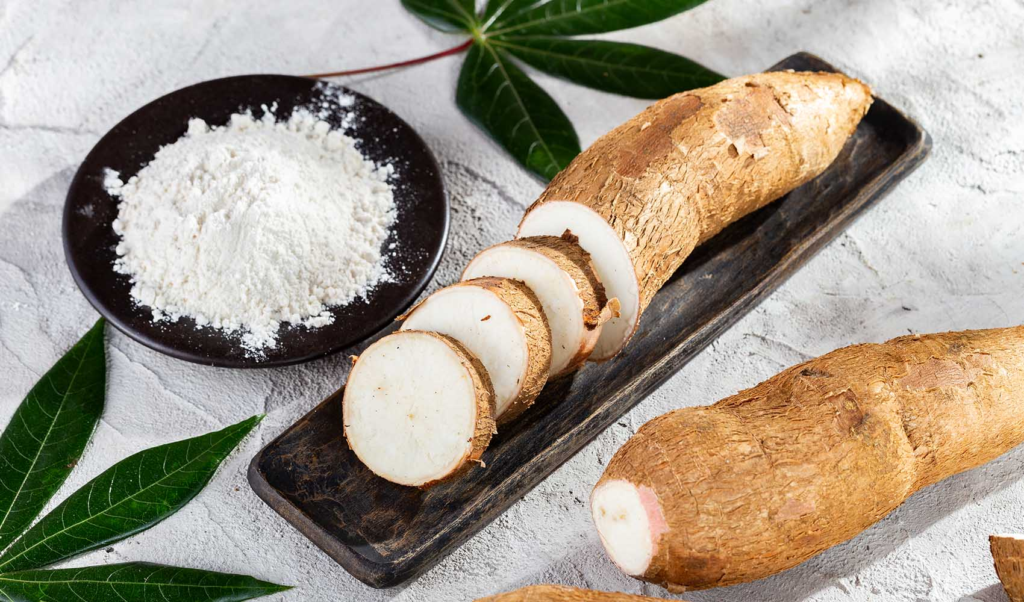
Choosing the right Cassava wholesale supplier is critical for long term success. Food buyers should look beyond price and focus on reliability, transparency, and communication.
A professional supplier provides clear product specifications, sample availability, and responsive customer support. Consistent quality across shipments is a strong indicator of a well managed production process. Buyers should also evaluate the supplier’s export experience, including their ability to meet destination country regulations.
Sustainability practices are becoming increasingly important in supplier selection. Responsible sourcing, waste reduction, and ethical labor practices enhance brand reputation and align with global food industry trends.
Building a long term partnership with a trusted Cassava flour exporter can reduce supply risks and improve cost efficiency over time. Open communication and mutual understanding help both parties adapt to market changes and demand fluctuations.
Cassava Wholesale and Efba Agro Export Commitment
As part of Indonesia’s growing agricultural export sector, efba agro is committed to supplying reliable Cassava flour for international food buyers. With a focus on quality, consistency, and transparent trade practices, efba agro supports buyers seeking dependable long term supply solutions.
By combining local sourcing expertise with export oriented standards, efba agro helps bridge Indonesian agricultural potential with global food industry needs. This commitment ensures that buyers receive cassava flour that meets functional requirements while maintaining competitive pricing.
Cassava Wholesale Export for Sustainable Food Supply
Cassava Wholesale export in 30kg bags offers food buyers a practical, reliable, and versatile ingredient for modern food production. From bakery and snacks to sauces and plant based foods, cassava flour continues to support innovation across the global food industry.
Indonesia’s strong production base, combined with experienced exporters, makes it an ideal sourcing destination. By choosing professional suppliers who prioritize quality, compliance, and partnership, food buyers can secure stable supply chains and support long term business growth.
direct consultation and pricing, feel free to contact us via WhatsApp and discuss your Cassava Flour requirements with our team.
EFBA Agro International: A Global Supplier Built on Quality, Integrity, and Long-Term Collaboration

EFBA Agro International has grown into one of Indonesia’s most trusted agricultural exporters, serving food manufacturers, distributors, and industrial companies around the world. Built on a foundation of transparency, quality assurance, and long-term collaboration, EFBA Agro delivers a portfolio of commodities designed to support the evolving needs of global supply chains. For buyers who rely on Cassava Wholesale as a core ingredient in food production or industrial applications, EFBA Agro provides not only consistent quality but also the confidence that every shipment meets international standards. Our sourcing network spans multiple agricultural regions in Indonesia, giving buyers access to stable production, clear documentation, and export-ready packaging that aligns with global procurement systems.
What sets EFBA Agro apart is our commitment to direct collaboration with processors, mills, and farmer groups. This approach ensures full visibility over raw material selection, processing techniques, and quality control benchmarks. While Cassava Flour remains one of our strongest export categories, we are equally dedicated to developing a diversified commodity line that supports a wider range of industries. Our export operations emphasize reliability, communication, and proactive updates, helping buyers plan ahead and avoid supply disruptions. EFBA Agro positions itself not just as a vendor but as a strategic partner capable of supporting long-term procurement planning across multiple product categories.
EFBA Agro’s Full Commodity Line: From Cassava Flour to Premium Spices and Natural Ingredients
Beyond our focus on Cassava Flour, EFBA Agro International offers a comprehensive selection of agricultural commodities tailored for global markets. Each product category is handled with strict quality protocols, ensuring consistency from the point of harvest to export clearance. Our portfolio includes Arenga Palm Sugar (both molded and granulated), Candlenut (shelled and polished grades), Black Pepper, Vanilla Beans, Nutmeg, Cloves, Cocoa derivatives, and specialty natural ingredients sourced from Indonesia’s most productive agricultural zones. These commodities support various industries from food and beverages to natural cosmetics, wellness, and industrial formulations.
The diversity of this portfolio allows buyers to consolidate multiple SKUs under one trusted supplier, significantly reducing logistical complexity and administrative workload. Companies that purchase Cassava Flour often expand their partnership with EFBA Agro once they recognize the operational advantages of working with a supplier capable of managing large-volume shipments, export documentation, container optimization, and consistent communication. Our website’s commodities section highlights each product’s specifications, applications, and export readiness, ensuring that buyers can evaluate options clearly before placing an order. By offering a multi-commodity ecosystem with modern, export-focused processes, EFBA Agro reinforces its commitment to supporting long-term growth for global manufacturers and distributors.
FAQ Cassava
- How does Cassava differ from tapioca flour in processing methods?
Cassava uses whole cassava roots that producers peel, dry, and mill directly, while tapioca flour extracts and refines only the starch. Therefore, Cassava Flour retains more natural fiber and structure, which affects texture, nutrition, and culinary performance. - Can Cassava support long term energy needs in daily diets?
Cassava supplies sustained energy because its complex carbohydrates digest gradually. As a result, it suits daily meals, active lifestyles, and regions relying on steady calorie intake without causing rapid energy crashes or excessive hunger between meals. - Is Cassava suitable for large scale food manufacturing consistency?
Cassava performs consistently in industrial settings because it handles heat, moisture, and mechanical processing well. Consequently, manufacturers rely on it for uniform texture, predictable gelatinization, and stable product quality across large production volumes. - How does Cassava impact flavor development in food formulations?
Cassava carries a neutral taste profile, allowing other ingredients to stand out clearly. Therefore, chefs and manufacturers use it to enhance spices, sweeteners, and savory elements without altering the intended flavor balance of the final product. - Does Cassava require special storage conditions for bulk supply?
Cassava remains stable when stored in dry, cool, and well ventilated environments. Moreover, proper packaging protects it from moisture absorption, extending shelf life and maintaining quality during long distance transportation and bulk distribution. - Why do global buyers consider Cassava a strategic commodity?
Cassava supports food security, sustainable farming, and supply stability. Consequently, global buyers value it as a resilient carbohydrate source that adapts well to climate challenges, dietary trends, and growing demand for gluten free ingredients.