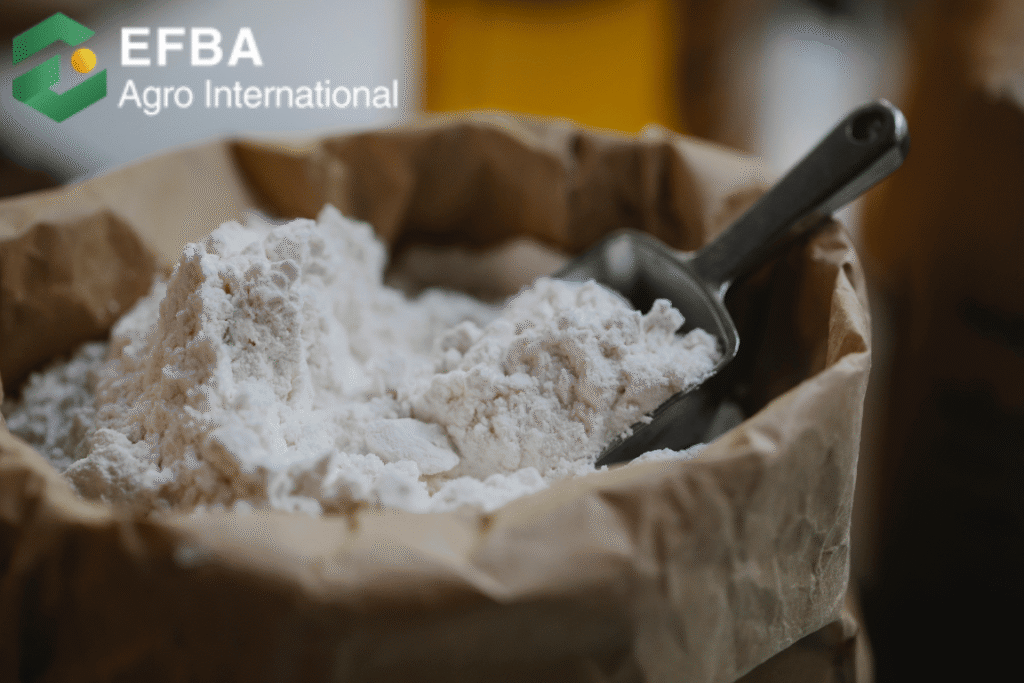
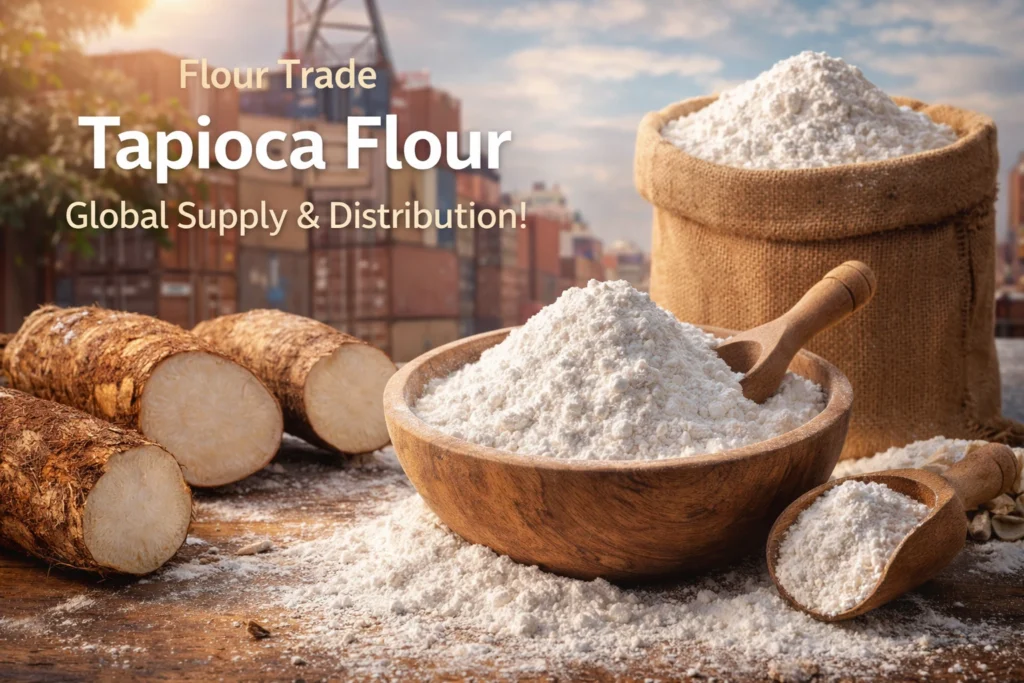
Tapioca Flour White Fine Powder 25kg Export Top Grade represents one of the most refined starch ingredients derived from cassava roots and widely used across global food systems. Known for its clean white appearance, smooth consistency, and neutral sensory profile, this starch-based ingredient plays a crucial role in both traditional cuisines and modern food formulations. Its ability to enhance texture without altering flavor makes it a dependable choice for home kitchens, artisanal producers, and industrial manufacturers alike.
Across continents, this cassava-based flour has earned a strong reputation for consistency and versatility. It supports a wide range of culinary needs, from thickening liquids to improving elasticity in baked goods. The fine powder form ensures uniform blending, while its stable structure allows reliable performance under various cooking conditions. These qualities explain why it continues to gain relevance in international food markets and long-term supply chains.
Definition and Global Recognition of Tapioca-Based Flour
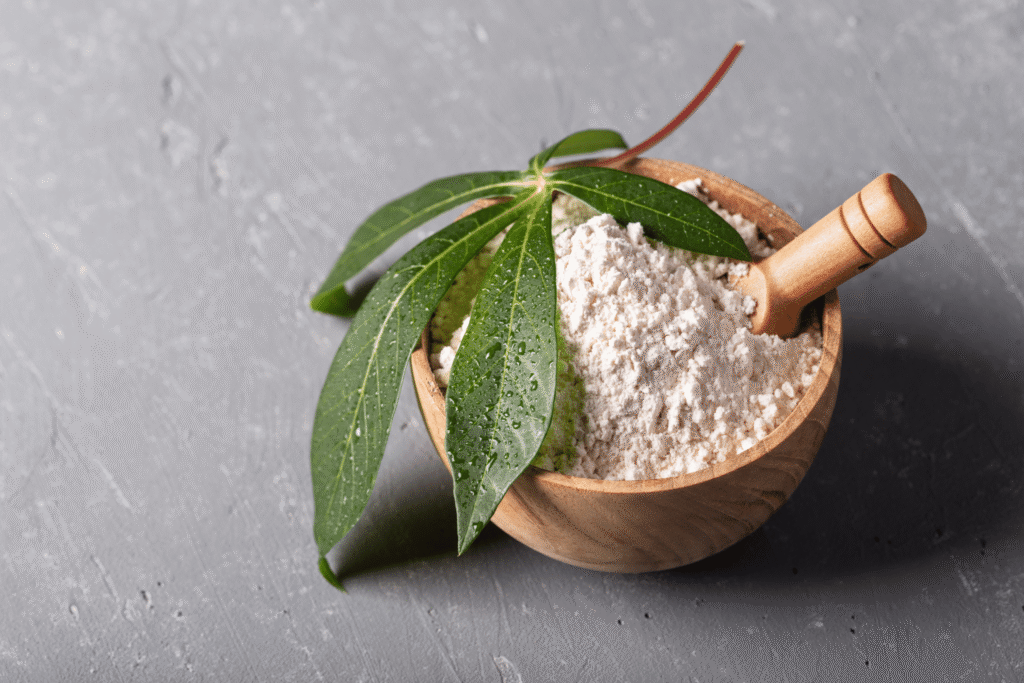
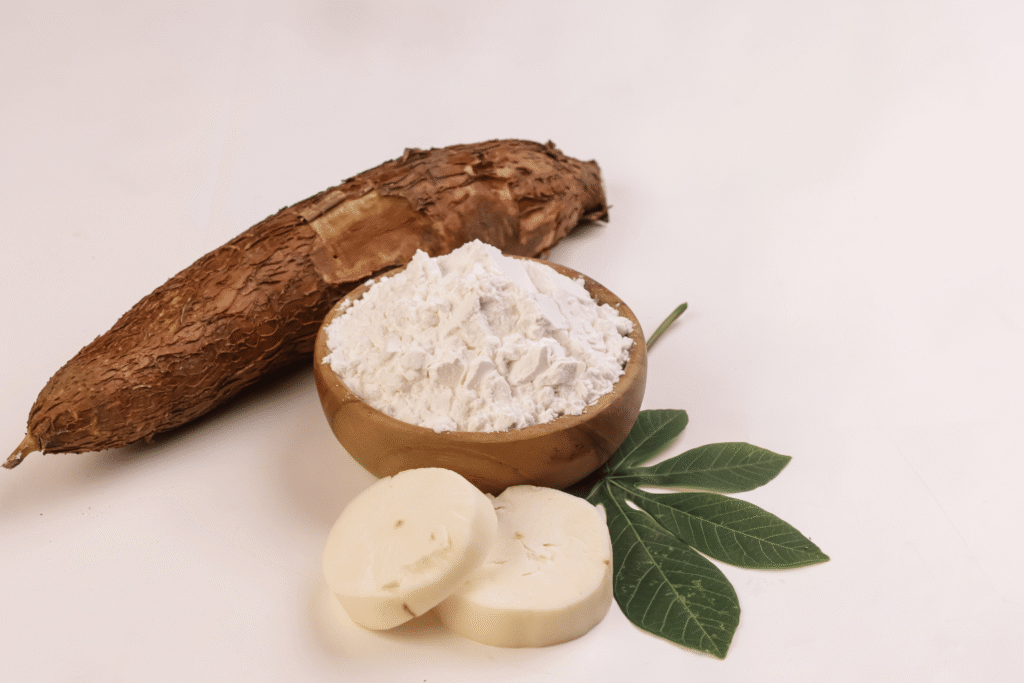
This starch flour is obtained from the roots of cassava plants, botanically classified as Manihot esculenta. Unlike cereal flours, it contains no gluten and is composed almost entirely of carbohydrates in starch form. This composition makes it suitable for gluten free diets and for applications where a neutral structural ingredient is required.
Historically, cassava starch was first developed in South America by indigenous communities who relied on cassava as a staple crop. Over time, the starch extraction techniques evolved and spread to Africa and Asia, where cassava adapted well to tropical climates. Today, this flour is produced at scale in several regions, particularly Southeast Asia and South America, supplying global demand across food and non food sectors.
In modern trade, white fine powder grades packaged in 25kg formats are commonly used to meet standardized quality expectations. The bright color reflects high purity, while the absence of fiber or residue indicates careful refinement. These attributes make the ingredient suitable for export-oriented food production and private label manufacturing across different continents.
Cassava Origins and Agricultural Background
The foundation of this flour lies in the cassava plant, a hardy root crop known for its adaptability and resilience. Cassava grows efficiently in poor soils and dry conditions, making it a dependable agricultural resource in many tropical countries. Its roots are rich in starch, which is the primary component used to create refined starch flour.
Cassava roots typically reach maturity within one year and offer high yields per hectare. Their natural starch content allows efficient conversion into fine powder form without the need for chemical enhancement. This agricultural advantage has positioned cassava starch as a strategic commodity in global food security and ingredient supply.
Culturally, cassava has been part of daily diets for generations. The starch extracted from its roots has been used in flatbreads, porridge-like dishes, and traditional desserts long before industrial processing existed. As food systems modernized, the same starch found new relevance in contemporary food innovation due to its functional reliability.
Key Characteristics and Functional Qualities
One defining quality of this starch flour is its exceptionally fine texture. The powder disperses evenly in liquid, reducing clumping and producing smooth results. This feature is particularly important for sauces, fillings, and beverages that require a uniform mouthfeel.
Another important characteristic is its high starch concentration combined with low protein and fat levels. This composition allows the flour to act as an effective thickener and binder. When heated, it forms a clear and glossy gel, unlike some starches that produce cloudy or dull finishes.
Color consistency is also a critical indicator of quality. A clean white appearance signals thorough purification and minimal contamination. This visual neutrality is highly valued by food manufacturers who need ingredients that do not interfere with product appearance.
In addition, the starch demonstrates excellent stability during freezing and thawing cycles. It maintains texture without separating, making it suitable for frozen foods and ready to serve products. Its long shelf life further enhances its appeal for bulk storage and international distribution.
Nutritional Profile and Dietary Benefits
From a nutritional perspective, this cassava-based flour serves primarily as an energy source. It delivers carbohydrates that the body can quickly convert into usable energy. While it is not rich in protein or fat, it complements nutrient dense ingredients when used as part of balanced meals.
The absence of gluten makes it a suitable option for individuals with gluten sensitivity or celiac disease. It also contains no cholesterol and only trace amounts of sodium, aligning with dietary patterns that prioritize digestive comfort and cardiovascular awareness.
Digestibility is another notable benefit. The starch structure breaks down efficiently during digestion, making it gentle on the stomach. For this reason, it is commonly used in foods designed for children, elderly individuals, or people recovering from illness.
Although micronutrient levels are modest, small amounts of calcium, iron, and potassium may be present depending on growing conditions. Combined with other foods, this starch flour contributes to overall dietary intake without introducing allergens or strong flavors.
Culinary and Non-Food Applications
This versatile flour appears in a wide range of culinary applications. In baking, it enhances elasticity and chewiness, especially in gluten free recipes. It helps bind doughs and improves texture in bread, pastries, and cookies without altering taste.
In cooking, it functions as a dependable thickener for soups, gravies, and sauces. Its ability to produce a clear finish preserves the visual appeal of dishes such as fruit fillings and dessert glazes. It also improves crispness in fried foods when used as part of coating mixtures.
Many iconic foods rely on this starch for their signature texture. It forms the base of tapioca pearls, contributes to chewy snacks, and improves mouthfeel in noodles and processed meat alternatives. Its neutral profile allows it to adapt to both sweet and savory formulations.
Beyond food, the starch is used in biodegradable packaging, paper production, and textile applications. Its natural binding properties make it suitable for environmentally conscious industries seeking plant based materials. These diverse uses highlight its economic significance beyond culinary contexts.
Export Reliability from Indonesia
Tapioca Flour exporters from Indonesia are known for their ability to supply consistent volumes while maintaining quality standards. This reliability is essential for international buyers who depend on uninterrupted raw material supply.
Indonesia’s cassava farming sector supports year round production, reducing the risk of seasonal shortages. Export oriented suppliers maintain strong relationships with local farmers and processors, ensuring stable raw material availability. This integrated supply chain allows exporters to respond quickly to large orders and long term contracts.
Another strength of Indonesian Tapioca Flour exporters lies in their understanding of international shipping and documentation. From customs clearance to export certificates, experienced suppliers streamline the process to avoid delays at destination ports.
According to global trade data from organizations such as the International Trade Centre, Southeast Asia remains one of the leading exporters of tapioca starch products, highlighting Indonesia’s role as a trusted source for global food markets.
Supplier Selection Tips for Food Buyers
Choosing the right Tapioca Flour supplier is critical for long term success. Food buyers should look beyond price and focus on reliability, transparency, and communication.
A professional supplier provides clear product specifications, sample availability, and responsive customer support. Consistent quality across shipments is a strong indicator of a well managed production process. Buyers should also evaluate the supplier’s export experience, including their ability to meet destination country regulations.
Sustainability practices are becoming increasingly important in supplier selection. Responsible sourcing, waste reduction, and ethical labor practices enhance brand reputation and align with global food industry trends.
Building a long term partnership with a trusted Tapioca Flour exporter can reduce supply risks and improve cost efficiency over time. Open communication and mutual understanding help both parties adapt to market changes and demand fluctuations.
Efba Agro Export Commitment
As part of Indonesia’s growing agricultural export sector, efba agro is committed to supplying reliable Tapioca Flour for international food buyers. With a focus on quality, consistency, and transparent trade practices, efba agro supports buyers seeking dependable long term supply solutions.
By combining local sourcing expertise with export oriented standards, efba agro helps bridge Indonesian agricultural potential with global food industry needs. This commitment ensures that buyers receive tapioca flour that meets functional requirements while maintaining competitive pricing.
Sustainable Food Supply
Tapioca Flour export in 30kg bags offers food buyers a practical, reliable, and versatile ingredient for modern food production. From bakery and snacks to sauces and plant based foods, tapioca flour continues to support innovation across the global food industry.
Indonesia’s strong production base, combined with experienced exporters, makes it an ideal sourcing destination. By choosing professional suppliers who prioritize quality, compliance, and partnership, food buyers can secure stable supply chains and support long term business growth.
direct consultation and pricing, feel free to contact us via this WhatsApp and discuss your Tapioca Flour requirements with our team.
EFBA Agro International: A Global Supplier Built on Quality, Integrity, and Long-Term Collaboration

EFBA Agro International has grown into one of Indonesia’s most trusted agricultural exporters, serving food manufacturers, distributors, and industrial companies around the world. Built on a foundation of transparency, quality assurance, and long-term collaboration, EFBA Agro delivers a portfolio of commodities designed to support the evolving needs of global supply chains. For buyers who rely on Tapioca Flour as a core ingredient in food production or industrial applications, EFBA Agro provides not only consistent quality but also the confidence that every shipment meets international standards. Our sourcing network spans multiple agricultural regions in Indonesia, giving buyers access to stable production, clear documentation, and export-ready packaging that aligns with global procurement systems.
What sets EFBA Agro apart is our commitment to direct collaboration with processors, mills, and farmer groups. This approach ensures full visibility over raw material selection, processing techniques, and quality control benchmarks. While Tapioca Flour remains one of our strongest export categories, we are equally dedicated to developing a diversified commodity line that supports a wider range of industries. Our export operations emphasize reliability, communication, and proactive updates, helping buyers plan ahead and avoid supply disruptions. EFBA Agro positions itself not just as a vendor but as a strategic partner capable of supporting long-term procurement planning across multiple product categories.
EFBA Agro’s Full Commodity Line: From Tapioca Flour to Premium Spices and Natural Ingredients
Beyond our focus on Tapioca Flour, EFBA Agro International offers a comprehensive selection of agricultural commodities tailored for global markets. Each product category is handled with strict quality protocols, ensuring consistency from the point of harvest to export clearance.
Our portfolio includes Arenga Palm Sugar (both molded and granulated), Candlenut (shelled and polished grades), Black Pepper, Vanilla Beans, Nutmeg, Cloves, Cocoa derivatives, and specialty natural ingredients sourced from Indonesia’s most productive agricultural zones. These commodities support various industries from food and beverages to natural cosmetics, wellness, and industrial formulations.
The diversity of this portfolio allows buyers to consolidate multiple SKUs under one trusted supplier, significantly reducing logistical complexity and administrative workload. Companies that purchase Tapioca Flour often expand their partnership with EFBA Agro once they recognize the operational advantages of working with a supplier capable of managing large-volume shipments, export documentation, container optimization, and consistent communication.
Our website’s commodities section highlights each product’s specifications, applications, and export readiness, ensuring that buyers can evaluate options clearly before placing an order. By offering a multi-commodity ecosystem with modern, export-focused processes, EFBA Agro reinforces its commitment to supporting long-term growth for global manufacturers and distributors.
FAQ
- What makes Efba Agro a reliable supplier of Tapioca Flour?
Efba Agro ensures consistent quality through strict sourcing, direct mill collaboration, and export-grade processing standards. Buyers receive stable specifications suitable for food and industrial applications. - Does Efba Agro provide documentation for Tapioca Flour export?
Yes. We supply COA, MSDS, packing lists, phytosanitary documents, and all required export paperwork to meet international customs and port regulations. - Can buyers request customized Tapioca Flour specifications?
Absolutely. Efba Agro can match granule size, moisture targets, and texture requirements depending on whether the flour is used for food production or industrial formulations. - What packaging options are available for Tapioca Flour?
The standard export format is 25kg bags, chosen for warehouse efficiency, pallet compatibility, and contamination-free transport during long-distance shipping. - Does Efba Agro offer other commodities besides Tapioca Flour?
Yes. We provide a diversified portfolio including palm sugar, vanilla, candlenut, nutmeg, cloves, black pepper, and other natural ingredients sourced across Indonesia. - How does Efba Agro support long-term procurement planning?
We offer transparency regarding capacity, seasonal trends, and supply forecasts. This helps global buyers maintain stable production schedules and avoid supply interruptions.