Cassava, a globally important tuber, has been a staple for centuries due to its rich nutritional profile and adaptability in many cuisines. This starchy root provides not only energy but also essential micronutrients and culinary versatility. In this article, we explore 15 key facts that cover everything from its origin and botanical characteristics to nutrition, health benefits, and cultural importance. By the end, readers will have a comprehensive understanding of this root’s role in diets, agriculture, and food traditions worldwide.
1. Cassava Defined: What Is Cassava and Why It Matters
Cassava is a starchy tuberous root vegetable scientifically known as Manihot esculenta. It belongs to the Euphorbiaceae family and is native to South America, especially the Amazon basin. Indigenous peoples first domesticated Cassava thousands of years ago, long before global food systems existed. From its origins, Cassava spread to Africa and Asia during early trade routes and colonial movements, eventually becoming a staple crop in many tropical regions. Cassava’s importance is tied to its energy-rich roots, agricultural resilience, and cultural significance in traditional diets around the world.
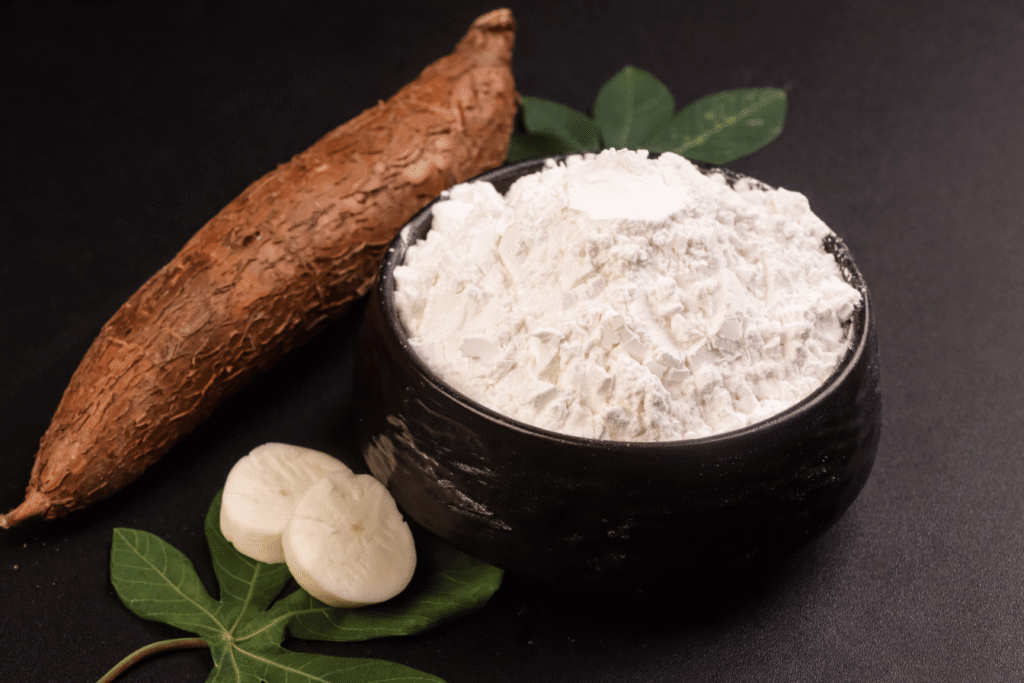
The plant grows as a perennial shrub with slender stems and leaves, but it is the underground roots that carry the food value. Cassava roots typically have a rough, brown, bark-like outer skin and a white or cream interior. Their texture is firm and consistent, with a high starch content that provides calories and sustenance where food security is a concern. Unlike sweet potato or yam, Cassava’s flavor is mild, slightly earthy, and adaptable to many dishes once properly cooked. In fact, raw Cassava contains compounds that can produce cyanide if consumed without processing, which is why traditional preparation techniques such as peeling, soaking, fermenting, and extensive cooking are essential.
Cassava’s broad significance lies not only in its role as a caloric staple for millions of people but also in its cultural integration. From the fufu of West Africa to the Cassava cakes of Latin America and the Cassava chips of Southeast Asia, this root manifests uniquely across global cuisines. Fact 1 clearly shows that Cassava is much more than a vegetable, it’s a fundamental food source with deep historic roots and wide geographic influence.
2. Cassava Origin and Global Spread
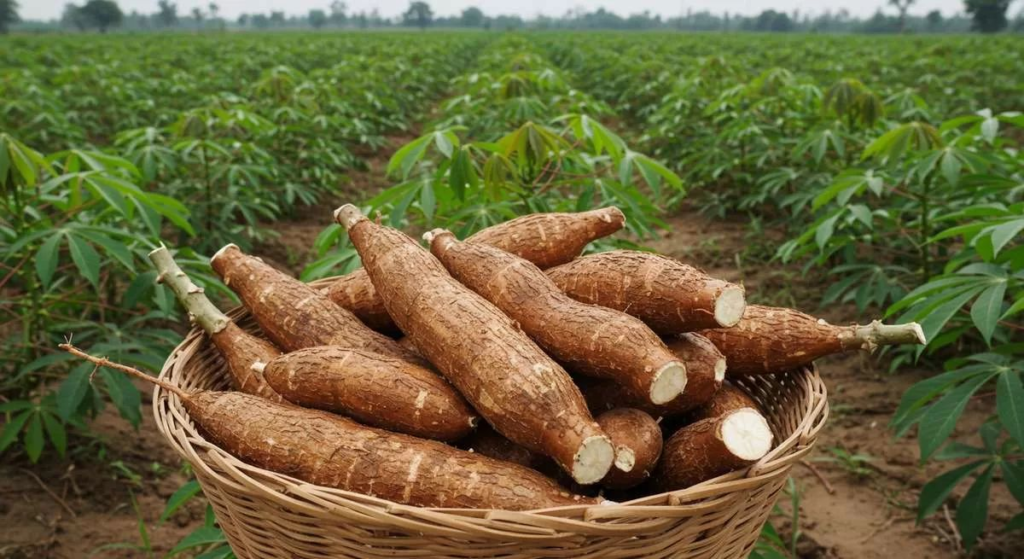
The origins of this root trace back to tropical South America, particularly the Amazon River basin. Archaeological evidence shows cultivation by indigenous groups such as the Carib and Arawak over 8,000 years ago. Early farming practices involved selective propagation of the most productive roots, establishing cassava as a dependable energy source. Its resilience to variable tropical conditions allowed it to become a staple in local diets long before European contact.
During the 16th century, European colonizers and traders transported this starchy root to Africa. Its ability to thrive in poor soils and withstand drought made it invaluable in regions prone to food scarcity. African societies adapted the root to local culinary traditions, creating garri, fufu, and cassava flour for bread-like preparations. Its introduction to Africa illustrates both botanical adaptability and cultural integration.
By the 19th century, cassava had reached Asia, flourishing in countries such as Indonesia, Thailand, Vietnam, and the Philippines. Its cultivation spread due to its versatility and reliable yields under challenging climatic conditions. Across continents, communities developed specific preparation methods that aligned with local tastes, from Brazilian farinha to Southeast Asian sweet cakes.
This global spread highlights the tuber’s agricultural flexibility. Beyond being a food crop, it became a cultural touchstone, influencing culinary traditions and food security policies. The starchy root’s movement across continents demonstrates its ability to adapt to diverse ecosystems while maintaining a central role in human diets. From South America to Africa and Asia, the root exemplifies how a single crop can have a transformative effect on nutrition, culture, and agriculture worldwide.
3. Cassava Characteristics and Physical Traits
The physical appearance of this starchy root makes it easy to distinguish from other underground crops. Each root is covered by a thick, rough brown skin that resembles tree bark, serving as a natural barrier against pests and environmental stress. Beneath this exterior lies a firm, starchy flesh that ranges in color from white to pale yellow, depending on the variety. The internal texture is dense and uniform, without the rings or fibers commonly found in yams or some sweet potato varieties.
Roots typically grow between 15 and 30 centimeters in length, though in fertile conditions they may become significantly larger. They grow in clusters beneath the soil, branching outward from the base of the plant. Above ground, the shrub features long, slender stems and palm-shaped leaves that support photosynthesis. This structure allows the plant to survive extended dry periods, contributing to its reputation as a resilient crop.
one defining characteristic is the root’s neutral flavor. Unlike sweeter tubers, this plant offers a mild, earthy taste that does not dominate dishes. This allows it to absorb spices, herbs, and sauces effectively, making it suitable for both savory and sweet preparations. When cooked, the flesh becomes soft yet slightly grainy, offering a satisfying texture that pairs well with soups, stews, or fried dishes.
Another distinctive trait is its long harvest window. The roots can remain underground for months after maturity without spoiling, giving farmers flexibility during uncertain seasons. These physical characteristics collectively explain why the root has become a dependable staple in tropical regions and why it continues to play a central role in traditional and modern cuisines alike.
4. Cassava Nutrition: Macronutrients Explained
From a nutritional perspective, this tuber is primarily valued for its energy-providing macronutrients. Carbohydrates dominate its composition, largely in the form of starch. A typical 100-gram serving of cooked root supplies approximately 160 to 190 calories, making it an efficient source of dietary energy. For communities where caloric intake is a daily concern, this characteristic has long positioned the root as a reliable staple.
Protein content in this crop is relatively low when compared to legumes or animal products. As a result, traditional diets that rely heavily on it often pair meals with beans, fish, eggs, or other protein-rich foods. Fat content is minimal, which makes the root suitable for energy-focused diets without contributing excess lipids. This balance allows it to serve as a foundational food that supports activity and daily labor.
A notable component of its carbohydrate structure is resistant starch. Unlike fully digestible starch, resistant starch passes through the small intestine and ferments in the colon. This process supports gut health and contributes to a longer-lasting feeling of fullness after meals. In practical terms, this helps regulate appetite and supports digestive balance.
The macronutrient profile of this root explains its long-standing role in subsistence farming systems. It offers stable energy, adapts to diverse preparation methods, and complements other nutrient-dense foods. While it does not provide complete nutrition on its own, its carbohydrate richness makes it indispensable in food systems designed around resilience and caloric sufficiency.
5. Cassava Nutrition: Vitamins and Minerals
Although energy content is its most recognized attribute, this starchy root also contains a range of vitamins and minerals that contribute to overall health. One of the most notable micronutrients present is vitamin C. When consumed cooked and fresh, the root provides a meaningful amount of this antioxidant, which supports immune defense, aids collagen synthesis, and enhances iron absorption from plant-based foods.
Several B-vitamins are also present, including thiamine, riboflavin, niacin, and folate. These nutrients play critical roles in energy metabolism, nervous system function, and red blood cell formation. While their concentrations are moderate, they contribute to daily nutritional needs when the root is consumed regularly as part of a varied diet.
Mineral content further enhances its nutritional value. Potassium supports fluid balance, muscle contraction, and blood pressure regulation. Magnesium contributes to enzyme activity and neuromuscular function, while copper assists in iron metabolism and connective tissue formation. Together, these minerals help maintain metabolic stability and cardiovascular support.
It is important to note that this crop does not replace nutrient-dense vegetables or animal-based foods. However, its micronutrient profile complements its macronutrient strength. In traditional diets, it is commonly paired with leafy greens, legumes, or fermented foods to achieve nutritional balance. This combination explains how populations relying on this root have sustained health across generations.
6. Cassava Safety: Cyanogenic Compounds and Preparation
One of the most critical facts about this tuber involves its natural defense compounds. The roots contain cyanogenic glycosides, substances that can release cyanide when the plant tissue is damaged. This makes proper preparation essential before consumption. Eating the root raw or inadequately processed can pose serious health risks, a fact well understood in traditional food cultures.
The highest concentration of these compounds is found in the outer skin, which is why thorough peeling is the first required step. After peeling, many traditional methods involve soaking the roots in water for extended periods. This process allows water-soluble toxins to leach out. Fermentation, commonly practiced in African and South American food traditions, further reduces harmful compounds while enhancing flavor and shelf life.
Cooking completes the detoxification process. Boiling, steaming, baking, or roasting effectively neutralizes remaining cyanogenic content. Different varieties also vary in toxicity levels. “Sweet” types contain lower concentrations and require less processing, while “bitter” types demand careful soaking and fermentation before cooking.
These preparation techniques reflect generations of agricultural knowledge and culinary adaptation. They demonstrate how human innovation transformed a potentially dangerous plant into a safe and nourishing food source. Understanding this fact is essential, as it explains both the cultural practices surrounding the root and the importance of respecting traditional preparation methods when incorporating it into modern diets.
7. Cassava Health Benefits: Digestive Support
One important reality often overlooked is how strongly this root crop supports food security, especially in tropical and subtropical regions. It grows well in poor soil conditions where other staple crops struggle, including areas with low rainfall or limited access to fertilizers. Because of this resilience, farmers can still harvest reliable yields even during challenging seasons. In many rural communities, this reliability plays a quiet but vital role in preventing food shortages when rice, wheat, or maize production declines.
Another factor contributing to food security is its flexible harvesting time. Unlike many crops that must be harvested at a fixed maturity window, this root can stay in the ground for months until it is needed. Farmers can harvest it gradually, aligning supply with household consumption or market demand. This characteristic reduces post harvest losses and helps families manage food availability more strategically throughout the year.
Beyond direct consumption, it is also processed into flour, starch, and animal feed, extending its value across multiple sectors. These derivatives help stabilize local food systems by providing affordable ingredients for daily meals and food processing industries. In regions facing population growth and climate uncertainty, this adaptability makes the crop a dependable foundation for long term food resilience.
8. Cassava Health Benefits: Heart and Blood Pressure Support
Among the lesser-recognized but meaningful benefits of Cassava is its potential contribution to heart health. Cassava’s micronutrient profile includes significant potassium, which helps regulate blood pressure by balancing sodium levels in the body. High sodium intake is widely associated with elevated blood pressure, while potassium promotes vasodilation the relaxing of blood vessel walls supporting smoother circulation and lower cardiovascular strain.
In addition to potassium, Cassava’s fiber content indirectly supports heart health. Dietary fiber has been linked with lower LDL cholesterol levels, which reduces the risk of plaque buildup in arteries and thereby protects against atherosclerosis. Though Cassava alone won’t replace medically guided treatments or diets specifically formulated for cardiac conditions, its inclusion in a nutrient-balanced eating pattern offers supportive benefits.
It’s important to highlight that consuming Cassava with other nutrient-dense foods such as leafy greens, legumes, and heart-healthy fats enhances its overall influence on cardiovascular wellbeing. Heart health is multifactorial, involving diet, lifestyle, genetics, and activity levels. Cassava’s role within this ecosystem is as a supportive root that contributes potassium and fiber while delivering energy-rich carbohydrates. These benefits are best leveraged in balanced diets rather than consumed in isolation. When integrated with heart-friendly foods and mindful eating habits, Cassava can be part of a lifestyle that supports healthy blood pressure and cardiovascular resilience.
9. Cassava Health Benefits: Immune System Support
While root vegetables are often valued for energy and fiber, Cassava also plays a subtle but meaningful role in supporting the immune system. Cassava contains vitamin C, a potent antioxidant essential for immune function. Vitamin C promotes the production of white blood cells, which defend against infections and help the body respond to oxidative stress. This antioxidant ability also helps regenerate other antioxidants in the body, creating a protective network against cellular damage.
Cassava’s contribution to immune health extends beyond vitamin C alone. Its B-vitamins, including folate and B6, support metabolic processes tied to immune cell development and energy production. Minerals like copper and magnesium are co-factors in enzymatic reactions that influence immune regulation and inflammatory responses. Though Cassava isn’t a standalone source of all immune nutrients, its blend of vitamins and minerals contributes to a holistic nutritional foundation.
In regions where Cassava is a dietary staple, combining it with diverse local foods, such as vegetables, lean proteins, and fruits enhances these immune benefits. Traditional meals often pair Cassava with leafy greens, legumes, fish, or poultry, creating nutrient-rich, balanced dishes that support immunity effectively. This immune support demonstrates that Cassava’s value extends beyond calories and starch. Its nutrient blend, when part of a well-rounded diet, supports processes essential for resisting pathogens and maintaining overall health, highlighting Cassava as both a culinary and functional food.
10. Cassava Culinary Uses: Versatility in Global Kitchens
One of the most fascinating facts about Cassava is its culinary versatility across global cuisines. Because Cassava has a mild, slightly earthy flavor and firm starchy texture, it readily absorbs spices, herbs, sauces, and cooking liquids. Different cultures have adapted Cassava into signature dishes that reflect local taste preferences and cooking traditions.
In Brazil and other parts of South America, Cassava may be boiled and shredded to make farinha a flour-like accompaniment for hearty meals. Cassava also appears in pão de queijo (cheese bread), where its starch creates a chewy, satisfying texture. In West and Central Africa, Cassava is processed into garri, a toasted granular form eaten with soups or stews, and fufu, a pounded paste served with savory sauces. In Southeast Asia, Cassava can be fried into chips, roasted, or used in sweet desserts like cassava cake. In the Caribbean, Cassava bread and cassava pone showcase how the root transforms in baked preparations.
This wide culinary range shows that Cassava is not constrained to a single preparation style. Its starchiness makes it ideal for frying, yielding crispy chips; boiling softens it for mashes; steaming preserves subtle flavor while maintaining structure; and baking allows it to pair with sweet elements. Even soups and stews benefit from Cassava chunks, which provide body and texture. By crossing continents and cultures, Cassava demonstrates an almost unparalleled ability to mold itself into local foods that meet both daily sustenance needs and celebratory feasts. This culinary adaptability is a defining fact about this remarkable root.
11. Cassava Flour and Gluten-Free Baking
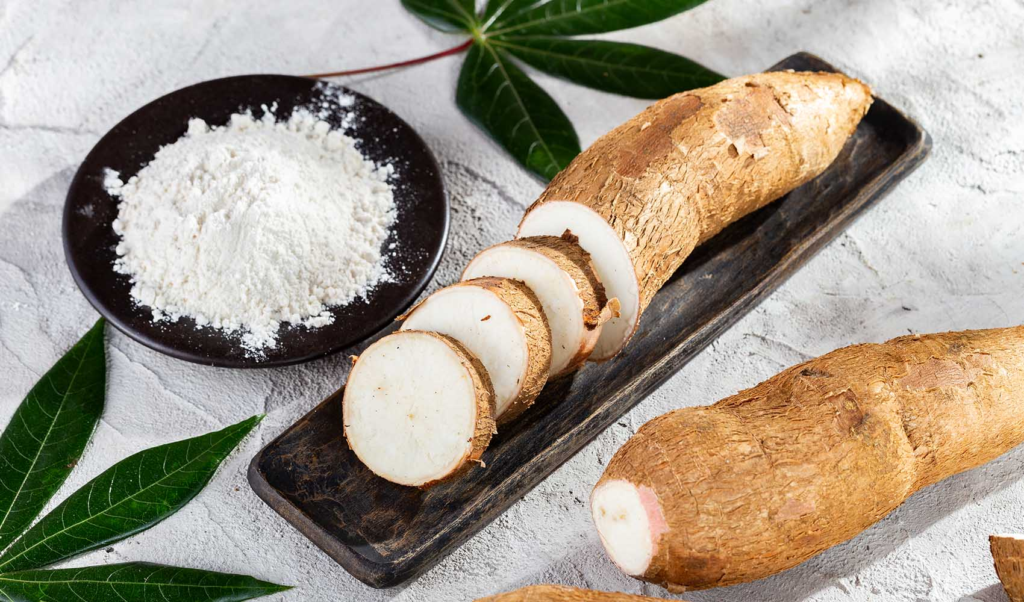
In recent years, Cassava has become particularly popular among gluten-free and alternative baking communities thanks to its flour. Cassava flour is milled from the whole dried root, preserving its fiber and starch components. Its neutral flavor and smooth texture make it an excellent substitute for wheat flour in many recipes, from tortillas and pancakes to cookies and cakes.
Unlike tapioca starch which is also derived from Cassava but more refined Cassava flour retains more of the root’s original nutrition. This means it contains fiber, micronutrients, and resistant starch that support digestive health. In baking, Cassava flour behaves differently from wheat: it absorbs more moisture and often requires adjustments in liquid ratios. However, once mastered, it can yield tender, flavorful results that suit both sweet and savory applications.
For home bakers seeking gluten-free alternatives, Cassava flour offers a versatile foundation. It works well in combination with other gluten-free flours like almond, coconut, or rice flour. Its neutral taste doesn’t overpower recipes, allowing spices, natural sweeteners, and other ingredients to shine. Many modern chefs and recipe developers now include Cassava flour in their repertoire precisely because it bridges the gap between traditional flours and grain-free diets. As gluten sensitivities and alternative eating patterns grow in popularity, Cassava flour stands out as a reliable ingredient that honors both tradition and innovation.
12. Important Source of Income for Smallholder Farmers
For millions of smallholder farmers, this crop represents more than food, it is a primary source of income. Its low production cost and high adaptability allow farmers with limited resources to participate in the market. Even small plots of land can generate meaningful returns when managed properly.
Market access has expanded through better logistics and export demand for processed products. Cooperatives and contract farming models further help farmers secure stable buyers and fair pricing. These arrangements reduce risk and encourage consistent quality improvements at the farm level.
Income generated from cultivation often supports education, healthcare, and community development. As rural economies depend heavily on agriculture, this crop plays a quiet but essential role in improving livelihoods and reducing poverty in producing regions.
13. Supports Livestock and Feed Industries
Leaves and byproducts are commonly used in animal feed, particularly for cattle, poultry, and fish. They provide a cost effective energy source when formulated correctly. This helps reduce reliance on imported feed ingredients, lowering production costs for farmers and feed manufacturers.
In integrated farming systems, using crop residues as feed improves overall efficiency. Nothing goes to waste, and farmers can balance crop and livestock production more sustainably. This synergy strengthens food systems by linking plant and animal agriculture.
As global demand for protein increases, affordable feed sources are becoming increasingly important. This crop’s contribution to the feed industry holds promise for applications beyond direct human consumption.
14. Strong Export Potential from Producing Countries
Countries with favorable growing conditions have significant export opportunities. Processed products are shipped to markets across Asia, Europe, and the Americas, serving food manufacturers and industrial buyers. Consistent quality and compliance with international standards are key drivers of this trade.
Export growth supports national economies by generating foreign exchange and encouraging agricultural investment. Infrastructure improvements such as drying facilities and ports further enhance competitiveness in global markets. As demand for plant based and alternative ingredients rises, export potential continues to expand. This trend creates long term opportunities for producers willing to invest in quality, traceability, and sustainability.
15. Cassava’s Place Among Major Crops and Agricultural Systems
Despite fierce competition from staples like rice, wheat, and maize, Cassava holds a distinctive place in global agricultural systems. Its ability to thrive where other crops falter makes it crucial for food security in many tropical nations. As a result, Cassava is considered one of the world’s most important food crops in terms of caloric contribution and agricultural significance.
Beyond its basic role, Cassava’s adaptability into diverse cuisines, nutritional contributions, and economic impact highlights how this root remains relevant in both rural livelihoods and contemporary food networks. It stands not only as a source of energy but as a testament to human ingenuity in adapting agriculture to environmental challenges and cultural contexts.
FAQ
1. Is cassava safe to eat every day?
Cassava is safe for daily consumption as long as it is properly processed and cooked. Raw roots contain natural cyanogenic compounds that can be harmful if consumed without preparation. Peeling, soaking, fermenting, and thorough cooking significantly reduce these compounds. In many regions, this root is a daily staple and provides reliable energy when handled correctly.
2. What is the difference between bitter and sweet cassava?
Sweet varieties contain lower levels of cyanogenic compounds and are commonly used for household cooking. Bitter types have higher toxin levels and are usually processed into flour, starch, or fermented products. The difference is not obvious by appearance alone, which is why traditional knowledge and proper processing methods are essential.
3. Can cassava be included in gluten-free diets?
Yes, cassava is naturally gluten-free and suitable for people with gluten intolerance. Products derived from this root are widely used as wheat alternatives in baking and cooking. Its neutral flavor makes it easy to adapt into various recipes without altering taste significantly.
4. How does cassava support food security?
This crop grows well in poor soils and dry climates where other plants struggle. Its resilience makes it a reliable food source during droughts or economic hardship. Because of this adaptability, it plays a critical role in sustaining rural communities.
5. How should fresh cassava roots be stored?
Fresh roots spoil quickly if left untreated. They should be kept in a cool, dry place and consumed within a few days. For longer storage, peeling and freezing or processing into dried forms is recommended.
For readers seeking more on agricultural commodities and practical insights on Cassava, explore Efba Agro browse commodities, or learn about Cassava flour to integrate this versatile root into your own kitchen. For inquiries or orders, contact via WhatsApp.