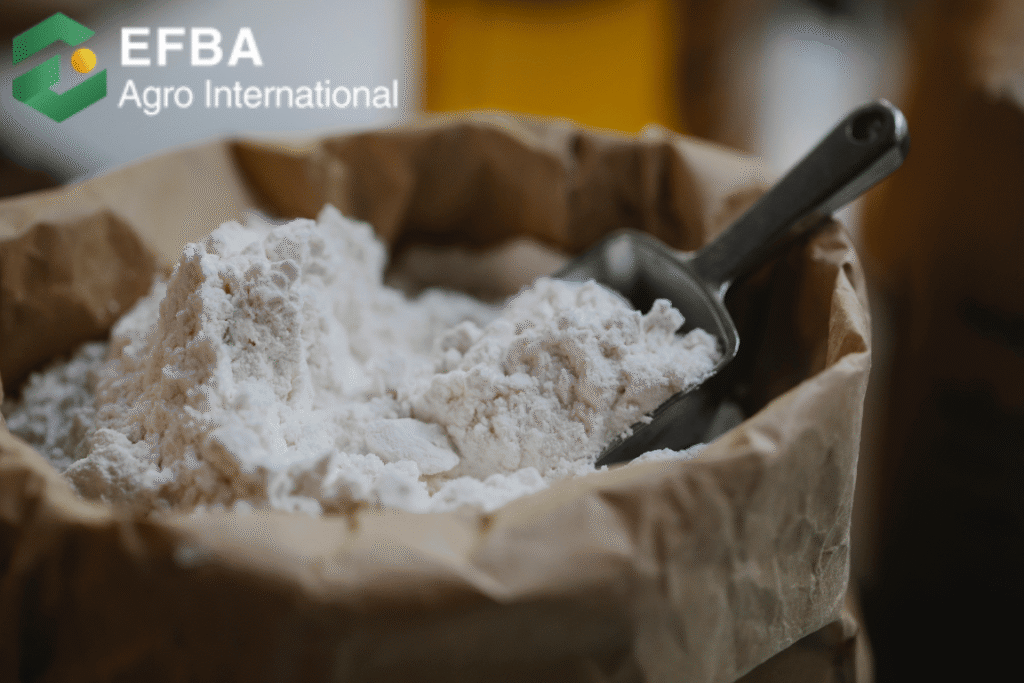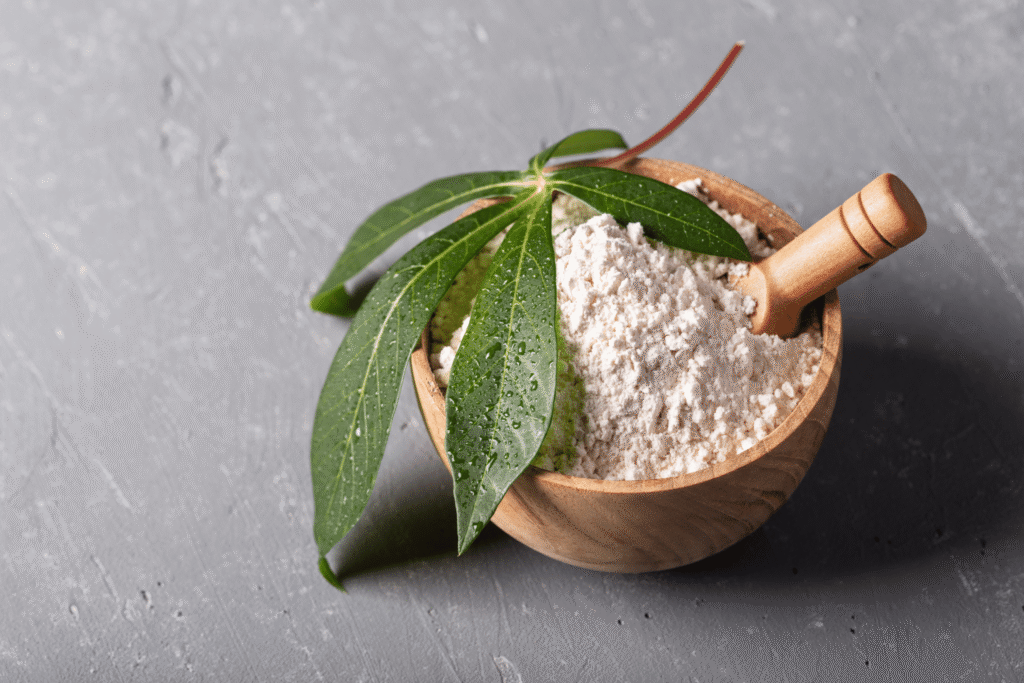

Flour Trade Tapioca has emerged as a critical commodity for food industries and industrial applications worldwide. With the increasing global demand for high-quality tapioca flour, suppliers are now offering 50kg bags, designed to simplify logistics, preserve product quality, and support large-scale production. Whether used in culinary processes, industrial formulations, or for export purposes, Flour Trade Tapioca provides consistent performance, reliability, and premium standards.
In recent years, global trends indicate a rising need for gluten-free and plant-based ingredients. Flour Trade Tapioca perfectly meets this demand, positioning itself as a versatile and essential ingredient. As industries increasingly adopt tapioca flour, sourcing from trusted suppliers with international certifications becomes crucial.
Why Choose Flour Trade Tapioca in 50kg Bags
Packaging tapioca flour in 50kg bags offers numerous advantages for both suppliers and buyers. First, it enables efficient bulk handling during shipping, reducing operational costs for distributors and manufacturers. Large bags also reduce the risk of contamination, which is particularly important in the food industry where hygiene standards are critical.
Flour Trade Tapioca in 50kg bags also ensures uniform quality, moisture content, and texture, making it suitable for both industrial and culinary use. The packaging format caters to bakery industries, noodle manufacturers, and food processors, where high-volume consistency is essential.
Moreover, many suppliers now adhere to international food safety standards such as ISO 22000 and HACCP. This guarantees that every batch of Flour Trade Tapioca meets global quality requirements, enhancing its suitability for export markets. For businesses looking for a reliable source, explore Efba Agro.
Global Market Trends for Tapioca Flour
The demand for Flour Trade Tapioca has grown steadily in Asia, Europe, and the Americas. In Asia, tapioca flour remains a staple in traditional cuisines. In Western markets, it is gaining popularity as a gluten-free alternative for baking, sauces, and thickening applications.
According to market research, the global tapioca flour market is projected to grow at a CAGR of approximately 5% over the next five years. Factors driving this growth include:
- Increased awareness of gluten-free diets
- Expansion of plant-based and vegan food products
- Rising demand in industrial applications such as adhesives and bio-plastics
- Export opportunities to Europe, North America, and Japan
Flour Trade Tapioca is now recognized as a globally traded commodity, with bulk buyers seeking reliable suppliers who provide consistent quality and timely delivery.
Comparing Top Suppliers of Flour Trade Tapioca
Choosing the best supplier is essential for businesses aiming to maintain efficiency and quality. Here’s a comparison of critical factors when evaluating suppliers:
| Factor | Recommended Supplier Features |
|---|---|
| Product Quality | Uniform texture, consistent moisture, purity, suitable for food and industrial use |
| Certifications | ISO 22000, HACCP, FDA approval for export markets |
| Supply Capacity | Ability to handle bulk orders (50kg bags or more) with flexible shipping |
| Sustainability | Ethical sourcing, eco-friendly production methods |
| Customer Support | Responsive, provides consultancy for export logistics |
Selecting a supplier that meets these criteria ensures smooth operations, minimizes supply chain risks, and supports global expansion strategies. For sourcing options, detailed product specs, and supply inquiries, visit Efba Agro.
Applications of Flour Trade Tapioca
Flour Trade Tapioca serves multiple industries due to its functional versatility:
- Food Industry: Essential in bakery products, confectionery, noodles, and as a natural thickening agent.
- Industrial Applications: Used as a binder, adhesive, and stabilizer in manufacturing processes.
- Health and Specialty Products: Integral to gluten-free, vegan, and plant-based formulations.
- Export-Ready Products: Preferred for international trade due to compliance with food safety regulations.
This flexibility allows suppliers and manufacturers to tap into various market segments, making Flour Trade Tapioca a highly sought-after commodity.
Exporting Flour Trade Tapioca: Key Considerations
For businesses targeting global markets, exporting tapioca flour requires careful planning:
- Regulatory Compliance: Understanding import regulations, food safety certifications, and documentation requirements is essential.
- Packaging Standards: 50kg bags are preferred for bulk shipment while maintaining product integrity.
- Logistics Management: Reliable shipping, storage, and handling processes ensure timely delivery.
- Market Analysis: Identifying target countries with high demand and competitive pricing strategies enhances export success.
Suppliers offering consultancy services can simplify this process, enabling buyers to navigate international trade requirements with confidence.
Market Data Insights
Recent industry reports reveal that Asia remains the largest consumer of tapioca flour, with Indonesia, Thailand, and Vietnam being top producers. In Europe, Germany, France, and the UK are significant importers, driven by gluten-free product demand. North America follows closely, with rising adoption of plant-based diets boosting tapioca flour consumption.
By sourcing Flour Trade Tapioca from reputable suppliers, businesses can capitalize on these trends, ensuring high-quality products while expanding their market presence globally.
Your Global Partner for Quality Tapioca Flour
Flour Trade Tapioca in 50kg bags is more than just a commodity, it is a strategic asset for manufacturers, exporters, and food industries worldwide. Its consistent quality, versatile applications, and compliance with international standards make it indispensable for global trade.
For detailed product information and purchasing options, visit Tapioca Flour, check our commodities, or contact us directly via WhatsApp here.
Flour Trade Tapioca and Long Term Manufacturing Strategy

Flour Trade Tapioca is more than a raw ingredient. For food factories, it represents a long term strategic input that supports scalability, compliance, and product innovation. As consumer demand evolves toward cleaner labels and consistent quality, Flour Trade Tapioca continues to align with these trends.
Factories that integrate Flour Trade Tapioca into their core formulations gain flexibility to develop new products while maintaining familiar processing parameters. This adaptability is especially valuable in fast moving consumer goods markets where speed and consistency define success.
By choosing Flour Trade Tapioca clean grade 25kg packaging, food factories position themselves for sustainable growth supported by reliable raw materials and efficient supply chains.
Conclusion
Flour Trade Tapioca 25kg clean grade stands out as one of the best commodities for food factories seeking consistent quality, safe processing, and dependable supply. Its versatility across multiple food applications, combined with stable performance and cost efficiency, makes it an essential component in industrial food manufacturing.
For factories aiming to strengthen production reliability and meet global standards, Flour Trade Tapioca remains a smart and future oriented choice.
At efba agro, you can explore more about trusted suppliers and product insights through efba agro as a professional partner in agricultural trade. To view a broader range of commodities, visit our official commodities page. If you are specifically looking for premium Tapioca Flour suitable for food grade applications, detailed information is available on our tapioca flour page.
For direct consultation and pricing, feel free to contact us via WhatsApp beside and discuss your Flour Trade Tapioca requirements with our team.
EFBA Agro International: A Global Supplier Built on Quality, Integrity, and Long-Term Collaboration

EFBA Agro International has grown into one of Indonesia’s most trusted agricultural exporters, serving food manufacturers, distributors, and industrial companies around the world. Built on a foundation of transparency, quality assurance, and long-term collaboration, EFBA Agro delivers a portfolio of commodities designed to support the evolving needs of global supply chains. For buyers who rely on Tapioca Flour as a core ingredient in food production or industrial applications, EFBA Agro provides not only consistent quality but also the confidence that every shipment meets international standards. Our sourcing network spans multiple agricultural regions in Indonesia, giving buyers access to stable production, clear documentation, and export-ready packaging that aligns with global procurement systems.
What sets EFBA Agro apart is our commitment to direct collaboration with processors, mills, and farmer groups. This approach ensures full visibility over raw material selection, processing techniques, and quality control benchmarks. While Tapioca Flour remains one of our strongest export categories, we are equally dedicated to developing a diversified commodity line that supports a wider range of industries. Our export operations emphasize reliability, communication, and proactive updates, helping buyers plan ahead and avoid supply disruptions. EFBA Agro positions itself not just as a vendor but as a strategic partner capable of supporting long-term procurement planning across multiple product categories.
EFBA Agro’s Full Commodity Line: From Tapioca Flour to Premium Spices and Natural Ingredients
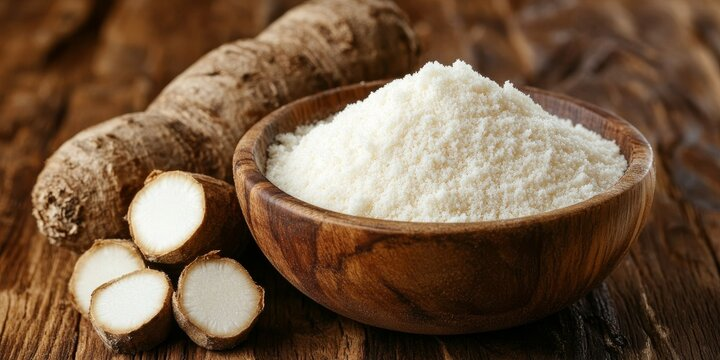
Beyond our focus on Tapioca Flour, EFBA Agro International offers a comprehensive selection of agricultural commodities tailored for global markets. Each product category is handled with strict quality protocols, ensuring consistency from the point of harvest to export clearance. Our portfolio includes Arenga Palm Sugar (both molded and granulated), Candlenut (shelled and polished grades), Black Pepper, Vanilla Beans, Nutmeg, Cloves, Cocoa derivatives, and specialty natural ingredients sourced from Indonesia’s most productive agricultural zones. These commodities support various industries—from food and beverages to natural cosmetics, wellness, and industrial formulations.
The diversity of this portfolio allows buyers to consolidate multiple SKUs under one trusted supplier, significantly reducing logistical complexity and administrative workload. Companies that purchase Tapioca Flour often expand their partnership with EFBA Agro once they recognize the operational advantages of working with a supplier capable of managing large-volume shipments, export documentation, container optimization, and consistent communication. Our website’s commodities section highlights each product’s specifications, applications, and export readiness, ensuring that buyers can evaluate options clearly before placing an order. By offering a multi-commodity ecosystem with modern, export-focused processes, EFBA Agro reinforces its commitment to supporting long-term growth for global manufacturers and distributors.
FAQ
1. What makes Efba Agro a reliable supplier of Tapioca Flour?
Efba Agro ensures consistent quality through strict sourcing, direct mill collaboration, and export-grade processing standards. Buyers receive stable specifications suitable for food and industrial applications.
2. Does Efba Agro provide documentation for Tapioca Flour export?
Yes. We supply COA, MSDS, packing lists, phytosanitary documents, and all required export paperwork to meet international customs and port regulations.
3. Can buyers request customized Tapioca Flour specifications?
Absolutely. Efba Agro can match granule size, moisture targets, and texture requirements depending on whether the flour is used for food production or industrial formulations.
4. What packaging options are available for Tapioca Flour?
The standard export format is 25kg bags, chosen for warehouse efficiency, pallet compatibility, and contamination-free transport during long-distance shipping.
5. Does Efba Agro offer other commodities besides Tapioca Flour?
Yes. We provide a diversified portfolio including palm sugar, vanilla, candlenut, nutmeg, cloves, black pepper, and other natural ingredients sourced across Indonesia.
6. How does Efba Agro support long-term procurement planning?
We offer transparency regarding capacity, seasonal trends, and supply forecasts. This helps global buyers maintain stable production schedules and avoid supply interruptions.
// Also Read:
Cascara Natural Tea Bulk Supplier 2025 from Indonesia – Coffeenesia Export Excellence!
Gayo Coffee 01 Single Origin Arabica Direct from Aceh By Coffeenesia!
Indonesian Coffee Beans 100% Fresh Origin!