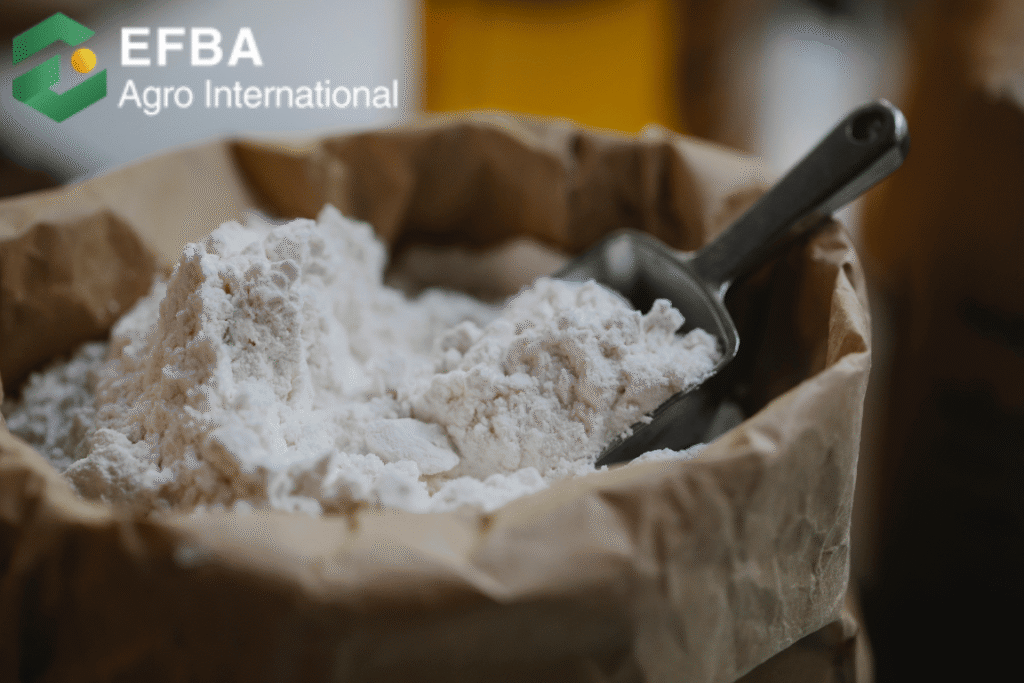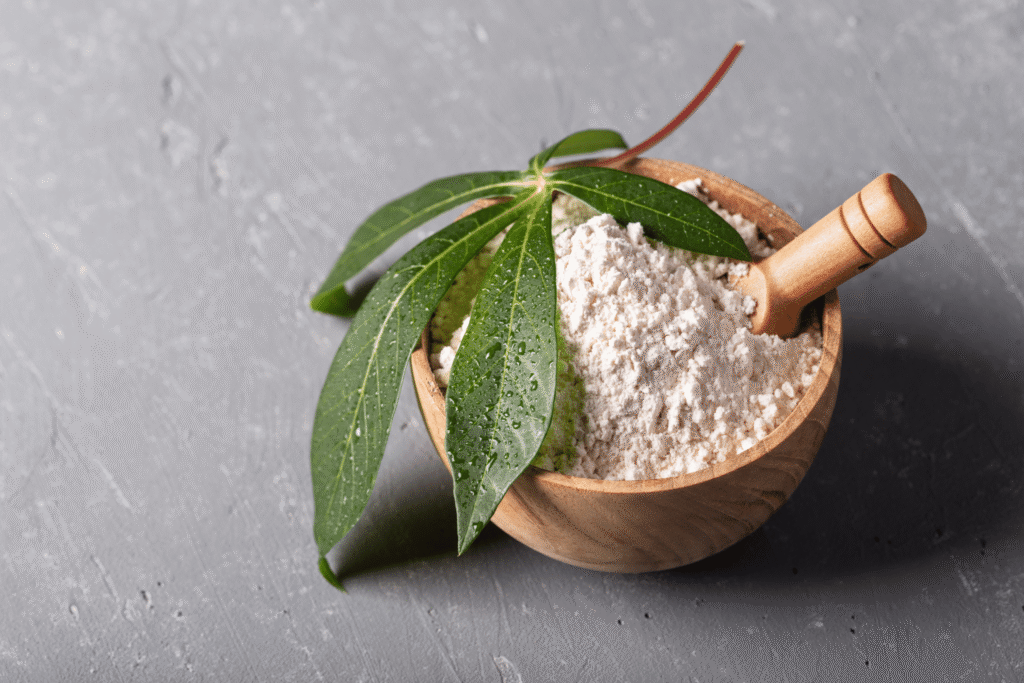

Flour Trade Tapioca continues to strengthen its role as a strategic commodity within global food and industrial manufacturing. As international markets demand raw materials that combine performance, stability, and cost efficiency, tapioca flour has emerged as one of the most reliable starch solutions available today. Buyers across Asia, Africa, Europe, and the Middle East increasingly rely on bulk 50kg packaging to support high-volume production, streamlined logistics, and predictable inventory management.
Driven by clean-label trends and the growing preference for gluten-free ingredients, Flour Trade Tapioca now serves as a core input for manufacturers seeking adaptable starches without flavor interference. Its neutral profile, consistent viscosity, and excellent binding characteristics allow producers to integrate tapioca flour into a wide range of formulations without compromising product integrity. From food processors to industrial manufacturers, buyers recognize that tapioca flour delivers both functional value and long-term sourcing security.
This article examines how Flour Trade Tapioca responds to global demand, why 50kg bulk packaging remains the preferred format for international buyers, and how strategic sourcing decisions influence long-term production efficiency. The discussion follows real trade dynamics, focusing on operational reliability rather than promotional claims, making it relevant for professionals operating in wholesale, manufacturing, and global supply chain management.
Understanding Flour Trade Tapioca in the Global Supply Chain
Flour Trade Tapioca plays a critical role in modern supply chains because it bridges agricultural production with industrial scalability. Derived from cassava roots cultivated in tropical regions, tapioca flour benefits from a renewable crop cycle and consistent starch yield. Countries such as Indonesia, Thailand, and Vietnam lead global production, supported by established processing facilities and export-ready infrastructure.
As manufacturers prioritize ingredient uniformity, tapioca flour offers stability that many alternative starches cannot match. Its fine granule structure ensures smooth texture, while controlled moisture levels support long shelf life during transport and storage. These attributes explain why Flour Trade Tapioca continues to expand beyond traditional food applications into pharmaceuticals, textiles, adhesives, and biodegradable materials.
From a logistics perspective, bulk sourcing allows buyers to synchronize procurement schedules with production cycles. Instead of managing fragmented deliveries, companies secure larger volumes that reduce administrative complexity and minimize supply disruptions. The result is a more resilient operation that adapts easily to fluctuations in demand.
Moreover, global buyers increasingly favor suppliers located close to cassava-growing regions. Proximity to raw material sources improves traceability, reduces processing delays, and strengthens quality oversight. Organizations such as the Food and Agriculture Organization (FAO) consistently highlight root crops like cassava as essential contributors to future food security, reinforcing tapioca flour’s long-term relevance in international trade.
Why the 50kg Format Defines Modern Flour Trade Tapioca Transactions
The dominance of the 50kg packaging format within the Flour Trade Tapioca market reflects practical efficiency rather than tradition. Large-scale buyers require packaging that balances ease of handling with maximum container utilization. A 50kg bag meets both objectives by enabling efficient palletization while reducing excess packaging materials.
Operationally, this format integrates seamlessly into industrial batching systems. Production teams can measure inputs accurately without excessive bag handling, reducing labor time and minimizing contamination risks. As a result, factories maintain consistent output quality while improving workplace efficiency.
From a commercial standpoint, bulk 50kg purchases offer pricing advantages that smaller formats cannot provide. Buyers negotiating recurring contracts benefit from predictable cost structures, which simplifies budgeting and long-term planning. This stability becomes especially important for manufacturers operating in competitive markets where margin control determines profitability.
In addition, standardized packaging supports smoother international logistics. Shipping partners, warehouse operators, and customs authorities recognize the 50kg format as an industry norm, reducing delays during inspection and handling. The consistency also helps buyers integrate suppliers into existing supply chains without requiring operational adjustments.
Ultimately, the widespread adoption of 50kg packaging reinforces supply reliability across borders. As global demand grows, this format ensures that Flour Trade Tapioca moves efficiently from origin to destination, maintaining quality while supporting scalable production systems.
Flour Trade Tapioca Performance Across Food and Industrial Applications
The versatility of Flour Trade Tapioca explains its continued expansion across multiple sectors. In food manufacturing, tapioca flour enhances texture, improves mouthfeel, and stabilizes formulations without altering flavor profiles. Producers rely on it for noodles, bakery items, coatings, sauces, snacks, and beverage applications such as bubble tea pearls.
Beyond food, industrial sectors leverage tapioca flour for its binding and adhesive properties. Textile finishing, paper processing, pharmaceuticals, and bioplastics all depend on starches that perform consistently under varying conditions. Tapioca flour meets these requirements through controlled processing that preserves starch integrity.
Consistency remains the defining factor across applications. Buyers expect uniform whiteness, stable viscosity, and predictable moisture content with every shipment. When suppliers maintain strict quality control, manufacturers gain confidence that each production batch will meet technical specifications without costly adjustments.
For this reason, experienced buyers prioritize suppliers with advanced processing facilities and export-grade protocols. Regions like Indonesia deliver competitive advantages through modern drying techniques, quality testing, and adherence to international food-grade standards. These factors ensure that Flour Trade Tapioca continues to support both innovation and scale across global industries.
Quality Assurance and Export Readiness in Flour Trade Tapioca Sourcing
As Flour Trade Tapioca becomes more integrated into global manufacturing, buyers increasingly evaluate suppliers based on export readiness rather than price alone. Quality assurance systems now define purchasing decisions, especially for companies operating under strict regulatory frameworks.
Reliable suppliers implement standardized testing for moisture, starch content, granulation, and microbial safety. These controls ensure that each batch meets international benchmarks before shipment. Clear documentation, including certificates of analysis and food-grade compliance, further strengthens buyer confidence.
Export readiness also extends to logistics coordination. Suppliers experienced in international trade understand container optimization, port scheduling, and documentation requirements. This expertise minimizes delays and protects product quality throughout transit. For buyers managing time-sensitive production schedules, such reliability becomes a decisive advantage.
Communication plays an equally important role. Responsive suppliers provide timely updates, transparent pricing, and clear order timelines. These factors support long-term partnerships rather than transactional purchasing, aligning both parties toward shared growth objectives.
In the Flour Trade Tapioca market, suppliers that combine agricultural sourcing expertise with export professionalism create the foundation for sustainable trade relationships. Buyers benefit not only from product quality but also from operational continuity that supports expansion into new markets.
Choosing the Right Partner in the Flour Trade Tapioca Industry
Flour Trade Tapioca sourcing extends beyond securing raw materials; it involves building partnerships that support consistency, scalability, and trust. A dependable supplier offers more than product availability. They deliver structured supply schedules, transparent pricing models, and compliance with international standards.
Buyers should evaluate partners based on proven export experience, access to bulk packaging options, and proximity to cassava production zones. These factors directly influence quality control and supply stability. Companies operating within Indonesia’s root crop regions often provide competitive advantages due to established farmer networks and processing infrastructure.
Efba Agro stands out in this landscape by supporting international buyers with consistent tapioca flour quality and export-oriented logistics. Through structured sourcing and professional handling, the company helps buyers maintain production continuity while managing cost efficiency.
For manufacturers seeking long-term supply security, working with an experienced exporter reduces operational risk. Consistent Flour Trade Tapioca quality ensures that final products perform reliably in competitive global markets.
Connecting Directly With Trusted Flour Trade Tapioca Suppliers
Securing a reliable source of Flour Trade Tapioca in bulk 50kg format allows global buyers to optimize production efficiency, control costs, and maintain consistent quality across markets. As international demand continues to rise, buyers benefit from partnering with suppliers who understand both agricultural sourcing and export execution.
For direct inquiries, bulk orders, or partnership discussions, contact the export team via WhatsApp:
https://wa.me/6285285469417
A strategic partnership in the Flour Trade Tapioca sector ensures not only reliable raw materials but also long-term operational confidence in an increasingly competitive global market.
EFBA Agro International: Indonesia’s Trusted Supplier of Premium Agricultural Commodities

EFBA Agro International has built a strong global reputation as a reliable exporter of high-quality agricultural commodities sourced directly from Indonesia’s most productive regions. With years of experience serving international buyers, EFBA Agro International ensures that every product—whether food-grade or industrial—meets strict global standards for purity, sustainability, and consistency. Our company is driven by a commitment to transparent sourcing, direct collaboration with farmers, and modern processing facilities that guarantee each commodity retains its natural quality. This approach positions us as a strategic partner for global distributors, food manufacturers, and trading companies seeking dependable, long-term supply solutions.
Through our official website, buyers can explore a curated selection of Indonesia’s finest export commodities. These include Granulated Arenga Palm Sugar, valued for its natural sweetness and clean processing; Tapioca Flour (Food Grade)—an essential ingredient in global food manufacturing and a flagship product within the Flour Trade Tapioca industry; and a variety of other agricultural exports such as coffee, spices, nuts, and starch-based products. Each commodity is supported by complete specifications, packaging options, loading capacity details, and export documentation to simplify procurement for international partners.
EFBA Agro International’s continuous commitment to quality ensures that global buyers receive not only premium ingredients but also traceability, reliability, and timely logistics from Indonesia’s leading ports. As demand grows for sustainable and high-performance natural commodities, we stand ready to deliver products that support innovation across the food, beverage, wellness, and industrial manufacturing sectors. For companies seeking a trusted partner in Flour Trade Tapioca and other export-grade Indonesian commodities, EFBA Agro International remains a leading choice in the international supply chain.
Our Complete Commodity Portfolio Supporting Global Industries
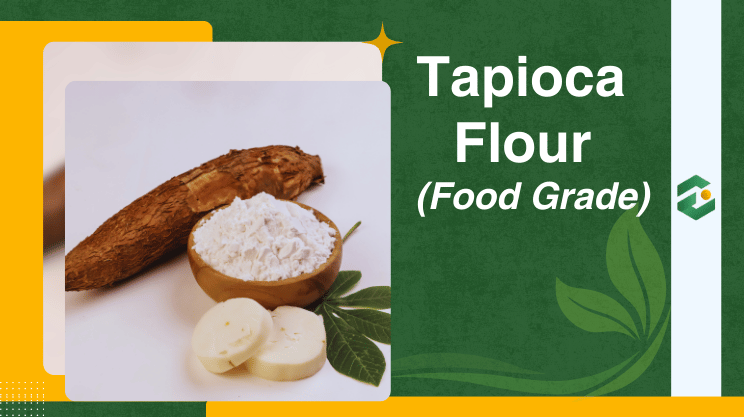
EFBA Agro International offers a diverse and carefully selected portfolio of Indonesian commodities designed to meet the needs of global markets. Each product undergoes strict quality assessment to ensure it aligns with international food safety standards and maintains consistent performance across different industries. One of our most in-demand products is Flour Trade Tapioca Flour, sourced from high-starch cassava grown in Java and Sumatra. With a minimum whiteness of 92% and starch content of at least 85%, our tapioca flour is ideal for crackers, baked goods, sauces, noodles, beverages, and eco-friendly packaging applications. This makes it one of our strongest contributors to global manufacturing supply chains.
In addition to tapioca flour, EFBA Agro International supplies Granulated Arenga Palm Sugar, known for its rich caramel flavor, low glycemic index, and natural production methods. This sugar is widely used in premium beverages, artisanal foods, confectionery, and healthy lifestyle brands. Our portfolio also includes other essential commodities featured on our website: cassava-based products, natural sweeteners, tropical spices, selected nuts, and Indonesia’s highly competitive agricultural exports each chosen for its international demand and consistent quality.
By offering a broad product range with centralized sourcing, EFBA Agro International helps buyers streamline procurement and reduce supplier complexity. Our logistics team manages all export procedures, ensuring timely delivery to destinations across Asia, Europe, the Middle East, and beyond. This integrated approach gives buyers the confidence to scale production without worrying about supply fluctuations.
With a strong foundation in authenticity, sustainability, and global trade excellence, EFBA Agro International continues to serve as a trusted partner for businesses seeking top-tier commodities, especially those relying on the consistency and performance of Flour Trade Tapioca and other Indonesian agricultural products.
FAQ: Flour Trade Tapioca Flour (Food Grade) from Indonesia
1. What is Tapioca Flour and how is it used?
Tapioca Flour is a fine, white starch extracted from cassava roots. It is widely used in food production as a natural thickener for sauces, noodles, snacks, and baked goods. In industry, it also serves as a key ingredient for biodegradable plastics and animal feed.
2. Why choose Flour Trade Tapioca Flour from Indonesia?
Indonesia is one of the world’s largest cassava producers, ensuring a steady supply of high-quality raw materials. Efba Agro International sources directly from trusted farmers, processes with strict food-grade standards, and guarantees consistency in every shipment.
3. What makes Efba Agro International’s Tapioca Flour different from others?
Unlike traders who simply resell, Efba Agro International oversees every production stage — from cassava harvesting, drying, milling, to final quality testing. This ensures purity, brilliant whiteness, and reliable viscosity performance that meet international standards.
4. How can I get a quotation for Flour Trade Tapioca Flour 2025?
Simply contact us via WhatsApp or the contact form on efbaagro.id. Our export team will send you a detailed quotation including FOB/CFR pricing, specifications, and estimated delivery times.
// Also Read:
Cascara Natural Tea Bulk Supplier 2025 from Indonesia – Coffeenesia Export Excellence!
Gayo Coffee 01 Single Origin Arabica Direct from Aceh By Coffeenesia!
Indonesian Coffee Beans 100% Fresh Origin!